The world’s largest free audio library for everyday wellbeing
Energy & Subtle-Body
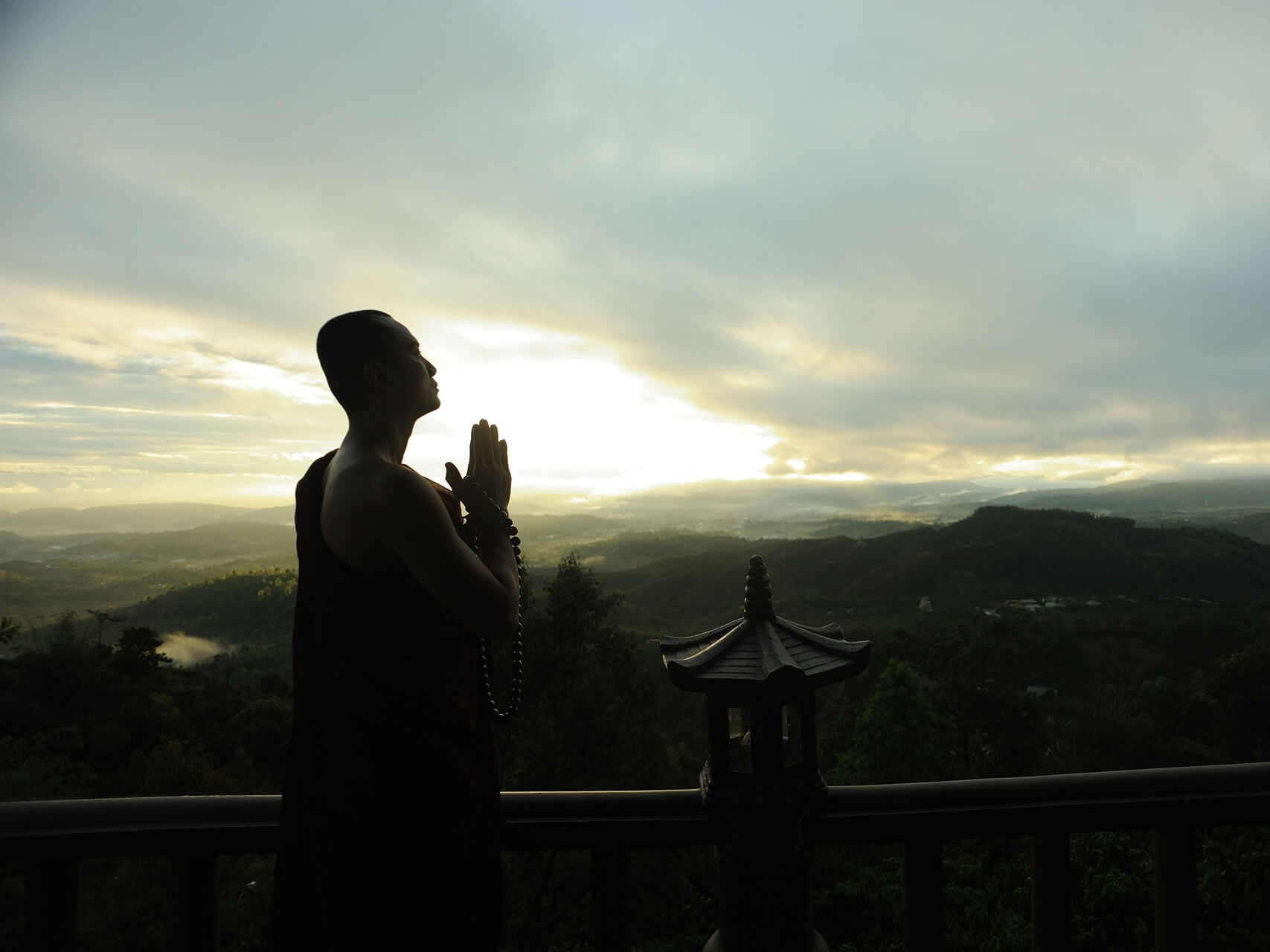
Muraqabah is a Sufi heart-centered contemplative meditation whose name means "to watch over," in which attention is turned inward toward the heart and the felt presence of the divine (Isgandarova & Nazila, 2019), (Abdilah et al., 2025).
Last Updated
3 Jul 2026
We are still reviewing this page. Our research team checks every technique page for accuracy and evidence quality before final release. Details may change as that review completes. The evidence badge shows our current reading of the published research.
RECOMMENDED DOSE
A short, comfortable sitting is a conservative introduction for newcomers. No study reports a specific session length for Muraqabah, so the duration is an editorial starting point. Frequency is extrapolated from closely related meditation research (a six-week focused-meditation trial and a Transcendental Meditation meta-analysis) that links regular, repeated practice to measurable benefit.
A longer daily sitting reflects the sustained engagement used in related meditation programmes. Session length remains an editorial estimate, as no source specifies minutes for Muraqabah. The near-daily frequency is drawn from overlapping evidence: focused-meditation and autogenic-meditation studies ran structured practice over six to eight weeks, and the Transcendental Meditation meta-analysis found regularity of practice influenced effect sizes.
A committed daily practice suits experienced practitioners seeking to maintain effects. The specific duration is editorial, since no Muraqabah study reports session minutes. Daily maintenance frequency is extrapolated from overlapping meditation evidence, including a meta-analysis noting the role of practice regularity and an eight-week heart-focused meditation study.
Session length
Session length: 5–10 minutes
5
MIN
How long each individual practice session should last from start to finish.
Frequency
Frequency: 3–5 days
3
DAYS
The number of days per week to fit a session into your routine.
Session length
Session length: 15–20 minutes
15
MIN
How long each individual practice session should last from start to finish.
Frequency
Frequency: 5–7 days
5
DAYS
The number of days per week to fit a session into your routine.
Session length
Session length: 20–30 minutes
20
MIN
How long each individual practice session should last from start to finish.
Frequency
Frequency: 7 days
7
DAYS
The number of days per week to fit a session into your routine.
About this card. No trial has yet reported a specific session length or weekly frequency for Muraqabah itself; frequency guidance is extrapolated from closely related meditation practices, and durations are conservative editorial starting points. These recommendations are not a substitute for personalised guidance from a qualified practitioner.
Quick answers to what people most often ask. Each card links to the deeper section below.
evidence
Direct research on Muraqabah is limited; most support comes from broader meditation and Sufi studies. A systematic review of 49 Sufi-spirituality studies linked the practice with lower anxiety and depression, though rated low quality. Meditation meta-analyses show moderate anxiety reductions, but no controlled trial isolates Muraqabah itself yet.
Read moregood for
Muraqabah may suit adults with everyday anxiety, stress, or a mind that struggles to settle, especially those for whom a devotional, faith-aligned practice feels meaningful. Supporting work comes mostly from Sufi practitioners, students, and general meditation samples, not clinical populations. It supports gentle settling and stress relief, not treatment of a diagnosed condition.
Read moresafety
Most healthy adults can practise Muraqabah safely, with settling rather than strain being the usual experience. The tradition advises learning it with proper grounding from a knowledgeable teacher. Turning attention inward can surface difficult emotions or restlessness for some, so keep early sessions short. Those with significant mental-health conditions should use it alongside professional care.
Read morehow it works
Muraqabah works by giving attention a single place to rest—the felt beat of the heart—so a worrying mind has somewhere to return. Alongside this anchoring runs devotional surrender, deliberately setting down self-directed control. The stillness and slow breathing are thought to shift the body toward its rest-and-recovery system, slowing the heart and easing tension.
Read moreMuraqabah is a Sufi heart-centered meditation whose name means 'to watch over,' in which attention turns inward toward the spiritual heart and the felt presence of the divine (Isgandarova & Nazila, 2019).
The practitioner sits in stillness and centres attention on the spiritual heart, the Qalb. In the Naqshbandi form the practice moves through three phases: body meditation with slow, conscious breathing and a light visualisation; mind meditation using silent dhikr, the inward remembrance of God's name, or the tracing of Arabic letters; and soul meditation resting on the felt heartbeat while sustaining that remembrance. Warmth or a sense of expansion at the left of the chest is often part of what practitioners describe.
Muraqabah is a devotional practice within Sufi and Islamic tradition, not a secular relaxation or mindfulness exercise, even though it shares focused-attention features with them. It is not a medical treatment, and the heart it attends to is the Qalb understood as an organ of spiritual perception rather than a metaphor for feeling alone. Its lineage in the Naqshbandi order traces to the Prophet Muhammad, which explains its form rather than proving any clinical effect.
Not to be confused with
Dhikr (remembrance of God)
Dhikr is the rhythmic repetition of God's names or sacred phrases and often appears inside Muraqabah, but on its own it is recitation-based remembrance rather than the silent, receptive watching of the heart that defines Muraqabah.
Salah (ritual prayer)
Salah is the prescribed obligatory prayer with set movements, times, and recitation; Muraqabah is a voluntary contemplative meditation of inward stillness. They are distinct practices within Islam that support rather than substitute for each other.
Secular heart-focused biofeedback (e.g. HeartMath)
Heart-focused biofeedback trains heart-rhythm coherence using devices and secular technique, whereas Muraqabah is a devotional practice with no measurement apparatus and its heart focus is on the spiritual heart, not a monitored signal.
Muraqabah appears to work by giving attention a single place to rest, the felt beat of the heart, so the mind's repeated drift toward worry has somewhere to return (Isgandarova & Nazila, 2019), (Zahir & Qoronfleh, 2025). Running alongside this anchoring is devotional surrender, a deliberate setting-down of self-directed control in favour of a trusting, receptive orientation toward the divine, which practitioners often experience as relief rather than striving. The stillness and slow breathing are also thought to slow the heart and shift the body toward its rest-and-recovery branch, the parasympathetic system that eases tension, though this pathway is inferred from research on meditation broadly rather than measured in Muraqabah itself.
When thoughts keep spiralling off toward worry, muraqabah gives attention one steady place to rest, the felt beat of the heart. Each time the mind drifts, that heartbeat becomes the reference point to come back to, which many practitioners experience as fewer mental detours and an easier sense of staying present (Isgandarova & Nazila, 2019), (Zahir & Qoronfleh, 2025).
Muraqabah can bring a felt sense of relief as you set down the effort of controlling every thought and let attention rest toward the divine instead. This is devotional surrender, an active, receptive trust that releases self-directed control rather than giving up, which Sufi psychotherapy accounts describe as central to how the practice works (Isgandarova & Nazila, 2019), (Zahir & Qoronfleh, 2025), though it remains a proposed mechanism rather than a measured one.
When your body feels tense and wired, the stillness of muraqabah, with its slow breathing and inward turn toward the divine, is thought to shift you toward the parasympathetic branch, the rest-and-recovery system that slows heart rate and eases muscular tension (Isgandarova & Nazila, 2019), (Zahir & Qoronfleh, 2025). Practitioners often describe the body settling and the breath becoming slower and steadier, though this pathway is inferred from related meditation research rather than measured during muraqabah itself.
Racing thoughts get somewhere to rest when attention returns, again and again, to the felt sense of the heart. Muraqabah pairs this heart-centered anchoring with devotional surrender, a deliberate release of self-directed control and an orientation of trust that accounts of Sufi psychotherapy describe as easing the mental effort of holding everything together (Isgandarova & Nazila, 2019), (Zahir & Qoronfleh, 2025).
As you rest attention on the heart and breathe slowly, a racing pulse may steady and a braced body may begin to ease. This can reflect autonomic balancing, a tipping of the body's automatic control system away from its fight-or-flight setting toward its rest-and-recover one. It is an early, indirect idea rather than something measured during muraqabah itself (Isgandarova & Nazila, 2019), (Zahir & Qoronfleh, 2025).
In the body, heart-centered meditative practice tends to slow the heart rate and steady its rhythm into what researchers call greater heart coherence, a more even beat-to-beat pattern (Kim et al., 2013). Focused-attention meditation has also been measured to speed the return of sympathetic arousal, the fight-or-flight setting tracked through skin conductance, toward its resting level after stress (Borchardt & Zoccola, 2018). These changes come from studies of related practices rather than Muraqabah directly, and in the body they may feel like the pulse softening, the breath slowing, and a braced, keyed-up quality beginning to ease.
As attention rests on the heart, the pulse often feels slower and the chest calmer. A related Sufi practice, Tamarkoz, was linked to lower heart rate in students (Bahadorani et al., 2021), and heart-focused meditative states have shown greater heart coherence, the steady, even quality of the heartbeat (Kim et al., 2013).
After something stressful, the body's fight-or-flight setting can stay switched on longer than we want. In a study of meditation newcomers, a short focused-attention session helped that arousal, tracked through skin conductance, settle back toward its resting level faster than sitting quietly did (Borchardt & Zoccola, 2018), a shift practitioners often feel as tension draining away and the body downshifting out of high alert.
When the body settles, breathing and heartbeat can fall into an easy, steady rhythm together and the chest feels calmer and less braced. Researchers call this cardiac coherence, a smoother, more ordered pattern in the timing between heartbeats, which one small study measured rising during heart-focused meditation (Kim et al., 2013).
Many practitioners notice a settled, softly focused calm, with the mind quiet but not drowsy as attention rests inward. This tracks with alpha brain-wave activity, the rhythm linked to relaxed but alert wakefulness, which has been measured to rise during heart-centered meditative states (Kim et al., 2013).
Moderate evidence, drawn mostly from Sufi spirituality and broader meditation research rather than Muraqabah itself, links these kinds of contemplative practice with lower anxiety and depression (Cetinkaya & Billings, 2023), (Chen et al., 2012). A related Sufi meditation, Tamarkoz, has been associated with less perceived stress and lower heart rate in university students (Bahadorani et al., 2021), and a single review proposes Muraqabah as a support for psychological self-regulation (Harianti et al., 2022). Not yet supported are controlled trials of Muraqabah specifically, long-term follow-up, or any claim that it treats a diagnosed condition on its own.
Reaching for the phone out of habit can feel automatic, like the hand moves before you decide. Early work on a structured Muraqabah program describes it as a way to build psychological self-regulation, the capacity to notice an urge and choose a response rather than act on autopilot (Harianti et al., 2022).
A meta-analysis of randomized trials found that meditative therapies reduced anxiety, with a standardized mean difference of -0.52 against waiting-list controls, a moderate effect meaning the average participant ended up less anxious than roughly seven in ten people who received no intervention, and a smaller -0.27 against active treatments (Chen et al., 2012). That is meditation research broadly, not Muraqabah specifically. Closer to the practice, a systematic review of 49 studies of Sufi spirituality linked it with better mental well-being while rating the research quality as low (Cetinkaya & Billings, 2023), and a conceptual account within Islamic psychotherapy proposes value for anxiety, depression, and pain (Isgandarova & Nazila, 2019). The main limit is directness: almost none of this evidence isolates Muraqabah itself, and a trial comparing app-based Islamic heart meditation with secular mindfulness is still only planned (Fei et al., 2024).
1
Meta-analyses
0
RCTs
1
Systematic reviews
0
Observational
8
Pilot
Studied populations
Meditative Therapies for Reducing Anxiety: A Systematic Review and Meta-analysis of Randomized Controlled Trials
n = 2,466
Finding: This review of 36 controlled trials, covering nearly 2,500 participants, found that meditative therapies eased anxiety symptoms compared with people who did no such practice, with a moderate effect that held up even when meditation was compared against other active treatments. Because muraqabah shares core ingredients with these practices, stillness, focused attention, and breath awareness, the results make an anxiety benefit plausible for this kind of contemplative work. Worth keeping in mind: the trials studied meditation broadly rather than muraqabah itself, and most tracked everyday anxiety symptoms rather than diagnosed anxiety disorders, so the numbers can't be pinned specifically to this technique.
SMD = -0.52
Muraqaba as a Mindfulness-Based Therapy in Islamic Psychotherapy.
2019
Finding: This peer-reviewed review places muraqabah within Sufism and Islamic psychotherapy, describing it as a heart-centered practice that combines focused attention on the spiritual heart with a sense of devotional surrender toward the divine. Drawing on that framing, it proposes that muraqabah may ease symptoms of anxiety, low mood, and pain, and can be adapted alongside familiar mindfulness-based and mind-body approaches. Because this is a narrative literature review rather than a controlled trial, with no measured outcomes reported, it points to plausible benefit rather than proving it. If you are drawn to this practice, treat it as a promising contemplative tradition whose direct clinical evidence is still limited.
See full citation in referencesMuraqabah, meaning "to watch over," is a long-standing Sufi contemplative practice rooted in Islamic tradition and the prophetic teaching "Worship God as if you see Him, for even if you do not see Him, He sees you." In the Naqshbandi order its lineage is traced to the Prophet Muhammad, and the heart, the Qalb, is understood as an organ of spiritual perception. These roots help explain the practice's form, its stillness, its dhikr, and its sequential attention on the heart, rather than proving its clinical effects.
For most healthy adults, Muraqabah is a gentle, low-risk practice: sitting quietly and letting attention rest on the heart rarely causes harm, and the usual experience is settling rather than strain. A few situations still call for care. Because Muraqabah carries a specific devotional meaning within Sufi and Islamic tradition, the review literature advises learning it with proper grounding in its roots and notes that it will not suit every condition or concern, guidance drawn from practice and tradition rather than from a safety trial (Isgandarova & Nazila, 2019). Turning attention inward toward the felt heartbeat can also, for some people, surface difficult emotions or restlessness; this is inferred from how the practice works rather than measured, and it is worth easing into slowly rather than pushing through.
People living with a significant mental-health condition, a diagnosed anxiety or mood disorder, or active trauma symptoms, should treat Muraqabah as support alongside professional care, not a replacement for it, since direct research on the practice is still limited. This reflects clinical caution and tradition rather than a measured contraindication (Isgandarova & Nazila, 2019). Anyone whose distress tends to intensify when they turn attention inward, which can feel like rising unease or a strong wish to open the eyes, should keep sessions short and gentle and have a trusted person or clinician to talk to. People coming from a different faith background may also want to consider whether the devotional framing, the orientation toward divine presence that gives the practice its meaning, feels right for them before beginning.
Muraqabah carries a specific devotional meaning within Sufi and Islamic tradition, so learn its form and meaning with proper grounding in its roots rather than treating it as a generic relaxation exercise. It also will not suit every condition or concern. This guidance comes from practice and tradition rather than from a safety trial.
| Technique | Best for | Use with care | Evidence strength | Distinction |
|---|---|---|---|---|
| Tamarkoz (Sufi concentration meditation) | Students or newcomers wanting a Sufi-rooted concentration practice that has been measured for stress and heart rate. | emerging EVIDENCE | Tamarkoz is a closely related Sufi meditation of self-knowledge through concentration, and the two share a devotional, heart-and-attention orientation. Muraqabah centres specifically on watching over the heart (Qalb) in the presence of God, while Tamarkoz is framed more broadly as concentrative self-knowledge. In the supplied evidence Tamarkoz has been directly studied in students, whereas Muraqabah itself has not, so the two are best treated as siblings within the same lineage rather than interchangeable. | |
| Secular mindfulness meditation (MBSR-style) | Readers wanting a faith-neutral practice with a large controlled-trial base for anxiety and stress. | May feel stripped of meaning for practitioners for whom the devotional orientation is the point of practising. |
Muraqabah means "to watch over" (or "to take care of"). It is a Sufi heart-centered contemplative meditation in which you sit in stillness and turn attention inward toward the heart and the felt presence of the divine (Isgandarova & Nazila, 2019), (Abdilah et al., 2025).
+
Muraqabah means "to watch over" or "to take care of." In practice it is a Sufi contemplative meditation in which the practitioner rests attention on the spiritual heart, the Qalb, while silently remembering God, in the Naqshbandi tradition traced back to the Prophet Muhammad (Isgandarova & Nazila, 2019), (Abdilah et al., 2025). This describes the meaning and traditional form of the practice, not a clinical or therapeutic effect.
No, you do not have to be Muslim, but the devotional framing is central. Muraqabah is a Sufi meditation of watching over the heart in the felt presence of God, so anyone can sit with it, though readers of another faith or none may want to weigh whether that orientation fits (Isgandarova & Nazila, 2019).
+
No. Being Muslim is not a formal requirement, but Muraqabah is rooted in Islamic contemplative tradition and Naqshbandi lineage, and its meaning comes from turning the heart, the Qalb, toward the divine (Isgandarova & Nazila, 2019), (Abdilah et al., 2025). Because the devotional frame is the point of the practice rather than decoration around it, those who study it advise learning its form and meaning properly rather than treating it as a generic relaxation exercise (Isgandarova & Nazila, 2019). If the orientation toward divine presence does not feel right for you, a faith-neutral practice such as secular mindfulness, or a heart-centred practice within your own tradition, may fit better. That fit shapes whether you will sustain the practice, not any added clinical effect.
A Sufi contemplative meditation whose name means 'to watch over.' You sit in stillness and turn awareness inward toward the heart and the felt presence of the divine.
A Sufi heart-centred focused-attention meditation in which, in the Naqshbandi tradition, attention is anchored on the spiritual heart while sustaining remembrance of God.
In Sufi understanding, the heart seen as an organ of spiritual perception rather than only a physical pump. Muraqabah centres attention here, and practitioners may sense warmth, expansion, or light at the left of the chest.
The remembrance of God through silent or spoken repetition of the divine names or sacred phrases. It often accompanies Muraqabah, giving attention a rhythmic anchor.
A major Sufi order whose lineage traces Muraqabah back to the Prophet Muhammad and which emphasises the heart-centred, silent form of the practice.
A related Sufi meditation described as the art of self-knowledge through concentration, studied for its links to lower perceived stress and heart rate.
Holding attention on one clear target, here the felt heartbeat, and returning to it whenever the mind drifts. It tends to feel like fewer spiralling thoughts and a steadier sense of staying present.
Focused-attention regulation in which repeated re-orienting to a single sensory reference reduces mind-wandering and self-referential capture.
The deliberate release of self-directed control in favour of a trusting, receptive orientation toward the divine. It is felt as relief and settledness as striving gives way to trust, not as giving up.
A self-transcendence process involving active trust and self-offering, distinct from decentering and from purely physiological calming.
Kevin W. Chen, Claire C. Berger, Eric Manheimer, Diane Forde, Jessica Magidson, Linda Dachman (2012). Meditative Therapies for Reducing Anxiety: A Systematic Review and Meta-analysis of Randomized Controlled Trials. https://doi.org/10.1002/da.21964
Nazila Isgandarova, Isgandarova Nazila (2019). Muraqaba as a Mindfulness-Based Therapy in Islamic Psychotherapy.. https://doi.org/10.1007/s10943-018-0695-y
Explore guided sessions to deepen your Muraqabah (Sufi Heart Meditation) technique.
Outcomes measured
| Outcome | Effect size | 95% CI | N | Comparator | Source |
|---|---|---|---|---|---|
| anxiety | SMD = -0.52 | — | 2,466 | waiting-list control | Chen et al., 2012 |
| anxiety | SMD = -0.27 | — | — | alternative treatments | Chen et al., 2012 |
The research is useful for setting expectations, but study methods and participant groups vary. Treat the findings as general guidance rather than a promise about any single session, and not a replacement for clinical care.
Interpersonal and individual effects of an app-based Christian and Islamic heart meditation intervention in healthy adults: protocol of a stratified randomised controlled trial.
2024
Finding: This is the published plan for a trial that has not yet reported any results. Researchers registered a three-arm study to compare app-based Islamic and Christian heart-centred meditation, built around visualisation and recitation, against secular mindfulness and a waiting-list group, tracking heart rate, nervous-system flexibility, attention, relationships, and mental health across eight weeks with a three-month check-in. Because it is only a protocol, it tells us what will be measured, not what works, so it cannot yet show that this practice delivers any particular benefit. For now it signals that rigorous testing of Islamic heart meditation is on the way, while direct evidence for muraqabah itself remains thin.
See full citation in referencesMuraqabah intensification therapy (MIT): an alternative Islamic therapy for social media addiction
2022
Finding: This integrative review gathered existing research on muraqabah as a spiritual practice and concluded that a daily routine may help people steady their inner state and manage the impulses behind behavioral habits like compulsive social media use. For someone considering the practice, it points to muraqabah as a possible support for self-regulation and a calmer relationship with everyday urges. That said, the review only synthesized earlier studies rather than testing the practice directly, so it offers no measured before-and-after results, and its suggestion for something like social media overuse remains a proposal rather than proven treatment.
See full citation in referencesAN ANALYSIS OF THE CONCEPT OF TAZKIYAH AL-NAFS IN THE QUR’ANIC TAFSIR AND THE BOOK MI‘RĀJ AL-SA‘ĀDAH BY AḤMAD AL-NARĀQĪ
2025
Finding: This paper is a conceptual one, exploring how muraqabah fits within the Islamic idea of tazkiyah al-nafs, the purification of the soul, and describing the practice as sitting in stillness and turning attention inward toward the divine presence, centered on the spiritual heart. For someone considering the practice, it helps place muraqabah in its devotional roots and shows how its heart-focused, silent-remembrance techniques line up with wider mindfulness and mind-body approaches. It does not test outcomes or measure effects on stress or well-being, so treat it as a guide to what the practice is and where it comes from, not as evidence that it works.
See full citation in referencesSystematic review of the relationship between Islamic-Sufi spirituality and practice and mental well-being
2023
Finding: This systematic review gathered 49 studies published between 2007 and 2022 on Sufi spirituality and practice, and found a consistent link between engaging in that tradition and lower levels of anxiety and depression. For someone drawn to heart-centred practices like muraqabah, that points to a genuine connection between this spiritual path and calmer, steadier mental well-being. The authors are candid, though, that most of the studies they reviewed were of low quality, so this is best read as an encouraging signal rather than firm proof, and the strength of the effect on any one person remains uncertain.
See full citation in referencesTraditional Islamic spiritual meditative practices: powerful psychotherapies for mental wellbeing
2025
Finding: This peer-reviewed account describes muraqabah as pairing two things: steady attention anchored on the heart, and a felt sense of surrender toward the divine. It places the practice alongside familiar mindfulness and mind-body approaches, which may help newcomers understand what they are being asked to do, focus inward, then let go. Keep in mind that these are conceptual descriptions of how the practice is thought to work, not measurements of what actually happens in the body or mind during muraqabah, so treat them as a useful map rather than proven physiology.
See full citation in referencesImplications of Tamarkoz on stress, emotion, spirituality and heart rate
2021
Finding: Over 18 weeks, university students who practised Tamarkoz, a closely related Sufi meditation built around concentration and self-knowledge, reported less perceived stress and more positive emotions and spiritual experiences than students on a waitlist or in a standard campus stress-management group, and their heart rates came down as well. For someone drawn to this kind of practice, that points to a calmer body and a steadier, more positive frame of mind building over a full term rather than a single session. Keep in mind that this study looked at Tamarkoz specifically, not muraqabah itself, so it is a signal from a sibling practice rather than direct proof; the researchers also reported meaningful group differences without publishing the exact size of the effect.
See full citation in referencesRecovery from stress: an experimental examination of focused attention meditation in novices.
n = 99
Finding: In this trial, 99 college students new to meditation were put through a stressful task and then randomly assigned to meditate, listen to an audiobook, or simply sit quietly. Only the meditators recovered on both measures the researchers tracked, with heart-rate variability (a sign of nervous-system flexibility) and skin sweat response (a sign of stress arousal) both settling back to their starting levels, while the other two groups saw only their heart-rate variability recover. For someone drawn to a focused-attention practice like muraqabah, this hints that meditation may help the body switch off the stress response more completely after a tense moment. Keep in mind the study looked at beginners doing meditation in general rather than muraqabah specifically, and mood ratings did not differ between the groups.
reported narratively
Dynamic correlations between heart and brain rhythm during Autogenic meditation
2013
Finding: In a small study of 12 healthy volunteers who completed eight weeks of autogenic meditation training, heart rhythms became noticeably more ordered and steady during meditation, a pattern researchers call heart coherence. This smoother heart rhythm rose in step with alpha brain-wave activity, the relaxed, awake state the brain settles into during meditation, which led the researchers to suggest heart coherence could serve as a physical signpost of being in a genuinely meditative state. It's worth knowing this looked at a different, heart-focused meditation rather than muraqabah itself, and with so few participants and no comparison group, it points to how a calm meditative state may show up in the body rather than proving what muraqabah specifically does.</parameter> </invoke>
See full citation in referencesResting attention on the felt heartbeat can surface unease, restlessness, or unexpected emotion for some people. Ease in slowly, keep early sittings short, and open your eyes or stop if distress rises rather than pushing through. This is inferred from how the practice works rather than measured in Muraqabah itself.
If you live with a significant mental-health condition, a diagnosed anxiety or mood disorder, or active trauma symptoms, treat Muraqabah as support alongside professional care rather than a replacement, since direct research on the practice is still limited. Keep sessions short and gentle and have a trusted person or clinician to talk to. This reflects clinical caution and tradition rather than a measured contraindication.
Muraqabah's orientation toward divine presence is central to the practice, not decoration around it. If you come from another faith background or none, consider whether that devotional framing feels right before beginning; a faith-neutral practice such as secular mindfulness may fit better. This shapes fit and sustained practice, not clinical safety.
Muraqabah is best approached as a devotional practice with roots worth honoring, so where you can, learn its form and meaning from a knowledgeable teacher rather than treating it as a generic relaxation exercise. A sensible starting format is short, gentle sittings in a quiet place where you feel supported, easing into the inward turn slowly rather than pushing through any restlessness or difficult feeling that surfaces. If you live with a significant mental-health condition, keep it as a chosen support alongside professional care rather than a substitute for it.
Where you can, learn Muraqabah from a knowledgeable teacher or trustworthy source. It is a devotional practice, and those who study it advise learning its form and meaning properly rather than treating it as a generic relaxation exercise.
Sit upright but relaxed in a quiet place, so the body feels supported and you are not fighting discomfort while attention turns inward.
Let the breath lengthen gently at the start. This opening phase tends to bring the heavier, calmer feeling many practitioners notice, and it eases you into stillness without force.
Keep awareness on the felt sense of the heart, and each time the mind wanders, simply guide it back. Aim for a gentle returning rather than a strained grip.
If restlessness, unease, or unexpected emotion arises, ease off, shorten the session, or open your eyes. There is nothing to gain from forcing through distress.
After a longer sitting, take a moment to notice your surroundings and move gradually before standing, so the return to activity feels smooth.
If you live with a significant mental-health condition, continue working with a qualified professional and use Muraqabah as a chosen, intentional support rather than a substitute for treatment.
This information is educational and is not medical advice. This practice is not a substitute for professional care and should not replace prescribed medication or treatment for any medical or mental-health condition. If you are managing a health condition or taking medication, talk with a qualified health professional before changing your practice. If you are in distress or crisis, seek professional support.
| moderate EVIDENCE |
| Secular mindfulness cultivates present-moment, non-judgemental awareness without a religious frame, whereas Muraqabah is a devotional practice of turning the heart toward the divine. The broader meditation and mindfulness literature for anxiety is far larger and more rigorous than the direct evidence for Muraqabah. A reader who wants an established, faith-neutral practice may prefer mindfulness; one for whom the Islamic devotional meaning is central may find Muraqabah a better fit. |
| Mindful Salah (attentive Islamic prayer) | Muslim practitioners seeking present-moment focus within an existing daily worship structure. | emerging EVIDENCE | Salah is the obligatory ritual prayer of Islam performed at set times with prescribed movements and recitation, while Muraqabah is a voluntary contemplative meditation of silent inward watching. Both are Islamic practices linked in the literature with focused attention and well-being, but Salah is structured worship and Muraqabah is open, receptive stillness. They complement rather than replace one another within the tradition. |
| Christian heart-centred / contemplative prayer | Practitioners within a Christian devotional tradition seeking a heart-centred contemplative practice of their own faith. | emerging EVIDENCE | Christian heart meditation also centres attention on the heart with visualisation and recitation in a devotional frame, making it a cross-tradition cousin of Muraqabah. The difference is the meaning system and the object of devotion rather than the felt structure of the practice. A planned trial in the supplied evidence groups Christian and Islamic heart meditation together, underlining how much they share as heart-focused devotional forms. |
Indirectly, so far. No controlled trial has tested Muraqabah itself, but broad meditation research links these practices with lower anxiety, and a related Sufi meditation is tied to less stress (Chen et al., 2012), (Bahadorani et al., 2021). Treat it as supportive for settling, not an established anxiety treatment.
+
The evidence is encouraging but not yet Muraqabah-specific. A meta-analysis of randomized trials found meditative therapies reduced anxiety versus waiting-list controls, a moderate SMD of -0.52, though that is meditation broadly rather than Muraqabah (Chen et al., 2012). A systematic review of Sufi spirituality has linked it with better mental well-being while rating the research quality as low (Cetinkaya & Billings, 2023); a related Sufi meditation, Tamarkoz, is associated with less perceived stress in students (Bahadorani et al., 2021); and Islamic-psychotherapy writing proposes value for anxiety (Isgandarova & Nazila, 2019). Because no controlled trials isolate Muraqabah itself (Cetinkaya & Billings, 2023), it may support gentle settling within a devotional frame but is not a proven treatment for a diagnosed anxiety disorder or a substitute for professional care.
Limited. Almost no controlled trials study Muraqabah itself; most support is borrowed from broader meditation and Sufi-spirituality research, so the direction is encouraging but technique-specific proof stays thin (Cetinkaya & Billings, 2023), (Fei et al., 2024).
+
Limited. Direct scientific study of Muraqabah is scarce, and much of its support comes from adjacent work: a systematic review of Sufi spirituality linked it with better mental well-being while rating the research quality as low (Cetinkaya & Billings, 2023), and meta-analyses show meditation broadly can reduce anxiety (Chen et al., 2012). A trial comparing app-based Islamic heart meditation with secular mindfulness is still only planned (Fei et al., 2024). So the evidence leans encouraging, but it does not yet confirm effects for Muraqabah on its own, and it is not a treatment for any diagnosed condition.
Because in Sufi and Naqshbandi tradition the heart, or Qalb, is understood as an organ of spiritual perception and the seat of remembrance of God, so attention rests there rather than on the breath or a mantra (Isgandarova & Nazila, 2019). It also gives attention one steady felt anchor, though that settling effect is inferred from broader meditation research, not measured in Muraqabah itself (Zahir & Qoronfleh, 2025).
+
Because in Sufi and Naqshbandi tradition the Qalb, the spiritual heart understood as an organ of inner perception and the seat of remembering God, is where the practitioner watches over their orientation toward the divine (Isgandarova & Nazila, 2019), (Abdilah et al., 2025). The heart focus comes from meaning rather than measurement. Practically, resting attention on the felt heartbeat also works as an attentional anchor, a single point the mind can return to when it drifts (Zahir & Qoronfleh, 2025). That anchoring effect is inferred from adjacent meditation research rather than tested in Muraqabah, and the heart focus is not claimed to be clinically superior or to treat any condition.
Likely, though this hasn't been measured in Muraqabah itself. Heart-centered and focused-attention meditation tend to slow the heart and steady its rhythm, and a related Sufi practice, Tamarkoz, showed lower heart rate in students (Kim et al., 2013), (Bahadorani et al., 2021).
+
Likely. The evidence is indirect: in studies of related practices, heart-focused meditation has been linked to greater heart coherence, a smoother beat-to-beat rhythm (Kim et al., 2013), and focused-attention meditation helped autonomic arousal return toward baseline faster after stress (Borchardt & Zoccola, 2018). Tamarkoz, a sibling Sufi meditation, was associated with lower heart rate in university students (Bahadorani et al., 2021). None of this measured Muraqabah directly, so treat a slower, steadier heartbeat as what the body tends to do in this kind of stillness rather than a proven Muraqabah-specific effect.
Use care. For most healthy adults Muraqabah is gentle and low-risk, but with diagnosed anxiety or depression treat it as a support alongside professional care, not a replacement. Turning attention inward can surface difficult emotions, so keep sessions short and stay connected to a clinician or trusted person.
+
Use care. Direct study of Muraqabah in clinical anxiety or depression is still limited, so this is a practice-informed caution rather than a measured safety finding (Isgandarova & Nazila, 2019), (Cetinkaya & Billings, 2023). If you live with a significant mental-health condition, use Muraqabah as a chosen support alongside qualified care, not instead of it. Because inward, heart-focused attention can bring up unease or strong emotion for some people, keep early sessions short and gentle, and have someone to talk to if distress rises.
It can happen for some people. Turning attention inward toward the heart may surface unease, restlessness, or difficult feelings; if that occurs, ease off, shorten the session, or open your eyes rather than pushing through. This is a mild, mechanism-inferred precaution, not a warning drawn from a safety trial.
+
It can happen for some people. Muraqabah is usually a gentle, low-risk practice, but inward attention on the felt heartbeat can occasionally stir up unease or unexpected emotion, an effect inferred from how contemplative practices work rather than measured in Muraqabah itself. The practical response is to ease in slowly, keep early sittings short, and open your eyes or stop if distress rises, ideally with a trusted person or clinician to talk to. If you live with a significant mental-health condition or active trauma symptoms, treat Muraqabah as a support alongside professional care rather than a replacement for it.
Start short. A few minutes is a sensible beginning; keep early sittings brief, ease in gently, and shorten or stop if restlessness or difficult emotion arises. This is practice-informed guidance, not a research-tested dose.
+
Start short. There is no trial-tested "ideal" length for Muraqabah, so begin with just a few minutes and let the duration grow naturally as sitting becomes comfortable. Traditional teaching describes phases such as a roughly seven-minute breathing settling, but that is descriptive form rather than a prescribed dose. Keep early sessions gentle, and if unease or strong feelings surface, ease off or open your eyes rather than pushing through; the practice is best learned with proper grounding in its tradition.
The core difference is meaning and research base. Muraqabah is a devotional Sufi practice of watching over the heart in the presence of God, while secular mindfulness is faith-neutral present-moment awareness with a larger, more rigorous trial base (Chen et al., 2012), (Cetinkaya & Billings, 2023).
+
The main difference is the meaning system and how well each is studied. Muraqabah turns attention inward toward the heart with an Islamic devotional orientation, whereas secular mindfulness, in the MBSR style, cultivates non-judgemental present-moment awareness without a religious frame (Isgandarova & Nazila, 2019). The broader meditation literature for anxiety is far larger and more controlled than the direct evidence for Muraqabah, which remains limited, and a head-to-head trial of app-based Islamic heart meditation against secular mindfulness is still only planned (Cetinkaya & Billings, 2023), (Fei et al., 2024). Choose based on fit: mindfulness if you want a faith-neutral, better-researched option, Muraqabah if the devotional meaning is central, rather than because either treats a diagnosed condition.
The ability to sense and read internal body signals such as heartbeat, breath movement, and tension. Growing it tends to feel like being more embodied and noticing stress earlier.
Conscious perception of visceral afferent signals, associated with insular cortex activation.
Increased activity in the body's rest-and-recovery branch, largely through vagal pathways, which slows the heart and eases tension. It shows up as the body settling and the breath slowing and steadying.
A shift toward parasympathetic (vagal) dominance in autonomic balance, moving physiology away from fight-or-flight toward recovery.
A smoother, more ordered pattern in the timing between heartbeats that reflects balanced autonomic activity. Practitioners often notice breath and heartbeat falling into an easy, steady rhythm together.
The degree of ordering in the oscillation of heart-rhythm intervals, measured as heart coherence in physiological studies.
Cited in: Benefits, Faq, How it works, Research, Use with care, What it is, Who should use care
Ng Chung Fei, Farias Miguel, Brazil Inti A (2024). Interpersonal and individual effects of an app-based Christian and Islamic heart meditation intervention in healthy adults: protocol of a stratified randomised controlled trial.. https://doi.org/10.1186/s40359-024-02022-y
Winda Sri Harianti, Rafifah Huwaida, Nindya Sekar Adriwiguna, Hazhira Qudsyi (2022). Muraqabah intensification therapy (MIT): an alternative Islamic therapy for social media addiction. https://doi.org/10.11591/ijphs.v11i1.21137
Muhammad Dzikri Abdilah, Riko Reinaldi, Mutiara My (2025). AN ANALYSIS OF THE CONCEPT OF TAZKIYAH AL-NAFS IN THE QUR’ANIC TAFSIR AND THE BOOK MI‘RĀJ AL-SA‘ĀDAH BY AḤMAD AL-NARĀQĪ. https://doi.org/10.20871/tjsq.v8i1.461
Cited in: Faq, What it is
Merve Cetinkaya, Jo Billings (2023). Systematic review of the relationship between Islamic-Sufi spirituality and practice and mental well-being. https://doi.org/10.1080/13674676.2023.2256265
Farah Zahir, M. Walid Qoronfleh (2025). Traditional Islamic spiritual meditative practices: powerful psychotherapies for mental wellbeing. https://doi.org/10.3389/fpsyg.2025.1538865
Cited in: Faq, How it works, Research
Nasim Bahadorani, Jerry W Lee, L. Martin (2021). Implications of Tamarkoz on stress, emotion, spirituality and heart rate. https://doi.org/10.1038/s41598-021-93470-8
Cited in: Benefits, Faq, How it works, Research, What happens in the body
Borchardt Amy R, Zoccola Peggy M (2018). Recovery from stress: an experimental examination of focused attention meditation in novices.. https://doi.org/10.1007/s10865-018-9932-9
Cited in: Faq, How it works, Research, What happens in the body
Daekeun Kim, Kyung-Mi Lee, Jongwha Kim, Mincheol Whang, Seung Wan Kang (2013). Dynamic correlations between heart and brain rhythm during Autogenic meditation. https://doi.org/10.3389/fnhum.2013.00414
Cited in: Faq, Research, What happens in the body
Editorially curated. Tracks are not themselves clinically studied; evidence on the page applies to Muraqabah (Sufi Heart Meditation) as a technique.
Beginner content for Muraqabah (Sufi Heart Meditation)

★ 4.8
·
Guided
·
11 min
Saqib Rizvi
How hard is Muraqabah (Sufi Heart Meditation)?
Muraqabah keeps the reviewed Sufi defaults and moves to base effort 3 because the live method is a deeper contemplative discipline than generic remembrance.
3
Mental Effort
3 / 4
▾Emotional Depth
2 / 4
▾Physical Intensity
1 / 4
▾Prior Knowledge
2 / 4
▾