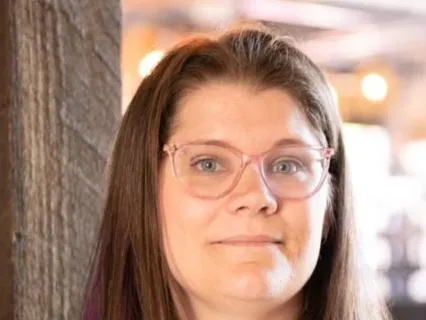
I'm thrilled that you have taken some time out of your busy mama schedule to tune in and listen to our conversation.
Today we are joined by.
Jody Hill,
Welcome.
Thank you so much for having me.
It's great to be here.
I'm excited to get to speak to your audience.
Yeah,
I'm looking forward to our conversation.
So let's dive in,
Shall we?
Let's do it.
Jodi,
Could you share a little bit of your story and what brought you to the space?
Yeah.
So what I do today,
Present day is I help parents impact their kids for life with a superpower that I believe that they've been given,
Which is their words,
But it has been a journey getting to this place.
And so my story starts as a young girl where I had a great loving home,
But there was also,
Um,
In different pockets,
Emotional abandonment and verbal abuse that happened.
And then I grew up in my thing was performance.
So I was like,
I can perform for love.
So who do you want me to be?
And how can I be that to the best of my ability?
That is my identity.
And so that was something that carried with me through a lot of my life.
I think naturally I do like doing things well,
Like straight A student and all the things,
But I,
At the same time,
I think there was this level of performance.
It wasn't okay for me to just like do my best.
There was an unhealthy side to it where I was like,
This is how I get loved.
And this is how I get affirmed.
And if I don't bring anything to the table,
I'm not enough as I am.
So got married and was married for almost 16 years and ended up separating and then filing for divorce.
And at that time I had four young children.
So my youngest was two at the time,
Just turned two.
And then my oldest at that point was three.
Six about to turn seven.
So I had a lot of littles all packed together.
Oh my gosh,
Just a little bit,
Just a little bit.
And so,
You know,
Just even being a mom,
Even when I was in what I like to call round one,
My first marriage.
I just realized the way that I spoke to my kids was different.
Actually,
I didn't even realize it,
But I had other people say something to it,
Like,
Oh,
Wow,
You're like so calm with your kids.
I'm like,
Am I like I really am I not all the time,
But for the most part and just realizing the way that my experiences growing up as a child really impacted how I showed up as a mom with my kids instead of being like,
Oh,
My gosh,
Like you're so stupid.
Like,
Why did you mess up?
It was like,
Oops,
OK,
We made a mess.
Let's clean it up.
Up together.
And so just like the way that I was like interacting with my kids just made You know,
People called attention to that and I so that when I when I was going through divorce in 2020 I was on this journey of like,
I don't want.
The choices that I need to make to impact my kids in a negative way.
And so that's what really got me on this journey is like,
What is what is within my power that I can do to help my children thrive through life,
Regardless of the circumstances,
Whether it's divorce,
Whether it's some kid bullying them,
Whether it's,
You know,
Down the road,
A spouse like being horrible to them,
Like whatever it may be,
How can I do that?
And I realized it was something I'd been doing already.
Which was utilizing my words.
And so just in that whole journey,
I just realized not only how powerful our words are that we say to our children,
But how powerful are the words that we speak to ourselves.
Especially for moms,
I mean,
Anyone,
But we're talking to moms here,
Like who have come from trauma and devastation and how can we speak life to ourselves so we therefore can show up in such a great way for our kids so we can continue to give them life instead of speaking negatively to them.
So it really starts with us and what we're believing about ourselves.
So that is what I share and talk on today.
Yeah I think what you shared is something that so many mamas can resonate with.
Growing up in a situation where you learned that you can perform for love and that if you don't bring something to the table then you're not enough,
You're not worthy of love.
Those beliefs are lies.
Yep,
100%.
And so I'm kind of curious,
What was your journey like rewriting those beliefs,
Replacing them?
Yeah,
It was a lot of therapy and faith.
And,
You know,
It's really interesting because I saw that pattern in my first marriage.
And then Eve,
I'm even remarried now and I'll get,
I'll get to your question.
Um,
I'm even remarried now and I thought I had done a lot of like healing and work around it,
But I will still see how that comes up.
Right.
And so what I want to encourage,
Like the moms who are listening is even though you may have like seen stuff,
That's the first step,
Right?
Ooh,
I noticed that this is how I kind of operate.
First step is noticing.
And then and so it may always be there on some level,
But we don't have to keep responding to it the same way.
And so that's what's so cool about the man that I'm married to now is like,
Oh,
I see this performance part of me or like.
Oh,
Am I not good enough?
Because I do things differently in a situation that he holds a different belief about,
Like,
Oh,
No,
Is he not going to love me?
And he's like.
I love you.
Like,
And so like that in and of itself is healing.
But to even get to that place where I can accept like the truth that he's giving me,
I think it,
I think the journey really started for me as one seeing it and seeing the unhealth that it was causing to my relationships and also to myself.
So for example,
Um,
Me and my,
Uh,
First husband,
We launched a software company.
So this is a great example.
Launch a software company.
We launched it live and it seemed like a really big thing,
But it was just us in the back end and by us I mean me.
So like I'm the one like working with the developers and like all the now.
The customer service is getting flooded with all of these like little things that aren't working right that we just need to fix.
And so I'm like,
Oh my gosh,
I need help.
And so then I bring in my spouse to help me.
And for his own reasons,
Like it was just overwhelming him.
And it was just a lot.
So what do I do?
I'm like,
It's okay.
I will take care of this.
So you don't have to,
So you can be at peace.
So we can keep the peace in this dynamic.
So you don't get upset and frustrated.
I don't want you upset and frustrated,
Especially at me.
So I will come in and I will take care of this.
And so I was staying up till three or four in the morning.
And then also getting up with our littles at like six or seven in the morning.
They're literally the only time that I was not working on that business for some seasons was like when I'd go to the bathroom.
Like,
I'm not joking.
I would grab food and come back up to eat.
Right.
And so we had a nanny at the time.
And so,
Like,
I wanted to preserve the peace and I wanted to perform and just have everything be OK.
And Jody's got it.
She can do it.
But it was at the sake of myself.
So it was when I really started seeing that unhealth in me.
And at that time I was in coaching and I was like,
OK,
Like this has got to change.
This has got to change.
And the change,
You know,
Came when I just realized the impact that it was making on myself.
And it was like,
OK,
Like,
What is true?
Like,
What is my motive here?
Is it truly to help or is there some fear behind it?
Like my fear was is that I wouldn't be loved.
My fear was that I would cause more chaos in my marriage and my relationship because now they had to step up and help,
Which was frustrating them for their own reasons.
And so just seeing that chaos and be like,
OK,
Like,
What is truth?
Like,
Who am I?
Thank you.
And what do I like?
It just asking the question like,
Is who I am enough?
Not what I do.
And honestly,
For me,
Like that was that question was answered with God in my faith,
Because I truly believe that He's the only one who can give those answers.
And so it goes like I have this printout that I found that I was given.
I don't know.
You and I pre show we're talking about things we've had for a long time.
I think I have got it like 20 years ago.
And it was like all identity statements from the Bible.
I'm just like,
I am God's daughter.
I am cherished in love.
I was known in the womb.
I was formed in the womb.
I'm delighted in and just going back to truth and that was really pivotal for me.
Yeah,
So I think it's really important when we're talking about Using your superpower of your words to empower your kids.
It's really important to do the first step,
Which is empower yourself with your words.
Because those,
Those beliefs that come from trauma.
Yeah,
They are.
They at one point.
Served to keep you safe.
It was your nervous system doing what your nervous system is supposed to do.
Yes.
So no shame there.
No.
However,
In order to empower your kids with your words,
You first have to learn how to empower yourself because your kids can tell when you're fake.
Oh,
100.
Unfortunately,
Yes.
100%.
And they notice how you are you as their mama are talking to yourself.
Yep.
Yes.
And so I think like what were What were some of your steps?
I know you mentioned that you're rooted and you turn to God for those truth answers and you were in coaching.
Yeah.
What were some of the other steps,
Action steps that you took on your journey?
Right.
That's a really good question because I feel like it was a journey over,
I mean.
Oh yeah.
I mean,
I guess it's never ended,
Right?
Yeah.
Healing isn't a destination for us.
Sorry.
I know.
I wish I was.
I think,
I mean,
It all,
It sounds so simple and yet it's hard,
But it really all goes back to our beliefs.
So if we can change our beliefs,
That will make the difference because our beliefs determine our identity.
And our beliefs impact our thoughts,
Right?
And our thoughts impact our identity,
And our identity impacts how we show up in the world.
So for example,
If I am someone who grew up in a home where I was told I was a failure,
And you are,
And I wasn't hypothetically like,
You are good for nothing,
You're stupid,
You can't do anything right.
And so I have this these words that I took in as belief to myself and now here I am a mom.
And so I have a challenging time with my child.
God forbid,
Oh no,
A child is needing extra help,
You know,
Like very human.
But how I show it based on what I believe will impact how I show up with my child.
So if I still carry that belief of like,
I am a failure.
What am I going,
How am I going to show up in that situation?
Remember,
Beliefs impact our actions.
So then I'm going to show up,
I'm going to show up reactive,
I'm going to show up overwhelmed,
I'm going to show up short,
And I'm going to show up impatient,
Right?
But in that moment,
If we can realize,
Hold on,
Like I'm having a flood of feelings right now.
So many things are going on right now.
I'm not feeling really good.
But instead,
If we can shift that narrative and be like,
I'm not a failure and what's happening right now is I'm learning.
And look,
I can handle hard,
Wow,
Like I can handle hard ones.
Like I can do hard things.
And so when we can show up from that place and shift like the words that we are telling ourselves,
Then we're able to show up more grounded and more patient.
And so it really comes back to the language that we have going in our head.
And I loved what you said.
We're like,
Kids can see through us.
Right.
And so we can't coach and tell our kids,
Like,
Be confident you can do it.
If they are seeing you around the home and you drop something,
You're like,
I am such a klutz.
I am such a mess.
Or we can't tell our kids,
You are beautiful.
You know,
You're awesome.
God gave you strength and confidence and wisdom and you're perfect the way you are.
But you know,
They are picking up on everything.
So it has to start with like your belief and what you believe about yourself.
Yeah,
And I think the first step of that is noticing.
Yes,
But no shame.
And yeah,
Not to shame yourself.
Yeah.
Because judging yourself and shaming yourself does not help.
Not helpful.
Nope.
But just noticing.
So that you're able to build your awareness muscle.
Yes,
It's a muscle just like your abs,
Just just like what abs?
Yeah,
What have.
They're there,
They're just buried.
End.
You know it it takes time like yeah you you've mentioned jodi that you know it's been a journey over many years and yeah Is it perfect?
I've been on my journey for almost eight years and I'm I still struggle with some things and one analogy that I really like to use because it paints the picture really well is that Trauma is like an onion.
And your beliefs and everything that you pick up and gather from that event,
That traumatic event,
Whether it was short-lived or over many,
Many years,
Is balled up in this onion.
And so you may.
.
.
Deal with one layer.
And then it comes back around again.
Well,
That's the next layer.
It's a little bit deeper.
Yeah.
Until you get to the root.
And I like to use an onion because it'll make you cry.
That's amazing!
But it's true,
Right?
Because this stuff is hard.
Yeah.
And it hurts your heart.
The the only way 2.
The only way is through it.
I don't like the saying one step forward,
Two steps back.
Like that drives me crazy because that makes me think of like,
Oh,
I've made progress.
And now that progress is going back.
And I think thinking about it as an onion is great.
Like there's many layers.
And so you go through one layer and then you've got the next level of healing that you're being called to.
I had a friend,
Um,
One of my coaches,
She,
Her analogy was,
It's like a journey.
So you're in the car and you've got all these trash bags in the car.
Right.
And you're like,
Taking care of these trash bags,
Right?
And sometimes you hit a road bump,
You hit this road bump.
And the cool thing about your healing journey is it doesn't mean you failed.
It doesn't mean you haven't been getting rid of these trash bags out of your car.
It's just part of the journey.
The cool thing that you get to see is,
Hey,
It didn't knock us out of the car anymore.
And we get to keep driving.
And I was like,
Oh,
That's so good.
Like,
That's so good.
Yeah,
And you know,
The hard thing about being a parent,
It's beautiful and horrible is,
You know,
Being a parent will bring up things within you.
Right.
And so it's so we can.
We can parent from like our unhealed like fears or past experiences and you know i think a great example of this could be like say you're um say you're someone who wet the bed late into their childhood.
And that can be a really big place of shame,
Especially if your parents didn't show up really grace-filled about it,
Right?
And so now you're potty training your child because you're talking about noticing,
Right?
So you're potty training your child and it's bedtime and they come to you in the middle of the night or they wake up and they're wet.
And noticing.
It's like,
How am I feeling about this?
Because you can be like,
Why am I so triggered?
And why am I so upset?
And it can be so easy to snap at your kid and be like,
Oh my gosh,
Like you're wetting the bed again.
Like,
Don't you know any better?
Which they don't.
They're part of the body.
Just has to be developed.
It's okay.
But there can be this such force and energy around it.
And then when we can stop and notice and be like,
Why am I so upset about this?
This is something new that they're learning that their body needs to grow and adapt to.
And it's like,
Oh,
I remember when I had shame around this and I don't want that for my kid.
So that's why I'm trying to shame them into being dry at night,
Which literally that is something that is not in their control.
But that's a great example where we can have like trauma or hurt or sadness or shame around something.
And we try and we want to prevent that for our kids.
But the way that we go about it is actually like very shame filled.
But noticing,
If we can notice that and be like,
Okay.
Is my kid's journey the same as my journey?
No.
How can I show them up and how can I show up in a way that I would have loved to have?
And so like for me and my kids,
Like some of them went,
Um,
Wet into the night way longer than what's typical.
And it was never a thing of shame.
Never,
Ever,
Ever.
It was just like,
Oops,
That's okay.
Your body will learn.
Okay.
Let's pull your sheets off and let's pull your PMAT off.
And all right,
Go ahead and take that to the laundry room.
We'll go ahead and get it washed for tonight.
Yeah,
Yeah,
I've got one of my kids has.
Kidney issues.
And so bedwetting is a thing.
And it's just is.
It just is.
Yeah.
Okay,
Take your pee-pee bedding off the bed.
We'll wash it.
And yeah.
It's all good,
Like.
Yeah.
For me,
As a child,
I had a lot of shameful reactions like how how dare you like now you have to hand wash your bedsheets.
Oh my gosh.
Yeah,
No,
Not,
That's not helpful.
No.
Oh my God.
I'm so sorry.
That's like no kid should.
I'm so sorry.
Thank you so much for chatting with me today,
Jody.
It was a pleasure.