
The world’s largest free audio library for everyday wellbeing
Real people. Real life. Real time.
Retreat categories
All RetreatsYoga RetreatsWellness RetreatsMeditation RetreatsYoga Teacher TrainingWomen's RetreatsYoga Retreats in BaliYoga Retreats in United KingdomYoga Retreats in AustraliaYoga Retreats in ItalyFind Your Perfect Retreat
Discover transformative Retreats led by Insight Timer's best teachers.Reconnect, recharge, and return renewed.
The world’s largest free audio library for everyday wellbeing
Blog categories
Mental Health and WellbeingTips and GuidesScience and ResearchTraditionSpiritualityAt WorkTop Articles
How to Meditate
Meditation is something everyone can do. Practicing can help improve your health and wellbeing.
Explore MeditationMeditation Timer
Free meditation timer with customizable intervals, bells, and ambient sounds.
Meditation Timer Online
COURSE
The Courage To Be: The Philosophy Of Self-Confidence
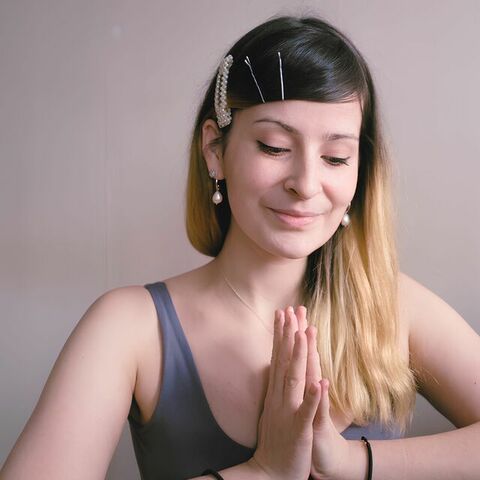
With Morgane Joncour
We often hear that in order to live a happy life, we need to believe in ourselves, to have confidence in ourselves. But what does it really mean? How do we become confident in a world that we cannot control? This course will show you different ways that philosophers have been understanding and explaining self-confidence, as well as tips that you can use in your everyday life to feel more confident. We will focus on the philosophies of Emerson, Nietzsche, Stoicism, and French Existentialism. Each course will be as simple and short as possible yet packed with valuable insights. So let’s start!
Meet your Teacher
read more
4 Days
50 students
4.9 stars
8 min / day
Happiness
English
4.9 (11)
Recent Reviews
Carrie

May 5, 2026
Excellent!
Anne
March 26, 2026
Interesting and informative course
Emma
March 17, 2026
This is so interesting. I listened to the whole course in 1 go and shall listen again 🙏
Avinash
March 17, 2026
Amazing Course.
More from Morgane Joncour

Trusted by 37 million people. It's free.

Get the app


