
The world’s largest free audio library for everyday wellbeing
Real people. Real life. Real time.
Retreat categories
All RetreatsYoga RetreatsWellness RetreatsMeditation RetreatsYoga Teacher TrainingWomen's RetreatsYoga Retreats in BaliYoga Retreats in United KingdomYoga Retreats in AustraliaYoga Retreats in ItalyFind Your Perfect Retreat
Discover transformative Retreats led by Insight Timer's best teachers.Reconnect, recharge, and return renewed.
The world’s largest free audio library for everyday wellbeing
Blog categories
Mental Health and WellbeingTips and GuidesScience and ResearchTraditionSpiritualityAt WorkTop Articles
How to Meditate
Meditation is something everyone can do. Practicing can help improve your health and wellbeing.
Explore MeditationMeditation Timer
Free meditation timer with customizable intervals, bells, and ambient sounds.
Meditation Timer Online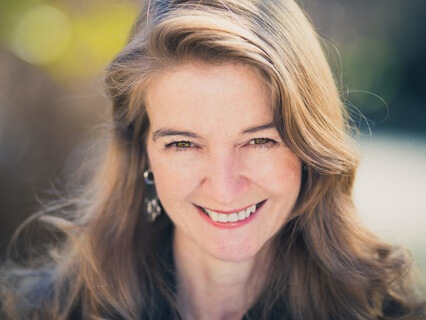
COURSE
Pema Chödrön Inspired Intro To Meditation
With Tess Callahan
Drawing from Buddhism, mindfulness, and neuroscience, this course offers actionable tools to foster inner stability, clarity, and greater intimacy with life. You will learn Pema Chödrön's techniques for stabilizing the mind through awareness of breath and body, as well as her compassion practices toward self and others, including Tonglen. You will learn a technique taught by Tara Brach known as “RAIN” to help you respond wisely and intentionally to life’s upheavals rather than react impulsively. You will learn a simple science-based method taught by Dr. Rick Hanson to convert negative mind states into positive ones that support better decision making. You will learn a heart-opening practice known as lovingkindness taught by Jon Kabat-Zinn and others, which not only widens your compassion but deepens your sense of connectedness to yourself and others. Finally, you will draw inspiration from Pema Chödrön, Adyashanti, and Eckhart Tolle to awaken to your own true nature. This course is open to people of all ages, orientations, backgrounds, and levels of meditation experience. It is suitable for anyone seeking clarity, inner stability, and a deeper sense of intimacy with life. Pema Chödrön writes: “Interrupting our destructive habits and awakening our heart is the work of a lifetime.” Invite your heart on this journey to awakening.
Meet your Teacher
read more
15 Days
3.5k students
4.8 stars
17 min / day
Awakening
English
Ask your teacher
This course includes 42 community questions and 8 audio replies from Tess Callahan. The community classroom and teacher audio replies are only available via the app.
4.8 (81)
Recent Reviews
eleanor

November 27, 2025
Friendly, comforting, rich with learning. The best ambient music within the meditations, creating an atmosphere of safety and luminance. Thank you Tess!
Bonny
September 30, 2025
Lovey and informative a good refresher for my past Shsmbala trading and my years with Adyashanti
Kim
July 26, 2025
Exceptional makes me realize how valuable meditation can be. Thank you! ♥️🙏🏼
Gerry
December 8, 2024
Wonderful teachings and guidance.
Wayne
August 2, 2024
Great meditations and guidance !
Talli
June 22, 2024
Hearing familiar meditation practices in a fresh way is what Tess offers in this course. As a long time meditator, I needed to practice again what I think I know. 😚I will do this course again…very worthy.
amy
June 7, 2024
this was a great set of tools to use. the way the audio was often cut together from different talks was a little jarring, but overall great.
Michael
May 3, 2024
Wonderful overview of several practices, presented clearly and humbly. I will be returning to this course.
John
February 3, 2024
This course was helpful, it taught me additional techniques to incorporate into my practice. Thank You, Tess
Deborah
January 27, 2024
Thank you for a very helpful and informative and pleasant course!
Leila
December 22, 2023
This was a very meaningful and helpful course. Tess has a very engaging and humorous way of speaking about things that might not seem funny, and she makes everything feel accessible. I highly recommend it.
Susan
December 21, 2023
Tess conducted this course so that it flowed with gentleness and specifics. There is a lot to garner from these 15 days. Highly recommend.
Cara
October 24, 2023
What a wonderful course which I will dip into again. I have now ordered my first Pema Chodron book to read and discover. Thank you Tess 🙏
Debi
October 16, 2023
I loved the course content. Some of the recordings sounded echoey or muffled and were hard to listen to
Carolyn
October 3, 2023
Good overview for starting a meditation practice, I like the different techniques she taught and the length of each class was perfect
Paula
September 30, 2023
Tess is a wonderful guide. I found a lot of wisdom acquired here and there gathered together and clearly revisited in each day of the course.🙏very much, Tess!
Thom
September 9, 2023
I enjoyed the course, I will save it and do it again. To much to recall but always felt good when doing it
Fred
July 2, 2023
na
Margarete
May 23, 2023
Tess this was an amazing course! Thank you so much! I learned a lot and the stabilizing meditation my favourite! Blessings! 🙏🙏🙏
Emma
April 20, 2023
This was an amazing introduction to meditation. Tess gives so many different tools that can be applied to one’s meditation practice.
More from Tess Callahan
Trusted by 37 million people. It's free.

Get the app


