
The world’s largest free audio library for everyday wellbeing
Real people. Real life. Real time.
Retreat categories
All RetreatsYoga RetreatsWellness RetreatsMeditation RetreatsYoga Teacher TrainingWomen's RetreatsYoga Retreats in BaliYoga Retreats in United KingdomYoga Retreats in AustraliaYoga Retreats in ItalyFind Your Perfect Retreat
Discover transformative Retreats led by Insight Timer's best teachers.Reconnect, recharge, and return renewed.
The world’s largest free audio library for everyday wellbeing
Blog categories
Mental Health and WellbeingTips and GuidesScience and ResearchTraditionSpiritualityAt WorkTop Articles
How to Meditate
Meditation is something everyone can do. Practicing can help improve your health and wellbeing.
Explore MeditationMeditation Timer
Free meditation timer with customizable intervals, bells, and ambient sounds.
Meditation Timer Online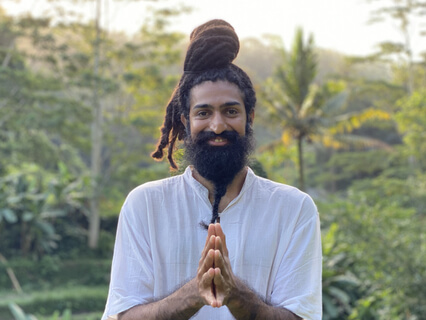
COURSE
Ayurveda: The Science Of Self-Healing
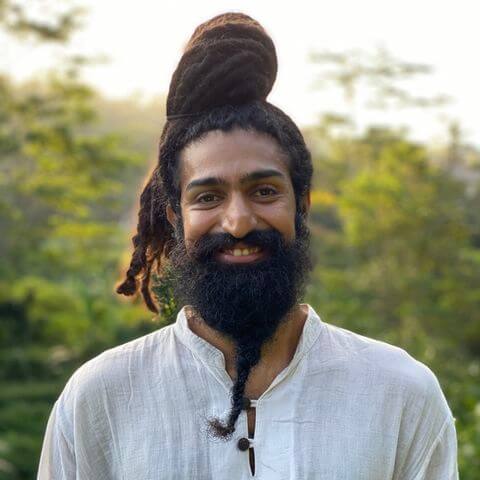
With Rohil Jethmalani
Ayurveda is an ancient healing modality from India that traces its origins to the Indus valley civilization approximately 6000 years ago. As a system of medicine, Ayurveda’s perspective on health is holistic. It considers our physical, mental, emotional, and spiritual well-being to be interconnected. This means that for us to heal, we must do so simultaneously in all these dimensions of the self. While Ayurveda is considered a system of medicine, it is first and foremost a lifestyle. The worldview it carries is that good health is the outcome of a good lifestyle. Medicine is at best a supporting pillar to a good lifestyle. An unhealthy lifestyle uses medicine as a crutch. Building a good lifestyle requires an understanding of circadian rhythms, what our unique bodies can digest easily, what kind of exercise routine fits our constitution, and so on. Through this course, I wish to present to you the Ayurvedic lifestyle in an easily accessible and straightforward manner. You will understand the basic tenets well enough to be able to craft your own process toward better health. My goal is to empower you to be less dependent on others or the healthcare system for your well-being and longevity.
Meet your Teacher
read more
21 Days
7.9k students
4.9 stars
12 min / day
Health & Happiness
English
Ask your teacher
This course includes 127 community questions and 62 audio replies from Rohil Jethmalani. The community classroom and teacher audio replies are only available via the app.
4.9 (213)
Recent Reviews
Dina

September 14, 2026
Thank you 🙏 Educational, inspirational and feels very thorough for this kind of platform, whilst still approachable. A great mix of timeless knowledge with adaptations to challenges we face nowadays. I will go back again, taking more careful notes next time.
Lydia
July 24, 2026
Excellent
Grace
May 14, 2026
This was an absolutely amazing introduction to Ayruverda❣️💚 I found Rohil’s teaching style to be thorough & very informative, without being overly complex, thus allowing beginners or those advanced students of Ayurveda to gain useful insights. Thank you so very much for sharing your wisdom & experience with us🙏🏽 May you always Be Blessed 🌈💜🌈 Grace🌻
Alishia
April 15, 2026
This course was very informative. I learned a lot. Thank you 🙏🏾
Britta
April 1, 2026
Beautifully narrated, hugely informative, with the ancient science & contemporary scientific evidence well blended. I recommend this course to anyone who is motivated to improve their quality of life
Heather
January 10, 2026
This course was beautiful and deeply informative! ❤️💕 I’ve been on a gentle learning journey with Ayurveda, and much of the mainstream content focuses narrowly on doshas and “right vs. wrong” foods. This training went far beyond that. Rohil shares those foundations, then expands into a much richer, more human view of Ayurveda. The content is both broad and deep—covering our relationship with the planet, fad diets, sex drive, fasting, cleanses and even how to adjust caffeine intake based on personal goals and ambition. I walked away with practical insights I could apply immediately. Just as importantly, the guidance was clear without ever feeling rigid or dogmatic. Nothing felt black-and-white. That balance made the course feel thoughtful, empowering, and truly generous. I would love to go even deeper and I’d encourage this wonderful teacher to keep teaching!!!!
Michelle
November 14, 2025
I am grateful to have found this course. I often wondered how to find healing versus treatment, and this course has given me hope that this is possible. I am encouraged to take a deeper dive in Ayurveda for long term lifestyle and health benefits. Thank you and Namaste 🙏🏽
Jeff
October 28, 2025
My wife and I are just learning about Ayurveda and this course provides a wealth of information and practical guidance for us. This was an excellent course and Rohil did an amazing job developing and teaching the lessons. We will return to these lessons often as we continue our journey. Thank you!
Samantha
September 11, 2025
Thank you! This course was very informative and I was quite surprised to realize that I already practice quite a bit of this lifestyle. Taking ownership of your own life and health needs to be promoted more rather than all the quick fixes that are constantly in advertisements.
Kestra
July 11, 2025
I so appreciate this course. It is comprehensive, science based, and full of ancient knowledge. Thank you for this course!
Sheila
June 21, 2025
Clear pacing. Great overview. I learned quite a bit.
Anja
May 16, 2025
Thank you so very much for sharing this very high quality information in such an accessible manner. I am very grateful! I intend to listen to the whole course again. This is fascinating and I also loved the balance, the wisdom and insight conveyed.
Angie
May 14, 2025
This was so wonderful, thank you!
Mary
May 5, 2025
Fantastic course! You provided great content. I am grateful for you!
~love
May 3, 2025
Rohil is generously sharing and knowledgeable The course offers many insights and will broaden your Ayurvedic Innerstanding!
Malin
April 14, 2025
Amazing course, thank you so much for sharing your knowledge 🙏
Barbara
March 28, 2025
I really enjoyed this course. I certainly hope you will delve into more specifics in other courses or talk
Aurora
March 24, 2025
Thank you for this interesting and informative offering. I'm thinking more about my dosha and Ayurvedic practices. I'm identifying and practicing ways to bring what I've learned into practice.
Rachana
March 14, 2025
What an illuminating course! Thank you so much Rohil for giving an overall view of Ayurveda in such an easy to understand manner. Being a microbiome scientist, I particularly enjoyed the way you incorporated the findings about gut bacteria into the knowledge that already exists in Ayurveda. I find myself eager to apply the lifestyle principles suggested in this course. I also see that it is just the beginning, understanding the basics. I think I need to listen to this course a few more times to fully appreciate what it can do to our health. But as Rohil mentions, this is a great start to bringing the agency of own health back to ourselves. Personally, I was always under the impression that I was a pitta body type, but only after listening to this course and taking some dosha quizzes, I realised I could be vata-pitta body type. This revelation explains so many other aspects I couldn’t fit in before. I’m very excited to be on this self-discovery journey and I’m thankful to Rohil for helping me on it. Last but not the least, it was truly a pleasure listening to Rohil’s soothing and gentle voice! Will be coming back to this from time to time!
Bernadette
March 4, 2025
Amazing. So much information that I will use in my everyday life. Loved it! Thank you kindly Nameste 🙏✨
More from Rohil Jethmalani

Trusted by 37 million people. It's free.

Get the app


