
The world’s largest free audio library for everyday wellbeing
Real people. Real life. Real time.
Retreat categories
All RetreatsYoga RetreatsWellness RetreatsMeditation RetreatsYoga Teacher TrainingWomen's RetreatsYoga Retreats in BaliYoga Retreats in United KingdomYoga Retreats in AustraliaYoga Retreats in ItalyFind Your Perfect Retreat
Discover transformative Retreats led by Insight Timer's best teachers.Reconnect, recharge, and return renewed.
The world’s largest free audio library for everyday wellbeing
Blog categories
Mental Health and WellbeingTips and GuidesScience and ResearchTraditionSpiritualityAt WorkTop Articles
How to Meditate
Meditation is something everyone can do. Practicing can help improve your health and wellbeing.
Explore MeditationMeditation Timer
Free meditation timer with customizable intervals, bells, and ambient sounds.
Meditation Timer Online
COURSE
8 Essential Life Skills
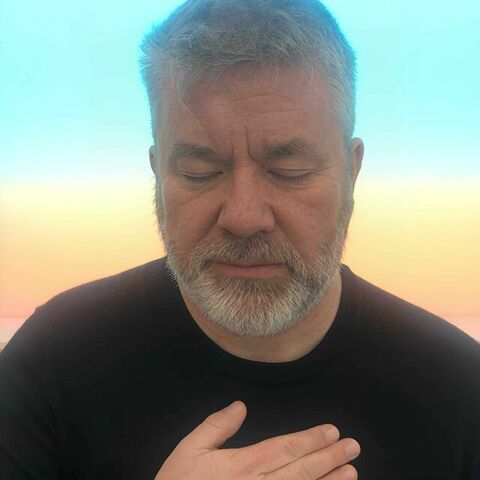
With Andrew Johnson
Welcome to this 27 day course: 8 Essential Life Skills. Andrew Johnson developed the 8 Essential Life Lessons over the span of 20 years. This course brings together and teaches the foundational skills of meditation and relaxation, offering you everything you need to actively create a fulfilling and successful life. This course lays down the foundation for all “eyes closed” work, using daily repetition to build ongoing, positive habits. These lessons require no previous meditation experience, simply a willingness to commit to your own personal journey. Join Andrew in lessons that will add confidence, positivity, deep sleep, resilience, relaxation, energy, and clarity into your everyday.
Meet your Teacher
read more
27 Days
27.8k students
4.9 stars
14 min / day
Performance
English
4.9 (1027)
Recent Reviews
Richard

September 5, 2026
Really enjoyed this series. It is well structured. Andrew inspires confidence with relaxed calm authority.
Dechen
September 2, 2026
Thank you. This course has been very helpful.
Miche
August 6, 2026
Wonderfully powerful course. Thank you 💗
ilona
August 3, 2026
This course is so well designed! Each technique is clearly explained, then rehearsed, then built upon. One technique follows another, each referring back to skills already introduced in practice. Andrew's voice is a lovely sound, just the right volume, well modulated, calming, grounding. Some techniques were familiar to me; I still enjoyed how they were presented. Other techniques were new, and I look forward to incorporating them into my spiritual practice. I wouldn't hesitate to recommend this course to anyone, relaxation/meditation experts and newbies alike.
Vibha
July 19, 2026
A beautiful course with skills being layered day by day. Thank you Andrew!
Chuck
July 13, 2026
These lessons covered a lot of ground and are are very good. The lessons on breathing and affirmations are are my favorites.
Scott
June 11, 2026
This is the first time I have had this information presented in a paced manner so that it can sink in. Andrew you are so wise to separate this into several mini lessons in order to achieve mastery. I'm used to hearing all this as quick tips, or everybody wanting to get home after the long group meditation so they can eat dinner. LOL
Cyndi
April 25, 2026
I enjoyed this course and will go back to it often. Thank you!
Cheryl
January 29, 2026
Valuable personal tools very helpful for me. Calm gentle style .
Norm
January 10, 2026
What a wonderful foundation for building these life skills. Thank you Andrew .
Maisie
December 18, 2025
Andrew thank you for this comprehensive course. Every day has been a blessing to me, with tools to be more aligned with the flow of my life. Each lesson has brought me to a calm, peaceful place within myself. With much gratitude 💚
Riad
November 22, 2025
Awesome course, the words you use are simple, always well thought of, nothing to add, nothing to remove, just hits the spot, many thanks!
Robert
November 13, 2025
A fantastic course. It's like greatest hits record from an artist you like but mixed in with some deep cuts.
Jennifer
October 25, 2025
Loved it a 2nd time around! 🙏🏻
Hugette
October 12, 2025
A beautiful step by step course. For beginners and for advance skilled people. You learn some thing new or refresh your skills
Anna
September 16, 2025
Truly amazing and life changing course! Highly recommend. I am so greateful I found it.
Jutta
September 16, 2025
This was a very good path in my way to emotional wellbeing and taught the skills I really needed. Thank you so much ❤️❤️❤️
Kristina
September 7, 2025
My heartfelt thanks to you Andrew. I’ve just finished this course and loved 🥰 it so much that I’m going to do it all over again. I found it really helpful, not only were all of these resources/practises supportive in calming my nervous system but I also found each session enjoyable to do as a daily morning practise and that I could repeat as needed throughout my day. Your voice and energetic presence resonates with gentleness, calm, containment, grounding, en-couragement and support. All the things I really need right now. Thank you so much for sharing your invaluable gifts, I honestly feel very blessed to have found you / your offerings. In gratitude, Kristina 🙏🦋
Mike
August 20, 2025
Excellent course. Really helped with relaxation and deep breathing.
Christina
August 20, 2025
This was an amazing course. Andrew’s voice and energy were exactly what I needed. I recommend this to anyone looking to build their toolbox.
More from Andrew Johnson

Trusted by 36 million people. It's free.

Get the app


