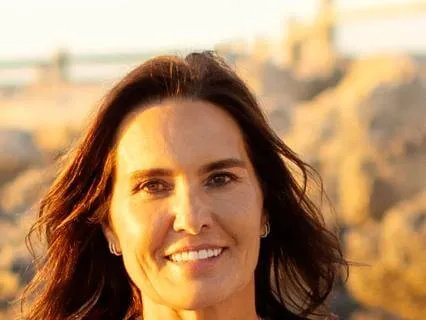
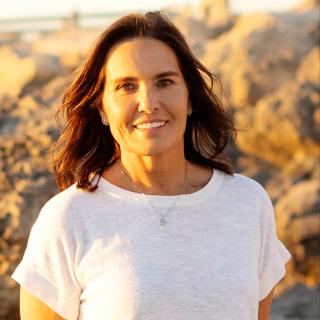
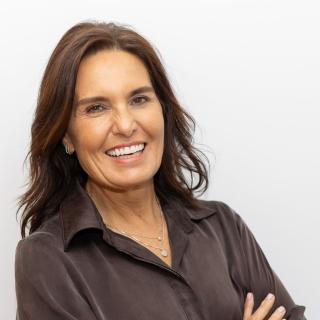
What if aging well was less about lack and more about what you know and more importantly what you do?
I'm Dr.
Linda Friedland,
And this is the Longevity Blueprint.
What supplements should I be taking?
It's probably one of the most common questions I've been asked throughout my medical career.
And I do understand why.
Walk into a pharmacy or even the supermarket or spend five minutes on social media and you'll be told you need another pill,
Powder or potion to age well.
It's confusing.
So here's my answer.
There are very many different opinions.
Supplements can be helpful,
But they are exactly what the name suggests.
They supplement a healthy lifestyle.
They don't replace it.
The foundations of healthy aging will always be the same.
Eat nourishing foods.
Move your body.
Do enough exercise.
Do something every day.
Build muscle.
Sleep well.
Manage stress.
Try and stay connected to other people.
No supplement can compensate for missing these foundations.
But that doesn't mean that supplements don't have a role.
As we get older,
Our nutritional needs change.
Some nutrients become harder to absorb,
Deficiencies become more common,
And certain supplements may genuinely support healthy aging.
One important message I always share is this.
Natural does not automatically mean safe.
Supplements can interact with medications,
Vary in quality,
And taking more is definitely not always better.
So before filling your shopping basket,
Ask yourself and ask your doctor,
Why am I taking this?
Is this correcting a deficiency?
Is there good evidence behind it?
And does it have a clear purpose?
If not,
You may not need it.
So which supplements come up most often in conversations about longevity?
This is not an exhaustive list.
I'm just highlighting a few.
Vitamin D is one particularly important,
Not only for bone and muscle health,
But it is an immune modulator.
Even if you are in a sunny country.
Omega-3 fatty acids are another one.
If you don't regularly eat oily fish,
They may help support heart and brain health.
Magnesium can be useful for people,
Particularly if your dietary intake is low.
Well,
That's certainly not a cure-all.
A good multivitamin every day,
Including the B-group vitamins.
And then there's creatine.
For years,
It was associated almost exclusively with bodybuilders.
Today,
We know much more.
Creatine is one of the most researched supplements available and has been shown to support your muscle performance.
Emerging research also suggests it may have benefits for brain health,
Particularly as we age.
It's not something everyone needs.
But it's certainly one worth discussing with your healthcare professional.
Especially if maintaining muscle is one of your goals.
And so it should be.
Ultimately,
There is no universal supplement list.
The right choice depends on your age,
Your diet,
Your medical history,
Your medications,
And sometimes with the help of your healthcare provider,
Your blood tests.
That's why I much prefer a very personalized approach than following the latest trend on social media.
The supplement industry is built on the hope of finding a shortcut to healthy aging,
But there isn't one.
Supplements are tools,
Sometimes very valuable tools,
But they work best when they're supporting an already healthy lifestyle.
So perhaps the better question isn't what supplements should I take?
It's what does my body actually need?
Because healthy aging isn't necessarily always about taking more.
It's about choosing wisely.
This is the Longevity Blueprint with Dr.
Linda Friedland.
Until next time,
Age boldly and live well.