What if aging well was less about luck and more about what you know,
And more importantly,
What you do?
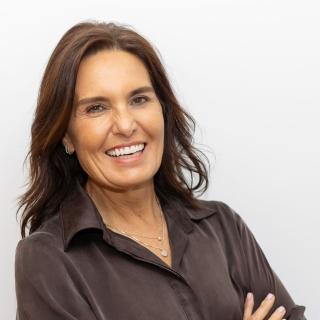
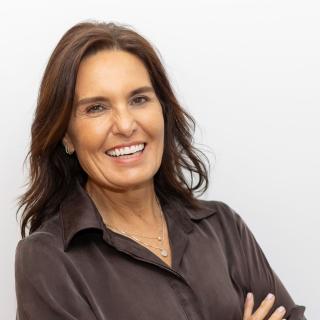
I'm Dr.
Linda Friedland,
And this is the Longevity Blueprint.
I've never been someone who naturally gravitates towards high-protein eating.
Give me a slice of warm sourdough bread with some cheese,
Beautiful salad with olive oil,
A bowl of soup.
Or a spoonful of peanut butter and some grainy toast.
These are the foods are naturally reachable.
I've been vegetarian for more than four decades.
And although I've always tried to eat well,
Protein was never something I paid much attention to.
Until things changed and the evidence-based science highlighted its central importance in muscle loss,
Particularly in aging.
As we age,
We begin to lose muscle.
It starts in the 40s,
Becomes more rapid in 50s,
60s and 70s.
And this is called sarcopenia.
The more I have read and learnt,
The clearer one message became.
Protein isn't just about building muscle.
It's about maintaining strength and function that helps us stay active and particularly independent as we age.
And that becomes especially important after 50,
60,
But even more so 70 and 80.
Protein has become one of the biggest health trends.
It is good that protein is highlighted.
The negative part is it's become the new health obsession.
Walk through any supermarket and you'll see protein bars,
Protein cereals,
Protein drinks,
Protein snacks,
Protein biscuits and protein chocolates,
Many of them highly processed and containing questionable ingredients.
But behind the marketing is an important biological truth.
Protein,
Real protein,
Provides the building blocks for our muscles,
Our organs,
Hormones,
Enzymes.
And our immune system.
As we age,
However,
Something changes.
Our muscles become less responsive to the protein we eat.
Scientists call this anabolic resistance.
In simple terms,
The amount of protein that was enough in our 30s may no longer be enough in our 50s and 60s.
That is one of the reasons we gradually lose muscles as we age.
Not simply because we're getting older,
But because our muscles need a stronger signal.
In order to maintain themselves.
So the question I'm frequently asked is how much protein do we need?
And the answer obviously depends on the individual and how active you are.
Whether you have any illnesses,
But many experts now recommend that healthy adults over 50 aim for around 1 to 1.
2 grams at least of protein per kilogram of body weight each day.
70 kilogram individual,
70 to 80 grams of protein a day.
Some aim for 100.
Just as important is try not to eat it all at dinner.
Our muscles seem to respond better when we spread protein across our meals.
Another fascinating piece of the puzzle is there are many amino acids,
The essential amino acids that we need,
But there's one in particular called leucine.
Think of leucine as the spark that helps switch on muscle repair.
It's the signal.
Foods that are high in leucine are Greek yogurt,
Cottage cheese,
Dairy,
Soy,
Eggs,
Fish,
And some lean meats.
One of the biggest surprises for me was realizing that a meal can look incredibly healthy and still be quite low in protein.
A salad with just a sprinkling of chicken or salmon on top,
A bowl of soup,
These are wonderful foods,
But often not enough protein on their own.
The answer isn't to obsess over every gram.
It's simply to become more intentional.
Add some Greek yogurt.
Include some eggs or cottage cheese into your baking and cooking.
Choose tofu or add some legumes to that soup.
Small changes can make a surprisingly big difference over a period of time.
The conversation around aging is changing.
It's no longer only about preventing disease.
It's about maintaining the capacity to live well and maximizing and optimizing functionality,
The resilience to recover from illness or from disease.
Excessive exercise,
The strength to keep doing the things we love,
The energy to keep traveling.
Protein isn't a magic solution.
But it is one of the foundations of healthy ageing.
This is the Longevity Blueprint with Dr.
Linda Friedland.
Until next time,
Age boldly and live well.