
The world’s largest free audio library for everyday wellbeing
Real people. Real life. Real time.
Retreat categories
All RetreatsYoga RetreatsWellness RetreatsMeditation RetreatsYoga Teacher TrainingWomen's RetreatsYoga Retreats in BaliYoga Retreats in United KingdomYoga Retreats in AustraliaYoga Retreats in ItalyFind Your Perfect Retreat
Discover transformative Retreats led by Insight Timer's best teachers.Reconnect, recharge, and return renewed.
The world’s largest free audio library for everyday wellbeing
Blog categories
Mental Health and WellbeingTips and GuidesScience and ResearchTraditionSpiritualityAt WorkTop Articles
How to Meditate
Meditation is something everyone can do. Practicing can help improve your health and wellbeing.
Explore MeditationMeditation Timer
Free meditation timer with customizable intervals, bells, and ambient sounds.
Meditation Timer Online
COURSE
Mastering Procrastination: A Journey To Intentional Living
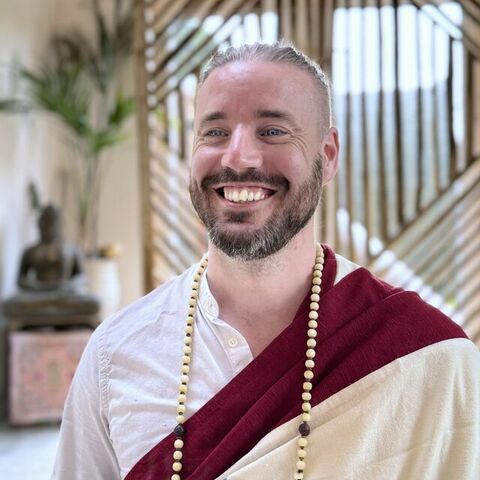
With Martijn Schirp
Mastering Procrastination: A Journey to Intentional Living is a comprehensive 4-hour audio course. It contains 7 theoretical lessons and 7 applied guided practices designed to help you break free from the cycle of procrastination and cultivate a more purposeful, productive life. This transformative journey goes beyond simple time-management techniques, delving deep into the psychological and emotional roots of procrastination. Throughout this course: —You'll gain a profound understanding of procrastination's true nature and its impact on your life —Learn to identify and regulate the emotions that drive procrastination —Develop practical strategies to overcome task aversion and "just get started" —Master the art of implementation intentions to bridge the gap between goals and actions —Cultivate self-compassion and resilience in the face of setbacks —Explore the interplay between personality, environment, and procrastination tendencies —Create a personalized, sustainable plan for long-term change Each lesson combines theoretical insights with practical exercises, guided meditations, and actionable steps. By the end of this course, you'll have a robust toolkit for emotional regulation, a deeper understanding of your motivations, and the ability to align your actions with your intentions. Whether you're struggling with work deadlines, personal projects, or life goals, this course will empower you to take control of your time and energy. —Become better at making clear, intentional choices —Develop the ability to resist immediate temptations for long-term benefits —Increase your capacity to persist in the face of challenges or setbacks —Nurture your internal drive to pursue goals —Improve your ability to maintain commitment to your chosen actions over time —Understand your desires, impulses and triggers, and thought patterns better —Be more present and intentional in your moment-to-moment choices Thank you for your time and commitment. I appreciate any thoughtful donation, offered within your means, to help sustain this work of service, deepening practice, and continued learning.
Meet your Teacher
read more
14 Days
368 students
5.0 stars
17 min / day
Anxiety
English
5.0 (21)
Recent Reviews
Dhow

February 11, 2026
This course was so helpful. I found that these insights have finally made a crack in my deep-seated habit of procrastination. So far I've listened to it twice and intend to re-listen to it immediately. I strongly recommend this course to anyone who is frustrated with their own avoidance of things that need doing.
Laura
December 20, 2025
Great course! I learned a lot about my emotions around procrastination and techniques to work through them. I also learned to forgive myself while still pushing through. Thank you for this course! It has already helped me get started on intimidating tasks. Laura
Priya
December 2, 2025
Well paced
Carol
October 14, 2025
This course was so helpful and encouraging made me realize there are a lot of things about myself. I want to change and to recognizing how to change is possible.
Philippa
January 18, 2025
This is such an important course for me and has really helped me understand the why of procrastination, what lies behind. I really found the implementation interventions very helpful. Thank you so very much for offering this course. Namaste 🪷🙏
Mel
January 1, 2025
This course is excellent and i highly recommend it. I hadn't realised how much my issues were connected to procrastination prior to the course, particularly putting off being with unpleasant feelings. It has a wealth of content and I got a lot of insights from it and have been able to start on tasks which I'd been putting off for some time. Thank you 🙏
Hans
November 5, 2024
Just simply amazing. Thank you so much Martijn for sharing your wisdom! 🙏💚🪷☀️
More from Martijn Schirp
Trusted by 37 million people. It's free.

Get the app


