
The world’s largest free audio library for everyday wellbeing
Real people. Real life. Real time.
Retreat categories
All RetreatsYoga RetreatsWellness RetreatsMeditation RetreatsYoga Teacher TrainingWomen's RetreatsYoga Retreats in BaliYoga Retreats in United KingdomYoga Retreats in AustraliaYoga Retreats in ItalyFind Your Perfect Retreat
Discover transformative Retreats led by Insight Timer's best teachers.Reconnect, recharge, and return renewed.
The world’s largest free audio library for everyday wellbeing
Blog categories
Mental Health and WellbeingTips and GuidesScience and ResearchTraditionSpiritualityAt WorkTop Articles
How to Meditate
Meditation is something everyone can do. Practicing can help improve your health and wellbeing.
Explore MeditationMeditation Timer
Free meditation timer with customizable intervals, bells, and ambient sounds.
Meditation Timer Online
COURSE
Journey To The Breath
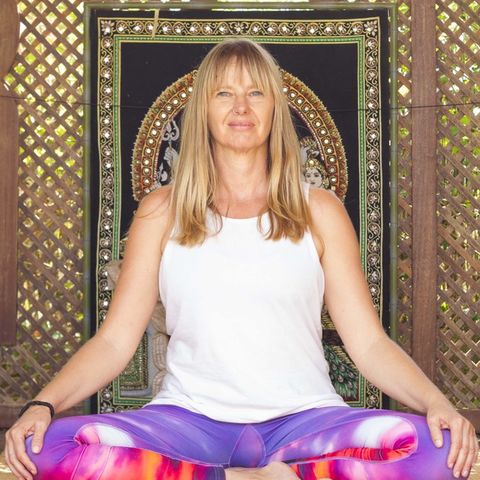
With Wendy Buttery
This course will gently lead you through some of the different pranayama practices as taught from a yoga perspective. Each day we will practice a different breath and then on the final day we will put these all together to form a sequence of around 15-20 minutes that you can use daily. Pranayama means: Prana = lifeforce Yama = control. By controling our breath we can bring extra energy and clarity to our lives.
Meet your Teacher
read more
5 Days
1.6k students
4.9 stars
17 min / day
Happiness
English
4.9 (34)
Recent Reviews
Stephanie

August 29, 2026
Course provided intermediate level practice that stretched me the right amount, encouraging me to include pranayama in daily meditation.
Jackie
October 22, 2025
Thank you for having the patience to walk me through these breaths.
Michelle
July 5, 2024
Thank you! I loved how you teach the different pranayama’s and then combine them at the end. I’m somewhat new to breath work and I love how I feel when I practice pranayama. This course has been very helpful and your instructions are really clear.
Merv
October 6, 2023
Thank for a very good course, I really liked the 5th lesson, and hope so much to apply it daily. Thank you
Shari
September 25, 2023
Wonderful class. Thank you🙏🏼
Margarita
August 27, 2023
Just what I needed. Thank you for your clarity. Much inspired.
Bharath
August 14, 2023
This is great
Veronica
July 10, 2023
Excellent course , thank you
Linda
April 1, 2023
Very useful overview of breathing techniques. My breathing feels deeper, more complete, and more clear. I intend to make this part of my daily practice. Thank you.
Amy
March 29, 2023
I really enjoyed this course. It was a nice overview of some breathwork techniques and I loved how they were all put together for the final day! Thank you so much 🙏
William
March 29, 2023
Thank you

Trusted by 37 million people. It's free.

Get the app


