
The world’s largest free audio library for everyday wellbeing
Real people. Real life. Real time.
Retreat categories
All RetreatsYoga RetreatsWellness RetreatsMeditation RetreatsYoga Teacher TrainingWomen's RetreatsYoga Retreats in BaliYoga Retreats in United KingdomYoga Retreats in AustraliaYoga Retreats in ItalyFind Your Perfect Retreat
Discover transformative Retreats led by Insight Timer's best teachers.Reconnect, recharge, and return renewed.
The world’s largest free audio library for everyday wellbeing
Blog categories
Mental Health and WellbeingTips and GuidesScience and ResearchTraditionSpiritualityAt WorkTop Articles
How to Meditate
Meditation is something everyone can do. Practicing can help improve your health and wellbeing.
Explore MeditationMeditation Timer
Free meditation timer with customizable intervals, bells, and ambient sounds.
Meditation Timer Online
COURSE
Inviting Safety into Your Life
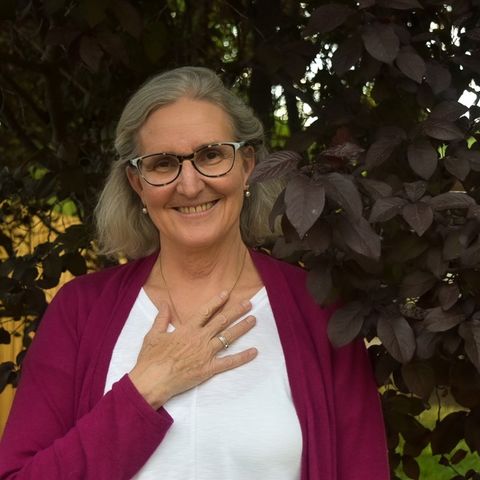
With Bhanu Joy Harrison
In this four (4) day course, we will explore specific mindfulness skills to build and grow our sense of safety. We live in an ever-changing and unpredictable world right now, which can keep us overly hypervigilant. Each day of this course I will offer information about safety and our nervous system and guide you through a specific somatic, trauma-informed skill designed to enhance your sense of well-being and regulation in your body, mind, and heart. Learn how we can untangle the past from our present-moment experiences and rewire our nervous system to notice and savor more goodness in our lives.
Meet your Teacher
read more
4 Days
4.1k students
4.9 stars
14 min / day
Grounded
English
Ask your teacher
This course includes 45 community questions and 25 audio replies from Bhanu Joy Harrison. The community classroom and teacher audio replies are only available via the app.
4.9 (226)
Recent Reviews
Sarah

September 21, 2026
Thank you Bhanu Joy for such a practical, useful and informative course to help foster inner safety. I will be using the practices I’ve learned here daily 🙏
Frances
July 1, 2026
This is a lovely course and beautiful practices. Thank you so much for sharing them. 🙏
Lachlan
June 18, 2026
Very, very helpful course! I’ve got some fantastic new resources for my practice ❤️🔥
Juliana
December 14, 2025
Great as always Bhanu!! Thank you very much!!
Mary-Lou
November 18, 2025
Excellent practices to help be be more aware of my body and how it responds
Karine
September 20, 2025
✨🙏💖
Daphne
September 15, 2025
Thank you Bhanu! I plan to keep listening to this since challenging to find a memory of safety. Creating new ones!
Ali
July 14, 2025
Thanks so much for this course. I have some knowledge of techniques to feel safe but your course has helped me to understand and to practice them with your guidance. Your voice is very soothing and each lesson really explains what to do and helped me to recognise what happens in my body when I do them. I will go over this course many times as I find it so helpful.
Annemiek
July 11, 2025
Always love your tracks and courses 🥰 Thank you
Stephanie
May 19, 2025
Truly life changing, thank you! Nameste. ❤️🌈🙏
Faye
May 6, 2025
Thank you for this course. I found it relaxing and interesting, sadly I struggled to connect as I would of liked, perhaps I need to come and try again at some point. 🧡
Jen
March 10, 2025
Great intro course for building a sense of safety inside. Thank you 🌸🌼🌸🌼🌸🌼🌸🌼🌸🌼
Jill
February 26, 2025
Nice! 😊
Tamra
February 23, 2025
Essential life skills presented beautifully with gentle caring guidance.
Sally
January 18, 2025
Thank you 🙏🏻. A really useful course.
Joyce
December 16, 2024
Helpful and important skills for big and little stresses, thank you.
Cate
November 14, 2024
Thank you! 🤍
Anna
November 8, 2024
Feeling very safe whilst getting to know more about safety and how to experience it in the body. A beautiful and important course I would recommend to anyone. Thank you so much Bhanu for your loving support and guidance 💕🌱
Anne
September 2, 2024
Thank you - I plan to keep practicing the tools you have so kindly shared with us all
Rosi
August 29, 2024
Thank you, Bhanu, for this wonderful opportunity to invite safety in our lives. Your precious expertise is so valuable and appreciated! Much gratitude 🙏
More from Bhanu Joy Harrison

Trusted by 37 million people. It's free.

Get the app


