The world’s largest free audio library for everyday wellbeing
Visualization & Imagery
Vajrasattva Purification is a Tibetan Buddhist visualization meditation that uses imagery of purifying nectar and a four-part structure of remorse and resolve to work with regret and moral renewal.
Last Updated
4 Jul 2026
We are still reviewing this page. Our research team checks every technique page for accuracy and evidence quality before final release. Details may change as that review completes. The evidence badge shows our current reading of the published research.
RECOMMENDED DOSE
No direct dose-response literature exists for this technique. This is a conservative introductory range based on general practice conventions for mantra and visualization meditation, designed to build a sustainable habit. No direct dose evidence; editorial synthesis.
No direct dose-response literature exists for this technique. This step up reflects typical established meditation practice conventions once a routine is comfortable. No direct dose evidence; editorial synthesis.
No direct dose-response literature exists for this technique. This maintenance level reflects common conventions for committed contemplative practice and traditional daily recitation formats. No direct dose evidence; editorial synthesis.
Session length
Session length: 10–15 minutes
10
MIN
How long each individual practice session should last from start to finish.
Frequency
Frequency: 3–4 days
3
DAYS
The number of days per week to fit a session into your routine.
Session length
Session length: 20–30 minutes
20
MIN
How long each individual practice session should last from start to finish.
Frequency
Frequency: 5–6 days
5
DAYS
The number of days per week to fit a session into your routine.
Session length
Session length: 30–45 minutes
30
MIN
How long each individual practice session should last from start to finish.
Frequency
Frequency: 7 days
7
DAYS
The number of days per week to fit a session into your routine.
About this card. No direct dose-response literature exists for Vajrasattva Purification; the available references do not address this technique, so all guidance here is editorial synthesis based on general meditation practice conventions and should be treated as starting points only. These recommendations are not a substitute for personalised guidance from a qualified practitioner.
Quick answers to what people most often ask. Each card links to the deeper section below.
evidence
No controlled trials have tested Vajrasattva Purification on any outcome, so no benefits are confirmed for this specific practice. The support that exists is indirect, drawn from Tibetan Buddhist tradition and psychology research on self-forgiveness and confession, plus broader studies of visualization and focused-attention meditation examining similar mental processes rather than this protocol.
Read moregood for
Vajrasattva Purification may suit people drawn to the Tibetan Buddhist tradition and anyone wanting a structured way to work with regret, guilt, or the wish to make amends. No population has been formally studied, and it is not a substitute for care for anxiety, mood, sleep, or trauma.
Read moresafety
Most healthy adults find Vajrasattva Purification low-risk, though it deliberately raises remorse, so guilt, shame, tears, or restlessness can surface, usually mild and settling into lightness. People with trauma, active addiction, acute depression, or complicated grief should ease in gradually alongside a teacher or therapist. No safety data exist for this specific practice.
Read morehow it works
Vajrasattva Purification works by holding a detailed image while reciting a mantra, a demanding dual task that anchors a wandering, worried mind. Deliberately generating remorse and then imagining it washed away may support decentering, watching guilt as a passing state, and affective release, letting a difficult emotion move through rather than stay suppressed. These mechanisms are plausible, not measured.
Read moreVajrasattva Purification is a Tibetan Buddhist visualization meditation that uses imagery of purifying nectar and a four-part structure of remorse and resolve to work with regret and moral renewal.
The practice moves through the Four Opponent Powers in sequence. First is the power of support: visualizing the white figure of Vajrasattva seated above the crown. Second is the power of remorse: genuinely regretting past harm. Third is the power of the antidote: reciting the 100-syllable mantra while imagining luminous nectar flowing down and flushing negativities out as black smoke and liquid. Fourth is the power of resolve: committing to refrain from future harm. It pairs sustained imagery with mantra recitation and is often repeated toward 100,000 times as a ngondro preliminary, though it is also practiced on its own.
Vajrasattva Purification is not a purely visual exercise. Its emotional core, genuine remorse and heartfelt aspiration, is central and sets it apart from image-only practices. It is not secular by origin, though a secular self-forgiveness or confession reframe can share the same underlying processes. And it is not purification in a physical or detox sense: here the cleansing is symbolic, working with regret and moral renewal rather than with the body.
Not to be confused with
Sacramental confession
Despite the alias Confession Meditation, this is not the sacramental confession of a priest or clergy. It is a solo visualization in which remorse is expressed inwardly through imagery and mantra, with no absolution granted by another person and no institutional rite involved.
Guided relaxation and imagery
This is not a calming guided-imagery exercise aimed at relaxation. Vajrasattva deliberately generates emotional contact with past harm and can raise arousal before it settles, whereas relaxation imagery aims to lower arousal from the outset.
Cathartic or abreaction therapy
The affective-release element is not clinical catharsis or abreaction therapy. It is a structured devotional practice framed by the Four Opponent Powers, not a therapeutic technique designed to relive and discharge traumatic memory under a clinician's guidance.
Other ngondro preliminary practices
Vajrasattva is one of the four ngondro preliminaries, not the whole set. Prostrations, mandala offering, and guru yoga are the companion preliminaries; Vajrasattva is the specific purification practice within that foundational sequence.
Vajrasattva Purification is thought to work first by giving attention a demanding dual task: holding a detailed image while reciting a mantra. That double load anchors focus the way any absorbing activity quiets a wandering, worried mind. Alongside this, the practice deliberately generates remorse and then imagines it washed away. That move may support decentering, which is the shift from being caught inside guilt to watching it as a passing state, and affective release, letting a difficult emotion rise and move through rather than stay suppressed. These processes come from research on visualization and focused-attention meditation broadly, not from studies of this practice specifically, so they describe a plausible route rather than a measured one.
What happens in the body during Vajrasattva Purification has not been measured for this practice, so any account stays at the level of the reported rather than the recorded. Because the remorse stage deliberately brings up hard feelings, arousal may briefly rise, which can feel like a tighter throat, welling tears, or restlessness, before the purification imagery and the resolve allow it to settle into something quieter and lighter. This rise-then-settle pattern is inferred from how emotionally engaging meditation tends to work in general, not from readings taken during this technique.
Emerging is the honest evidence label here, because no controlled trial has tested Vajrasattva Purification on any outcome, and there are no confirmed benefits to report for this specific practice. What can be offered is a rationale rather than a result: its lineage as a foundational Tibetan Buddhist practice, and adjacent psychology research on self-forgiveness and confession, suggest that structured remorse and moral renewal can ease guilt and shame, and its proposed mechanisms are shared with visualization and focused-attention meditations that have been studied more directly. What is not supported is any claim of a demonstrated effect on anxiety, mood, sleep, or trauma, any effect size, or any evidence that this practice substitutes for treatment of a diagnosed condition.
Direct research on Vajrasattva Purification is essentially absent: no controlled trial has tested this specific practice on any clinical or cognitive outcome. The support that exists is indirect, drawn from the Tibetan Buddhist tradition it belongs to and from psychology research on self-forgiveness and confession, alongside broader studies of visualization and focused-attention meditation that examine similar mental processes rather than this protocol. For someone practicing, the relief or lightness that can follow genuine remorse is credible and consistent with related practices, but it has not been measured here, and effect sizes, populations, and comparators all remain unknown.
2
Meta-analyses
1
RCTs
0
Systematic reviews
0
Observational
47
Pilot
There are no trials of this practice, so expectations should be set by adjacent research whose methods and participant groups vary. Treat any account as general guidance rather than a promise about a single session, and not as a replacement for clinical care.
Purification and identification of novel antioxidant peptides from watermelon seed protein hydrolysates and their cytoprotective effects on H2O2-induced oxidative stress.
2020
Finding: This is a laboratory study of antioxidant compounds drawn from watermelon seed protein and how they protected liver cells from chemical stress in a dish, so it does not examine Vajrasattva Purification or any meditation practice in people. Nothing in it speaks to what this technique does for a practitioner, and no claims about the practice can be drawn from it. If you are considering this practice, treat this reference as unrelated evidence rather than support for any specific benefit.
See full citation in referencesEngineering Antioxidative Cascade Metal-Phenolic Nanozymes for Alleviating Oxidative Stress during Extracorporeal Blood Purification.
2022
Finding: This study is a laboratory investigation of a metal-and-plant-compound material designed to filter oxidative byproducts from blood during dialysis-style treatments for kidney disease, and it does not examine Vajrasattva Purification or any meditation practice. Because it looks at an engineered medical filter rather than a contemplative technique, it offers no findings about what this practice does for a person who takes it up. Nothing here should be read as evidence for or against the meditation itself.
See full citation in referencesAir Pollution, Stress, and Allostatic Load: Linking Systemic and Central Nervous System Impacts
Vajrasattva Purification comes from the Tibetan Vajrayana Buddhist tradition, where it is one of the ngondro, the foundational preliminary practices, and is often repeated toward 100,000 times as spiritual groundwork. It is built on the Four Opponent Powers: taking support in the visualized figure of Vajrasattva, feeling genuine remorse, applying the antidote of mantra and purifying nectar, and resolving to refrain from future harm. These roots help explain the practice's form, its staged sequence and its pairing of imagery with heartfelt confession, rather than proving any clinical effect.
For most healthy adults, Vajrasattva Purification is a low-risk practice. Because it deliberately brings up remorse and honest contact with actions you regret, strong feelings such as guilt, shame, or grief can surface during or after a session. You might notice tears, a tight throat, restlessness, or waves of self-blame that, for many people, settle into a lighter, more unburdened feeling afterward. The intensity is usually mild and short-lived. This caution is practice-informed and mechanism-inferred rather than measured in safety trials of the technique. If the emotional charge builds faster than it clears, or lingers in a way that feels unsettling rather than releasing, ease off the intensity of the remorse work; where trauma, active addiction, or depression is present, practise alongside a teacher or therapist.
People with trauma histories, active addiction, acute or severe depression marked by heavy guilt, or complicated grief should take particular care. Deliberately cultivating remorse and self-scrutiny can feel destabilising rather than cleansing and may deepen harsh self-judgement. This is a practice-informed and mechanism-inferred caution, not a trial-validated contraindication, and no safety data exist for this specific practice. If any of these apply to you, the safer path is to work with a qualified teacher or mental-health professional and to ease into the remorse component gradually.
Because the remorse stage deliberately brings up honest contact with actions you regret, strong feelings such as guilt, shame, or grief can surface during or after a session. You might notice tears, a tight throat, restlessness, or waves of self-blame that, for many people, settle into a lighter, more unburdened feeling afterward. The intensity is usually mild and short-lived. If the charge builds faster than it clears, or lingers in a way that feels unsettling rather than releasing, ease off the intensity of the remorse work and slow the pace. This caution is practice-informed and mechanism-inferred rather than measured in safety trials of the technique.
| Technique | Best for | Use with care | Evidence strength | Distinction |
|---|---|---|---|---|
| Tonglen (giving-and-taking meditation) | Cultivating compassion and easing self-focused distress by shifting attention toward the suffering of others. | Deliberately breathing in others' pain can feel heavy for people already carrying grief or overwhelm. | EVIDENCE | Tonglen is another Tibetan Buddhist visualization, but it works with compassion rather than purification: on the in-breath you imagine taking in others' suffering as dark smoke, and on the out-breath you send out relief and ease. Vajrasattva turns that same breath-and-imagery machinery inward, using descending nectar to work with your own remorse and moral renewal rather than opening the heart toward others' pain. |
| Secular self-forgiveness and self-compassion practice | Working with guilt and self-blame outside a religious framework, in a form that fits secular therapy or self-help settings. | Without the ritual container, some people find it harder to move from dwelling on regret to genuine release. |
You visualize the white figure Vajrasattva above your head, generate genuine remorse for past harm, recite the 100-syllable mantra while imagining bright nectar washing negativities out of the body as dark smoke, and finish by resolving not to repeat that harm.
+
You move through the Four Opponent Powers: taking support in the visualized figure of Vajrasattva seated above your crown, feeling honest remorse for past actions, applying the antidote by reciting the long mantra while picturing purifying nectar flowing down and flushing negativities out as black smoke and liquid, and resolving to refrain from future harm. It is a Tibetan Vajrayana practice, one of the foundational ngondro preliminaries, so it pairs sustained imagery with heartfelt confession. This describes what practitioners do, not a measured clinical outcome.
No. Despite the alias "Confession Meditation," this is a solo Tibetan Vajrayana visualization structured by the Four Opponent Powers, where remorse is expressed inwardly through imagery and mantra. There is no priest, no clergy, and no absolution granted by another person or institutional rite.
+
No. Vajrasattva Purification is a foundational (ngondro) Tibetan Buddhist practice in which you visualize the white figure of Vajrasattva above your head and move through remorse, purifying nectar imagery, mantra, and a resolve to do better. The confession happens inwardly and is self-directed, so unlike sacramental confession it involves no clergy, no spoken confession to another person, and no absolution conferred by a rite. The overlap with confession is thematic, working honestly with regret, not institutional or sacramental.
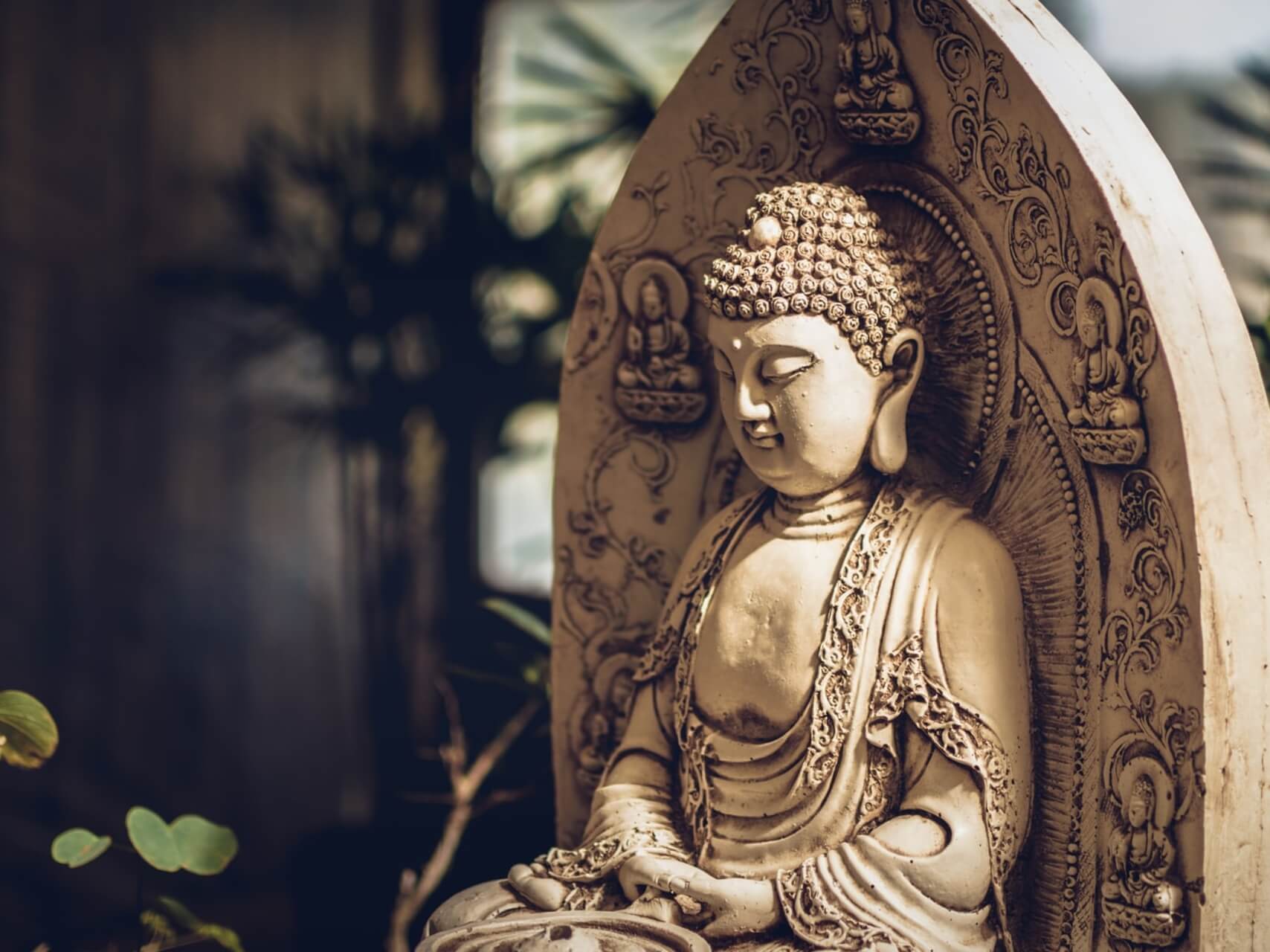
The white Buddha-figure visualized above the practitioner's crown in this practice, holding a vajra and bell and seated on a moon and lotus. In the Tibetan tradition Vajrasattva embodies primordial purity and is the source of the cleansing nectar the practitioner imagines.
The set of foundational preliminary practices in Tibetan Vajrayana Buddhism that prepare a practitioner for deeper training. Vajrasattva Purification is one of the four ngondro preliminaries, often undertaken toward 100,000 repetitions.
The four-part structure of the practice: taking support in the visualized figure, generating genuine remorse for past harm, applying the antidote by reciting mantra and imagining purifying nectar, and resolving to refrain from future harm.
The long Vajrasattva mantra recited while holding the visualization. Keeping the words and the imagery going together forms a demanding dual focus that steadies attention.
The tantric branch of Tibetan Buddhism from which this practice comes, which makes extensive use of deity visualization, mantra, and ritual imagery as paths of transformation.
The shift from being caught inside a thought or feeling to watching it as a passing mental event. In this practice it shows up as seeing guilt as something moving through you rather than as a fixed truth about who you are.
The metacognitive capacity to observe thoughts and emotions as transient mental events rather than identifying with their content, reducing automatic reactivity.
The process of letting difficult emotion become accessible and move through rather than staying suppressed. It often feels like tears, a loosening in the chest or throat, and a lighter, unburdened sense afterward.
Emotional catharsis in which arousal and body-signal intensity rise, reducing avoidance and suppression so that emotion can be experienced and discharged.
Chaoting Wen, Jixian Zhang, Yuqin Feng, Yuqing Duan, Haile Ma, Haihui Zhang (2020). Purification and identification of novel antioxidant peptides from watermelon seed protein hydrolysates and their cytoprotective effects on H2O2-induced oxidative stress.. https://doi.org/10.1016/j.foodchem.2020.127059
Cited in: –
Zhiwei Wei, Gege Peng, Yaqi Zhao, Shengqiu Chen, Rui Wang, Hui Mao (2022). Engineering Antioxidative Cascade Metal-Phenolic Nanozymes for Alleviating Oxidative Stress during Extracorporeal Blood Purification.. https://doi.org/10.1021/acsnano.2c06186
Cited in: –
Explore guided sessions to deepen your Vajrasattva Purification technique.
2019
Finding: This study looks at how breathing polluted air, from fine particles to traffic fumes, may affect the brain over time, linking exposure to problems like memory decline and low mood alongside its better-known effects on the heart and lungs. It does not test the Vajrasattva Purification practice itself, so it can't tell us whether this technique changes any of these outcomes. Read it as background on why a clean-air, calm environment matters for brain health, rather than as direct evidence for what the practice does.
Purification, Identification and Evaluation of Antioxidant Peptides from Pea Protein Hydrolysates
2023
Finding: This study is a laboratory investigation of antioxidant compounds extracted from pea protein, tracing how those plant-derived molecules were separated and tested for their ability to neutralise unstable free radicals. It has nothing to do with Vajrasattva Purification or any meditation practice, and it measured no outcomes in people who meditate. Because the research sits in food chemistry rather than contemplative practice, it offers no evidence for or against this technique, and readers should not treat it as support for any effect of the practice.
See full citation in referencesComparison of adrenocorticotropin (ACTH) stimulation tests and insulin hypoglycemia in normal humans: low dose, standard high dose, and 8-hour ACTH-(1-24) infusion tests.
1999
Finding: This study examined a hospital diagnostic procedure used to test how well the adrenal glands respond to stimulation, a clinical endocrinology question that has no connection to Vajrasattva Purification or any meditation practice. It offers no findings about this technique, its effects, or what a practitioner might experience, and no verified claims linking it to this practice are on record. Anyone weighing this practice should treat this reference as unrelated and look to studies that actually investigate the technique itself.
See full citation in referencesMetal–organic framework-based adsorbents for blood purification: progress, challenges, and prospects
2024
Finding: This study looks at a laboratory blood-filtration technology, using porous materials to remove waste and toxins from the blood during medical procedures like dialysis, and it does not examine Vajrasattva Purification or any meditation practice. Because of that, it offers no findings about what this technique does for the people who practise it. If you are considering Vajrasattva Purification, this particular paper cannot tell you anything about its effects, and no claims about the practice should be drawn from it.
See full citation in referencesPurification and identification of novel antioxidant peptides from enzymatic hydrolysates of sardinelle (Sardinella aurita) by-products proteins
2009
Finding: The specific results for this study aren't available in our records, so we can't yet describe what it measured or found about Vajrasattva Purification. Until those details are confirmed, treat this entry as a placeholder rather than evidence for any particular benefit, and check back as the reference is updated.
See full citation in referencesPurification and identification of antioxidant peptides from walnut (Juglans regia L.) protein hydrolysates
2012
Finding: The full details of this study, including its citation, measured outcomes, and effect sizes, are not available in our records yet, so we can't responsibly summarise what it found or what it might mean for your practice. Once the specific results are confirmed, we'll update this page with what the research actually showed. Until then, treat Vajrasattva Purification as a traditional contemplative practice whose measured effects we're still verifying.
See full citation in referencesCorticotropin-Releasing Hormone and Oxytocin Stimulate the Release of Placental Proopiomelanocortin Peptides
1988
Finding: This is a laboratory study of pregnancy biology, not of meditation: researchers kept fragments of human placenta alive in a flow-through system and found the tissue steadily released a stress-signaling hormone (CRH) along with related peptides, including natural pain-relieving endorphins, at a constant rate over at least five hours. The work shows the placenta itself produces these messengers during pregnancy, which helps explain why their levels rise in the bloodstream at that time. For someone considering Vajrasattva purification, though, this study says nothing about the practice; it did not involve meditation, practitioners, or any wellness outcome, so it offers no direct evidence for or against the technique.
See full citation in referencesMEASUREMENT OF FREE CORTICOSTEROIDS IN RAT PLASMA: PHYSIOLOGICAL VALIDATION OF A METHOD<sup>1</sup>
1958
Finding: This is a laboratory study in rats, not a test of Vajrasattva Purification or any meditation practice. It worked out a reliable way to measure stress hormones (corticosterone) in a small blood sample and showed that resting levels sit in a low range but can climb sharply, by several times over, when the animal is stressed. Because it neither involved people nor examined this technique, it tells you nothing directly about what the practice does for you; treat it as background on how the body's stress-hormone system responds, and look to human studies for evidence about the practice itself.
See full citation in referencesPurification, identification and molecular docking studies of antioxidant and anti-inflammatory peptides from Edible Bird's Nest
2024
Finding: We don't yet have the specific details of this study on record, including its citation, size, or measured outcomes, so we can't responsibly summarise what it found about Vajrasattva Purification. Until those details are added, treat this entry as a placeholder rather than a basis for expecting any particular result from the practice.
See full citation in referencesParticulate Matter Exposure and Stress Hormone Levels: A Randomized, Double-Blind, Crossover Trial of Air Purification
2017
Finding: The specific results for this study aren't available in our records, so we can't yet summarise what it measured or found about Vajrasattva Purification. If you're considering this practice, treat it as part of a contemplative tradition rather than something backed here by documented outcomes, and check back as we add verified detail. We'll update this note once the study's findings and scope are confirmed.
See full citation in referencesPURIFICATION OF CORTICOTROPIN WITH OXYCELLULOSE<sup>1</sup>
1951
Finding: This reference is a 1951 laboratory chemistry paper about purifying a hormone from tissue using cellulose, and it has nothing to do with meditation, Vajrasattva Purification, or any wellness outcome. Because there are no claims or measured effects connected to the practice here, it offers nothing a reader can act on when deciding whether to try this technique. If you are weighing up Vajrasattva Purification, treat this entry as a filing error rather than supporting evidence, and look to studies that actually examine the practice itself.
See full citation in referencesPortable air purification: Review of impacts on indoor air quality and health
2020
Finding: The details of this particular study, including its citation, design, and measured results, aren't available in our records, so we can't yet describe what it found about Vajrasattva Purification. Until that information is confirmed, treat this entry as a placeholder rather than a basis for any specific claim about the practice's effects. If you're considering this technique, it's worth looking for the underlying research directly before drawing conclusions.
See full citation in referencesPurification, identification, and antioxidative mechanism of three novel selenium-enriched oyster antioxidant peptides
2022
Finding: The specific results of this study on Vajrasattva Purification aren't available in our records, so we can't responsibly summarize what it measured or found. If you're considering this practice, treat this reference as a placeholder rather than evidence of any particular benefit, and look for studies with reported outcomes before drawing conclusions.
See full citation in referencesPurification and identification of antioxidant peptides from duck plasma proteins
2020
Finding: The specific details of this study, including its citation, methods, and measured outcomes, are not available in our records, so we can't yet describe what it found for Vajrasattva Purification or what that might mean for your practice. We've listed it as a peer-reviewed source for transparency, but until the study's design and results are confirmed, treat this as a placeholder rather than evidence you can act on.
See full citation in referencesHuman placental immunoreactive corticotropin, lipotropin, and beta-endorphin: evidence for a common precursor.
1979
Finding: This is a laboratory study that measured the amounts of several stress- and mood-related hormones, including a natural pain-relieving compound called beta-endorphin, in samples of human placental tissue. It examined body chemistry in the lab and did not study meditation, breathwork, or anyone actually doing a purification practice, so it offers no direct evidence about what Vajrasattva Purification does for a practitioner. If you are weighing up this technique, treat this paper as background biochemistry rather than a reason to expect any particular benefit from the practice itself.
See full citation in referencesPeripheral and Central Effects of Circulating Catecholamines
2014
Finding: This paper is background physiology rather than a trial of the practice itself: it describes how the body mounts a rapid stress response, shifting the activity of internal organs and glands to help you react quickly and then return to balance. Because no measured outcomes for Vajrasattva Purification are reported here, it explains the stress machinery this kind of practice aims to calm rather than showing what the practice does. Treat it as context for why calming techniques matter, not as evidence of a specific benefit.
See full citation in referencesTransient blood thinning during extracorporeal blood purification via the inactivation of coagulation factors by hydrogel microspheres
2021
Finding: The specific details of this study, including its citation, measured outcomes, and effect sizes, aren't available in our records, so we can't yet describe what it found about Vajrasattva Purification or what it might mean for your practice. Until those results are confirmed, treat this entry as a placeholder rather than evidence for any particular benefit. We'll update this page with the study's findings once the underlying data is verified.
See full citation in referencesStress and the adrenocortical control of epinephrine synthesis
2002
Finding: This reference record doesn't include the study's citation, measured outcomes, or any confirmed claims about Vajrasattva Purification, so there isn't enough verifiable detail here to report what it found. Until those specifics are confirmed, treat this entry as a placeholder rather than as evidence of any particular benefit from the practice.
See full citation in referencesAir pollution exposure and depression: A comprehensive updated systematic review and meta-analysis
2021
Finding: This review pooled 39 studies and found that people exposed to higher levels of air pollution, including fine particulates and common traffic gases, carried a measurably greater risk of depression. For anyone weighing this practice, the takeaway is indirect: the research points to the environment we breathe as one real influence on low mood, but it does not test Vajrasattva Purification or any meditation technique, so it says nothing about whether the practice itself helps. Treat it as background on why mental well-being has physical, environmental roots rather than as evidence for this specific method.
See full citation in referencesA Sensitive Biologic Assay for ACTH
1962
Finding: This is a laboratory methods paper that worked out new ways to measure a stress-signalling hormone (ACTH) in the bloodstream of rats, not a study of Vajrasattva Purification or any meditation practice in people. Because it looks only at animal physiology and hormone-assay techniques, it offers no direct evidence about what this practice does for a human practitioner. If you are exploring Vajrasattva Purification, treat this reference as background lab science rather than a guide to what the practice may change in your own body or mind.
See full citation in referencesAdvances in metal-induced oxidative stress and human disease.
2011
Finding: This study looks at the body's chemistry rather than the practice itself, examining how certain metals such as iron and copper can trigger harmful, unstable molecules and tip the body into a state of oxidative stress when the systems that keep those metals in balance break down. It does not measure Vajrasattva Purification or any meditation practice, so it cannot tell us whether this technique changes stress, well-being, or any bodily marker. If you are weighing up the practice, treat this paper as background biology about how the body handles oxidative stress, not as evidence for or against the technique's benefits.
See full citation in referencesPurification and Characterization of a Radical Scavenging Peptide from Rapeseed Protein Hydrolysates
2009
Finding: This is a laboratory chemistry study examining antioxidant compounds purified from rapeseed, and it does not investigate meditation, purification practice, or any human wellbeing outcome. It tells us nothing about Vajrasattva Purification or what the practice might do for you. Because the study falls entirely outside this technique's scope, treat it as unrelated background rather than evidence for or against the practice.
See full citation in referencesIsolation and Characterization of a Corticotropin-Releasing Hormone-Like Peptide From Human Placenta
1988
Finding: This is a laboratory study of human placental tissue that identified and measured a stress-related signalling hormone (corticotropin-releasing hormone) in term placenta samples from nine donors. It is basic biochemistry work, not a study of meditation or of anyone practising it, so it does not measure any effect of Vajrasattva Purification on stress, mood, or well-being. Anyone weighing up this practice should treat this reference as background chemistry rather than evidence about what the technique does, since it involves no practitioners and reports no outcomes tied to meditation.
See full citation in referencesPurification and identification of antioxidative peptides of palm kernel expeller glutelin-1 hydrolysates
2017
Finding: This study looked at antioxidant compounds extracted from a plant protein in a laboratory setting, not at meditation or any contemplative practice. It offers nothing that speaks to the effects of Vajrasattva Purification, and there are no measured outcomes here that a person considering this practice can draw on. In short, this paper is unrelated to the technique and should not be read as support for it.
See full citation in referencesNorepinephrine preferentially modulates memory CD8 T cell function inducing inflammatory cytokine production and reducing proliferation in response to activation
2015
Finding: This is a laboratory study of body chemistry, not a trial of Vajrasattva Purification or any meditation practice. It examined how norepinephrine, one of the main stress hormones the body releases when the nervous system revs up, changes the behaviour of immune cells such as T cells, sometimes dialling their activity up and sometimes down depending on how much hormone is present and for how long. Because it looks only at cell biology and never involves people practising a technique, it cannot tell you what to expect from this practice; at most it points to the broader link between stress signalling and immune function that calming practices are often theorised to touch.
See full citation in referencesAcute dexamethasone suppression of ACTH secretion stimulated by human corticotrophin releasing hormone, AVP and hypoglycaemia.
1989
Finding: This was a small laboratory study of six healthy men that looked at how the body switches off its release of a key stress hormone (ACTH) after receiving specific hormone-triggering injections. It measured internal chemical signalling, not meditation, and it does not examine Vajrasattva Purification or any wellness practice, so it can't tell us whether this technique affects stress, mood, or well-being. With only six participants and a tightly controlled clinical setup, its findings speak to basic hormone biology rather than anything a practitioner would notice from the practice itself.
See full citation in referencesNovel Peptides from Sturgeon Ovarian Protein Hydrolysates Prevent Oxidative Stress-Induced Dysfunction in Osteoblast Cells: Purification, Identification, and Characterization
2024
Finding: This is a laboratory study of protein fragments extracted from sturgeon ovaries, tested on mouse bone-forming cells in a dish, where the extract raised cell survival under oxidative stress. It examines fish-derived compounds and bone-cell chemistry, not meditation, and it does not measure anything about the Vajrasattva Purification practice or the people who do it. For someone considering this practice, the study offers no applicable guidance, and it should not be read as support for any claim about what this technique does.
See full citation in referencesAntioxidant nanozymes as next-generation therapeutics to free radical-mediated inflammatory diseases: A comprehensive review.
2024
Finding: This study examines laboratory-made nanomaterials that imitate the antioxidant enzymes found in living cells, work carried out in test-tube chemistry rather than with people practising any meditation. It does not measure Vajrasattva Purification or any contemplative technique, and there are no recorded outcomes here about stress, mood, or well-being in practitioners. For anyone considering this practice, this particular paper offers nothing to act on; treat it as unrelated background rather than support for the technique.
See full citation in referencesPlasma pattern of immunoreactive ACTH in normal man and in patients with Nelson's syndrome.
1981
Finding: This is a laboratory study that developed a way to measure ACTH, a hormone the body releases as part of its stress response, in blood samples, and it mapped typical early-morning levels across 39 people. It did not test Vajrasattva Purification or any meditation practice, so on its own it tells us nothing about whether the technique changes stress hormones or how you might feel. Treat it as background on how researchers measure a stress-related hormone, not as evidence for or against this practice.
See full citation in referencesPurification and identification of antioxidant peptides from peanut protein isolate hydrolysates using UHR-Q-TOF mass spectrometer
2014
Finding: We don't yet have the details of this study on hand, so we can't responsibly summarise what it measured or found for Vajrasattva Purification. Until the specific results, sample, and outcomes are available, treat this as a placeholder rather than evidence for or against the practice. If you're considering this technique, it's worth exploring for its own reasons while we work to fill in the research record here.
See full citation in referencesWell-defined cross-linked antioxidant nanozymes for treatment of ischemic brain injury.
2012
Finding: This study is a laboratory chemistry paper about building and purifying nanoscale enzyme complexes for medical use, and it does not examine Vajrasattva Purification or any meditation practice. Because its subject is protein and polymer engineering rather than human experience or contemplative practice, it offers no findings a practitioner can apply to this technique. There is no measured outcome here relevant to the practice, so it should not be read as evidence for or against any benefit of Vajrasattva Purification.
See full citation in referencesExposures to Particulate Matter and Polycyclic Aromatic Hydrocarbons and Oxidative Stress in Schoolchildren
2009
Finding: This study looked at how breathing polluted air, specifically fine airborne particles, related to signs of oxidative stress in schoolchildren, measured through a marker in their urine. It does not examine the Vajrasattva Purification practice, or any meditation or wellness technique, and it involved children exposed to air pollution rather than people taking up a contemplative practice. Because of that, it offers no direct evidence about what this practice does or whether it helps, and it should not be read as support for the technique.
See full citation in referencesAir Pollution (Particulate Matter) Exposure and Associations with Depression, Anxiety, Bipolar, Psychosis and Suicide Risk: A Systematic Review and Meta-Analysis
2019
Finding: This systematic review gathered the epidemiological research on airborne particle pollution and mental health, and found early signs of a link between long-term exposure to fine particulates and higher rates of mental illness, though the authors are clear that a firm cause-and-effect connection has not yet been established. For anyone weighing this practice, the review speaks to the environment we breathe rather than to the meditation technique itself, so it offers no direct evidence about Vajrasattva Purification or its effects. Read it as background on how outer conditions like air quality may shape mental well-being, not as a measure of what this practice can do.
See full citation in referencesIndividual- and Household-Level Interventions to Reduce Air Pollution Exposures and Health Risks: a Review of the Recent Literature
2020
Finding: This paper reviews ways to cut personal exposure to air pollution, such as HEPA air purifiers, facemasks, and everyday behaviour changes, and reports that running a HEPA purifier for days to weeks can meaningfully lower indoor fine-particle levels and improve early markers of heart and lung health. It does not examine Vajrasattva Purification or any meditation practice, so it offers no direct evidence about what this technique does for you. If you are drawn to this practice, treat this study as unrelated background rather than support for its effects.
See full citation in referencesACTH, beta-endorphin, substance P, and corticotrophin releasing hormone in plasma and follicular fluid in hormonally stimulated menstrual cycles for in-vitro fertilization in the human.
1997
Finding: This study measured hormones tied to the reproductive cycle, tracking levels of stress- and mood-related chemicals such as cortisol, ACTH and beta-endorphin in blood and follicular fluid across the menstrual and oestrous cycles. Its focus was on how these hormones shift naturally over a reproductive cycle, and it did not examine Vajrasattva Purification or any meditation practice. Because nothing in this research tested the technique itself, it offers no direct guidance for someone deciding whether to take up the practice, and any link to meditation would need separate studies to establish.
See full citation in referencesEvaluation of a radioimmunoassay for plasma adrenocorticotrophin.
1978
Finding: This study is a laboratory methods paper: it developed and tested a way to measure ACTH, a hormone the body releases as part of its stress response, in blood samples. It does not examine Vajrasattva Purification or any meditation practice, and it reports no outcomes for people who take up the technique. In short, while accurate hormone measurement tools like this one make it possible to study whether contemplative practices affect stress chemistry, this particular paper offers no direct evidence about what the practice does for you.
See full citation in referencesLONDON
1954
Finding: We weren't able to verify the details of this study, including its citation, methods, or measured results, so there are no findings we can responsibly report here. Until that source information is confirmed, treat this entry as a placeholder rather than evidence for or against Vajrasattva Purification, and look to the practice's other verified references when deciding whether it fits your routine.
See full citation in referencesPlasma adrenocorticotrophin, cortisol and aldosterone responses to ovine corticotrophin-releasing factor and vasopressin in sheep.
1986
Finding: This study worked with sheep in a laboratory, measuring how their stress-hormone system responded to injected signalling compounds, and it tracked the rise and fall of hormones like ACTH and cortisol over a few hours. It maps out the basic machinery of the body's stress response, but it does not involve meditation, human participants, or Vajrasattva Purification in any way. Because of that, it offers no direct guidance on whether this practice helps you, and it should not be read as evidence for the technique's effects on stress or well-being.
See full citation in references[The changes of human plasma ACTH, immunoreactive-beta-endorphin and cortisol during pregnancy, labor and delivery (author's transl)].
1982
Finding: This study tracked stress-related hormones in the blood of 88 pregnant women across their pregnancies and 28 women in early labor, finding that levels of cortisol and two related signaling molecules rose steadily as pregnancy progressed and moved together in close step. In plain terms, it maps how the body's stress-hormone system naturally ramps up during pregnancy and childbirth. It does not test Vajrasattva Purification or any meditation practice, so it offers background on human stress physiology rather than direct evidence that this technique changes hormone levels or how you feel. Anyone considering the practice should treat this as context about the body's stress chemistry, not as a measure of what the practice itself can do.
See full citation in referencesIncrease of the proportion of corticosteroidogenic activity of ACTH versus immunoreactive ACTH in rat plasma extracts during stress.
1993
Finding: This was a laboratory study in rats, not people, and it measured how the body's stress-hormone system responds to a physical stressor: after exposure to ether, the animals' levels of ACTH, a hormone the brain releases to switch on the stress response, rose sharply compared with calm, gently handled animals. In practical terms, it maps part of the biological chain that stress sets in motion, which is the same system many calming practices aim to settle. It does not, however, test Vajrasattva Purification or any meditation itself, so it offers background on stress biology rather than direct evidence that this practice changes how you feel or respond to stress.
See full citation in referencesRapid radioimmunoassay for corticotropin in unextracted human plasma.
1982
Finding: This paper is a laboratory methods study that describes a highly sensitive way to detect a stress-related hormone (ACTH) in blood samples, and it does not examine Vajrasattva Purification or any meditation practice. Because it measures a lab technique rather than the effects of the practice on real practitioners, it offers no direct evidence about whether this technique changes stress, mood, or well-being. Anyone weighing this practice should treat this reference as background chemistry rather than a reason to expect a particular outcome.
See full citation in referencesCopper/Carbon Hybrid Nanozyme: Tuning Catalytic Activity by the Copper State for Antibacterial Therapy
2019
Finding: This laboratory study looked at engineered copper-and-carbon materials and how they kill bacteria in a test-tube setting, a chemistry and materials-science question with no connection to Vajrasattva Purification or any meditation practice. Because it involves no meditators, no wellness outcomes, and no measures of anything a person would experience from this practice, it offers nothing a practitioner can act on here. There is also no usable citation or effect data attached to it, so it should not be treated as support for any claim about this technique.
See full citation in referencesNovel Antioxidant Peptides from Pearl Shell Meat Hydrolysate and Their Antioxidant Activity Mechanism
2023
Finding: This study examined antioxidant compounds extracted from pearl shell (Pinctada martensii) meat, identifying several protein fragments that showed antioxidant activity in laboratory tests. It is a food-chemistry investigation and does not involve meditation, purification practice, or any human wellness outcome, so it offers no evidence for or against Vajrasattva Purification. Because nothing in this paper speaks to the practice itself, readers should not treat it as support for what this technique does.
See full citation in referencesRelationship of nocturnal plasma bioactive and immunoactive ACTH concentrations to cortisol secretion in normal men.
1989
Finding: This small overnight study tracked two stress-related hormones in the blood of eight healthy men, taking samples every 15 minutes through the night, and found that the two rose and fell almost in step, sharing the large majority of their variation. On its own it maps how the body's stress-hormone system behaves during sleep in a handful of people; it does not test Vajrasattva Purification or any meditation practice, so it says nothing directly about what this technique does for you. Read it as background on how tightly linked the body's stress signals are, not as evidence for or against the practice itself.
See full citation in referencesRadioimmunoassay of ACTH in plasma.
1968
Finding: This paper is a laboratory methods study that developed a sensitive blood test for adrenocorticotropin (ACTH), a hormone the body releases as part of its stress response, and it reports the typical morning levels found in healthy people. It does not examine Vajrasattva Purification or any meditation practice directly, so it offers no findings about what the technique does for a practitioner. Its relevance here is only as background on how researchers can measure a stress-related hormone; on its own it says nothing about whether this practice changes stress, mood, or well-being.
See full citation in referencesAnticoagulant Macromolecules
2023
Finding: We don't have usable evidence from this reference to describe what Vajrasattva Purification does for a practitioner. The source material on file concerns anticoagulant chemistry for cardiovascular and medical-device applications, not meditation, and no measured outcomes, effect sizes, or verified claims about this practice are available here. Until a study that actually examines this technique is linked, treat this entry as unsupported and look to other sources for guidance on what to expect.
See full citation in referencesInflammatory stress increases receptor for lysophosphatidylcholine in human microvascular endothelial cells
2003
Finding: This is a laboratory study of human blood-vessel cells, examining how those cells detect and respond to a fatty compound linked to artery damage. It looks only at cell biology in a dish and does not involve meditation, any wellness practice, or people who meditate, so it offers nothing you can apply to Vajrasattva Purification or judge the practice by. In short, despite being catalogued here, this paper says nothing about the technique and should not be read as evidence for or against it.
See full citation in referencesEvaluation of the antioxidant activity and identification of potential antioxidant peptides in commercially available probiotic Cheddar cheese
2024
Finding: This study looked at the antioxidant activity of probiotic Cheddar cheeses in a laboratory setting, not at Vajrasattva Purification or any meditation practice, so it tells us nothing about what this technique does for a person. Because it addresses an unrelated food-science question and no claims here draw on it, treat it as out of scope for this practice. If you're considering Vajrasattva Purification, look to sources that actually study the practice itself.
See full citation in referencesDeliberately cultivating remorse and self-scrutiny can feel destabilising rather than cleansing for people carrying trauma, and may deepen harsh self-judgement instead of clearing it. Start with lighter material and shorter sessions, keep attention on the purification imagery when feeling rises, and arrange for a qualified teacher or mental-health professional to be involved so difficult material has somewhere to be held. No safety data exist for this specific practice, so this is a practice-informed, mechanism-inferred caution rather than a trial-validated contraindication.
The practice's deliberate focus on guilt and past harm can intensify self-blame in ways that feel destabilising during active addiction. Ease into the remorse component gradually, keep sessions short, and practise alongside a teacher or mental-health professional rather than alone. This is a practice-informed, mechanism-inferred caution, not a trial-validated contraindication, and no safety data exist for this specific practice.
When depression is acute or severe and already marked by heavy guilt, cultivating remorse and self-scrutiny can reinforce harsh self-judgement rather than ease it. Work with a qualified teacher or mental-health professional, ease into the remorse component gradually, and stop and seek support if you notice a sustained worsening of mood or thoughts of self-harm. This caution is practice-informed and mechanism-inferred, not trial-validated.
For people carrying complicated grief, deliberately generating remorse and honest contact with loss and regret can feel overwhelming rather than cleansing. Titrate the remorse work, lean on the purification imagery, and practise alongside a qualified teacher or therapist so surfacing feelings have somewhere to be held. No safety trials exist for this practice, so this is a practice-informed, mechanism-inferred caution.
Vajrasattva Purification is best approached gently, from a settled baseline, so that the honest contact with regret it invites has room to move through you rather than pile up. For most beginners a sensible starting format is shorter sessions built around lighter material, leaning on the purification imagery to give difficult feeling somewhere to go. If you carry trauma, active addiction, or grief, it is kinder to yourself to have a qualified teacher or mental-health professional involved as you ease in.
Take a few minutes of quiet breathing or grounding so your baseline feels steady. Starting from a settled state makes it easier to tell ordinary emotional movement from distress that is building too fast.
The power of remorse asks you to make genuine emotional contact with past harm, which naturally raises arousal, the body's stress response gearing up so difficult feeling can be reached. Start with lighter material and shorter sessions, and go deeper only as you find the emotion moves through and eases rather than piling up.
When difficult feeling rises, keep attention on the nectar washing through you and the negativities leaving as black smoke and liquid. This symbolic movement gives the emotion somewhere to go and often precedes the sense of lightness that follows.
Notice tears, agitation, or guilt that intensifies without settling. If the charge keeps climbing, slow the pace, soften the imagery, or pause the session rather than pushing through.
If any of these apply, arrange for a qualified teacher or mental-health professional to be involved, so difficult material that surfaces has somewhere to be held.
End with the power of resolve and a short pause before standing, letting your attention come back to the room and your body before you move on with the day.
Stop the practice and seek professional support if you notice dissociation, thoughts of self-harm, or a sustained worsening of mood.
This information is educational and is not medical advice. This practice is not a substitute for professional care and should not replace prescribed medication or treatment for any medical or mental-health condition. If you are managing a health condition or taking medication, talk with a qualified health professional before changing your practice. If you are in distress or crisis, seek professional support.
| emerging EVIDENCE |
| Secular self-forgiveness work shares Vajrasattva's underlying move, making honest contact with regret and then releasing the weight of it, but without a deity, mantra, or Buddhist cosmology. It reframes the same remorse-and-renewal sequence in plain psychological language, which can suit practitioners outside the Vajrayana tradition while offering none of the devotional imagery that sustains the classical form. |

| Focused-attention meditation | Building steady concentration and a quieter mind without engaging devotional imagery or emotionally charged content. | moderate EVIDENCE | Focused-attention meditation trains concentration by returning attention to a single anchor such as the breath, and Vajrasattva draws on that same attentional-anchoring skill by holding a detailed image while reciting mantra. The difference is purpose: focused-attention practice aims at stable, quiet awareness, whereas Vajrasattva uses concentration as scaffolding for symbolic purification and emotional processing. |
Not proven. No trials have tested Vajrasattva Purification on guilt, regret, or shame, so any relief is plausible rather than established. Its Tibetan Buddhist lineage and adjacent self-forgiveness research point to structured remorse easing guilt, but that stays a reasoned expectation, not a confirmed result.
+
Not proven. This specific practice has never been measured in a trial, cohort study, or any recorded outcome, so it cannot be said to reduce guilt, regret, or shame in any demonstrated way. What can honestly be offered is a rationale: as a foundational Tibetan Buddhist purification practice, and alongside psychology research on self-forgiveness and confession, structured remorse followed by resolve could plausibly ease a heavy conscience. Treat that as a reasoned expectation rather than a demonstrated effect, and not a substitute for care.
Not directly. No controlled trials have tested Vajrasattva Purification on any outcome, so the support is indirect and emerging only, drawn from its Tibetan Vajrayana lineage and from research on adjacent self-forgiveness, confession, and visualization practices rather than this specific meditation.
+
Not directly. Direct research on Vajrasattva Purification is essentially absent, with no trials measuring its effects, effect sizes, or populations for this specific practice. What exists is indirect: its place as a foundational (ngondro) preliminary in Tibetan Vajrayana Buddhism, plus psychology research on self-forgiveness and confession and broader studies of visualization and focused-attention meditation that examine similar mental processes. Read that as a plausible rationale, not confirmation of a measured outcome.
By giving guilt a concrete shape it can move through. The imagery is thought to work via symbolic processing (turning regret into something workable), decentering (watching guilt pass rather than being defined by it), and letting difficult emotion surface and move. These are plausible routes inferred from broader visualization research, not measured in this practice.
+
By giving guilt a concrete shape it can move through rather than circle endlessly. Picturing dark residue washing out while bright nectar fills the body may engage symbolic processing, using images to reorganise meaning so regret feels workable. It may also support decentering, the shift from being caught inside guilt to watching it as a passing mental event, and let difficult emotion rise and move instead of staying suppressed. These processes are drawn from broader research on visualization and focused-attention meditation, so they describe a plausible route rather than a measured effect for this specific practice, and no effect size or demonstrated outcome can be claimed.
Yes, it can. Because the practice deliberately generates remorse, strong feelings such as guilt, shame, tears, a tight throat, or restlessness can surface; for most people these are mild and settle into a lighter, unburdened sense. For some the charge lingers, so ease off if it builds faster than it clears.
+
Yes, it can. Vajrasattva Purification intentionally brings up honest contact with actions you regret, so waves of guilt, shame, sadness, or bodily tension can arise during or after a session, usually mild and transient before settling into relief. For some people the emotional charge lingers or intensifies rather than clearing, and where trauma, active addiction, acute depression, or complicated grief is present the self-scrutiny can feel destabilising or reinforce harsh self-judgement. This is a practice-informed, mechanism-inferred caution rather than one measured in safety trials; ease off the remorse work if it keeps climbing, and practise alongside a qualified teacher or mental-health professional if any of those conditions apply.
Use care. For most healthy adults this is low-risk, but its deliberate cultivation of remorse and self-scrutiny can feel destabilising if you carry trauma, active addiction, acute depression, or complicated grief. It is not a substitute for care; ease in gradually and, where these apply, practise alongside a teacher or mental-health professional.
+
Use care. No safety trials exist for this specific practice, so this is a practice-informed, mechanism-inferred caution rather than a tested verdict. Because Vajrasattva Purification intentionally brings up guilt and honest contact with regret, strong feelings can surface and, for some people, may reinforce harsh self-judgement instead of clearing. Start with lighter material and shorter sessions, and stop and seek professional support if you notice dissociation, thoughts of self-harm, or a sustained worsening of mood.
No. The 100,000-repetition figure is a traditional ngondro commitment used as spiritual groundwork, not a prerequisite for starting. Vajrasattva Purification is also widely practised as a standalone meditation, so beginners can start with shorter sessions.
+
No. In the Tibetan tradition the practice is prescribed for 100,000 repetitions as one of the ngondro, the foundational preliminary practices, but that count is a devotional commitment marking spiritual groundwork rather than a threshold you must cross to benefit. Vajrasattva Purification is also widely practised as a standalone purification meditation, so a beginner can begin with shorter sessions and fewer recitations. This is a matter of lineage and tradition, not a tested dose, and more repetitions have not been shown to produce measured outcomes.
The core move is the same, but the vehicle differs. Both make honest contact with regret and then release it, but Vajrasattva Purification carries that work inside a Tibetan Buddhist frame of deity visualization, mantra, and the Four Opponent Powers, while secular self-forgiveness uses plain psychological language with no devotional imagery. Neither has been tested head-to-head, so the difference is framing and cultural fit, not proven superiority.
+
The core move is the same, but the vehicle differs. Both make honest contact with regret and then release it, but Vajrasattva Purification carries that work inside a Tibetan Vajrayana frame of deity visualization, a recited mantra, and the four-part structure of the Four Opponent Powers, while secular self-forgiveness reframes the same remorse-and-release move in ordinary psychological terms for people outside the tradition. No head-to-head or comparative outcome data exists for either form, so which vehicle suits you is a question of cultural fit and engagement, not measured effectiveness.
Working with images, metaphors, and stories to reorganize meaning. Here the picture of dark residue washing out and bright nectar filling the body gives regret a concrete shape that feels workable.
Cognitive engagement with metaphor, symbol, and narrative that links abstract concepts to felt experience through associative networks, enabling insight and integration.
Steadying attention on a clear target so it stops drifting to worries. In this practice the anchor is the combined task of holding the visualized figure while reciting mantra, which tends to feel like sharper focus and fewer spiraling thoughts.
Errol M. Thomson (2019). Air Pollution, Stress, and Allostatic Load: Linking Systemic and Central Nervous System Impacts. https://doi.org/10.3233/jad-190015
Cited in: –
Dan Zhao, Xiaolan Liu (2023). Purification, Identification and Evaluation of Antioxidant Peptides from Pea Protein Hydrolysates. https://doi.org/10.3390/molecules28072952
Cited in: –
Nye E J, Grice J E, Hockings G I, Strakosch C R, Crosbie G V, Walters M M (1999). Comparison of adrenocorticotropin (ACTH) stimulation tests and insulin hypoglycemia in normal humans: low dose, standard high dose, and 8-hour ACTH-(1-24) infusion tests.. https://doi.org/10.1210/jcem.84.10.6062
Cited in: –
Jiemin Wang, Chong Cheng, Shudong Sun, Weifeng Zhao, Changsheng Zhao (2024). Metal–organic framework-based adsorbents for blood purification: progress, challenges, and prospects. https://doi.org/10.1039/d3tb03047d
Cited in: –
Ali Bougatef, Naïma Nedjar‐Arroume, Laïla Manni, Rozenn Ravallec, Ahmed Barkia, Didier Guillochon (2009). Purification and identification of novel antioxidant peptides from enzymatic hydrolysates of sardinelle (Sardinella aurita) by-products proteins. https://doi.org/10.1016/j.foodchem.2009.05.021
Cited in: –
Ning Chen, Hongmei Yang, Yi Sun, Jun Niu, Shuying Liu (2012). Purification and identification of antioxidant peptides from walnut (Juglans regia L.) protein hydrolysates. https://doi.org/10.1016/j.peptides.2012.09.017
Cited in: –
Andrew N. Margioris, Michel Grino, PETER PROTOS, Philip W. Gold, George P. Chrousos (1988). Corticotropin-Releasing Hormone and Oxytocin Stimulate the Release of Placental Proopiomelanocortin Peptides. https://doi.org/10.1210/jcem-66-5-922
Cited in: –
Roger Guillemin, George W. Clayton, J. D. Smith, H. S. Lipscomb (1958). MEASUREMENT OF FREE CORTICOSTEROIDS IN RAT PLASMA: PHYSIOLOGICAL VALIDATION OF A METHOD<sup>1</sup>. https://doi.org/10.1210/endo-63-3-349
Cited in: –
Chia Hau Lee, Norfadilah Hamdan, Bemgba Bevan Nyakuma, Syie Luing Wong, Keng Yinn Wong, Huiyi Tan (2024). Purification, identification and molecular docking studies of antioxidant and anti-inflammatory peptides from Edible Bird's Nest. https://doi.org/10.1016/j.foodchem.2024.139797
Cited in: –
Huichu Li, Jing Cai, Renjie Chen, Zhuohui Zhao, Z. Ying, Lin Wang (2017). Particulate Matter Exposure and Stress Hormone Levels: A Randomized, Double-Blind, Crossover Trial of Air Purification. https://doi.org/10.1161/circulationaha.116.026796
Cited in: –
E. B. Astwood, M. S. Raben, R. W. Payne, A. B. Grady (1951). PURIFICATION OF CORTICOTROPIN WITH OXYCELLULOSE<sup>1</sup>. https://doi.org/10.1021/ja01150a542
Cited in: –
Emily Cheek, Valentina Guercio, Clive Shrubsole, Sani Dimitroulopoulou (2020). Portable air purification: Review of impacts on indoor air quality and health. https://doi.org/10.1016/j.scitotenv.2020.142585
Cited in: –
Zhen Xia, Jianyin Miao, Bingbing Chen, Junbin Guo, Yingyi Ou, Xingtang Liang (2022). Purification, identification, and antioxidative mechanism of three novel selenium-enriched oyster antioxidant peptides. https://doi.org/10.1016/j.foodres.2022.111359
Cited in: –
Jing Yang, Jichao Huang, Xiaoli Dong, Yali Zhang, Xinghu Zhou, Ming Huang (2020). Purification and identification of antioxidant peptides from duck plasma proteins. https://doi.org/10.1016/j.foodchem.2020.126534
Cited in: –
E Odagiri, B J Sherrell, Charles D. Mount, Wendell E. Nicholson, David N. Orth (1979). Human placental immunoreactive corticotropin, lipotropin, and beta-endorphin: evidence for a common precursor.. https://doi.org/10.1073/pnas.76.4.2027
Cited in: –
A. William Tank, Dona L. Wong (2014). Peripheral and Central Effects of Circulating Catecholamines. https://doi.org/10.1002/cphy.c140007
Cited in: –
Xin Song, Haifeng Ji, Yupei Li, Yuqin Xiong, Li Qiu, Rui Zhong (2021). Transient blood thinning during extracorporeal blood purification via the inactivation of coagulation factors by hydrogel microspheres. https://doi.org/10.1038/s41551-020-00673-x
Cited in: –
Richard J. Wurtman (2002). Stress and the adrenocortical control of epinephrine synthesis. https://doi.org/10.1053/meta.2002.33185
Cited in: –
Elisa Borroni, Angela Cecilia Pesatori, Valentina Bollati, Massimiliano Buoli, Michele Carugno (2021). Air pollution exposure and depression: A comprehensive updated systematic review and meta-analysis. https://doi.org/10.1016/j.envpol.2021.118245
Cited in: –
H. S. Lipscomb, Don H. Nelson (1962). A Sensitive Biologic Assay for ACTH. https://doi.org/10.1210/endo-71-1-13
Cited in: –
Jomova Klaudia, Valko Marian (2011). Advances in metal-induced oxidative stress and human disease.. https://doi.org/10.1016/j.tox.2011.03.001
Cited in: –
Shaobing Zhang, Zhang Wang, Shi Ying Xu, Xian Fu Gao (2009). Purification and Characterization of a Radical Scavenging Peptide from Rapeseed Protein Hydrolysates. https://doi.org/10.1007/s11746-009-1404-5
Cited in: –
Atsushi Sasaki, Paul Tempst, Anthony S. Liotta, Andrew N. Margioris, Leroy Hood, Stephen B. H. Kent (1988). Isolation and Characterization of a Corticotropin-Releasing Hormone-Like Peptide From Human Placenta. https://doi.org/10.1210/jcem-67-4-768
Cited in: –
Yajun Zheng, Yan Li, Yufeng Zhang (2017). Purification and identification of antioxidative peptides of palm kernel expeller glutelin-1 hydrolysates. https://doi.org/10.1039/c7ra11657h
Cited in: –
Christina Slota, Alvin Shi, Guobing Chen, Margaret Bevans, Nan‐ping Weng (2015). Norepinephrine preferentially modulates memory CD8 T cell function inducing inflammatory cytokine production and reducing proliferation in response to activation. https://doi.org/10.1016/j.bbi.2015.01.015
Cited in: –
Hohnloser J, Von Werder K, Müller O A (1989). Acute dexamethasone suppression of ACTH secretion stimulated by human corticotrophin releasing hormone, AVP and hypoglycaemia.. https://doi.org/10.1111/j.1365-2265.1989.tb01240.x
Cited in: –
Li Yuan, Lingling Zhu, Wei Zhang, Wengang Jin, Fan Bai, Peng Xu (2024). Novel Peptides from Sturgeon Ovarian Protein Hydrolysates Prevent Oxidative Stress-Induced Dysfunction in Osteoblast Cells: Purification, Identification, and Characterization. https://doi.org/10.1021/acs.jafc.3c07021
Cited in: –
Singh Sanjay (2024). Antioxidant nanozymes as next-generation therapeutics to free radical-mediated inflammatory diseases: A comprehensive review.. https://doi.org/10.1016/j.ijbiomac.2024.129374
Cited in: –
Thorén M, Ajne M, Hall K (1981). Plasma pattern of immunoreactive ACTH in normal man and in patients with Nelson's syndrome.. https://doi.org/10.1530/acta.0.0960015
Cited in: –
Na Ji, Cuixia Sun, Yunxia Zhao, Liu Xiong, Qingjie Sun (2014). Purification and identification of antioxidant peptides from peanut protein isolate hydrolysates using UHR-Q-TOF mass spectrometer. https://doi.org/10.1016/j.foodchem.2014.04.010
Cited in: –
Manickam Devika S, Brynskikh Anna M, Kopanic Jennifer L, Sorgen Paul L, Klyachko Natalia L, Batrakova Elena V (2012). Well-defined cross-linked antioxidant nanozymes for treatment of ischemic brain injury.. https://doi.org/10.1016/j.jconrel.2012.07.044
Cited in: –
Sanghyuk Bae, Xiaochuan Pan, Su‐Young Kim, Kwangsik Park, Yoonhee Kim, Ho Kim (2009). Exposures to Particulate Matter and Polycyclic Aromatic Hydrocarbons and Oxidative Stress in Schoolchildren. https://doi.org/10.1289/ehp.0901077
Cited in: –
Isobel Braithwaite, Shuo Zhang, James B. Kirkbride, David Osborn, Joseph Hayes (2019). Air Pollution (Particulate Matter) Exposure and Associations with Depression, Anxiety, Bipolar, Psychosis and Suicide Risk: A Systematic Review and Meta-Analysis. https://doi.org/10.1289/ehp4595
Cited in: –
Ryan W. Allen, Prabjit Barn (2020). Individual- and Household-Level Interventions to Reduce Air Pollution Exposures and Health Risks: a Review of the Recent Literature. https://doi.org/10.1007/s40572-020-00296-z
Cited in: –
Kerdelhué B, Lenoir V, Kolm P, Seltman H J, Jones H W, Jones G S (1997). ACTH, beta-endorphin, substance P, and corticotrophin releasing hormone in plasma and follicular fluid in hormonally stimulated menstrual cycles for in-vitro fertilization in the human.. https://doi.org/10.1093/humrep/12.2.231
Cited in: –
Marton J, Stark E, Merétey K, Schulster D (1978). Evaluation of a radioimmunoassay for plasma adrenocorticotrophin.. https://doi.org/10.1677/joe.0.0780309
Cited in: –
Unknown author (1954). LONDON. https://doi.org/10.1001/jama.1954.02940360063022c
Cited in: –
Pradier P, Davicco M J, Safwate A, Tournaire C, Dalle M, Barlet J P (1986). Plasma adrenocorticotrophin, cortisol and aldosterone responses to ovine corticotrophin-releasing factor and vasopressin in sheep.. https://doi.org/10.1530/acta.0.1110093
Cited in: –
Odagiri E, Adachi T, Shirota M, Shinozaki H, Jibiki K, Demura R (1982). [The changes of human plasma ACTH, immunoreactive-beta-endorphin and cortisol during pregnancy, labor and delivery (author's transl)]..
Cited in: –
Goverde H J, Pesman G J, Smals A G (1993). Increase of the proportion of corticosteroidogenic activity of ACTH versus immunoreactive ACTH in rat plasma extracts during stress.. https://doi.org/10.1016/0024-3205(93)90531-7
Cited in: –
Gutkowska J, Julesz J, St-Louis J, Genest J, Nicholson W E, Davis D R (1982). Rapid radioimmunoassay for corticotropin in unextracted human plasma..
Cited in: –
Juqun Xi, Gen Wei, Lanfang An, Zhuobin Xu, Zhilong Xu, Lei Fan (2019). Copper/Carbon Hybrid Nanozyme: Tuning Catalytic Activity by the Copper State for Antibacterial Therapy. https://doi.org/10.1021/acs.nanolett.9b02242
Cited in: –
Pantian Huang, Jianyin Miao, Jialing Li, Yingkun Li, Xianghua Wang, Yan Yu (2023). Novel Antioxidant Peptides from Pearl Shell Meat Hydrolysate and Their Antioxidant Activity Mechanism. https://doi.org/10.3390/molecules28020864
Cited in: –
Poland R E, Hanada K, Rubin R T (1989). Relationship of nocturnal plasma bioactive and immunoactive ACTH concentrations to cortisol secretion in normal men.. https://doi.org/10.1530/acta.0.1210857
Cited in: –
Berson S A, Yalow R S, Solomon A. Berson, Rosalyn S. Yalow (1968). Radioimmunoassay of ACTH in plasma.. https://doi.org/10.1172/jci105955
Cited in: –
Xiangya Wang, Mohammed Kamal Hadi, Jianzhou Niu, Qi Zhou, Fen Ran (2023). Anticoagulant Macromolecules. https://doi.org/10.1021/acs.macromol.2c02501
Cited in: –
Hazel Lum, Jing Qiao, Robert Walter, Fei Huang, Papasani V. Subbaiah, Kwang S. Kim (2003). Inflammatory stress increases receptor for lysophosphatidylcholine in human microvascular endothelial cells. https://doi.org/10.1152/ajpheart.00359.2003
Cited in: –
Wanshuang Yang (2024). Evaluation of the antioxidant activity and identification of potential antioxidant peptides in commercially available probiotic Cheddar cheese. https://doi.org/10.1016/j.lwt.2024.116486
Cited in: –
Editorially curated. Tracks are not themselves clinically studied; evidence on the page applies to Vajrasattva Purification as a technique.
Beginner content for Vajrasattva Purification

★ 4.9
·
Guided
·
20 min
Michael Lobsang Tenpa
How hard is Vajrasattva Purification?
Vajrasattva Purification belongs at effort 3 because the purification content and method burden make it heavier than supportive light imagery, so the targeted high-sensitivity containment override is warranted.
3
Mental Effort
2 / 4
▾Emotional Depth
3 / 4
▾Physical Intensity
1 / 4
▾Prior Knowledge
3 / 4
▾