Welcome to The Flow from Ohm School Live.
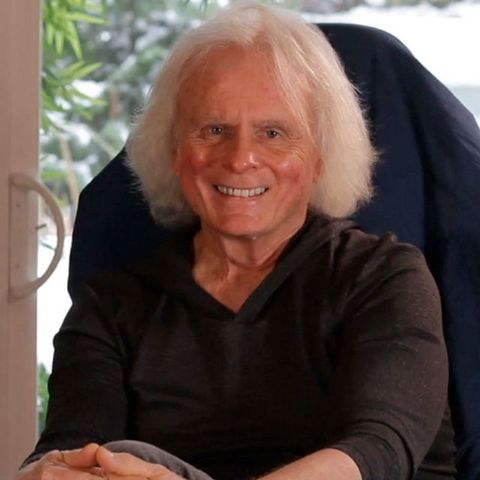
The Flow is a profound mix of wisdom and humor as student Lisa Berry asks spiritual teacher G.
P.
Walsh questions you would ask an elder,
A wise man,
Or a sage,
And receive direct,
Simple,
Comprehensive,
And deeply human lessons and teachings.
Step into these conversations with a master spiritual teacher and discover that you are way more than you think you are.
You are The Flow.
Well,
Hello,
Everyone.
Tuesday,
Show day.
Welcome to The Flow from Ohm Schooling Live.
Today is so helpful and needed and necessary.
Oh my gosh,
It is called the peaceful puzzle.
And it's how to find out who,
What,
You know,
All those goodies,
How they fit into your life with ease.
And I love that you titled this one when the wrong shoe fits,
Like how popular is that?
And that's right,
Because sometimes the wrong shoe does seem to fit,
But why does it seem to fit?
And I think we kind of,
We touched on,
You touched on it here with the notes.
So I'm going to read it to everybody.
Good morning as everybody shows up here,
And then we're going to dive into some questions.
But I said,
Sometimes things that feel right,
Aren't.
Oftentimes we are so drawn to the familiar that we mistake it for the best.
We have all sorts of associations with things.
We draw comfort from people,
Places and circumstances that have in fact long outlived their usefulness.
I would love to see if anybody agrees with this or is experiencing this right now.
Maybe it's even your menu,
Like a food,
Diet,
Or just a road that you travel to work.
And you know,
We'll get into those.
We humans don't like change.
This isn't all bad.
Stability is nice.
We like knowing our home,
Our mate,
Our job is going to be there tomorrow.
But we humans also want to grow.
So this creative tension between the drive to be safe and the drive to be free,
We talk about that in your chakras,
And the need to be safe,
The drive to be free is the soul of the dynamism of every individual life.
And that is a beautiful intro for this and how you say it.
There's this,
Yeah,
We want to feel safe,
We need to feel safe.
But then that familiar thing.
Maybe we resent it.
Maybe we dislike it.
Maybe it's not allowing us to grow.
So to jump in with this.
Hmm.
I do.
What is the first inkling we get when the familiar is outgrown its purpose and it doesn't fit anymore?
I think the most graphic illustration.
The most graphic illustration is the teenager.
They're still completely attached to the safety,
Right?
And the comfort and the ease and their laundry goes in the hamper and it comes back washed and folded,
Right?
The food magically appears.
And at the same time,
Leave me alone,
Go down it,
Right?
And it's a beautiful image of what goes on with all of us.
Whenever we get ourselves into a situation where we get really used to it and we're comfortable,
Be it a job or a relationship or anything,
Really.
A place that you happen to be living or people you happen to be hanging out with and you don't want to let them go.
And at the same time,
It's just like,
It's just that there's this feeling that's kind of pushing us onward.
And unlike when we're hunter-gatherers and other animals on the planet,
It was always the external environment that forced us,
Right?
There wasn't enough food so you kept walking until you found it,
Right?
Right.
Or it started getting too cold so you tried to go where it was warmer.
So it was always externally imposed.
What's different about now and about the human being is that it's happening from the inside.
It's being spurned from the inside.
Something inside is moving us into new environments.
And of course,
We don't know where we're going to go,
Right?
I'm not sure I'm going to like this.
Can I get a preview?
I mean,
You want to see the travel video before you go,
Right?
But it doesn't work that way.
Once you've outgrown somewhere,
You've outgrown it.
And the only way you can stay there is that you literally try to kill off that drive for freedom and just compress yourself as much as you can.
That's the only way you can do.
And that's where all illness comes from.
It's traumatic.
Physical illness comes from that.
You know,
It is a stress that is not registered like the physical stress of our environments and things or even stress at work.
It's an existential stress that is there under the surface that we don't even feel.
And yet it does manifest itself in all sorts of conditions.
And you know,
In a relationship,
In some of this outburst,
Right?
You're angry for and you have no idea why.
Because you're angry with the whole thing,
Right?
So yeah,
I mean,
Just think of it as your inner teenager.
Okay,
We're going to add that one to the shocker.
The aspect of the shocker.
Yeah,
That's right.
The bratty teenager.
Leave me alone.
Slam.
I remember,
And looking back,
Of course,
This is the beauty of being able to look back.
I remember getting into one of the biggest fights of my life with my mother because,
And she never let me live this one down,
Because she wanted to change my bedsheets from summer sheets to winter sheets,
Or the other way around.
The winter sheets.
The nerve.
I know.
But I want the flannelette.
I'm still cold.
She's like,
But we're preparing.
I was like,
Well,
Why are we preparing now?
I'll be cold tonight.
And I was like,
And I remember holding the door shut.
You're not coming in.
And that night,
I remember like the temperature.
And it's helpful when others have that wisdom and they're trying to help us prepare.
Like when they might have said,
You know,
We've killed all the bison.
It's time to travel with them.
So it's so tricky when we rebel because there's a time where I love that you said about we compress ourselves and you say,
No,
No,
No,
The freedom,
You don't need to have it.
You can get an illness and stuff.
But how is it we can detect or feel when it's like our parents trying to help us or it's the other people trying to control us?
Well,
It just takes experience and kind of getting to know yourself.
So if you're compressing yourself out of shape,
You don't know what you want anymore.
I mean,
It gets so suppressed,
So buried that you can't even own up to your own desires,
Your own feelings,
Your own instincts.
And that's where you really get lost.
I mean,
It really is a soul disconnect.
I mean,
You've been disconnected from your own nature and compressed into this little jar.
And I love my jar.
I love my jar,
Right?
It's a nice jar,
Right?
And then you get jealous that somebody else has got a bigger jar,
Right?
But that's what happens.
We get compressed.
We don't know who we are anymore.
And then it kind of reinforces staying where you are because it becomes increasingly frightening.
Go where?
Right?
You know,
Say,
I really want to do something.
What?
What do you want to do?
You know,
Then the very helpful self help people come up,
You got to know what you want.
I don't know what I want.
And you're not going to know what you want till you get out,
Right?
Because you're not going to be making the decision anyway.
It's a pretty real,
You know,
It's a double bind that we end up getting ourselves into.
And the only way I know out of it is some deep spiritual inquiry and honesty,
Right?
To come face to face with yourself,
Especially,
You know,
If it's like a relationship and it's just not working for you.
I mean,
That's,
That's,
That's horrible.
It's tragic.
Yeah.
Right?
Nobody wants that.
Everybody wants it to be,
You know,
You know,
Roses and,
And,
You know,
Lovey for good.
And sometimes it isn't.
But without that honesty coming to the fore,
It will,
It will deteriorate into bitterness,
To resentment.
But with the honesty,
It can either be an amicable parting of the ways,
Or something brand new can get created.
But there's an acknowledgement that the old is gone.
Right?
Yes,
It's dead.
It's kind of like the parrot sketch from honey Python.
Yep,
It's dead.
No,
No,
He's just asleep in.
This is huge.
When you said when I was trying things together,
The question is,
When people say,
I don't know what I want.
Are they being honest?
Yes,
They are.
At the conscious level,
Because on a conscious level,
They don't know what they want,
Because what they actually want has been so squeezed out of them,
That even if it did appear,
They wouldn't be able to recognize it.
You become,
That's the disconnection that takes place.
I substitute,
When I become somebody that I need to become in order to survive in the tribe,
Which we all did,
To a greater or lesser or later,
Lesser extent.
In that moment,
I take on the characteristics of the tribe.
I want what the tribe wants.
I like what the tribe likes.
I do what they do.
I dress like they dress.
I believe like they believe.
The more deeply I'm into that,
The less there is of me.
The fact of the matter is,
You can't get rid of that part of you,
Thankfully,
Mercifully,
Completely,
Or we would be completely.
Well,
If you could get rid of it completely,
You could be a robot,
And then you wouldn't be there,
You'd have no inner conflict.
But the fact that you can't means that there's this annoying voice inside that's just not satisfied.
That's the essential discontent we all feel that we seek in things and people and places and states of mind and,
You know,
Accomplishments and the like.
What we really want to do is,
What we really need to do is come back to the you that does know what it wants.
The annoying voice that you just talked about,
Because we all,
We all,
You mean this one?
You mean this one here?
Is that the voice that creates the vision?
If we let that voice continue to say,
Oh,
I wish they would stop doing that,
Or I hate going to my job,
Or I don't have enough money,
Or I,
This,
I wish my friend was better to me.
Is that what brings about disease and stopping the flow?
The voice doesn't.
The resisting of the voice does.
That's the voice of yourself.
That's your soul speaking.
And if the only way it can speak to you is in a nasty,
Annoying voice,
It will.
No,
That's the real you.
The truth is,
The truth is not necessarily polite.
I hope everybody heard that.
God did not take a vow of non-violence.
And that's it,
Because it feels annoying,
Because we're going down,
We're in our little container,
We're in our little thing,
We're going in the direction we think we're supposed to be going,
Even though it's not you,
It's not your life,
It's not really what you want.
And so there's this other voice here trying to tell you,
Dude,
You know,
You're two courts low,
Right?
And you go,
Oh,
You're so annoying.
You're so annoying,
Right?
We're trying to,
We're trying to push it out of the way.
That's actually the voice,
Your real voice.
That's the voice of original innocence.
That's why we don't recognize it.
And that's why in mythology,
It's characterized as these demons and gargoyles and dragons and these horrible little things underneath there that aren't horrible at all.
They're you.
Yes.
Oh,
This is so fun learning this.
And so,
Okay,
So we're being consciously truthful.
I don't know what I want.
But then we hear it,
Then we start doing some self-inquiry work,
And we hear that not polite truth speak itself from our souls,
Our self.
But then we say,
Hmm,
Should we let everything in so then we can just pick and then choose and like,
So the perfect puzzle,
The peaceful puzzle,
Right?
Should we let everything in first and then go,
Oh,
No,
No,
No,
No,
Yes,
Yes,
No.
Or do we kind of just ask for what we want?
We're back to that again.
Well,
If there is enough intellectual honesty,
Enough consciousness to admit,
I really don't know,
Then the door is open to finding out what you do,
Right?
Because in that moment,
Your attention and your energy is no longer going towards what you don't want.
It's stopped.
Now,
Maybe you don't know where you want to go yet,
Right?
But at that point,
You're like feeling it.
No,
It's not right.
No,
It's not right.
And at first,
You know,
If you've been really heading down this track,
You may sit there and know it's not right for a very long time because the only options and opportunities they're presenting themselves to you are the ones that came from the track you've been walking on,
Right?
So,
You know,
There's still all this momentum there and it's,
Well,
What about this?
Well,
What about this,
Right?
How about this shiny object?
You kind of go,
No,
That's not it either.
But that fact,
Even though that's a sucky place to be,
The very fact that you do know what you don't want is an indicator that down deep in there,
You do know what you want because you'd have to,
In order to be able to at least recognize that this isn't it.
When I've written music,
There have been times,
Sometimes it flows and it's beautiful,
You know,
And angels are singing.
And other times it's like,
No,
That's not it.
No,
No,
No,
No.
Because it's just,
And it's kind of part of the plotting of it,
Right?
Because something inside does know and you just,
God damn it,
I'm going to find it.
When that,
Okay,
That's a fun one because I'll be writing something,
Like,
So right,
And I do different show descriptions of things and I'll be right now,
It's like,
I want this and it's,
And then finally at the end,
I've forced the puzzle pieces together enough that I like work with it.
But then at the end I go,
It's not offering me what I want to express and to squish up that paper,
To crumple up the paper and throw it away is really hard.
So I wrote a thing,
It's right,
Sorry,
That's not going to go to that one next.
So what does it take to really crumple up the paper of all your choices that you've been making in your life,
Your whole life,
Or you know,
One big thing in your life and you just got to crumple that paper up and throw it.
Where do we go to find the courage and the love to do that?
The safety,
I guess.
Yeah.
Well,
It's,
It is through that thicket of not knowing.
And once you become comfortable with that,
Because you can't just force it,
If you really know it's time to crumple that thing up and throw it away,
You have,
You know,
You can hold on to it for a while,
But eventually,
You know,
Okay,
It'll get heavier.
For some reason,
That little paper suddenly becomes heavier and heavier,
Right?
It's just harder and harder to hold on to it.
So where does it,
The courage is not something you muster and put on your cape.
It just kind of happens because I can't go there.
I can't go back there.
It's just too painful.
You know,
I die when I go there.
And that's what it feels like.
And so you don't.
And you kind of sit in the middle.
There's been a lot of things I cut off in my life.
And it's just,
You know,
I,
Oh,
That was too bad.
I should have,
No.
Oh,
That,
That was too hard.
You could just,
No,
You just can't.
You just,
You just can't.
And you know,
It may take several iterations of going back to it and running into the same dirty water.
It's like,
Oh,
That wasn't a very,
That wasn't a very good meal.
That was a snack,
Not a meal.
It may take several times for that to happen,
You realize it's not there.
And that's,
That is the courage.
Courage and wisdom go hand in hand.
And wisdom only results out of the genuine experience,
Right?
It doesn't,
It doesn't come,
You know,
Because you've read something about it and you're following the right steps,
You know.
Spirituality is not a bunch of commandments.
You throw those out and you find that,
And you find what's,
You find what's real.
And it comes down to simply love your neighbors yourself.
Yeah,
It just sounds so easy,
But it's not so much.
It's funny just to even today,
Three people messaged me about,
I guess the nicest way to say that,
Which I am being polite,
Is that they are not,
They don't have a peaceful puzzle.
And some people are even wondering to bring people back into their lives because it's been a request from other people they want in your life.
And then you're going to feel guilty if you don't.
And,
You know,
But there's this knowing that who,
What,
Which,
Which aspect of ourselves would be the one to let people into the tribe or not,
Is it the heart that has to talk to the tribe?
It's the heart.
It's just an intuition.
You know,
There's some people you just resonate with.
And it doesn't mean you have to have this,
You know,
Magic resonance with everybody,
Right?
You know,
You know,
There's a lot of people in our lives,
They serve different functions.
There's several lovely people at this one little coffee,
Drive-in coffee place I will go to occasionally,
You know.
And they all know now,
You know,
I've gone there enough times,
They,
Oh,
You want your almond milk latte,
Right?
So they know what it is,
Right?
And there's a little exchange,
You know,
And that's it.
That's the whole thing.
It's just a lovely moment.
And that is all it will ever be.
That's all it ever needs to be.
Then there's those others that are very,
Very close,
Right?
And there's a whole range in between.
And if you just,
As you know yourself more,
Those,
It'll just be very naturally,
Natural where they fit in that energy spectrum,
Right?
And of course,
The beauty of it,
It's a kaleidoscope.
It's always changing over time.
Somebody can move into the inner circle and then out again,
Right?
It's never static,
Right?
And it doesn't have to be.
You know,
I've had a lot of friends I was just so close to and like,
Who are you again?
They've completely vacated.
Others,
You know,
I had some close friends in high school and a couple of them,
We actually still chat every now and then on Facebook or send something,
You know.
I ran across one guy who's now living in India,
Right?
And he's sending me the little things,
Another one,
Hawaii.
I mean,
There's a beautiful sweetness and the nostalgia that is actually a positive thing that comes about that.
And again,
It is a natural flow.
It's a natural ebb and flow.
And it all comes from you knowing you.
If you don't know you,
You can't possibly be able to assess.
You'll be assessing everything on an artificial criteria.
And that's where you get religions and their rules and it's got to be like this and it's got to look like that and they got to talk like this and you can't do these kinds of things.
And then we're assessing our friends.
Oh,
They don't believe correctly.
You can't be with them.
It ends up getting,
You know,
Where are you?
You're completely lost in that.
There's no room for you there.
In the end,
The peaceful puzzle is actually you.
Like the image is you at the end.
You're not sitting in somewhere.
It is you.
Yeah,
I think we try to… It is you and you find that,
I guess it's a fun one,
Right?
Every individual is the center of a puzzle.
So I fit into your puzzle and you fit into mine and somebody else fits into mine and then I fit into a bunch of others at different places,
Right?
Right?
So it is this huge multidimensional puzzle that doesn't have a center where you could say everywhere is a center.
Everywhere you poke it is a center.
Yes.
What's your favorite you share that about the world,
Seven billion or nine billion?
Oh,
What is that?
What Mooji says,
Yes.
There's one world,
There's one earth,
There's eight billion worlds.
Yes.
Yeah,
I do love that.
You said something in there that made me think about when we'll bring in religion or other things,
Other set of rules,
Let's say it,
That tell us what fits and what doesn't fit.
And that's how we lose ourselves.
But at the same time,
In that little description I was reading that you wrote,
That it's the flip side that we are wanting that safety as well.
So it's familiar,
So it's comfortable and it feels safe and I can count on it and I know what's going to happen.
Is there a time where,
Like incubation,
Like we need to be there for so long before we can jump out into the adventure wilderness again?
Yeah.
Well,
At first,
Until the time you're about 15 or 16 and start rebelling,
It's an absolute necessity.
And that's why it becomes so powerfully ingrained in us.
Because in the beginning it is an absolute necessity.
And the problem is most people never reach adulthood.
They remain a child of the tribe.
And when you look at the story of Adam and Eve as it has been interpreted by Christianity,
The sin was disobedience.
And you were supposed to be subordinate.
God was to be the eternal Father and you the eternal kid.
There's nothing in there that allows you to mature into fullness,
Into even fellowship,
Let alone unity.
And so this is the quest we have.
That is the quest.
That is the hero's journey.
That is the whole point of spirituality is to make that trip out of childhood and into true adulthood.
You remind me of a woman I met once and I'm sure there's many people like this as well.
But she would really always say,
Well,
Oh,
You know,
I have to check in with my father.
And I really,
For quite some time that I knew her,
I thought she really meant she was checking in with her father,
Created her like this,
You know,
A human being person.
And I just would not have told anything there.
And so whenever she did and I thought,
My goodness,
Like,
She's got to be almost 50,
Which you really just check in with her.
But then she kind of banged on with her one day and she patted it and my God,
Check in with my father and I was like,
Oh my gosh,
This whole time.
This whole time.
But are they really maybe saying too,
They're checking in with themselves and how their soul is speaking to them?
Well,
When you grow up,
Yes,
That's exactly what you do.
You find out that the Father,
That God is actually the essence of your own being,
Is the truth of you.
And so the truth of God and the truth of you are not two.
And so now you're checking into a much deeper place.
Prior to that,
It's very infantile.
You're checking in with a bunch of rules to see if your behavior is going to conform to what you've been told to do.
That is childish.
It is the tribal.
That is the nature of the vast majority of religions.
They just never have gotten out of the infantile stage.
Checking in with rules was so big.
It's like,
Okay,
I've got this new puzzle piece.
I found it.
Let me check to see if it will fit as opposed to putting it in.
Just stick the damn thing in there and see if it works.
That's right.
No.
Is it okay?
Is it allowed to fit?
Is this the right color?
It looks like it's going to fit.
Oh no.
Oh no.
Yeah,
That's what we do.
We substitute the tribe for authenticity.
That's what happens.
Some people are saying,
Oh,
But you know what?
I would love to get a divorce,
But my family just loves them,
I suppose.
And the tribe is dead.
Yes,
This day.
You're going,
But it's not.
Or job.
How many people are in a job where they absolutely – it makes them sick.
But yet,
The tribe is – you make good money.
You can't leave.
I mean,
It's stable.
It's – Yeah,
That's right.
What,
Are you crazy?
There's no jobs now.
You're never going to get anywhere.
Yeah,
Boom.
I mean,
Yeah,
This is what happens.
This is the pressure on us to conform and it's dominant.
Because it is – its energy is coercive and enforcing,
Right?
It's the lowest form of power.
It's the one that the lowest form of power lovers gravitate towards.
Those are the kind of people that end up in governments.
They want that force.
They want to be the enforcer.
Yes.
That's – the god of the tribe is the enforcer.
You don't love the tribal god.
Yahweh is not a lovable character.
You worship him.
You fear him.
You don't love him.
But he loves you.
Daddy loves you.
This is going to hurt me more than it does you.
No,
It's not.
Yes.
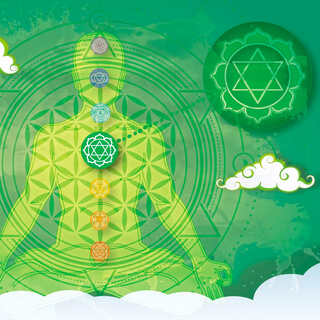
That's so interesting the way you said the god of the tribe because I heard it in the aspects of the chakras that each one has its name.
And there would be – you're right – there would be a god to each one of those aspects except for love.
And it wouldn't.
So I guess everything from love and above or around,
Whatever.
Well,
I have done exercises through the chakras if you say,
Okay,
Just be purely the tribe now – safety,
Survival,
Continuity.
Right?
Okay.
Now,
What does god look like to that?
What does love look like to that?
What does money look like to that?
What does relationship look like to that?
What does career look like to that?
Suddenly – now,
It's going to look from the perspective – from that point of view – that's all you're going to see.
Okay,
Now what does it look like from the point of view of the nymph?
What does God look like from the point of view of the heart?
What does it look like from the point of view of the sage?
The same essence,
Right,
Being seen through,
I often call it the seven eyes of the soul,
The different perspective,
The different lenses through which you perceive things.
But what you are perceiving,
Right,
Now it's the same thing being perceived from seven different points of view.
And what is it that's being perceived?
You.
Wait,
Oh wait,
Wait.
What is being perceived when you're perceiving from all those points of view and each one is you?
Oh wow,
That went.
What is it?
You're sneaky.
What is it?
I snuck that in on that.
Right,
Well what is it that's,
Yeah,
They're all looking at something,
They're all seeing it differently,
But what is it that is being looked at that is being perceived differently?
There is something there,
There's the truth to it.
That truth is you.
That's the real meaning of God.
Wow.
It's beautiful,
That's so helpful.
And it's also to show that not just one point is right,
Correct,
The truth.
It's all of them.
Yes.
Yeah,
It's a perspective.
And what happens,
The whole point I try to make during the chakras is what happens is is that you get attached to one and deny another.
So the emphasis gets put on the tribe.
When it gets put on the tribe,
The others get denied.
So the nymph now becomes the sinful,
Fallen nature and all of that.
The storyteller or the sense of identity has to be completely subordinated to the will.
There is no individuality there,
Right?
It is all the tribe.
And if I become that and identify with that,
I will take up that role.
I will be judgmental and I'll make laws and rules and all those kinds of stuff,
And I will not have access to these other parts.
But if I see them all as different functions of the same beautiful whole,
Suddenly they can flow from one to another,
Right?
And sometimes that tribal energy,
That safety is the most important thing in the moment.
So it takes the lead and then it steps back.
And now the playful nymph player,
The visionary,
There's just so many aspects to human consciousness that it gets lost,
That gets restricted because of this incredible focus on one aspect over another.
And if we look at it just from the whole of humanity,
The tribal aspect has been developing for thousands of years,
Right?
With little pops,
The sages have emerged,
Romantic love has emerged,
The real saints,
The real heart-based people have emerged,
Right?
But this thing has been kind of trudging along,
Right?
And what we're seeing now is the collapse of that.
We're seeing the end finally of the whole tribal period,
I think.
A question comes to mind about,
I get how we're moving forward,
Coming back,
So now this is okay,
Now you take turns over here.
What happens when we've made a vow?
See,
A mother has a child and now that vow is,
I'm dedicating my life to taking care of you,
Making sure you're safe,
I'm now the tribe,
But then that mother wants to travel and be a little unsafe,
You know?
I just go out.
What happens when we have a conflict,
Oh,
I have to go back to work?
Just that conflict,
When we make a vow.
Yeah,
Well that's not the deepest kind of vow.
Those are much more primal,
Much more on the level of the unseen,
The invisible world underneath.
Whenever you make a big decision like that,
When you have a child,
Yeah,
It is a completely different dynamic,
Right?
And you can't just,
You know,
Just toss it off the wind and say,
You know,
Here,
Wait here,
I'll be back in a week.
I'm going to Bali,
Right?
You can,
But by any stretch of the imagination that would be irresponsible.
That wouldn't be merely tribal.
The heart level would echo that same sentiment.
So it becomes an extremely important thing to discover for yourself how to find your own flow,
How to find your own value,
How to not be lost,
Be nothing but the mother.
That's not healthy for the kid either,
Right?
They need examples of developing active,
Lively,
You know,
Alive parents,
Right?
Otherwise they won't know how to be anything other than dullards,
Right?
So there's a need for that constant growth or your soul just withers,
Right?
Unfortunately,
We live in a time and because of the nature of the tribal rules we've all lived under,
Once that happens,
The tribe now is enforcing what you're supposed to be.
This is what a mother does.
This is what the father does.
And of course you don't have any choice in that matter.
And you know,
That's what's consistently happened.
What can then result is a rebellion against that,
Which is the beginning stages of actually finding some balance,
But a rebellion against that,
In which case they can become negligent because they haven't really found the right flow.
It's still quite reactive.
So the bottom line is no matter what comes,
You know,
I've made a lot of decisions in my life and I thought,
Oh,
Goddamn,
I wish I hadn't made that,
Right,
But now I've got it.
Okay,
You know,
And I just can't,
Like when I had children,
You know,
I was young,
I was stupid,
You know,
I didn't know what the hell I was doing.
But once it happened,
What do I do now?
I don't know what to do,
But I know I gotta take care of them.
And I just did whatever I could and they turned out really,
Really good,
But that's the only guidance I had.
I mean,
My family was useless.
I mean,
Their mother was useless.
I mean,
It was like,
What do you do?
But along the way,
I managed to not lose me.
I mean,
To still play music,
I still kept things up.
I had friends,
I had relationships,
I did stuff.
We did stuff together,
Right?
All sorts of stuff I did with the kids.
I learned how to fly airplanes and the three of us flew all over the place together and my youngest son even got a pilot's license because of it.
So you find the ways to keep things alive.
And my son said to me the other day,
We were at a ceremony,
Some kind of ceremony together,
And they asked him what he was grateful for and one of the things he says,
I'm really grateful for my father for always introducing me to big ideas.
So that's a gift that you have.
They don't have to think like you,
But I'm gonna expose them.
You know,
You wanna expose it.
So if you don't develop those in yourself,
What the hell do you got to give them,
Right?
Right,
Yes,
I love that.
That's a good word,
Developing them.
So,
Oh,
That was perfect.
And I wanna say hello to everybody holding on.
I won't let this one,
This is a good one.
Developing what's already in you.
And so it's not,
You know,
We talk a lot about inner reconciliation.
We've been talking about reconciling,
Getting along with,
Putting the puzzle pieces together.
Developing is actually a beautiful word here because we'll hear a calling,
We'll hear that little nudge,
That little like,
Oh,
I wonder,
You know,
Curiosity.
And maybe you'll hate it,
Who knows?
But you know,
Maybe you have to try fiddleheads.
I don't know,
You know,
It's like,
Which I do love.
It's like,
Oh,
What was I thinking?
Well,
You're kind of scary here,
That's why you're interested,
But if you had a course on developing,
Developing yourself,
Your aspects,
What would it be focused on?
How do we do that?
Because it's not self,
This is not self help you guys,
Not self,
What are we talking,
What are you talking about?
Well,
It's self discovery,
Right?
In order to discover who you are,
You've got to clean out all the stuff you're not.
So you have to come to see all the things you believed about yourself that are not true.
And there's some very deep assumptions that aren't just in the head.
They're literally embodied in the entire nervous system as physical structures,
As conditioned patterns,
As programmed responses.
It's not just thoughts.
There's a whole momentum,
A whole programmed being,
Right,
That has developed over time as an interaction with the environment that's not you.
And so your job is to rediscover you,
And in the process that recreates a new environment in which the development can take place.
And it does happen that gently and that naturally.
It's not the kind of thing you have to force.
As I say to people,
You don't,
Yes,
We're going to just dispose of every false belief you have about you,
But we're not taking any new ones on.
We don't need to do that.
We're not going to replace it with better beliefs.
We're not taking any of them on,
Right?
As Nisargadatta put it beautifully,
He says,
Just drop false ideas,
That's all.
There's no need for true ideas.
There aren't any.
That was so good.
That is so beautiful.
Please,
Everybody,
That really got for you.
That was the one for you.
That was so good for me.
And it's also easier.
You make things right.
You said this is the lazy man's religion.
That makes it so,
I was writing down assumption cleanup,
But I like that you said disposal of false beliefs.
And once we remove those,
We are only left with the truth.
You're only left with you,
Yeah.
Yeah,
What's left is you,
Which is the truth.
We're just after the truth of you,
Not some special,
The truth,
Oh,
Right?
It's just you,
Just want nothing left but me,
That's all.
And then things flow.
And that's what this is called,
The flow,
Because then it flows.
There's no speed bumps,
Like false beliefs are almost like speed bumps.
And you might remember which one I started with.
And the big ones,
Not the humps,
Not the ones that are,
The big ones.
Yeah,
Yeah,
And potholes.
Yeah,
It's.
The ones that could rip your undercarriage right out.
The peaceful puzzle,
Just really taking a look at,
I like that to dropping assumptions,
Maybe nobody belongs here in your peaceful puzzle.
Maybe everybody belongs there.
And then to find out what feels,
When we say what feels right,
GP,
What are we,
Where are we asking?
What part of ourselves are we asking?
It's like,
Does this feel right?
Wow,
What an amazing question.
Because,
Sorry,
I got something in my throat.
We oftentimes confuse feeling with thinking.
We think,
Well,
I really feel,
And what I really mean is my opinion is,
It's not a feeling at all.
We have to kind of probe into the depths of it,
Because our feelings too have been programmed.
Our feelings too have been conditioned over time.
So now how we feel about things,
The way is the way we react to them,
Right?
So emotions,
Our emotions are closer to the truth than thinking is,
Because they're visceral,
They're felt,
They're more lifelike.
Whereas thoughts are all completely representational and conceptual.
So they're,
You know,
You don't feel thoughts,
Right?
They don't feel.
So they're even a further step removed,
Abstracted from just the experience of life.
So coming to know what you really feel,
Which is the natural wisdom of the body,
The natural wisdom of the nervous system.
And you can't really get to that until there's been enough inner healing to take place,
That you're beginning to feel the way your body naturally feels when it's not under stress.
We do not realize that right from the get-go,
There's this creative stress that's going on.
And the body can handle it.
It's responding to the environment in the best way that it possibly can.
But when so much of us is getting squashed out,
Where you're not allowed to express yourself,
That is a tension that is now not going towards a creative interaction with the environment.
That energy is all focused in keeping you hidden.
It's keeping the real you from coming out because it's dangerous for you to come out.
That's a different kind of stress.
And it creates the same kind of problems later on in life as the,
You know,
Our stress from work and stuff is.
But it goes completely undetected.
So again,
I'm a broken,
I'm Johnny OneNote here.
The,
The,
I don't know OneNote,
Right?
And that is the only remedy is to know yourself.
We have to do the Ramana,
Somebody asked Ramana Maharshi,
He said,
Go back the way you came.
We have to turn around and start that journey back inward,
Past all the conditions,
The programmed responses,
The fears,
The doubts,
All the way down to their origin,
How they got started and why,
And then go beyond them,
Into that place of the pure peace.
Go beyond the dragons,
Go beyond the demons,
Go beyond the gargoyles,
Right,
That are all waiting there to distract you,
And go right past them to the treasure,
Which is the originally innocent you,
Which is still there,
Because that's the good news.
You can get the hell squeezed out of you,
But it cannot kill you.
You cannot be destroyed.
And that's the voice that's speaking.
And the way I show people to do that is you start with your feelings.
You start by simply letting yourself feel what you're feeling when you feel it,
Without judgment.
Without,
And you'll notice all the habits,
Where you immediately want to put self-help all over it,
Right?
Negative emotion,
Let me get rid of it,
Visualize,
Right?
I'm going to go on my gratitude walk,
Right?
All the things you try to do to try to get rid of those feelings,
And those feelings are you.
They are,
In fact,
The very power that you're seeking.
They're just,
They're not available.
They're squeezed out of shape.
So you simply start by feeling,
You know?
And then I'll do a little thing I call intentional triggering,
Where I'll purposely bring something up that will cause a reaction in the system.
And it just,
It brings you to another level of mastery of being able to be present with the feelings when they're not comfortable,
Right?
And then you find out,
Oh,
They're really uncomfortable.
I don't like it in one bit,
And it's not killing me.
Look at this,
I'm okay.
And you can keep going.
And in that process,
You are creating the safe space in which all of the nasty stuff can come up and go out,
And you can get access to the gold,
Which is the depth of feeling that is the reality of your life.
And that's where all the real joy and passion and fun and intimacy and all the good stuff is there.
Unblemished,
Unmasked,
Unapologetic,
Running naked like a little kid.
That was magical.
I did not even,
I'm glad you recognize the beauty in that question,
Because that was incredible.
And when I,
That brought,
One thing I love that you said,
You're like,
It's not that simple.
I don't,
I just say whatever comes to my mind.
It's really that simple.
What you've done about intentional triggering,
There are some people,
And actually,
I'm trying to think even in my life,
I might've,
I just,
I'm really uncomfortable being uncomfortable,
So I don't often do it,
But I know that a lot of people welcome a sad experience or traumatic,
They want to talk,
They prepare themselves.
No,
They don't.
They want to relive it maybe,
Or talk about it or say it.
Is there a safe,
How do you create that safe place to do it?
Because some people do it and they're living it and going through it again.
And I can't even handle hearing sometimes,
Like,
Why are you talking about this?
It's hurting you.
Yes,
For some people,
That is a way of just trying to turn it into an ego experience.
They can be proud of it.
Yeah,
Or justify it.
Well,
Because they're trying to get some kind of an attention out of it to give themselves some kind of emotional soothing that the attention would give them,
Right?
Then they're,
Because if you really are with that sadness or loss or grief,
And genuinely with it,
It will culminate and dissolve.
And it'll just turn into a memory,
Right?
Without the charge.
The beauty will still be there,
The whatever meant to you will still be there,
But that sense of having something ripped away from you won't be.
And so I think people just kind of go over and over again because what they really want is a soothing,
Right?
But they're afraid to actually go and go directly to that,
The sadness itself,
Right?
And conversely,
People seek these peak experiences,
Bungee jumping and jumping out of a helicopter on skis and all the extreme sports,
Right?
While I admire the skill,
Right?
I know what they're doing.
They're trying to feel alive.
They're trying to get back in touch with something,
An authentic feeling.
And one of the great ways to do that,
And they've known this in rituals for a very long time,
Is confront somebody with death.
Yourself though,
Like confront?
Well,
That's what they're doing.
Of course,
If you see some of these extreme sports,
The things that they do,
You know,
Some guy riding a bike 10,
000 feet on this tiny little cliff,
He says,
Yeah,
He's confronting death,
You know?
Somebody freestyling up the side of a mountain,
Climbing without ropes or anything,
Just their bare hands,
Right,
Climbing up the side.
They are facing death,
Right?
And it's in that space,
In that space they feel whole.
Well,
You don't have to do that,
Right?
And in fact,
It probably isn't going to turn into spiritual awakening.
Oh.
Because it is misguided,
But on the other hand,
It is courageous,
It is getting to a place to have that experience.
The most important thing to see about it is how much having that experience means.
What it means to feel alive.
Okay.
That was so huge.
That's a personal one to me,
Because there are a few people in my life right now who are wanting to do the big grandiose,
Confronting death and to defy it kind of situations.
And I love that you said,
You know,
It in and of itself,
That adventure or,
You know,
Thing is not going to probably be turned into this spiritual awakening or experience.
I can guarantee that it won't.
Only self,
Only self in creative or do.
The same thing is true with plant ceremonies.
They can take you up to that door and you can have these profound experiences,
But they will not enlighten you.
Right.
And I love that you said you had a tail end on that,
That it's the self inquiry about how that.
You have to,
Because the question in all of those,
You're having this experience,
It's extremely profound,
But who are you?
Who is it that's having an experience?
That question isn't being asked.
And that's the only one,
The door that's going to lead you to who you really,
Who it is that has the experience.
What is this consciousness,
This point of cognition to which every experience,
However mundane or however thrilling is appearing.
That is not the same as the experience.
And I only know one way to know what that is.
That was beautiful and helpful.
I just noticed the time.
So there are some questions,
If we could,
GP,
If you don't mind,
Just a couple extra minutes here.
Oh no,
I'm sorry.
I got important things to do.
Business meeting after.
I got a business meeting here,
Rump,
Rump,
Rump.
There you go.
And I just caught this question at the very end and I'll go backwards,
But I do like this one.
Nasrin is asking,
Listening to various spiritual teachers lead to confusion.
When the spiritual teachers are confused,
Yes.
I mean,
There's a bunch of people that you listen to with me,
If you listen to me or Francis Lucille or Ajahn Shanti or Mooji or Rupert Spira or Gangaji,
And there's a few others,
You won't get confused because we're all saying the same thing.
But if you start listening to a bunch of different ones,
Then you might get confused.
And I don't want it to sound flippant because I never want to tell you,
Don't listen to them,
Don't listen to them.
You have to,
You have to listen.
But feeling confused isn't necessarily a bad thing.
I hear a lot of people who used to be fundamentalist Christians saying,
I was getting really confused,
And they pursued the confusion to try to get to its end rather than just retreat and go,
No,
Leave me alone,
Leave me alone in my little bubble.
They felt something there.
So it's not like I can say,
No,
Only listen to me.
Because it's you,
You're going to have to discover these things for yourself.
So you can't just say,
No,
I'm not supposed to listen to that.
But when you listen and it's confusing,
And be curious about it.
Okay,
Why is this confusing?
So he's saying something different than him.
Are they both saying the same thing just so differently that I can't tell it's the same thing?
Or are they saying something different?
And if they're saying something different,
Then what is the difference?
And at that point you go,
Okay,
Well,
Which one of these is true,
Right?
And now you're at a nice solid place to take a big step forward because you've just done the inquiry.
Yes.
For you,
Right?
Because nobody can tell you it's true.
I can't tell you it's true.
All I can,
You know,
I can't give you an answer.
All I can do is point to you and say,
You are the answer.
I love that.
I hope that helps.
That does help.
And yeah,
Confusion,
If there's conflict,
Then there we go.
And I like that.
Curie,
Lots of C words here.
I mean,
Curious.
Yeah,
Lots of C words.
Good C words.
Good C words.
And Mary's asking about the light letter,
Which we mentioned.
You're already on it,
Mary.
You're already on it,
Mary.
You're already on it.
Yeah.
It's just every week I send out the newsletter that's got some things in it and specifically telling about what the show is going to be this week.
And sometimes I don't get it out till the morning of.
But we do try to get things done in advance.
You know,
Mark just made a good point because he said there are a few non-dual teachers who take the heart out of spirituality,
Making it purely an intellectual exercise.
Yeah,
When I talk about not being afraid of that confusion,
It's also confusion of the heart.
Sometimes it doesn't feel right.
Right?
Maybe they have a big following.
You know,
They're really highly regarded.
And you kind of go,
Hmm.
It's like that's good.
That's part of the inquiry.
Right?
And sometimes people do appear to be way more than they really are.
And I've gotten a lot of criticism from people,
Just sometimes even nasty about how I'm not a pure non-dual teacher like somebody else.
And somebody the other day showed me somebody criticizing Mooji and Papaji for not being true to Ramana Maharshi.
Ramana Maharshi says,
So you are,
I guess.
Right?