
The world’s largest free audio library for everyday wellbeing
Real people. Real life. Real time.
Retreat categories
All RetreatsYoga RetreatsWellness RetreatsMeditation RetreatsYoga Teacher TrainingWomen's RetreatsYoga Retreats in BaliYoga Retreats in United KingdomYoga Retreats in AustraliaYoga Retreats in ItalyFind Your Perfect Retreat
Discover transformative Retreats led by Insight Timer's best teachers.Reconnect, recharge, and return renewed.
The world’s largest free audio library for everyday wellbeing
Blog categories
Mental Health and WellbeingTips and GuidesScience and ResearchTraditionSpiritualityAt WorkTop Articles
How to Meditate
Meditation is something everyone can do. Practicing can help improve your health and wellbeing.
Explore MeditationMeditation Timer
Free meditation timer with customizable intervals, bells, and ambient sounds.
Meditation Timer Online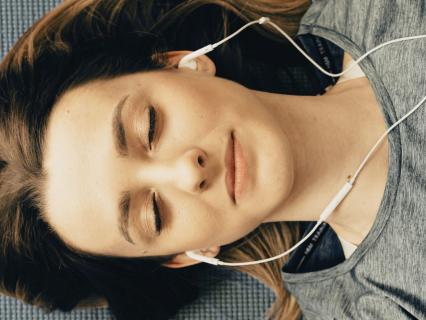
COURSE
Why Your Mind Won’t Switch Off At Night
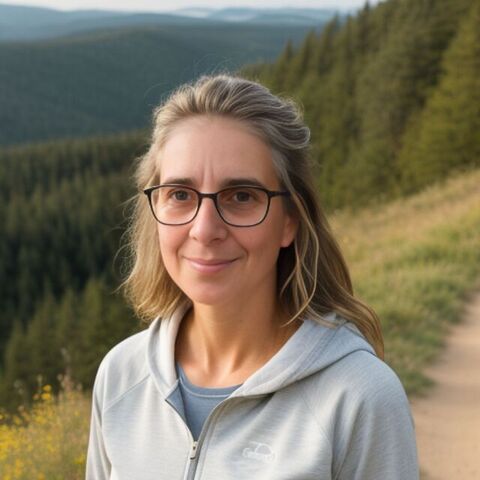
With Kate Plummer
Many people feel tired at night but find that their mind becomes more active just when they want to sleep. Thoughts may appear more quickly, concerns may feel more noticeable, and the effort to fall asleep can sometimes create additional pressure. This course explains why this experience is common and explores how mental and physical activity respond to the transition from day to night. Understanding these patterns can help reduce frustration and create conditions that make sleep feel more accessible. Each lesson introduces a simple idea about how the nervous system settles and why small, predictable cues can support the process of unwinding. Optional practice tracks are available to demonstrate gentle breathing rhythms and simple, structured patterns that can be used in the evening. The course is suitable for anyone who finds it difficult to switch off at night, even when feeling tired. No prior experience with meditation or yoga is required.
Meet your Teacher
read more
6 Days
18 students
5.0 stars
3 min / day
Happiness
English
More from Kate Plummer

Trusted by 37 million people. It's free.

Get the app


