
The world’s largest free audio library for everyday wellbeing
Real people. Real life. Real time.
Retreat categories
All RetreatsYoga RetreatsWellness RetreatsMeditation RetreatsYoga Teacher TrainingWomen's RetreatsYoga Retreats in BaliYoga Retreats in United KingdomYoga Retreats in AustraliaYoga Retreats in ItalyFind Your Perfect Retreat
Discover transformative Retreats led by Insight Timer's best teachers.Reconnect, recharge, and return renewed.
The world’s largest free audio library for everyday wellbeing
Blog categories
Mental Health and WellbeingTips and GuidesScience and ResearchTraditionSpiritualityAt WorkTop Articles
How to Meditate
Meditation is something everyone can do. Practicing can help improve your health and wellbeing.
Explore MeditationMeditation Timer
Free meditation timer with customizable intervals, bells, and ambient sounds.
Meditation Timer Online
COURSE
Law of Karma Explained
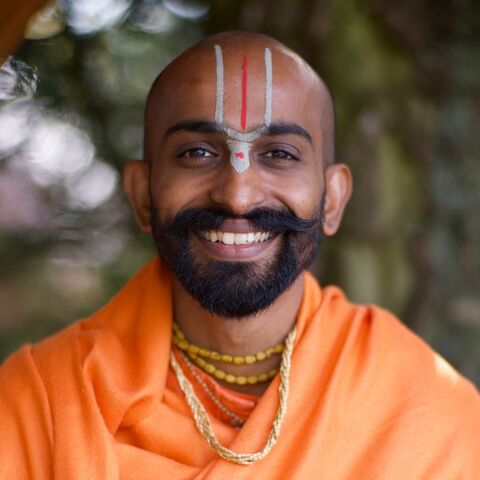
With Swami Chidananda
The Law of Karma is a fundamental concept in many spiritual traditions. It is often defined as the principle of cause and effect, in which every action we take has consequences that ripple through our lives and the lives of others. This course provides an introduction to the Law of Karma, including its origins and practical implications for our daily lives. By the end of the course, you will have gained a deeper understanding of why the Law of Karma exists, how we create karma, the relationship between karma and material desires, and how we can ultimately avoid creating future entanglements. This course is open to students of all levels and backgrounds, and it is perfect for anyone interested in gaining a deeper understanding of the philosophy of karma and how it can be applied to daily life.
Meet your Teacher
read more
3 Days
1.6k students
4.9 stars
16 min / day
Awakening
English
4.9 (115)
Recent Reviews
Karg

September 20, 2026
Interesting content, easily explained. Thank you. 🙏
steph
April 2, 2026
This was great and efficient. It has been a while since I began my studies at an earlier age. Thank you!
Vijay
February 28, 2026
Exceptional guruve! Because you opened my inner eyes like no one before. Please accept my discipleship from so far away! Please make more courses to enlighten me! Vanakkam!
Prakash
October 7, 2025
Great spiritual insights. Thoroughly enjoyed. Thank you.
Sudeep
July 23, 2025
After going through the course I realised that my own conception of Karma totally in accurate. I now have a much better understanding of Karma. Thank you very much. 🙏
Francesca
June 14, 2025
I will listen again so I can ensure my understanding and awareness of the basic concepts related to karma . I truly look forward to your next course on dharma and living in awareness of the divine
Yagika
April 30, 2025
I feel so blessed, I had been trying to read Bhagwad Gita, but my basics weren’t in the place. With this course everything all of a sudden has started making sense
Corina
June 16, 2024
Thank you🙏
Sarah
May 7, 2024
Very informative and helped me understand this topic a lot more!
Geetu
October 11, 2023
Excellent course
vjh
October 5, 2023
Thank you. Clear explaination and helpful.
Mystic
September 15, 2023
I now have an even better understanding of Karma. Thank you so much 🙏✨🌹
Cherlynne
August 31, 2023
Complex but eye opening
Olivia
August 30, 2023
Sometimes you just know you are in the right place to learn. This is the place . Thank you for your teaching you are a blessing 🌺
Eido
August 29, 2023
Thank you very much I love listening to your courses . It’s a very deep subject and I find it fascinating. I would let everything sinks in, and I would probably listen to it again. Keep going the good work Much appreciated, ido🙏🏼
Ernie
August 27, 2023
Fantastic insight
Tay
August 22, 2023
Fantastic course!
Maria
August 21, 2023
I loved the way it was explained, simple and easy, as the whole concept it is quite complicated. Thank you to bring it up in this way!
Rebecca
August 21, 2023
Beautiful 🙏🏽 Namaste
Charmaine
August 20, 2023
Interesting and enlightening, thank you for the clarity on this subject.
More from Swami Chidananda

Trusted by 37 million people. It's free.

Get the app


