
The world’s largest free audio library for everyday wellbeing
Real people. Real life. Real time.
Retreat categories
All RetreatsYoga RetreatsWellness RetreatsMeditation RetreatsYoga Teacher TrainingWomen's RetreatsYoga Retreats in BaliYoga Retreats in United KingdomYoga Retreats in AustraliaYoga Retreats in ItalyFind Your Perfect Retreat
Discover transformative Retreats led by Insight Timer's best teachers.Reconnect, recharge, and return renewed.
The world’s largest free audio library for everyday wellbeing
Blog categories
Mental Health and WellbeingTips and GuidesScience and ResearchTraditionSpiritualityAt WorkTop Articles
How to Meditate
Meditation is something everyone can do. Practicing can help improve your health and wellbeing.
Explore MeditationMeditation Timer
Free meditation timer with customizable intervals, bells, and ambient sounds.
Meditation Timer Online
COURSE
Keys To The Buddha's Central Teachings
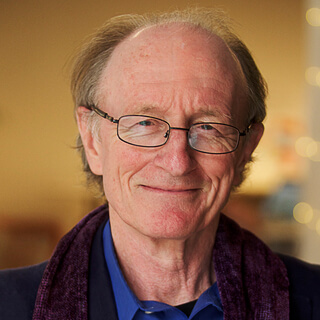
With Hugh Byrne
The Buddha's teachings offer the radical potential to end suffering in our lives. He taught a path to abandon painful and afflictive states and cultivate those that lead to the deepest freedom possible in this human life. In this course, we’ll explore the Buddha’s teaching to free the mind and open the heart: This. course on the Four Noble Truths—the Buddha’s teachings on suffering and the end of suffering--will help you 1) understand suffering and the different forms and expressions it takes and recognize and acknowledge when you are experiencing suffering (the first noble truth); 2) understand the cause of suffering--craving--and how clinging to what we want and pushing away what we don't want locks us in suffering and recognizing how, by letting go of craving/clinging--we can experience well-being and freedom (the second noble truth); 3) understand and realize the experience of freedom--Nirvana--that comes from abandoning clinging (the third noble truth); 4) develop the path to the end of suffering--known as the Noble Eightfold Path: a training in living wisely and compassionately, training the mind, and cultivating wisdom. In this six-week course, using the metaphor of a 'key' that allows us to exit from unhelpful states and enter and cultivate beneficial states, we’ll investigate each of these central teachings, how they relate with each other—and how, when wisely cultivated, they lead to the deepest well-being and freedom. Each session will include a period of guided meditation and a talk on the teachings.
Meet your Teacher
read more
6 Days
6.7k students
4.9 stars
32 min / day
Acceptance
English
4.9 (636)
Recent Reviews
Camellia

July 17, 2026
Such well constructed courses, and such an easy voice to listen to. Thank you 🙏
Granny
June 17, 2026
My appreciation for this course I found it very inspiring and I will complete it again in the future. Love Granny in Nola🙏⚜️🙏
Joe
June 4, 2026
One of best courses I have taken.
Omar
May 7, 2026
Thank you 🤩 so much for this great 😊 course. Very helpful
Mark
April 27, 2026
Clear and concise. Thank you!
Rebecca
March 2, 2026
This course is so helpful in deepening my understanding of the practice. I will come back to it again I’m sure. Thank you
elissa
December 20, 2025
This course is so good. The exact right amount of information, parable, quotes and instruction to bring the four noble truths to life. Even if you have studied Buddhist thought I think you will enjoy it as a gentle daily reminder.
Fi
November 30, 2025
Really enjoyed this. Thanks so much
Maggie
October 27, 2025
Thank you so much for this wonderful course.
Hedy
October 25, 2025
Thankyou Hugh I have a long journey ahead I look forward to the wisdom it will bring
Troy
September 29, 2025
This was a clear and practical introduction to the four principles. It will allow me to identify steps that I can take to improve my life. Thank you.
Linda
September 15, 2025
Excellent class! Many thanks for your teachings.
K
September 6, 2025
Wonderful course, beautifully delivered, thank you!
Michele
September 5, 2025
A beautiful overview of the Buddha’s teachings! Loved this course!
Angela
September 1, 2025
Thank you for this lovely framework of the four noble truths. I especially loved Hugh Byrne’s calm voice and his sharing of his deep wisdom through explanations, examples and quotes by poets and writers about Buddhism.
Scott
August 29, 2025
Exceptionally thoughtful, kind, gentle and informative.
Lee
August 26, 2025
This was an informative and concise introduction - very much what I was looking for. Delivered with an air of peacefulness in well measured servings that satisfied, but left me eager for the next installment. I completed the course as suggested over six days and that worked well for me. I look forward to exploring his other courses.
dale
August 25, 2025
Who knows how many lives you have changed, Hugh? Mine for sure! Having just experienced a tragic event followed by ultimate clinging, I am beginning my path to Nirvana. I am ready. My thanks to you.
Danielle
August 20, 2025
Thank you for this wonderful course, Hugh. The 4 noble truths are so simple, and so incredibly challenging. 🙏
Liz
August 17, 2025
Beautifuly created and produced. I will take this course again to reinforce it's message for me. Hugh is a gifted teacher, and I am thankful for his courses and meditations.

Trusted by 37 million people. It's free.

Get the app


