
The world’s largest free audio library for everyday wellbeing
Real people. Real life. Real time.
Retreat categories
All RetreatsYoga RetreatsWellness RetreatsMeditation RetreatsYoga Teacher TrainingWomen's RetreatsYoga Retreats in BaliYoga Retreats in United KingdomYoga Retreats in AustraliaYoga Retreats in ItalyFind Your Perfect Retreat
Discover transformative Retreats led by Insight Timer's best teachers.Reconnect, recharge, and return renewed.
The world’s largest free audio library for everyday wellbeing
Blog categories
Mental Health and WellbeingTips and GuidesScience and ResearchTraditionSpiritualityAt WorkTop Articles
How to Meditate
Meditation is something everyone can do. Practicing can help improve your health and wellbeing.
Explore MeditationMeditation Timer
Free meditation timer with customizable intervals, bells, and ambient sounds.
Meditation Timer Online
COURSE
Mastering Presence: Being & Becoming Aware
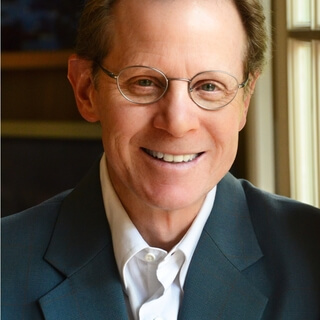
With Dr Dan Siegel
In this 10-day course we will explore the nature of being aware; of how we know we're having an experience of being alive. These 10 short lessons explore the nature of presence and how cultivating a receptive, open awareness is associated with well-being in our bodies, integration in our brains, and connection with other people and the world around us. We will explore how consciousness can be integrated to cultivate presence using a Wheel of Awareness and discuss five individuals who are able to transform their lives using the Wheel as an image and a meditative practice. A scientific view of the nature of presence and the origin of awareness will be provided. The aim of this course is to leave you with a better understanding of how cultivating various aspects of being conscious can transform a life.
Meet your Teacher
read more
10 Days
10.5k students
4.4 stars
14 min / day
Stress
English
4.4 (358)
Recent Reviews
Susan

December 3, 2025
I did enjoy this course but some of the concepts were quite hard to grasp therefore I will need to listen to it again to get a full understanding.
Pia
December 25, 2024
💝
Elizabeth
December 9, 2023
Excellent Lots of great content
Dawid
September 1, 2023
A deep understanding of presence cultivate growth in self awareness and common humane connectedness in all relationships.
Heidi
June 23, 2023
Love this concept of Mwe
Stephen
May 23, 2023
Dr Dan course integrates the brain and the mind with his breadth of insights into presence and the science of the brain. He brilliantly brings alive the potential for personal and connected integration through concepts of the ‘wheel’ and the idea of ‘Mwe’, through the reality of what presence really means.
Kathy
May 11, 2023
Transforming! Dr Siegel discusses research & ideas that merge understandings from meditation & therapy using the Wheel of Awareness tool. Incredibly profound, freeing and hopeful for a more loving, intraconnected world.
Shannon
April 4, 2023
Thank you for offering this course. It has been helpful to understand what is happening in my brain as I learn how to become more present.
Doug
December 19, 2021
Deeply interesting, the visualisations really help to integrate all the learning of psychology and meditation I’ve done thus far.
Todd
November 21, 2021
🙏👍 excellent!
Denise
October 23, 2021
Incredibile course: profound, professional and clear. I will listen it again. Thanks
James
September 20, 2021
Even following the actual wheel from the WoA website, this is a difficult follow. Great content, this style just didn’t work for me.
bob
August 20, 2021
Good start. The wheel is an excellent concept. His stories of its applicability in therapy and elsewhere became less interesting.
vjh
August 20, 2021
Fascinating. I want to learn more
Claudio
August 18, 2021
A crackpot's spiel. The only useful concept is banal, the rest consists of a few stories and ridiculous ramblings attempting to connect quantum physics, neurology, and the mind, The guy clearly doesn't know what he is talking about, and brings forward falsehoods and idiocies with the same conviction of a priest during a sermon, with analogous results.
Lisa
August 15, 2021
Wonderful, thankyou
Eva
May 31, 2021
Mycket intellektuellt klargörande beskrivning av närvaro.
eric
May 17, 2021
Some of the blast were way over or heads.
Pamela
May 10, 2021
Insightful & clear I really enjoyed each blast & will work towards being more present in the moments of my life 🙏🏼☀️💕
Dani
April 28, 2021
Loved!
More from Dr Dan Siegel
Trusted by 37 million people. It's free.

Get the app


