
The world’s largest free audio library for everyday wellbeing
Real people. Real life. Real time.
Retreat categories
All RetreatsYoga RetreatsWellness RetreatsMeditation RetreatsYoga Teacher TrainingWomen's RetreatsYoga Retreats in BaliYoga Retreats in United KingdomYoga Retreats in AustraliaYoga Retreats in ItalyFind Your Perfect Retreat
Discover transformative Retreats led by Insight Timer's best teachers.Reconnect, recharge, and return renewed.
The world’s largest free audio library for everyday wellbeing
Blog categories
Mental Health and WellbeingTips and GuidesScience and ResearchTraditionSpiritualityAt WorkTop Articles
How to Meditate
Meditation is something everyone can do. Practicing can help improve your health and wellbeing.
Explore MeditationMeditation Timer
Free meditation timer with customizable intervals, bells, and ambient sounds.
Meditation Timer Online
COURSE
Hindu Concepts To Improve Your Daily Practice
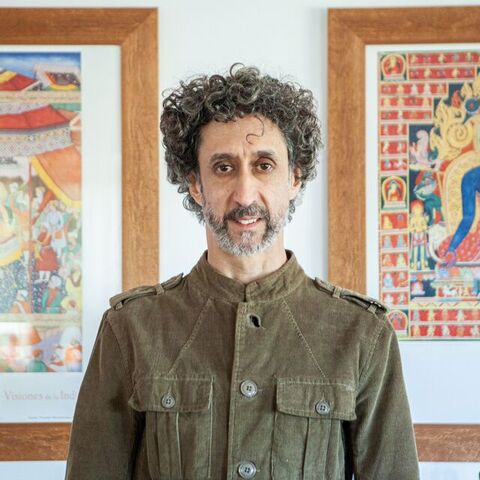
With Jim Rajan
Mahatma Gandhi said, ‘Hinduism insists on the brother and sisterhood of not only all mankind, but of all that lives’. This ancient religion has brought us some of the most well-known pillars of meditation practice. And yet, our separation from them causes them to fall into mysticism. This course puts the theory into practice in a simple way. It’s designed to enrich your experience of this life, clarify many lost foundations, and help you undergo a transformation from the inside-out. In this course, you will learn how to bring new meaning to your life, how to cultivate a growth mindset, and how to life in a more confidence, empowered way.
Meet your Teacher
read more
10 Days
4.0k students
4.9 stars
16 min / day
Wisdom
English
Ask your teacher
This course includes 91 community questions and 16 audio replies from Jim Rajan. The community classroom and teacher audio replies are only available via the app.
4.9 (251)
Recent Reviews
LaMya

July 23, 2026
Absolutely beautiful 🤍
Cheryl
December 13, 2025
Quite a gift.
Kate
November 23, 2025
If I could start every day for the rest of my life listening to one of your course lessons, I would! Thank you! Thank you!!
Kathleen
October 23, 2025
Thank you for this course. I just completed it the second time and saving it to go back to again.
Susan
June 9, 2025
These messages are instructive and important to one's healing. Thank you, Jim, for sharing them with us in such a loving way!
Julie
June 5, 2025
Your courses are inspiring Jim and such a valuable resource to tap into many times. Thank you 🙏❤️
Margarete
February 27, 2025
I thoroughly enjoyed this course and will continue with these lessons! Thank you! 🙏
Dale
December 30, 2024
I really enjoy this course and learning more about Hindu practices and how to apply them in my life. I have been going through this course fairly regularly for a few months and enjoy using it to remind myself of these ideas and finding new ways to apply them.
Matt
December 25, 2024
I only wish every person in the world did this course just once. Such beautiful lessons for a beautiful life. Thank you so much for this amazing course. Looking forward to putting these lessons in action. Peace and love.
Cathy
July 6, 2024
Beautiful teaching. Thank you.
Lucia
June 23, 2024
This course is magic. I will revisit it with certainty! So much to ponder and absorb! Thank you, Jim, for your beautifull poetic sharing of these teachings. With gratutude. 🙏💗🙏
Fungi
June 1, 2024
Great course with beautiful music. I really enjoyed learning more about the concepts I know and discovering new concepts. Thank you for the quiet time at the end of each explanation. It was nice to just let the ideas sink in with the beautiful music in the background 😊🙏🏿💛.
Wendy
April 15, 2024
Here’s another amazing course by Jim Rajan‼️ He simplifies Hindu teachings that anyone can apply to their lives. I love how he shows us it’s not about religion but about how these basic practices can apply to ALL humans. Thank you Jim 💖🌺🩵🙏🏼🤩🔥🌈🔑
Miriam
March 24, 2024
Very insightful
Meghan
March 21, 2024
Very nicely expressed concepts and means of applying them to your own life. 🙏🏼 Thank you 🙏🏼
Nancy
February 24, 2024
Awe inspiring 🙏as all your courses are. Thank you so much for your insight captivating and love filkled work. Most grateful, thank you. ❤️
Bob
January 25, 2024
Fabulous. Incredible. A true vision of life. Thank you.
Sandy
December 23, 2023
Thank you for taking the time to share this with us I learned so much
Mary
November 25, 2023
I am very grateful to have been able to learn with you. I am working on myself currently and understand even more now how important it is to do this first. I look forward to serving others in the near future with love
Carol
November 12, 2023
Thank you 🙏🏼

Trusted by 37 million people. It's free.

Get the app


