
The world’s largest free audio library for everyday wellbeing
Real people. Real life. Real time.
Retreat categories
All RetreatsYoga RetreatsWellness RetreatsMeditation RetreatsYoga Teacher TrainingWomen's RetreatsYoga Retreats in BaliYoga Retreats in United KingdomYoga Retreats in AustraliaYoga Retreats in ItalyFind Your Perfect Retreat
Discover transformative Retreats led by Insight Timer's best teachers.Reconnect, recharge, and return renewed.
The world’s largest free audio library for everyday wellbeing
Blog categories
Mental Health and WellbeingTips and GuidesScience and ResearchTraditionSpiritualityAt WorkTop Articles
How to Meditate
Meditation is something everyone can do. Practicing can help improve your health and wellbeing.
Explore MeditationMeditation Timer
Free meditation timer with customizable intervals, bells, and ambient sounds.
Meditation Timer Online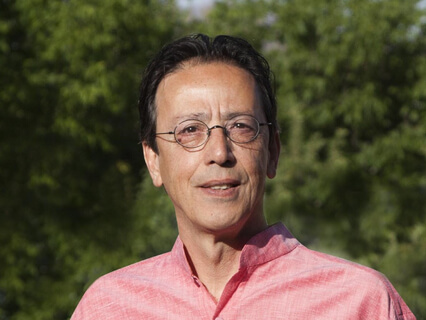
COURSE
Coming Full Circle (Self-Transformation)
With Kambiz Naficy
Kambiz Naficy offers you 40 years of coaching experience through a unique approach to self-transformation—he calls it Coming Full Circle. Kambiz guides you in identifying the root of self-limiting beliefs, thoughts, and habits that are keeping you stuck and cheating you from greater joy. Through seven in life-lessons that include actionable exercises, Kambiz guides you through the process of cleansing and replacing any unhealthy programming with empowering thoughts and emotions that allow you to break through to emotional and personal freedom. After taking this course, you will reprogram negativity and break free for good. Kambiz Naficy recommends that you live out each of the seven life-lessons for four days (total of 28 days) to fully experience the teachings of Coming Full Circle.
Meet your Teacher

read more
7 Days
1.2k students
4.9 stars
14 min / day
Sleep
English
4.9 (71)
Recent Reviews
Valorie

September 26, 2026
Beautiful thank you! Especially loved the last one on prayer and meditation
Eva
February 28, 2026
A clear teaching about being human in this cluttered world and yet preserving our tender heart in connection to our higher self and creator. I love the warmth in this voice.
Patty
January 24, 2026
🙏🏻
Mazi
September 22, 2024
Truly honored to go through this powerful course with the master coach , Kambiz Naficy. Application of the knowledge in this course is my intention. Thank you so much Kambiz. With the deepest Love and Gratitude 🙏🔥❤️
Heather
September 5, 2024
Very inspirational
Val
August 9, 2024
Very, very insightful. I loved the course. Thank you 🙏🏻
Faye
June 19, 2024
I highly recommend this course, very calm relaxed manner in which it is taught, full of information and excercises. It will make you think, feel, challenge, be still, connect differently to your thoughts and feelings. I will be going over the course again as there is so much great information and I want to absorb it fully. Thank you for making this course. Blessings🧡
Francesca
February 20, 2024
Thank you for your lessons, little pearls that helps me on my path. I wrote down all the questions so that I could read them and meditate. I’m grateful to you Kambiz, all the blessings ✨
Carolyn
December 10, 2023
I’m a kryia student. I walk in love and gratitude for your guidance .
Mary
December 9, 2023
Very helpful course! I learned a lot. Will relisten. Repetition, repetition, repetition! Thank you ❤️❤️
Luis-José
October 2, 2023
,
Tanya
May 15, 2023
Each succintly designed session could easily be expanded and enjoyed over more days. The course is well written and presented. Each session has a number of exercises to try. I will be coming back regularly to learn more deeply. For this course has the power to grow with me as I begin to understand more about myself.
Nancy
March 13, 2023
Amazing!
Kim
February 10, 2023
Great material. I wish questions were posted. Made the exercises tricky to do. Thankyou
brenda
January 18, 2023
This was excellent I'm going to listen to it again
Justine
November 30, 2022
This was so to the point and gives things to actually work on. I found he was talking to me not at me which is something I felt in my heart! Thank you!
Catherine
November 12, 2022
Absolutely fantastic Very thought provoking Practical tips that I plan on implementing I am going to play again and take notes Beautiful calm speaking voice I also love the affirmation meditation that you recommended Thank you you are a font of knowledge
Irwin
November 11, 2022
Such a beautiful course. I learned a great deal and now hope to integrate it into my life. Thank you 🙏!
Phyllis
October 11, 2022
Thank you for a course that was soft and gentle with so much impact. I think this is a course I will return to over and over. Blessings
Nette
July 28, 2022
I loved the course a lot as it gave me a lot of tools to deal with fear and self-sabotage. I will repeat the lessons to do all the helpful exercises! Thank You very much
More from Kambiz Naficy


