Could you just take a minute and introduce yourself?
Yes,
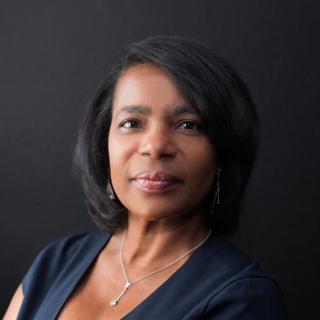
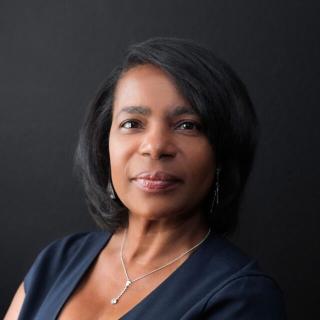
My name is Heather Fusile,
But you can call me Healthy Heather.
I earned that nickname from years of working with others to help them to reconnect or to connect with the elements of their life that help them live in balance and in true harmony with themselves.
I'm a National Board Certified Health and Wellbeing Coach.
I am an Employee Wellbeing Consultant.
So I work with individuals to help them achieve balance in life and I work with organizations to help them create worksite well-being programs for their employees.
Excellent,
Excellent.
Though before you became,
Before you started working with individuals on finding balance in their lives,
You had your own health journey,
Yes?
Oh,
Yes.
I think,
How many friends do you have that are now coaches,
Right?
We all are coaches now.
And I think that a lot of people who are working in a coaching space are there because they've had a personal experience or,
You know,
Some type of a passion for the subject matter that has inspired them to get to a place where they can actually help others with the same type of experience.
So yes,
I'm healthy Heather now,
But I haven't always been.
I've been down that road of being overweight and stressed out and confused about what my priorities were in life,
Approaching burnout and still feeling like I had to be running on that hamster wheel.
Okay.
Now,
There are a lot of people who are in that situation currently,
Overweight,
Stressed out,
Unhealthy,
Diseased.
What was it that triggered you?
To take the path to health.
I don't know that it was really one thing necessarily.
I just got to where I was tired of running on the hamster wheel and felt like this shouldn't be so hard.
Maintaining a human body shouldn't take this much work.
And I felt like I was probably making things more complicated for myself than I needed them to be.
And so I started really just simplifying my life and looking for opportunities to slow down down and become a partner with myself and start to really honor what my body needed,
Regardless of what the noise of social media and pop culture told me that I needed.
I am so glad you said that.
I am truly disturbed by the level of influence that fakeness has in our world.
Just this facade of being healthy and happy.
Is it really is leading us,
I believe,
Down the wrong path.
So I'm really glad you mentioned that.
And in order to write your yourself.
How did you start looking into or discovering or reconnecting to your own personal truth,
Your own true priorities?
Really.
Good question.
I've always said I'm going to have a podcast called That's a Good Question.
Start with,
That's a good question.
But it is a good question.
And I think it's because there's so many facets to that process.
Understanding my personal truths was difficult,
Because what I really came to understand was that while I might be in charge of my life,
I'm not necessarily in control of some of the elements that are the most important to me.
That was difficult to accept.
But when with a lot of help,
You know,
Going through having going through therapy,
For one,
I recommend everybody have a great therapist,
Because it's always helpful to have somebody who's not in your life,
To help point things out and ask the right questions and hold things up in a different light for you.
But then also choosing to really get to know myself and meet myself compassionately instead of looking for what needed to change or what I felt I wanted to change,
Instead looking at what I really liked and what was going well and looking for where I could build on that foundation.
Okay.
Yeah,
It's too bad that we don't like ourselves.
Most people don't like themselves and they're looking outside to some thing or someone else to validate them,
To give them confidence.
Well,
That doesn't come from without,
It comes from within.
So thank you for mentioning that.
I've often thought that it's an interesting mix to feel like I like myself.
And I think a lot of people have this sense that I like myself.
I think I'm a cool person and I like all of the things that I do,
But I don't know if it's enough.
And.
.
.
That's a common question that we hear,
Am I enough?
Is what I'm doing enough?
And part of the reason why we're driven to so much burnout is because we don't know.
And especially with the noisy life that we live in now,
There are so many people telling us that we're not doing enough and it drowns out our inner voice.
Mm-hmm.
I'm curious.
I'm sorry,
Say that again.
Makes us doubt ourselves.
Yes,
It does.
I'm wondering though,
When you get that question,
Are they enough for what?
Yeah.
And what would be enough?
Right.
Right.
What would be enough?
It would be like if your child came up to you and said,
Am I enough?
Of course,
You're more than enough.
There's never an end to what that could be.
But we don't ask ourselves that question and we don't believe the answer that we hear.
Okay,
So we left off,
We touched on true priorities,
But so I just want you to define that.
What does that mean for you?
Living with your true priorities is something that takes time to discover.
And I'm glad you asked because I happen to have one of my favorite tools right here.
I like to imagine that this piece,
This ball of yarn.
Is sitting over here representing all of the time that is to come.
All of the time that is undone.
And then I've got the other end of this ball of yarn on the floor here next to me.
And it represents all of the time that's already come.
Dinosaurs and the cavemen and tectonic plates and everything.
And then we've got this little spot.
And it's about 79 years.
We've got eons and eons before us,
Eons and eons ahead of us.
And we humans get about 79 years.
But if we imagine we've got about 79 years that we get to live on earth.
What do you want that to be about?
What is that legacy that you want to leave?
When people talk about you in the past tense,
What do you want to be remembered for?
I think that Maya Angelou probably said it best when she said,
People might not remember what you did or what you said,
But they remember how you made them feel.
I think that's one of the first questions that we ask when we are trying to identify what are our true priorities.
When you leave this earth,
What will you want to have done?
What type of impact will you have wanted to make?
And that might feel overwhelming in the span of like,
I don't know,
It's Thursday.
I just have to go and pick up food and get everybody home.
But if you can create some space where you can start to think about those things.
And then pay attention to how you feel in different circumstances on good days and bad days.
And instead of just looking at the surface of what happened,
Start to dig a little bit deeper in and ask,
Why did that annoy me?
Why did I enjoy that?
What does that symbolize?
And Is that something that needs to be explored more?
Is that something I absolutely need in my 79 years?
Or is it something that I absolutely don't need?
And then you're starting to get a little bit closer to identifying what your priorities are in life.
Okay,
So you're talking about honest self-reflection.
Honest.
Oh my gosh.
Yes.
I think so.
You can't get anywhere with the falsehood or pretense.
No,
You've got to tell them what you want,
What you really,
Really want.
So how do you help your clients?
Do that because,
Um,
How do they identify their two priorities?
Number one,
Without guilt.
And if there is guilt,
How do you help them manage that,
Process it?
The without guilt is an asterisk,
Because I think that at the very beginning stages of living in your true priorities,
There is guilt associated with it,
Because we've been conditioned,
Especially as women,
To be selfless in service to others,
And that any time spent in service to ourselves is selfish.
And so I think there is some natural guilt that happens there,
And that's to be expected.
My clients to understand,
You know,
That's going to be part of the process.
And we'll,
That will fade with time.
But I really like the,
The model of,
I think it was President Eisenhower,
I'm not sure if he developed it,
But I know that he's famous for saying it,
But focusing on what's important rather than what's urgent.
And if you can give yourself the luxury of some time to pause during the day when events happen and ask yourself,
Is this what is important?
Does it belong in my 79 years?
Does it belong on my tombstone?
Is it in my eulogy?
Or is it just feel important because it just showed up and it's urgent?
And when you start spending time really evaluating those things,
Then you can start pulling out what was really important today.
What am I really glad got my attention today?
And what didn't get my attention,
It turns out it wasn't a big deal.
I didn't need to worry about that after all.
And allow yourself to be in that space where you're observing without judging,
Without evaluating.
You're just noticing and collecting some data about how you live and how you feel about the things that happen during your day.
Without making a decision about,
I liked that,
I didn't like that,
That's good,
That's not good,
But just allowing it to be.
Okay.
All right,
So we'll get to judgments in a minute.
I just want to clarify for the audience though that Give us an example of something urgent that's not important.
Obviously,
If your kid falls and injures themselves,
That's urgent and that's going to disrupt the day.
What's an example of something that shows up that's urgent and not important?
Well,
I'll give you an example of something that happened just this morning for me.
And in my list of things that are important,
That includes being present with my children and my family.
So being available when they need me.
It means,
You know,
Working at a high level of integrity with my clients and honoring my word.
And it means being present in the business relationships that I have.
Those are what's important to me.
That,
That belongs in my 79 years.
And so this morning,
I had a series of appointments set up and a sick child.
Now,
What is urgent is my sick child.
And it also turns out it's important.
And so I was able to then go to the appointments that I had set that are also important,
But not urgent at this point,
And ask to be able to move those.
And it's hard to determine where your energy needs to go.
And that's why it's really important to start with a clear vision.
What you want your life to be like and to spend the time really creating and crafting a Vision whether it is something visual like a vision board or a vision statement or a combination of things So that when you do get into those pressure cooker moments You've got a map to go back and consult to remind yourself This is what I'm working towards and then it becomes easier to decide how to think spend your time.
Okay,
I like that.
A map,
So you don't have to guess or rely on GPS,
Which works maybe 20% of the time.
I like that a lot.
I put in the wrong address and then I start going all kinds of crazy places.
Right.
So once you get an idea of what's most important to you,
The foundation of your true priorities,
How do you stay committed to them,
Stay true to your purpose and your priorities when there's interference or these distractions?
Well,
It's tricky.
The more clear and pure your priorities are,
The easier it is to stick with them.
Some of the priorities that I mentioned earlier were about working with integrity,
Honoring my word,
Being connected to family.
Those are pretty broad statements.
It's pretty easy to ask,
Am I being,
Am I working with integrity right now?
Am I honoring my word?
Am I connected to my family?
And there are.
Simple answers to those questions,
You know in your gut,
Whether or not you are honoring those priorities.
And so when I think about those types of priorities,
That's the big stuff in life.
And we get bogged down in the little things.
We get bogged down in what project do I start working on?
Or what are we going to have for dinner tonight?
Or how am I going to get everybody to their activities on time?
And those are the things that distract us from our true priorities.
Because at the,
I,
I think at the end of the day,
It's such a cliche,
But at the end of the day,
People don't remember what you did or what you said,
But they remember how you made them feel.
And you will remember how you made yourself feel throughout your life.
Yes,
Yes.
You mentioned your vision.
Now,
What comes first,
The vision or identifying the priorities?
The vision.
The vision helps you to identify the priorities.
When you create the vision that you want,
Your priorities become clear.
What are the questions we should ask ourselves when we're creating our vision board or our vision statement?
A question that I like to start with is,
What word would you use to describe your life right now?
And what word or words would you like to describe your life in six months?
Or if we had a crystal ball or a time machine and we could go into the future and we visit you in three to six months or a year,
What would you like to see yourself doing?
What types of behaviors would you like to see yourself doing on a regular basis?
And what would you like the outcomes of those behaviors to be?
And you mentioned the word honesty earlier,
And I think it's really important to do that honesty check of,
Am I choosing behaviors and outcomes that I truly want for myself,
Or that I think I should do,
Or that are beneficial to other people,
Or what other people want me to do?
And so.
Being able to honestly tell yourself,
This is how I want my life to be.
And that's fair.
You know,
When you're thinking about the big themes of life,
Most people aren't selfish about what they really want in life.
Okay.
That's because we get hung up on what you just said,
The shoulds.
People shoot all over themselves all the time.
How does one stay true?
So they get the vision,
This great vision,
Set the priorities.
How you teach your clients to stay true to their vision,
Their priorities,
Their purpose with the outside interference and the should statements.
It's a regular practice.
It's the type of thing that you show up for every day and make space for yourself to check in.
And pay attention to whether you're still on the map.
You know,
Sometimes you are running,
Running,
Running,
And you're working,
Working,
Working,
And then you look around and you're not sure whether you really did anything.
It's a pretty good sign that you're not on the map anymore.
You've strayed from your vision.
Okay.
And then just gently going back,
Just like with meditation,
When you notice you strayed.
You just don't know that.
Oh,
Gently.
That's a tough one because we tend to be so self-critical.
The negative self-talk,
The negativity bias are big in our internal conversations.
So how do you work with your clients on that and how to be their own best teammate?
I have it too and when I start noticing my own negative self-talk or my negative Nelly piping up,
I just remind her,
Hey,
We're not doing that today.
You know,
We're not doing that today.
That's not how this works.
That's how we used to do things,
But we're not doing it now.
And we're going to move forward with compassion because we're working together as a team.
Okay.
And believe it or not,
She listens.
I like that a lot.
We're talking about self-compassion.
What does that mean for you?
Life is short,
Y'all,
And we are making it way more complicated than it needs to be.
There is a really short list of things that we actually have to accomplish during the day.
You know?
Be excellent to each other.
You know,
Just take care of the people around you.
Keep everybody alive,
Fed,
Clothed,
Housed.
We are making it way more complicated than it needs to be.
And we need to give ourselves a little more credit.
We're doing some pretty amazing stuff.
So I think self-compassion starts with some perspective.
Okay.
And that comes from that honest self-reflection.
Yes.
Yes,
And I think also having a great network around you that will remind you when you're shooting on yourself.
So that you can stop.
Okay,
Okay,
Well Now you have your vision,
You have your priorities,
You understand.
Actually,
Let me ask you this instead.
Once you have your vision,
And you have your priorities,
Does that necessarily lead to what your purpose in life is?
Oh gosh,
No,
That's a to-do list.
So your purpose in life is to discover your gift and give it away to everybody that you see.
Your priorities and your vision is what you actually want to accomplish.
And I think those two things can be very linked together,
But ultimately they're separate.
I believe that our purpose in life is to help others connect with joy.
And our vision and our priorities are maybe how we go about doing that.
Okay,
That is a very interesting distinction,
Which I really like.
I really like.
Your purpose is about your unique gifts.
To give away.
How does one go about discovering their purpose,
Their gifts?
That's tricky.
I don't know whether I've really discovered it myself.
I think it's part of that process of of self-compassion,
Staying where you're curious,
Staying where you feel that you are in that positive feedback loop where what you're putting out into the world.
Is.
Is positive and that what's coming back to you is coming at a rate.
At which you can respond.
And that comes right down to priorities.
If you're distracted by little things that come up during the day,
And you're not able to really stay in your vision and in your purpose,
Then you're going to get overwhelmed with all of the opportunities that are coming to you.
And being able to have a pretty good idea of what's important to me in this season of life or in this season of the year.
And really being able to discern where does my attention need to be so that I can honor that.
Okay,
Okay.
Now I,
On my own journey,
I'm on the journey to discovering my gifts once I even identify with my gifts.
R.
The expression of them changed over time.
Really?
I don't want to say my age,
But in my 20s,
It was it showed itself in one one way.
And later on,
It changed two or three times afterwards.
So do you find that with your clients that the expression of their gifts or the presentation of the gift changes over time?
Definitely.
I think that the life that we imagined for ourselves in our 20s is not one that we would be content with in our 40s.
And in the same way,
The way that we can share our gift changes as our emotional intelligence changes,
As our life experiences change,
As our resources change.
Definitely.
I think it's always in movement.
Okay.
Oh my goodness.
Okay.
Thank you.
Thank you for saying that because so many of my clients.
Are so stuck to what used to be.
You are different in your body,
In your mind,
In your spirit,
From that decade,
To that hour,
To this hour.
We are fluid dynamic creatures,
Always changing.
In the making.
Okay,
So.
.
.
How do you stick to your priorities,
To your vision,
To your purpose?
During a hardship.
A divorce.
Something like that,
Job loss.
There's definitely times when your vision is challenged.
And unforeseen circumstances can come up.
And there's times to reevaluate.
If you have something that is a speed bump or an obstacle that has popped up in your life,
Something like,
Like those life experiences,
There's nothing wrong with going and revisiting and asking yourself,
Have things changed?
Is this still fair?
Is this still realistic?
And to write a detour.
Okay,
Okay,
I like that,
I like that a lot.
What role does.
.
.
Limiting beliefs play.
And setting your priorities,
Your vision,
And your purpose.
Oh gosh.
Limiting beliefs are those,
Those ideas that come up that tell us what we cannot do,
Or where our capabilities end.
And when you're creating a vision that can.
.
.
Kind of be helpful because one component of a strong vision is that it's realistic.
You want to create a vision that can happen in your actual life,
The one that you're living in today.
And not one that requires other people to do things before you can do things.
And so in some sense,
Limiting thoughts are helpful because they ground you.
But if you keep noticing that you're holding back from something that you are curious about.
Because you're not sure whether you will be able to or you can.
That's when limiting beliefs are starting to interfere.
Okay.
And hopefully,
Once you recognize what your unique gift is,
Your purpose,
That will either absorb or surmount those limiting beliefs.
I think it's helpful to keep an eye out or an ear out for those limiting beliefs and thoughts so that when they pop up,
You can whack them down like whack-a-mole and say,
Nope,
Not today.
Today,
We're going for it.
Okay.
Very good.
If you can,
Can you sum up True Priorities,
Purpose,
Vision 1 or all three in just one nugget,
One takeaway for everyone?
Oh gosh.
Okay.
Summing up all of that into one little nugget,
You've got this.
Don't sweat it.
You're making it more complicated than it needs to be.
Think about your best day ever and really ask yourself,
Why is this making me so happy?
Drill down to what that really is.
And go for it.
Wow,
Okay.
That was very succinct.
Go to Nugget!
You got a nugget.
Thank you for the nugget.
Okay,
Very good.
When you strip away skin,
Gender,
Material possessions,
And propaganda,
What's left is the truth,
Your personal truth,
Which is about who you are before,
After,
And throughout time.
Your personal truth is your innate,
Unique self based in love.
And living in your truth means that your choices are aligned with your values.
You don't allow fear to stop you from doing the right thing.
You honor and trust your intuition and your source.
Of authentic love,
Confidence,
And joy comes from within,
From your essence.
So own your personal truth.