

Trauma Sensitive Mindfulness & Meditation (TSM)
With Patrick KozakiewiczIn this course, you will learn about trauma-sensitive mindfulness & meditation, an approach designed to make mindfulness & meditation practices safer and more accessible for individuals who have experienced trauma. You will understand how traditional mindfulness & meditation practices can sometimes inadvertently trigger traumatic responses and how to adapt techniques to ensure they are supportive and non-triggering. Key principles include creating a safe environment, helping individuals stay within their optimal arousal zone, using grounding techniques, and building trust. You will explore the susceptibility to adverse effects, recognizing that people with a history of trauma may be especially vulnerable. The course will compare the potential harms in various well-being approaches, such as psychotherapy, pharmacotherapy, and physical exercise. You will learn the framework of trauma-sensitive mindfulness & meditation, including principles and modifications to make mindfulness & meditation safe for trauma survivors. Understanding trauma and post-traumatic stress (PTS) will be a crucial part of the course, along with the high prevalence of trauma exposure and the development of PTSD. Becoming more trauma-informed involves realizing the impact of trauma, recognizing signs and symptoms, responding by integrating knowledge, and resisting re-traumatization. The key principle of choice and agency will empower participants to make adjustments and choose different anchors to stay grounded. Closing messages will emphasize gratitude, encouragement, reflection, connection, and hope, recognizing the journey of healing and the importance of self-care and personal pace. By the end of this course, you will have a comprehensive understanding of trauma-sensitive mindfulness & meditation and be equipped with practical techniques to create a safe and supportive mindfulness/meditation practice for trauma survivors.
Uncover this simple guide to defining what Trauma Sensitive Mindfulness & Meditation (TSM) is.
About this course
In this course, you will learn about trauma-sensitive mindfulness & meditation, an approach designed to make mindfulness & meditation practices safer and more accessible for individuals who have experienced trauma. You will understand how traditional mindfulness & meditation practices can sometimes inadvertently trigger traumatic responses and how to adapt techniques to ensure they are supportive and non-triggering. Key principles include creating a safe environment, helping individuals stay within their optimal arousal zone, using grounding techniques, and building trust. You will explore the susceptibility to adverse effects, recognizing that people with a history of trauma may be especially vulnerable. The course will compare the potential harms in various well-being approaches, such as psychotherapy, pharmacotherapy, and physical exercise. You will learn the framework of trauma-sensitive mindfulness & meditation, including principles and modifications to make mindfulness & meditation safe for trauma survivors. Understanding trauma and post-traumatic stress (PTS) will be a crucial part of the course, along with the high prevalence of trauma exposure and the development of PTSD. Becoming more trauma-informed involves realizing the impact of trauma, recognizing signs and symptoms, responding by integrating knowledge, and resisting re-traumatization. The key principle of choice and agency will empower participants to make adjustments and choose different anchors to stay grounded. Closing messages will emphasize gratitude, encouragement, reflection, connection, and hope, recognizing the journey of healing and the importance of self-care and personal pace. By the end of this course, you will have a comprehensive understanding of trauma-sensitive mindfulness & meditation and be equipped with practical techniques to create a safe and supportive mindfulness/meditation practice for trauma survivors.
Meet your Teacher
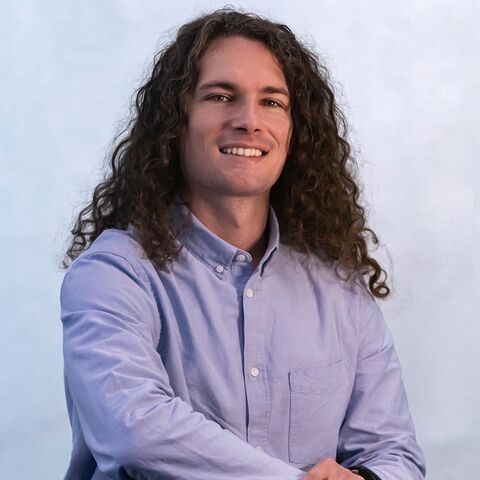
Patrick Kozakiewicz is highly qualified to teach trauma-sensitive mindfulness and meditation due to his extensive experience and specialized training. Here are some key points highlighting his qualifications: 1. Over 25 Years of Personal Practice and Teaching: Patrick has dedicated over 15 years to his personal mindfulness practice and teaching others, which has provided him with deep insights and practical knowledge in the field. 2. Collaboration with David Treleaven: He has worked closely with David Treleaven, a leading expert in trauma-sensitive mindfulness. This collaboration has enriched his understanding and approach to integrating trauma sensitivity into mindfulness practices. 3. Comprehensive Training: Patrick has completed several in-person and online workshops focused on trauma-sensitive mindfulness and meditation. These workshops have equipped him with the latest techniques and methodologies to support individuals with trauma. 4. Teaching Other Mindfulness Teachers: His experience extends to teaching other mindfulness instructors, ensuring that they are well-versed in trauma-sensitive approaches. This role demonstrates his expertise and leadership in the mindfulness community. 5. Personal Integration of Trauma Work: Patrick has also done significant work on integrating and addressing his own personal traumas. This personal journey adds a layer of empathy and authenticity to his teaching, allowing him to connect deeply with his students. Patrick's combination of personal experience, professional training, and collaborative work with experts makes him exceptionally qualified to teach trauma-sensitive mindfulness and meditation.