
Library
The largest free library in the world. Free. No Ads. No AI.
Events
The world’s top experts, live every day
Retreats
Get away with a Teacher
Browse retreatsJoin thousands
Explore a Challenge
Heal Emotions That Fuel Relationship Conflict
With Margo HelmanThis is what makes us most likely to be triggered during and after fights and arguments: pushing feelings away rather than being able to move through them. Disowned feelings then suddenly rise up and trigger us to react in ways we'd rather not, whether being flooded with emotion, or having little control over our own behaviour. In this course, I share my personal experiences and teach the practices that help me to hold onto myself and choose my response in my high conflict relationship. Discover how to welcome emotions so that you’re not at their mercy, moving through painful feelings and reaching peace, while allowing your inner experience. Explore why difficult emotions feel so threatening, how childhood experiences shaped your instinct to avoid them, and why suppression leads to sudden eruptions of anger, shame, or self-criticism. Discover the deeply good wishes beneath every painful feeling. Learn how to welcome inner protest and connect with the body sensations of emotion. As you practice these gentle methods, you’ll gain more choice in conflict, reduce reactivity, and cultivate compassion for yourself and the people you love. Each lesson offers clear guidance and a next step or self-inquiry prompt so you can steadily build the capacity to stay grounded and choose your response, even when relationship tension is high. By the end, you’ll have practical tools to help you heal emotions and relate with more clarity and kindness—during conflict and in everyday life.
Reduce reactivity during fights and arguments, and be less thrown off afterwards by learning to calm emotional triggers and developing the ability to truly welcome emotion instead of bracing against it.
About this course
This is what makes us most likely to be triggered during and after fights and arguments: pushing feelings away rather than being able to move through them. Disowned feelings then suddenly rise up and trigger us to react in ways we'd rather not, whether being flooded with emotion, or having little control over our own behaviour. In this course, I share my personal experiences and teach the practices that help me to hold onto myself and choose my response in my high conflict relationship. Discover how to welcome emotions so that you’re not at their mercy, moving through painful feelings and reaching peace, while allowing your inner experience. Explore why difficult emotions feel so threatening, how childhood experiences shaped your instinct to avoid them, and why suppression leads to sudden eruptions of anger, shame, or self-criticism. Discover the deeply good wishes beneath every painful feeling. Learn how to welcome inner protest and connect with the body sensations of emotion. As you practice these gentle methods, you’ll gain more choice in conflict, reduce reactivity, and cultivate compassion for yourself and the people you love. Each lesson offers clear guidance and a next step or self-inquiry prompt so you can steadily build the capacity to stay grounded and choose your response, even when relationship tension is high. By the end, you’ll have practical tools to help you heal emotions and relate with more clarity and kindness—during conflict and in everyday life.
Meet your Teacher
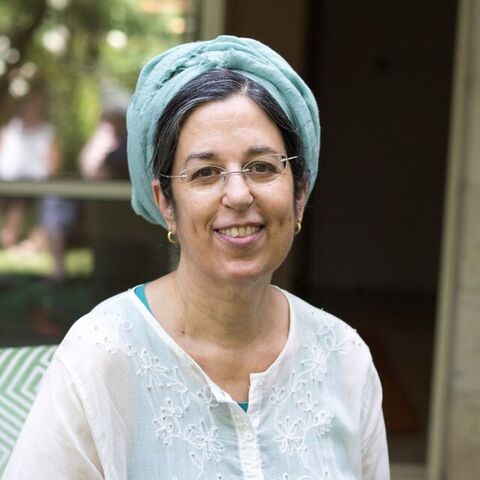
As a clinical social worker, and daily meditator, Margo often brings mindfulness principles to her therapy clients. Years ago, she suddenly noticed it felt pointless to meditate and then get up, walk into the room where her family was, and lose it! Because what’s the point of being mindful and wise on your cushion or yoga mat if your inner peace and self connection disappear when you need them most? Of course, there is a point any time we connect with our wisest selves and with the present moment. But taking our practice to relationship conflict is the most impactful and strengthening. Margo has developed methods for bringing mindfulness to fights and arguments in the couple or family. She's discovered that the greatest opportunity and obligation for equanimity practice and right action are those painful moments of our precious relationships. That’s where we can powerfully improve our own lives and the lives of our loved ones. Learn how to stop conflict from ruining your day and your sense of self. Choose your response, instead of being triggered into action. Bring healing to your relationships. Be peaceful or be fierce. Or both. It’s up to you, according to your values and goals. Learn simple, doable practices for heated conflict, and what to do when everything goes badly. Stay connected to your clarity and intention no matter how the other person is acting.