
Library
The largest free library in the world. Free. No Ads. No AI.
Retreats
Get away with a Teacher
Browse retreatsJoin thousands
Explore a Challenge
Calm In Conflict ~ NVC’s 4-Step Model For Triggers & Emotional Balance
With Nondual Communication“Peace requires something far more difficult than revenge or merely turning the other cheek; it requires empathizing with the fears and unmet needs that provide the impetus for people to attack each other. Being aware of these feelings and needs, people lose their desire to attack back because they can see the human ignorance leading to these attacks; instead, their goal becomes providing the empathic connection and education that will enable them to transcend their violence and engage in cooperative relationships.” ― Marshall B. Rosenberg Conflict can be intense, triggering and upsetting. Misunderstandings between human beings lead to so much suffering on our planet, from painful arguments, to devastating divorces, gang violence and war. So when someone requested me to make a separate course about this topic--specifically about the '4 step model' of Nonviolent Communication (NVC)--I heeded the call. The '4-component' or '4-step model' is deceptively simple. We can use this lens--discerning observations from interpretations, feelings from stories, needs from strategies and requests from demands--to see clearly what goes on, first in ourself, and second, between human beings in intense situations. What makes this model so effective is the increase in clarity that it provides, which in turn leads to more compassion and understanding. This is how conflict de-escalates, and anger can dissipate. But there are important disambiguations to be understood, and pitfalls to be avoided, if we are to fully reap the benefits of this profoundly transformative tool. You can do this course without any knowledge of NVC, but it will help to know a bit. In order to get a deeper introduction to NVC, you can check out my other courses, especially "Nonviolent Communication Level 1: Meet The Consciousness Of NVC". I hope you enjoy & benefit from this course. image: Getty audio: Samuel F. Johanns
Apply NVC’s 4-step model to manage emotional triggers, reduce conflict, and turn anger into peace and understanding.
About this course
“Peace requires something far more difficult than revenge or merely turning the other cheek; it requires empathizing with the fears and unmet needs that provide the impetus for people to attack each other. Being aware of these feelings and needs, people lose their desire to attack back because they can see the human ignorance leading to these attacks; instead, their goal becomes providing the empathic connection and education that will enable them to transcend their violence and engage in cooperative relationships.” ― Marshall B. Rosenberg Conflict can be intense, triggering and upsetting. Misunderstandings between human beings lead to so much suffering on our planet, from painful arguments, to devastating divorces, gang violence and war. So when someone requested me to make a separate course about this topic--specifically about the '4 step model' of Nonviolent Communication (NVC)--I heeded the call. The '4-component' or '4-step model' is deceptively simple. We can use this lens--discerning observations from interpretations, feelings from stories, needs from strategies and requests from demands--to see clearly what goes on, first in ourself, and second, between human beings in intense situations. What makes this model so effective is the increase in clarity that it provides, which in turn leads to more compassion and understanding. This is how conflict de-escalates, and anger can dissipate. But there are important disambiguations to be understood, and pitfalls to be avoided, if we are to fully reap the benefits of this profoundly transformative tool. You can do this course without any knowledge of NVC, but it will help to know a bit. In order to get a deeper introduction to NVC, you can check out my other courses, especially "Nonviolent Communication Level 1: Meet The Consciousness Of NVC". I hope you enjoy & benefit from this course. image: Getty audio: Samuel F. Johanns
Meet your Teacher
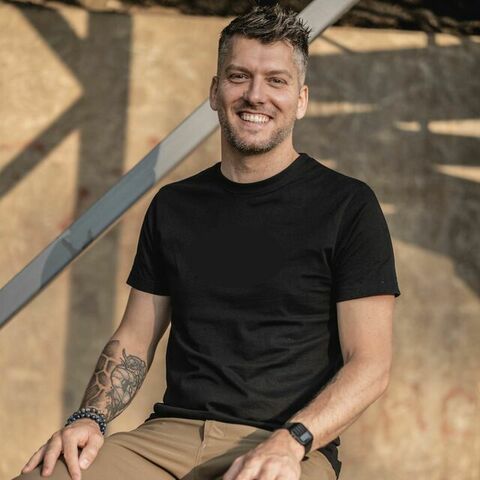
Hans van Veen is a parent, Aletheia Method Transformational Coach, and communication trainer, as well as a certification candidate with the Center for Nonviolent Communication. His work is rooted in Nonviolent Communication and enriched by Nondual Tantra, Zen, Vipassana, and other contemplative practices. He supports parents, groups, couples, and individuals in cultivating empathy, self-acceptance, and authentic connection.