
Becoming: The Science And Practice Of Sustainable Behavior Change
With Dr. Inge WolsinkBecoming is a practical course in sustainable behavior change. You will explore who you want to become, clarify the values you want to live by, and learn how to bring your everyday actions into better alignment with them. Through psychology, behavioral science, reflection, and practical exercises, you will learn how habits are formed, why willpower is often not enough, and how to redesign your environment so that the behaviors you want become easier to start, repeat, and sustain. The goal is not to push yourself harder, but to build a system that supports the person you want to become. Source Statement: No idea is ever created in solitude. Creativity is collaboration. The creation process of this course has been heavily influenced by the ideas, methods, and studies of other researchers and writers. If you want to learn more about the topics I discuss in this course, I highly recommend reading their work. Habitual and automatic behaviors BJ Fogg – Tiny Habits James Clear – Atomic Habits Dan Ariely – Predictably Irrational Positive Psychology Carol Dweck – Mindset Barbara Fredrickson – Positivity Identity Sally Maitlis – Who am I? Adam Grant – Think Again
Reshape your identity, align your everyday actions with your values, and create lasting habits by designing an environment that supports who you want to become.
About this course
Becoming is a practical course in sustainable behavior change. You will explore who you want to become, clarify the values you want to live by, and learn how to bring your everyday actions into better alignment with them. Through psychology, behavioral science, reflection, and practical exercises, you will learn how habits are formed, why willpower is often not enough, and how to redesign your environment so that the behaviors you want become easier to start, repeat, and sustain. The goal is not to push yourself harder, but to build a system that supports the person you want to become. Source Statement: No idea is ever created in solitude. Creativity is collaboration. The creation process of this course has been heavily influenced by the ideas, methods, and studies of other researchers and writers. If you want to learn more about the topics I discuss in this course, I highly recommend reading their work. Habitual and automatic behaviors BJ Fogg – Tiny Habits James Clear – Atomic Habits Dan Ariely – Predictably Irrational Positive Psychology Carol Dweck – Mindset Barbara Fredrickson – Positivity Identity Sally Maitlis – Who am I? Adam Grant – Think Again
Meet your Teacher
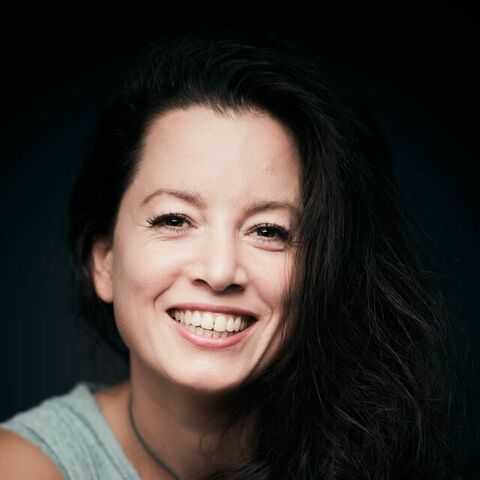
Before becoming a yoga and meditation teacher, Inge Wolsink obtained her PhD in psychology at the university of Amsterdam, where she worked as a researcher and lecturer for eight years. While doing her academic work, she noticed a gap between the knowledge in psychological science, and the tools and practices that were available to the general public. It felt like a wealth of knowledge was going to waste. When she traveled to India to study yoga, she noticed a reversed gap: There was a wide variety of practices, but science was only just gaining an understanding of how and why those practices work. She came to the realization that better bridges between science and practice were needed in order to improve holistic healthcare. Since then, it has been her mission to bridge science and (yoga) practice to help people lead a conscious, connected, and healthy life. Inge's teachings combine psychological science and yoga into one integrative approach that is easy, fun, and accessible to everyone. Through coaching, training, yoga classes, and courses, Inge has helped thousands of people understand themselves (and others) better.