
The Science & Practice Of Breathwork. Module 2, Slow & Nasal Breathing
With Dr. Inge WolsinkSlow and nasal breathing are among the most accessible and effective ways to work with your breath, your stress response, and your nervous system. In this second module of The Science & Practice of Breathwork, we move from basic breath awareness into specific breathing techniques that help you slow down, regulate your physiology, and build more control over your breathing pattern. You will learn why breathing through the nose matters, how slower breathing can influence your nervous system, and how practices such as Nadi Shodhana, Bhramari Pranayama, and other slow breathing techniques can support calm, focus, emotional regulation, and stress recovery. Many people come to breathwork because they want to feel calmer, sleep better, reduce anxiety, or manage stress. Slow and nasal breathing are often a beautiful place to start. These practices are not about forcing the body into stillness. They are about creating the conditions for your body to gradually feel safer, steadier, and more regulated. At the same time, slow breathing is not always as simple as it sounds. If your breathing is already tense, shallow, or overactive, slowing down too much too soon can sometimes feel uncomfortable. That is why this module also teaches you how to adapt the practices to your own body, your current capacity, and your BOLT score. In Module 2: Slow and Nasal Breathing, you will learn how to use your breath as a practical tool for nervous system regulation, without pushing beyond what your body is ready for. This module is especially useful if you are interested in breathwork for stress relief, anxiety, relaxation, better breathing, emotional balance, meditation, sleep, and nervous system support. Welcome to The Science & Practice of Breathwork: Module 2, Slow and Nasal Breathing.
Everything you need to know to tailor your breathwork routine to your specific needs.
About this course
Slow and nasal breathing are among the most accessible and effective ways to work with your breath, your stress response, and your nervous system. In this second module of The Science & Practice of Breathwork, we move from basic breath awareness into specific breathing techniques that help you slow down, regulate your physiology, and build more control over your breathing pattern. You will learn why breathing through the nose matters, how slower breathing can influence your nervous system, and how practices such as Nadi Shodhana, Bhramari Pranayama, and other slow breathing techniques can support calm, focus, emotional regulation, and stress recovery. Many people come to breathwork because they want to feel calmer, sleep better, reduce anxiety, or manage stress. Slow and nasal breathing are often a beautiful place to start. These practices are not about forcing the body into stillness. They are about creating the conditions for your body to gradually feel safer, steadier, and more regulated. At the same time, slow breathing is not always as simple as it sounds. If your breathing is already tense, shallow, or overactive, slowing down too much too soon can sometimes feel uncomfortable. That is why this module also teaches you how to adapt the practices to your own body, your current capacity, and your BOLT score. In Module 2: Slow and Nasal Breathing, you will learn how to use your breath as a practical tool for nervous system regulation, without pushing beyond what your body is ready for. This module is especially useful if you are interested in breathwork for stress relief, anxiety, relaxation, better breathing, emotional balance, meditation, sleep, and nervous system support. Welcome to The Science & Practice of Breathwork: Module 2, Slow and Nasal Breathing.
Meet your Teacher

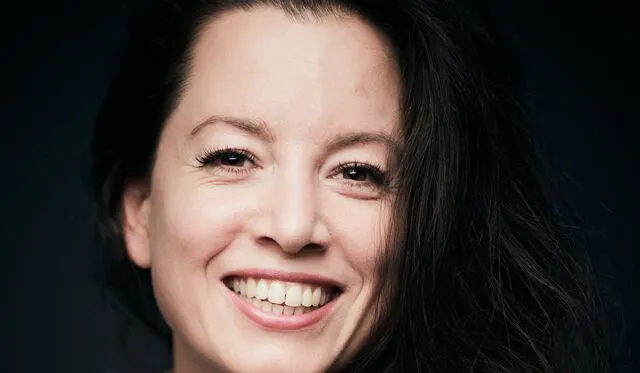
Inge Wolsink is a former psychological scientist, breathwork teacher, yoga teacher, and IFS-informed stress coach. She specializes in the connection between breathing, stress physiology, nervous system regulation, emotional patterns, and behavior change. Her courses combine breathing science, yoga-based pranayama, nervous system education, IFS-informed self-awareness, and guided breathwork practices. Inge helps students understand how different breathing techniques affect the body and mind, so they can choose practices that are safe, effective, and suited to their own needs. Her approach is grounded, practical, compassionate, and science-informed, making breathwork accessible for people interested in stress relief, anxiety support, energy, focus, relaxation, emotional regulation, and better breathing.