
Library
The largest free library in the world. Free. No Ads. No AI.
Events
The world’s top experts, live every day
Retreats
Get away with a Teacher
Browse retreatsJoin thousands
Explore a Challenge
Stress And Anxiety: Coming Back To Calm
With Audra MorelockCourse Objectives By the end of this series, students will: Understand how stress and anxiety operate in the nervous system Learn practical techniques to activate the body’s natural calming response Build awareness of physical and emotional stress signals before they escalate Develop kinder, more supportive inner dialogue during anxious moments Feel more grounded, resilient, and equipped to handle daily stressors Create simple, realistic mindfulness habits that fit into real life What Students Can Expect 6 guided meditation classes, approximately 10–20 minutes each Clear, approachable explanations of the science behind each practice Trauma-sensitive, choice-based guidance (nothing forced or overwhelming) Practices that can be adapted for beginners or experienced meditators Tools designed for everyday use — at work, at home, or on the go A calm, supportive tone that emphasizes self-trust over self-fixing This course is not about eliminating stress completely — it’s about learning how to meet it with steadiness and support. Course Outline Class 1: The Science of Breath Foundations for calming the nervous system Focus: Diaphragmatic breathing as a primary regulation tool Science Lens: Parasympathetic nervous system activation, cortisol reduction Practice: Guided breath awareness and structured breathing (e.g., box breathing) Class 2: Coming Home to the Body Releasing stress through mindful awareness Focus: Reconnecting with physical sensation to interrupt stress loops Science Lens: Mindfulness and body scans improving emotional regulation Practice: Full body scan with gentle tension release Class 3: Heart Coherence Emotional regulation through breath and rhythm Focus: Synchronizing breath and heart to stabilize emotions Science Lens: Heart rate variability (HRV) and stress resilience Practice: Heart-focused breathing with gratitude or positive emotion Class 4: The Voice Within Self-compassion practices to ease anxiety Focus: Soothing self-criticism and internal pressure Science Lens: Research on self-compassion and anxiety reduction Practice: Loving-kindness and self-compassion meditation Class 5: Grounded & Steady Stabilizing energy and mood Focus: Grounding and settling excess mental or emotional energy Science Lens: Visualization, embodiment, and grounding research Practice: Grounding visualization, gentle movement, or energy awareness Class 6: Living Calm Integrating mindfulness into everyday life Focus: Making calm practical and sustainable Science Lens: Neuroplasticity and habit formation Practice: Integrated meditation plus real-world micro-practices
Designed to help you understand, regulate, and support your nervous system using simple, research-informed mindfulness techniques.
About this course
Course Objectives By the end of this series, students will: Understand how stress and anxiety operate in the nervous system Learn practical techniques to activate the body’s natural calming response Build awareness of physical and emotional stress signals before they escalate Develop kinder, more supportive inner dialogue during anxious moments Feel more grounded, resilient, and equipped to handle daily stressors Create simple, realistic mindfulness habits that fit into real life What Students Can Expect 6 guided meditation classes, approximately 10–20 minutes each Clear, approachable explanations of the science behind each practice Trauma-sensitive, choice-based guidance (nothing forced or overwhelming) Practices that can be adapted for beginners or experienced meditators Tools designed for everyday use — at work, at home, or on the go A calm, supportive tone that emphasizes self-trust over self-fixing This course is not about eliminating stress completely — it’s about learning how to meet it with steadiness and support. Course Outline Class 1: The Science of Breath Foundations for calming the nervous system Focus: Diaphragmatic breathing as a primary regulation tool Science Lens: Parasympathetic nervous system activation, cortisol reduction Practice: Guided breath awareness and structured breathing (e.g., box breathing) Class 2: Coming Home to the Body Releasing stress through mindful awareness Focus: Reconnecting with physical sensation to interrupt stress loops Science Lens: Mindfulness and body scans improving emotional regulation Practice: Full body scan with gentle tension release Class 3: Heart Coherence Emotional regulation through breath and rhythm Focus: Synchronizing breath and heart to stabilize emotions Science Lens: Heart rate variability (HRV) and stress resilience Practice: Heart-focused breathing with gratitude or positive emotion Class 4: The Voice Within Self-compassion practices to ease anxiety Focus: Soothing self-criticism and internal pressure Science Lens: Research on self-compassion and anxiety reduction Practice: Loving-kindness and self-compassion meditation Class 5: Grounded & Steady Stabilizing energy and mood Focus: Grounding and settling excess mental or emotional energy Science Lens: Visualization, embodiment, and grounding research Practice: Grounding visualization, gentle movement, or energy awareness Class 6: Living Calm Integrating mindfulness into everyday life Focus: Making calm practical and sustainable Science Lens: Neuroplasticity and habit formation Practice: Integrated meditation plus real-world micro-practices
Meet your Teacher
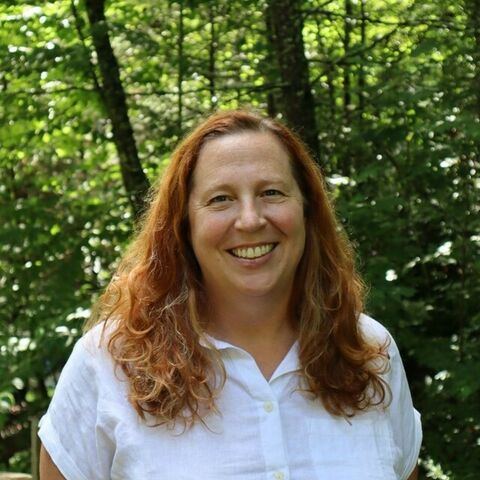
Audra Morelock is an experienced meditation teacher and spiritual practitioner with extensive training in mindfulness, meditation, and yoga. She holds a Meditation Teacher Training (MTT-200) certification. With nearly three decades of leadership experience in corporate environments, Audra brings a unique perspective on stress, productivity, and well-being, integrating practical strategies with contemplative practices. Her approach is grounded in both the science of the nervous system and the art of mindful living, making complex concepts accessible and actionable for students seeking calm, resilience, and balance.