
Library
The largest free library in the world. Free. No Ads. No AI.
Events
The world’s top experts, live every day
Retreats
Get away with a Teacher
Browse retreatsJoin thousands
Explore a Challenge
Why Your Body Cannot Fully Relax
With Rahul SinghDo you feel physically tense even when you have nothing to worry about? Are your shoulders constantly tight, your jaw clenched, or your body restless despite feeling exhausted? Perhaps you struggle to switch off after work, find it difficult to sit quietly, or feel frustrated when meditation and relaxation exercises don't seem to help. When stress becomes a regular part of life, the body may remain physically alert even after the immediate demands have passed. Muscle tension, shallow breathing, inner restlessness, difficulty unwinding, and the feeling of being constantly on edge can make genuine relaxation surprisingly difficult. Why Your Body Cannot Fully Relax is a five-day course designed to help you understand the connection between chronic stress, nervous system activation, habitual muscle tension, and the difficulty of transitioning from a state of alertness into rest. Rather than offering another sequence of relaxation meditations, Rahul Singh explores why the body can struggle to settle and teaches practical ways to develop a more comfortable relationship with tension, stillness, and rest. Across five progressive lessons, you will learn: - Why Your Body Stays On Alert: Understand how the body's stress response can remain active after stressful situations have ended, and why mental calm does not always produce physical relaxation. - The Hidden Ways Your Body Holds Tension: Recognise unconscious muscle-bracing habits, including jaw clenching, tight shoulders, physical stiffness, and tension associated with concentration, emotional pressure, and everyday responsibilities. - Stop Trying So Hard To Relax: Discover how pressure to feel calm, excessive self-monitoring, and frustration during meditation can create additional tension. Learn to rest without constantly trying to control the outcome. - When Rest Itself Feels Uncomfortable: Explore why slowing down can increase awareness of restlessness, anxiety, uncomfortable physical sensations, and the urge to seek distraction. Practise responding with greater flexibility rather than automatically escaping discomfort. - Help Your Body Learn To Rest Again: Bring everything together into a simple daily approach for recognising tension, supporting physical comfort, and making space for rest before exhaustion takes over. Through guided mindfulness, body awareness, gentle sensory grounding, natural breathing, and practical stress-management techniques, you will develop skills for recognising your body's responses and reducing unnecessary struggle with tension. This course is especially relevant for people experiencing persistent stress, physical restlessness, difficulty relaxing, an overactive mind, bedtime tension, stress-related muscle tightness, or the familiar feeling of being tired but unable to switch off. The lessons also explore the relationship between the nervous system's stress response and its capacity for rest and recovery, helping you understand why relaxation is not always something you can achieve through willpower. Whether you are looking to unwind after a demanding day, feel more comfortable during meditation, prepare for restful sleep, or build a healthier relationship with your body's stress responses, this course offers a grounded and accessible approach. The goal is not to eliminate every uncomfortable sensation or achieve perfect calm. It is to recognise tension earlier, respond with greater awareness, and make rest a more natural part of everyday life.
Understand chronic tension, nervous system alertness, and how to rest without forcing relaxation.
About this course
Do you feel physically tense even when you have nothing to worry about? Are your shoulders constantly tight, your jaw clenched, or your body restless despite feeling exhausted? Perhaps you struggle to switch off after work, find it difficult to sit quietly, or feel frustrated when meditation and relaxation exercises don't seem to help. When stress becomes a regular part of life, the body may remain physically alert even after the immediate demands have passed. Muscle tension, shallow breathing, inner restlessness, difficulty unwinding, and the feeling of being constantly on edge can make genuine relaxation surprisingly difficult. Why Your Body Cannot Fully Relax is a five-day course designed to help you understand the connection between chronic stress, nervous system activation, habitual muscle tension, and the difficulty of transitioning from a state of alertness into rest. Rather than offering another sequence of relaxation meditations, Rahul Singh explores why the body can struggle to settle and teaches practical ways to develop a more comfortable relationship with tension, stillness, and rest. Across five progressive lessons, you will learn: - Why Your Body Stays On Alert: Understand how the body's stress response can remain active after stressful situations have ended, and why mental calm does not always produce physical relaxation. - The Hidden Ways Your Body Holds Tension: Recognise unconscious muscle-bracing habits, including jaw clenching, tight shoulders, physical stiffness, and tension associated with concentration, emotional pressure, and everyday responsibilities. - Stop Trying So Hard To Relax: Discover how pressure to feel calm, excessive self-monitoring, and frustration during meditation can create additional tension. Learn to rest without constantly trying to control the outcome. - When Rest Itself Feels Uncomfortable: Explore why slowing down can increase awareness of restlessness, anxiety, uncomfortable physical sensations, and the urge to seek distraction. Practise responding with greater flexibility rather than automatically escaping discomfort. - Help Your Body Learn To Rest Again: Bring everything together into a simple daily approach for recognising tension, supporting physical comfort, and making space for rest before exhaustion takes over. Through guided mindfulness, body awareness, gentle sensory grounding, natural breathing, and practical stress-management techniques, you will develop skills for recognising your body's responses and reducing unnecessary struggle with tension. This course is especially relevant for people experiencing persistent stress, physical restlessness, difficulty relaxing, an overactive mind, bedtime tension, stress-related muscle tightness, or the familiar feeling of being tired but unable to switch off. The lessons also explore the relationship between the nervous system's stress response and its capacity for rest and recovery, helping you understand why relaxation is not always something you can achieve through willpower. Whether you are looking to unwind after a demanding day, feel more comfortable during meditation, prepare for restful sleep, or build a healthier relationship with your body's stress responses, this course offers a grounded and accessible approach. The goal is not to eliminate every uncomfortable sensation or achieve perfect calm. It is to recognise tension earlier, respond with greater awareness, and make rest a more natural part of everyday life.
Meet your Teacher
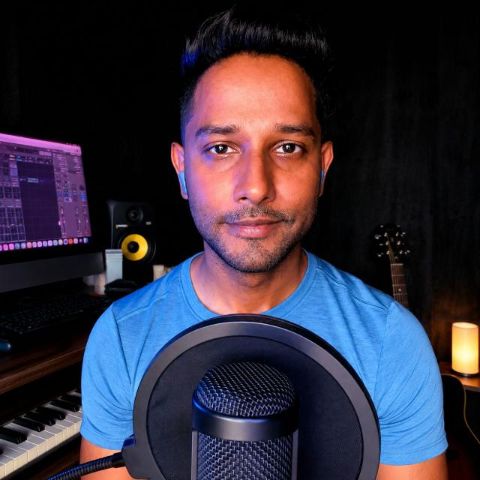
Rahul Singh teaches mindfulness, meditation, and practical relaxation techniques through a calm, grounded, and contemplative approach. His teaching explores the relationship between stress, physical tension, nervous system responses, and emotional well-being. Through accessible explanations and gentle guided practices, Rahul helps listeners develop greater body awareness, understand habitual stress responses, and approach relaxation without unnecessary effort or pressure. His lessons emphasise practical understanding, mindful self-awareness, and simple techniques that can be incorporated into everyday life.