
Library
The largest free library in the world. Free. No Ads. No AI.
Events
The world’s top experts, live every day
Retreats
Get away with a Teacher
Browse retreatsJoin thousands
Explore a Challenge
Why You Can’t Relax Even When Nothing Is Wrong
With Rahul SinghHave you ever finally had time to relax... only to discover that your body remains tense, your mind keeps working, and doing nothing feels uncomfortable? Perhaps your shoulders are tight, your thoughts keep racing, or you feel an urge to check something, plan ahead, or stay productive. Even when nothing is wrong, you may feel restless, anxious, or unable to switch off. Why is it so difficult to relax when life is relatively calm? In this five-day course, Rahul Singh explores why the mind and body can remain on alert long after stress has passed, and how to develop a healthier relationship with rest. You'll learn how chronic stress, nervous system activation, and the sympathetic fight-or-flight response can contribute to persistent tension, mental hyperarousal, and difficulty unwinding. You'll also explore how the parasympathetic rest-and-digest system supports relaxation and recovery. The course examines habitual vigilance, anticipatory anxiety, overthinking, reassurance-seeking, and the tendency to constantly prepare for problems that haven't happened. You'll also discover why doing nothing can trigger productivity guilt, boredom, or restlessness, and how perfectionism, compulsive busyness, and the belief that rest must be earned can make relaxation feel uncomfortable. Another important focus is relaxation anxiety — why trying too hard to feel calm can create additional tension, frustration, and self-criticism. What You'll Learn - Why physical tension and mental alertness can persist after stress. - How habitual vigilance, overthinking, and constant checking interfere with rest. - Why productivity guilt and the pressure to stay busy make relaxation difficult. - How to recognise unnecessary urgency and respond more deliberately. - Why forcing relaxation can create additional stress. - How mindfulness, acceptance, natural breathing, and gentle body awareness can support rest. - How to develop a simple daily relaxation routine without performance pressure. Each lesson combines practical teaching, guided mindfulness, reflection, and exercises that build progressively, helping you understand your personal patterns and respond differently. Who Is This Course For? This course is for anyone who feels constantly on edge, struggles to unwind after work, experiences persistent muscle tension or racing thoughts, feels guilty taking breaks, or finds it difficult to sit quietly without doing something. It's especially relevant if you're physically tired but mentally alert, constantly anticipating responsibilities, uncomfortable with uncertainty, or frustrated that meditation and relaxation techniques don't seem to work. Rather than promising instant calm or a permanent nervous system reset, this course helps you develop greater self-awareness, psychological flexibility, and practical ways to make rest more accessible. You don't have to finish everything, resolve every thought, or feel perfectly calm before allowing yourself to rest.
Understand why your body stays on alert, release tension, quiet the mind, and learn to rest without guilt.
About this course
Have you ever finally had time to relax... only to discover that your body remains tense, your mind keeps working, and doing nothing feels uncomfortable? Perhaps your shoulders are tight, your thoughts keep racing, or you feel an urge to check something, plan ahead, or stay productive. Even when nothing is wrong, you may feel restless, anxious, or unable to switch off. Why is it so difficult to relax when life is relatively calm? In this five-day course, Rahul Singh explores why the mind and body can remain on alert long after stress has passed, and how to develop a healthier relationship with rest. You'll learn how chronic stress, nervous system activation, and the sympathetic fight-or-flight response can contribute to persistent tension, mental hyperarousal, and difficulty unwinding. You'll also explore how the parasympathetic rest-and-digest system supports relaxation and recovery. The course examines habitual vigilance, anticipatory anxiety, overthinking, reassurance-seeking, and the tendency to constantly prepare for problems that haven't happened. You'll also discover why doing nothing can trigger productivity guilt, boredom, or restlessness, and how perfectionism, compulsive busyness, and the belief that rest must be earned can make relaxation feel uncomfortable. Another important focus is relaxation anxiety — why trying too hard to feel calm can create additional tension, frustration, and self-criticism. What You'll Learn - Why physical tension and mental alertness can persist after stress. - How habitual vigilance, overthinking, and constant checking interfere with rest. - Why productivity guilt and the pressure to stay busy make relaxation difficult. - How to recognise unnecessary urgency and respond more deliberately. - Why forcing relaxation can create additional stress. - How mindfulness, acceptance, natural breathing, and gentle body awareness can support rest. - How to develop a simple daily relaxation routine without performance pressure. Each lesson combines practical teaching, guided mindfulness, reflection, and exercises that build progressively, helping you understand your personal patterns and respond differently. Who Is This Course For? This course is for anyone who feels constantly on edge, struggles to unwind after work, experiences persistent muscle tension or racing thoughts, feels guilty taking breaks, or finds it difficult to sit quietly without doing something. It's especially relevant if you're physically tired but mentally alert, constantly anticipating responsibilities, uncomfortable with uncertainty, or frustrated that meditation and relaxation techniques don't seem to work. Rather than promising instant calm or a permanent nervous system reset, this course helps you develop greater self-awareness, psychological flexibility, and practical ways to make rest more accessible. You don't have to finish everything, resolve every thought, or feel perfectly calm before allowing yourself to rest.
Meet your Teacher
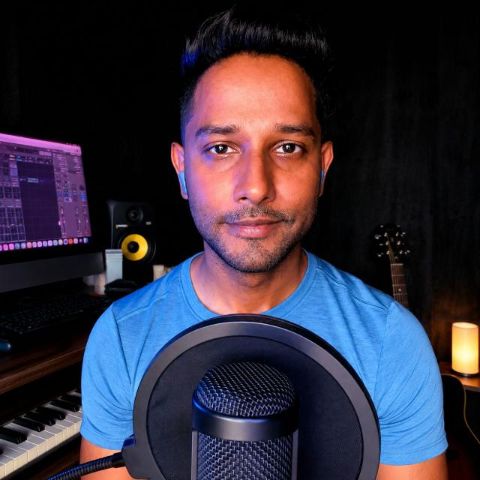
Rahul Singh is a meditation and mindfulness teacher whose work focuses on stress awareness, nervous system relaxation, emotional well-being, and developing a healthier relationship with everyday mental and physical tension. His teaching combines accessible explanations of stress responses and behavioural patterns with practical mindfulness, guided self-awareness, gentle breathing, and reflective exercises. With a calm, grounded, and contemplative approach, Rahul helps listeners better understand experiences such as overthinking, persistent alertness, difficulty relaxing, and the pressure to remain productive. His lessons emphasise practical understanding, gradual learning, and realistic expectations rather than forcing immediate calm or pursuing a perfect state of relaxation.