Sleep Anxiety - Stop Trying So Hard To Sleep - by Rahul Singh

COURSE

Sleep Anxiety - Stop Trying So Hard To Sleep

With Rahul Singh

If going to bed has become something you worry about, monitor or try hard to get right, this five-day course is designed to help you change your relationship with sleep. Sleep Anxiety — Stop Trying So Hard to Sleep explores the cycle of sleep anxiety, insomnia, bedtime stress, sleep pressure, clock watching, racing thoughts, nighttime overthinking and the fear of not getting enough sleep. Guided by Rahul Singh, you will learn why trying to force sleep can increase mental and physical alertness, how sleep monitoring keeps the mind engaged, why worrying about tomorrow intensifies nighttime anxiety, and how to respond differently when you are still awake. Across five focused lessons, you will practise reducing sleep effort, letting go of bedtime performance pressure, stopping repetitive checking and sleep calculations, separating facts from catastrophic predictions, tolerating uncertainty, calming the struggle around wakefulness and creating conditions for natural sleep. Rather than giving you more techniques to perform perfectly, this course teaches you when to do less. You will learn how to: - stop trying to make yourself fall asleep - recognise sleep effort and performance anxiety - reduce clock watching and sleep monitoring - stop checking whether relaxation is “working” - manage racing thoughts and nighttime worry - reduce anxiety about how you will function tomorrow - stop catastrophising after a poor night’s sleep - respond calmly when you cannot fall asleep - reduce the fear of nighttime awakenings - distinguish wakefulness from panic - rest without demanding immediate sleep - create a healthier relationship with bedtime - work with uncertainty instead of fighting it - reduce nervous system activation around sleep - allow sleep to return naturally This course may be especially helpful if you feel tired but wired, experience bedtime anxiety, lie awake worrying about sleep, repeatedly check the clock, calculate how many hours remain, fear another bad night, wake during the night and struggle to settle again, or feel increasing pressure the longer you remain awake. The goal is not perfect sleep. It is less fear, less monitoring, less effort and less struggle around sleep. When sleep stops being a nightly test, rest has more room to return.


Meet your Teacher
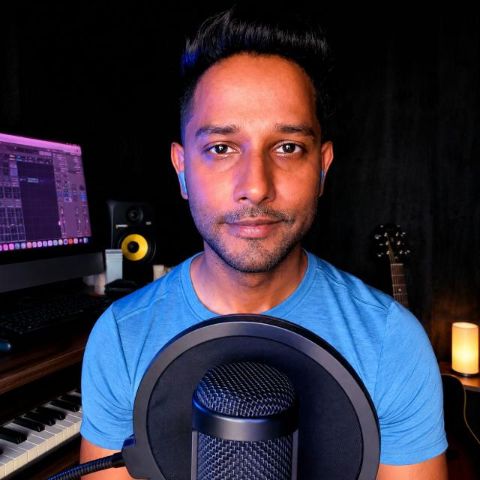
Rahul Singh is a meditation teacher whose work focuses on deep rest, sleep, nervous system regulation, emotional balance and practical mindfulness. His approach combines grounded contemplative practice with simple, accessible methods for working with nighttime overthinking, stress, anxiety, mental restlessness and difficulty switching off. Rather than encouraging listeners to force relaxation or control every thought, Rahul’s teaching emphasises awareness, non-striving, acceptance and learning when to step out of unnecessary mental effort. His sleep practices are designed to help listeners develop a calmer relationship with bedtime, wakefulness and the natural process of letting go.

read more

5 Days

0 students

No ratings

8 min / day

Stress

English


Lesson 1

Why Trying To Sleep Keeps You Awake

Sleep becomes harder when it turns into something you feel responsible for achieving. In Day 1, Rahul explores sleep effort — the pressure created when you try to force yourself to fall asleep, relax correctly, stop thinking or become sleepy on command. You will learn why sleep anxiety can intensify when bedtime becomes a performance, how urgency increases alertness, and why even helpful relaxation techniques can become another source of pressure when they are used to produce an immediate result. The central shift is simple: You can choose rest. You cannot choose sleep. This lesson introduces a different approach to insomnia, bedtime anxiety and difficulty falling asleep: notice the effort, stop turning sleep into a task, and return to rest without demanding an outcome.

read more

Lesson 2

Stop Checking Whether Sleep Is Working

Sometimes the struggle with sleep continues even after you stop actively forcing it. You begin monitoring it instead. In Day 2, Rahul explores sleep monitoring — repeatedly checking whether you feel sleepy, whether your body is relaxed, whether a breathing exercise is working, how long you have been awake or how many hours remain before morning. You will learn how overt checking, clock watching and more subtle forms of internal checking can keep the mind involved in sleep. This lesson also explores the connection between checking and uncertainty: the mind often checks because it wants reassurance that sleep is coming. The practice is: Notice the check. Do not answer it. Return to rest. You will learn the difference between awareness and evaluation, reduce bedtime scorekeeping, and begin allowing sleep to unfold without constant supervision.

read more

Lesson 3

Stop Making Tomorrow The Emergency

For many people, the strongest sleep anxiety is not really about being awake. It is about what being awake might mean for tomorrow. In Day 3, Rahul explores the fear of next-day tiredness, poor concentration, low energy, work pressure and the belief that one difficult night will ruin the following day. You will learn to separate fact from forecast. “I may feel tired tomorrow” is different from “I will not cope tomorrow.” This lesson also addresses sleep calculations, clock-based bargaining, catastrophic thinking, anticipatory anxiety and the habit of mentally living tomorrow before it arrives. Rather than reassuring yourself that tomorrow will definitely be easy, you will practise something more useful: allowing uncertainty without turning it into an emergency. The core practice is: Name the forecast. Remove the deadline. Defer the problem. Tomorrow does not need to be solved from bed tonight.

read more

Lesson 4

What To Do When You’re Still Awake

What should you do when you have stopped forcing, checking, and predicting — but you are still awake? Day 4 addresses one of the most important moments in sleep anxiety: how you respond to wakefulness itself. Rahul explores the difference between wakefulness and panic, fact and story, acceptance and resignation. You will learn how thoughts such as “something is wrong,” “this is going badly” or “I will never fall asleep” can turn ordinary wakefulness into a struggle. The practical framework is: Notice. Allow. Soften. Rest. You will also learn a simple decision rule for difficult nights: If you are awake but relatively settled, rest. If you are awake and becoming increasingly activated, shift the environment calmly. This lesson helps reduce the association between bed and frustration while building a calmer response to nighttime wakefulness, insomnia, and repeated awakenings. The goal is not to defeat wakefulness. It is to stop teaching the mind that wakefulness is an emergency.

read more

Lesson 5

Let Sleep Come To You

The final lesson brings the entire course together into a simple way of meeting bedtime: Rest. Release. Allow. Rahul explores the difference between influencing the conditions for sleep and trying to control the exact moment sleep arrives. You will learn how to rest without performing, release sleep monitoring and nighttime calculations, allow uncertainty about tomorrow, and respond to wakefulness without panic. Day 5 also prepares you for future difficult nights. A poor night does not mean you have failed or returned to the beginning. The practice is not perfect sleep. It is learning to respond with less effort, less monitoring, less forecasting and less struggle. You will also learn one important rule to carry forward: Do not judge the night while you are still inside it. Rather than measuring success only by how quickly you fall asleep, you begin paying attention to something you can actually influence — your response. This final practice supports a healthier relationship with insomnia, sleep anxiety, bedtime stress, nighttime awakenings, overthinking and the natural process of falling asleep.

read more


Trusted by 37 million people. It's free.

Insight Timer

Get the app