
Library
The largest free library in the world. Free. No Ads. No AI.
Events
The world’s top experts, live every day
Retreats
Get away with a Teacher
Browse retreatsJoin thousands
Explore a Challenge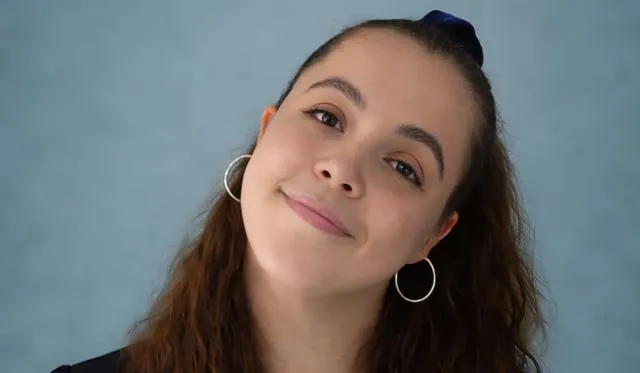
Freeze, Safety & Gentle Change
With Klea Miza (Growing Through Love)Healing isn't always about doing more. Sometimes it's about discovering what happens when we ask a little less of ourselves. In this seven-day course, we'll explore what it means to live more gently with a freeze response and a nervous system that may become overwhelmed more easily than you'd like. Together, we'll look at why making things just a little easier can sometimes create more capacity than pushing harder; why low-capacity days are a normal part of nervous system functioning; and why attention naturally moves in and out of contact rather than staying present all the time. We'll also explore the difference between gentle awareness and self-monitoring, how freeze and people-pleasing often become intertwined in relationships, and why the pressure to heal "the right way" can become another form of stress. Throughout the course, you'll be invited to replace urgency with curiosity, perfection with flexibility, and self-criticism with a little more understanding. Finally, we'll reflect on one of the most important realities of healing: it isn't linear. Protective responses may return during times of stress, and that doesn't erase your progress. Healing is often less about never freezing again and more about meeting yourself differently when you do. This course isn't about fixing yourself or following the perfect routine. It's an invitation to understand your nervous system with greater compassion, to respect your capacity as it changes from day to day, and to discover that sometimes the gentlest approach is also the most supportive. You can take these ideas at your own pace, keeping what resonates and leaving the rest.
Freeze, shutdown and nervous system overwhelm - a choice based journey.
About this course
Healing isn't always about doing more. Sometimes it's about discovering what happens when we ask a little less of ourselves. In this seven-day course, we'll explore what it means to live more gently with a freeze response and a nervous system that may become overwhelmed more easily than you'd like. Together, we'll look at why making things just a little easier can sometimes create more capacity than pushing harder; why low-capacity days are a normal part of nervous system functioning; and why attention naturally moves in and out of contact rather than staying present all the time. We'll also explore the difference between gentle awareness and self-monitoring, how freeze and people-pleasing often become intertwined in relationships, and why the pressure to heal "the right way" can become another form of stress. Throughout the course, you'll be invited to replace urgency with curiosity, perfection with flexibility, and self-criticism with a little more understanding. Finally, we'll reflect on one of the most important realities of healing: it isn't linear. Protective responses may return during times of stress, and that doesn't erase your progress. Healing is often less about never freezing again and more about meeting yourself differently when you do. This course isn't about fixing yourself or following the perfect routine. It's an invitation to understand your nervous system with greater compassion, to respect your capacity as it changes from day to day, and to discover that sometimes the gentlest approach is also the most supportive. You can take these ideas at your own pace, keeping what resonates and leaving the rest.
Meet your Teacher
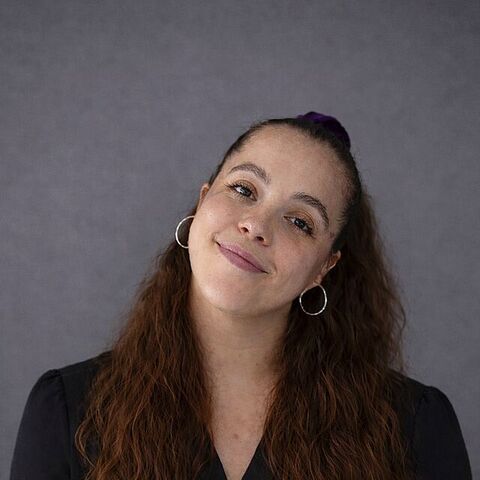
Klea is a meditation mentor with a background in inner work, mindfulness, psychology, and neuroscience. Her work is grounded in a choice based and slow paced practices, integrating somatic awareness, emotional processing, and gentle practices. She has guided individuals through practices focused on safety, regulation, and reconnection with the body, supporting people in developing a more stable and compassionate relationship with themselves. Alongside her work in meditation and inner development, she is currently on the path to becoming a medical doctor, deepening her understanding of the body through a scientific and clinical lens. Her approach bridges science and lived experience, offering practical tools that are both accessible and grounded in how the nervous system actually works.