Hi,
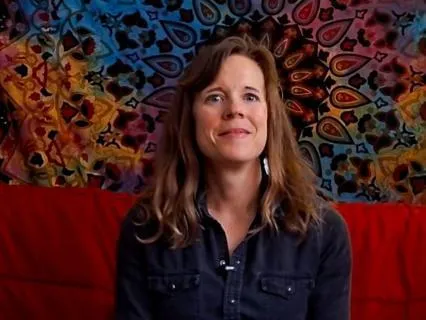
I'm Emily Bowman.
I'm a licensed professional counselor and certified addictions counselor in private practice.
And I see so many people struggling,
Whether it's directly or indirectly,
With stress.
So I'd like to share some ideas for managing stress.
Now the experience of stress can impact so many different aspects of our lives,
Our physical health,
Mental health,
Our work,
Our relationships.
So it's really important to understand its role in our lives and to find constructive ways to work with it.
Since this is such a huge topic,
I've decided to split it into three parts,
And today we're really just going to focus on what stress is and how we can manage it through thoughts and perceptions.
So,
What is stress?
Basically,
Stress is a natural response that allows us to address challenges and threats in our lives.
Challenges and threats can mean different things to different people depending on your life experiences,
Your personality,
The environment you're living in,
And all kinds of other factors.
And everybody responds differently to the experience of stress.
So please know that the information I'm presenting here is not one-size-fits-all,
And nuance is definitely needed to apply some of what I'm presenting to more specific situations.
Generally speaking though,
The goal is not to have an easy life with no stress.
Challenge is absolutely necessary for growth and for living a fulfilling life.
And without difficult experiences,
We would be completely bored and unfulfilled,
Which would then create its own problems and own stress.
So we definitely need some stress in order to thrive.
But and we need to respond to it in ways that help us grow and that make things better in the long run instead of doing things that could harm us and actually end up making things worse in the long run.
So the first step in managing your stress constructively is to recognize that you're stressed.
It might sound silly and completely intuitive,
But you'd be amazed at how often we overlook things like physical tension or shallow breathing because we've just gotten so used to living in this overly stressed state.
Everybody responds differently to stress,
But typical stress responses might be things like an increased heart rate,
Feeling anxious,
Feeling irritable,
Having trouble concentrating,
Maybe feeling hopeless,
Feeling powerless,
Maybe your thoughts are racing,
Maybe you find yourself just shutting down,
Not being able to sleep or eat,
Maybe you want to sleep or eat too much,
Many,
Many more things.
And so once you know you're stressed,
It becomes much easier to work with it instead of falling into these unconscious behaviors that could actually make your experience worse.
So stress is a natural part of our lives,
But it's important to know that we can exacerbate or even create stress with our thoughts.
By putting excessive mental energy into thinking about all these things that we really don't have any way of influencing,
We can work ourselves up and activate those stress responses we just talked about.
The good news,
Though,
Is that since we can use our minds to create or intensify stress,
We can also use our minds to diminish the experience of stress by focusing on the things that are within our control.
One way you can work with this is next time you're feeling some sort of stress response,
Just take a step back and notice your thoughts.
It might even help to write down all the thoughts you're having and the things you're worrying about.
And then once you're aware of those thoughts,
Go through and identify which of those things you're actually able to do something about and which of those things are completely outside of your control.
Then you can choose to put your energy into the things within your control and begin taking action which can help you feel empowered and like you're moving forward instead of feeling just this anxious dread and stuck feeling.
Another way you can use your mind to manage your experience of stress is to choose to view the stressful or difficult things in your life as opportunities or challenges instead of struggles and just these obstacles to moving forward.
You can choose to think about all the things you might be learning from each experience,
All the ways you're growing,
You know,
Maybe you're becoming more patient,
More tolerant.
Maybe you're just becoming stronger in general,
All the ways you're building your character and building resiliency.
And it can also help to think about other things that you might have been able to get through in the past,
Other difficult things.
So let's tie this all together with an example of what this could look like.
So let's say maybe you're running late for work,
You know,
Maybe the alarm didn't go off,
Maybe the dog got out,
Maybe the neighbor just wouldn't quit talking when you're trying to get in your car.
You guys know how this goes.
And so you might start feeling really anxious and irritable.
Maybe your jaw gets tense,
Your shoulders are tight.
You're in your car on the way to work,
You're yelling at everybody who's driving too slow,
You're cursing everybody who doesn't know how to use a roundabout.
If you can recognize though,
Just take that step back,
Recognize,
Okay,
I'm experiencing some stress right now,
And then you can also identify what you do and don't have control over.
You definitely don't have control over the way anybody is driving,
You don't have control over what time it is,
But you do have control over things like maybe dropping your shoulders,
Maybe taking a deep breath,
Of.
Put on some music you like.
Maybe you can even use your brain to challenge yourself to think about a route that might be quicker.
You can even reset yourself by saying something like,
This is only a test.
I got this.
This is helping me become more patient.
You might even think about other days when you've been running late and you made it and everything turned out just fine.
Again,
You're not going to change the fact that you're running late for work,
But you can change your response to it and that will change your experience of it.
So thanks so much for watching.
I challenge you all to work on being more aware of your stress and taking control of the things that you can and allowing your difficult experiences to help you grow.
Thanks.