

Your Nervous System Healing Sanctuary
With Dexter and AlessandrinaThis course is designed to help you develop a deeper, embodied understanding of how your nervous system works and how to support it when life becomes stressful, overwhelming, or exhausting. Throughout the eleven days of this course, you'll learn how to recognize your nervous system states, understand what triggers dysregulation, and build practical skills that allow your body to return to a sense of capacity and steadiness with greater ease. By the end of this course, you will: • Understand the biology of your nervous system ➤ Learn how activation, shutdown, and regulation occur through the autonomic nervous system and how your Window of Tolerance (WOT) shapes your day-to-day experience. • Recognize your own nervous system states in real time ➤ Develop the ability to identify signs of hyperarousal, hypoarousal, and regulation through breath patterns, muscle tone, perception, internal sensation, and more. • Build a felt sense of regulation in your body ➤ Learn to recognize and strengthen the internal markers of safety, grounding, and physiological balance. • Develop practical tools to regulate activation and overwhelm ➤ Practice techniques such as grounding, orientation, movement, cold exposure, breath regulation, and more to help your body settle when stress responses arise. • Learn how to gently come out of shutdown and exhaustion ➤ Use titrated movement, sensory input, and gradual activation to support your nervous system when it moves into numbness, collapse, or fatigue. • Expand your Window of Tolerance safely ➤ Apply the principles of titration and pendulation to work with difficult sensations and emotions without overwhelming your nervous system. • Strengthen your relationship with your body’s internal signals ➤ Build interoceptive awareness so you can detect shifts in your nervous system earlier and respond with greater clarity and self-support. • Develop internal and external resources for regulation ➤ Identify stabilizing experiences, environments, and relationships that support your nervous system in maintaining balance. • Increase nervous system flexibility and resilience ➤ Support your system in moving more fluidly between activation and rest rather than becoming stuck in chronic stress or collapse. What You Can Expect When Taking This Course This course combines clear nervous system education with guided somatic practices that help you apply what you learn directly in your body. Each day includes short teachings followed by practical exercises that allow you to experience and internalize the principles of regulation rather than simply understanding them intellectually. Over the eleven days, you can expect: • A progressive structure Each lesson builds on the previous one, beginning with foundational nervous system understanding and literacy, and gradually introducing more advanced regulation practices. • Short daily lessons Teachings are designed to be accessible and easy to integrate into daily life without requiring large amounts of time. • Guided somatic practices You'll be guided through grounding, breath work, orientation, movement practices, and nervous system exercises that support regulation. • A gentle, trauma-aware approach Practices are designed to work with your nervous system gradually rather than pushing it beyond what feels safe or manageable. • An emphasis on self-compassion and curiosity You'll be encouraged to observe your internal experience without judgment and to approach change through patience and repetition. • Tools you can use in real life Everything you learn is designed to be practical and easily applicable during everyday moments of stress, anxiety, overwhelm, or exhaustion. • A growing relationship with your nervous system Rather than trying to control or override your body, you'll learn how to listen to it, understand it, and support it with greater compassion and skill. By the end of this course, you'll have a practical set of nervous system tools you can return to whenever your body moves outside its window of tolerance, helping you come back to steadiness, presence, and choice.
Calm anxiety, rewire stress patterns, and recover from burnout with simple practices for nervous system balance.
About this course
This course is designed to help you develop a deeper, embodied understanding of how your nervous system works and how to support it when life becomes stressful, overwhelming, or exhausting. Throughout the eleven days of this course, you'll learn how to recognize your nervous system states, understand what triggers dysregulation, and build practical skills that allow your body to return to a sense of capacity and steadiness with greater ease. By the end of this course, you will: • Understand the biology of your nervous system ➤ Learn how activation, shutdown, and regulation occur through the autonomic nervous system and how your Window of Tolerance (WOT) shapes your day-to-day experience. • Recognize your own nervous system states in real time ➤ Develop the ability to identify signs of hyperarousal, hypoarousal, and regulation through breath patterns, muscle tone, perception, internal sensation, and more. • Build a felt sense of regulation in your body ➤ Learn to recognize and strengthen the internal markers of safety, grounding, and physiological balance. • Develop practical tools to regulate activation and overwhelm ➤ Practice techniques such as grounding, orientation, movement, cold exposure, breath regulation, and more to help your body settle when stress responses arise. • Learn how to gently come out of shutdown and exhaustion ➤ Use titrated movement, sensory input, and gradual activation to support your nervous system when it moves into numbness, collapse, or fatigue. • Expand your Window of Tolerance safely ➤ Apply the principles of titration and pendulation to work with difficult sensations and emotions without overwhelming your nervous system. • Strengthen your relationship with your body’s internal signals ➤ Build interoceptive awareness so you can detect shifts in your nervous system earlier and respond with greater clarity and self-support. • Develop internal and external resources for regulation ➤ Identify stabilizing experiences, environments, and relationships that support your nervous system in maintaining balance. • Increase nervous system flexibility and resilience ➤ Support your system in moving more fluidly between activation and rest rather than becoming stuck in chronic stress or collapse. What You Can Expect When Taking This Course This course combines clear nervous system education with guided somatic practices that help you apply what you learn directly in your body. Each day includes short teachings followed by practical exercises that allow you to experience and internalize the principles of regulation rather than simply understanding them intellectually. Over the eleven days, you can expect: • A progressive structure Each lesson builds on the previous one, beginning with foundational nervous system understanding and literacy, and gradually introducing more advanced regulation practices. • Short daily lessons Teachings are designed to be accessible and easy to integrate into daily life without requiring large amounts of time. • Guided somatic practices You'll be guided through grounding, breath work, orientation, movement practices, and nervous system exercises that support regulation. • A gentle, trauma-aware approach Practices are designed to work with your nervous system gradually rather than pushing it beyond what feels safe or manageable. • An emphasis on self-compassion and curiosity You'll be encouraged to observe your internal experience without judgment and to approach change through patience and repetition. • Tools you can use in real life Everything you learn is designed to be practical and easily applicable during everyday moments of stress, anxiety, overwhelm, or exhaustion. • A growing relationship with your nervous system Rather than trying to control or override your body, you'll learn how to listen to it, understand it, and support it with greater compassion and skill. By the end of this course, you'll have a practical set of nervous system tools you can return to whenever your body moves outside its window of tolerance, helping you come back to steadiness, presence, and choice.
Meet your Teacher
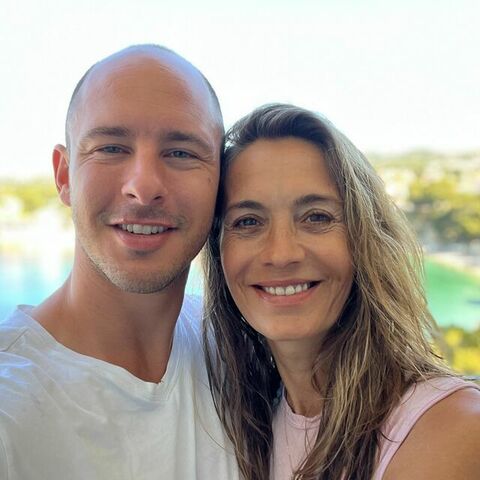
Alessandrina Dorer is a Trauma and Polyvagal informed life coach, mindfulness teacher, and somatic healing practitioner with more than 25 years of experience supporting individuals and groups in regulating their nervous systems, developing emotional resilience, and building lives that feel balanced, meaningful, and sustainable. Her work focuses on helping people understand the biology of stress, recognize their nervous system states, and develop practical self-regulation skills that can be applied in everyday life. Her approach is grounded in contemporary somatic and nervous system science. She holds advanced certifications in Somatic Attachment Therapy, Somatic Anxiety Therapy, Integrative Somatic Trauma Therapy, and Internal Family Systems (IFS) Intensive Trauma Treatment. Her training also includes specialized study with leading experts in trauma and nervous system research, including Peter Levine in Trauma and Memory, Stephen Porges through the Polyvagal Theory Flagship Certificate, Arielle Schwartz in neuromodulation and vagus nerve stimulation, Amelia Barili in polyvagal-informed movement practices, Ann Weiser Cornell in Inner Relationship Focusing, and Frank Anderson in IFS trauma treatment. In addition to her somatic training, Alessandrina has completed extensive education in complementary healing disciplines including mindfulness, meditation, yoga therapy, breathwork, medical qi gong, hypnosis, family constellations, and energy-based practices. Her work integrates evidence-based nervous system education with contemplative and body-based approaches that support regulation, self-awareness, and resilience. She has worked with hundreds of individuals through private sessions, group programs, and retreats that focus on nervous system education, emotional regulation, and support for trauma survivors. Alessandrina has also created more than 800 guided meditations and mindfulness practices and developed educational programs that help people understand how stress affects the body and how regulation skills can be cultivated over time. Her teaching is also informed by lived experience. Having navigated significant early adversity and a long personal healing journey, she brings both professional training and experiential understanding to her work. This background shapes a teaching approach that emphasizes nervous system safety, gradual learning, and practical tools that help students develop a more supportive relationship with their bodies and nervous systems.