Welcome to the Reality Check Podcast.
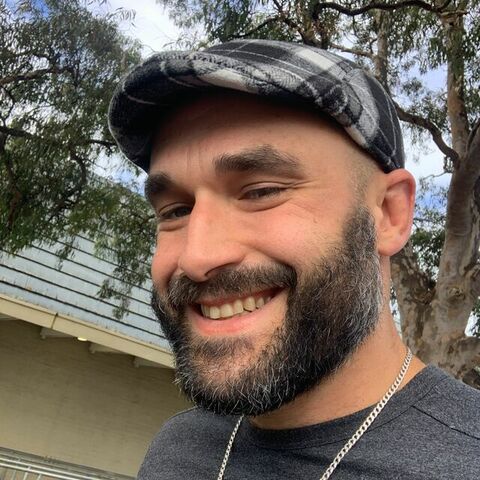
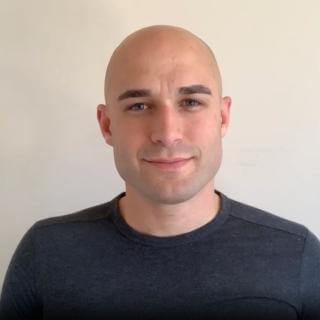
I'm Zachary Phillips.
I took it for granted.
My body was broken before I realized it was my own.
I took it for granted while it was slowly being taken.
I used it without thought.
I used it without comprehension.
I used it without appreciation.
Now it's just used.
I got old before I realized I was aging.
I squandered what I had,
While worrying about what I would become.
I wasted my time.
I wasted my energy.
I wasted my opportunity.
Now I'm just wasted.
My life was over before I realized I was living it.
I ignored reality,
But reality kept a watch on me.
I spent my time.
I spent my money.
I spent my soul.
And now I'm just spent.
That's a poem I just wrote,
Called,
I took it for granted.
And it sort of reflects a lot of the things and feelings that I've been confronted with recently.
There's always stuff going on,
And life feels like at times it can be chaotic.
It seems like there's long stretches where the status quo remains the same.
But then in the space of a few months,
Everything changes.
Or at least it feels like it is that way.
You know,
We go through our early life,
Through primary school,
High school,
University.
And those sort of external time clocks sort of put the world into chunks.
And unless something significant really happens during those times,
It feels like life is relatively stable.
Then you become an adult,
And we don't have the same sort of groupings to sort of slot into.
You know,
You start working.
Yeah,
You work at one job,
Then you change,
And all of that sort of stuff.
But life just sort of happens.
Life just sort of does itself.
And this can involve good things happening.
Families being created,
Successes,
Achievements.
But it can also involve bad things happening.
Death,
Breakup,
Loss,
Unforeseen circumstances.
And I don't know about you,
But I tend to like the status quo.
I want to maintain and develop and foster a life where what I do every day is on balance.
Pleasant.
I think that's a fair enough statement.
For me,
Going away on holiday,
For example,
Isn't always worth the stress of going away and disrupting the routine.
I like to know where I am,
What I'm doing,
And what I've got.
Not to say that I don't like going away,
Or I don't like that sort of celebration,
But I'm sort of trying to refine myself and my life,
My actions,
To just enjoy myself in the way that I like it.
But unfortunately,
And obviously,
Life has a way of pushing back,
And stuff happens.
This poem,
I took it for granted.
Hits a couple of things.
Up until I really got with my wife,
And even into that relationship,
Maybe until about sort of,
I'm not sure,
Four,
Five,
Seven years ago,
I sort of just let life happen to me.
I didn't realise I had agency.
I moved out of home at 16,
Running,
Trying to escape,
Trying to get safe.
I went through uni as a way to just survive,
And I chose courses that would give me an easy employment.
I didn't really sort of step on the front foot and think about,
Well,
What do I want to achieve?
What do I want to do?
Where do I want to take myself?
And only just recently have I even started to consider that that's a possibility.
And that's part of the impetus to start podcasting and blogging and writing books and doing all the stuff I'm doing online,
And trying to compete in martial arts.
All of the different things that I'm trying to do.
But this poem,
I took it for granted.
The first line came to me,
And it sort of roughly explains how I'm feeling about all of this.
And I'll go into specifics of what's been happening,
But this idea of my body was broken before I realised it was my own.
If I wanted to be a martial arts champion,
It would require a significant amount of work.
And quite frankly,
I'm now too old,
Too unskilled,
Too unfit to make it happen.
Yes,
I'm 33,
Which is quite,
You know,
Still relatively in the prime,
And I exercise daily.
But it's too late compared to someone who started young,
Right?
So this idea of like,
My body was broken before I realised it was my own,
Represents that same analogy,
This idea that,
You know,
Even if I wanted to now,
If I wanted to make a real good shot at becoming a world-class champion martial artist,
It's too late.
I realised too late in my life that that's the thing that I should try.
I'm not saying I want to,
Or wanted to necessarily,
But even if I did,
If I didn't,
Whatever,
The options closed based on just physiology.
My body has aged.
A 33-year-old body is not the same as a 20-year-old body in its prime.
But that same analogy can be applied across the lifetime,
To all decisions,
To studying,
To travelling,
To relationships,
To jobs,
To connection to everything.
I feel like in a way that I'm just checking into reality now,
And it's like,
Oh my God,
Look at where I am,
Look at the decisions I've made that have led me to this place.
This isn't to say I regret my decisions or where I've been.
It's more to say that I feel like I've woken up from a dream.
I feel like I've realised like,
Oh God,
This life is real.
Everything is real.
My actions are real.
My decisions and consequences and choices are real,
And they're going to impact me forever for the rest of my life.
I got older before I realised I was aging.
I still sort of feel like I'm youthful.
I still feel like looking out of my eyes that I'm the same.
But then I look at the faces of the people that seem like I'm that age,
And they're clearly,
You know,
They're 20.
They're younger.
And it's like,
Oh,
Oh God,
I'm aging.
Aging's a thing.
I know this might sound a bit contrived,
A bit silly,
A bit obvious,
But it's just sort of checking back into reality.
And this is compounded with a bunch of stuff that is happening both in the world and in my own personal circle.
So obviously in the world,
You know,
And we're going to get a bit deep here,
So content warning,
But you know,
In the world there's issues with coronavirus and lockdowns and wars and politics and identity politics and debates and all of these sort of things happening,
Which is almost always constantly happening.
But there's the looming threat of war and technology and biological issues.
That's always in the background,
And those things flare up as we well know in the current situation.
And those flare ups will cause flare ups in our home lives.
You know,
If we have to deal with the stress of the global pandemic and lockdowns and the politics of all of that involved and all that sort of stuff,
It's going to add extra pressure to life.
It can,
Economy,
Slow down,
People lose jobs,
People lose mental health.
You're getting the point.
So then on top of all of that,
There's been issues in my personal life and not going into details too much,
But there was an acquaintance that I know of that recently most likely committed suicide.
And that's tragic.
It's depressing.
It's overwhelming.
It's confronting.
It reminds me of family members that have taken their lives in the past.
I've lost a few people to suicide already.
A training partner I was training with.
I went away on holiday and I came back and they just weren't responding anymore.
Their social media went quiet.
Nothing.
Unfortunately,
I didn't know any other connections to this person,
So I couldn't follow it up,
But chances are they've passed.
I've had issues with suicide and all of the related sort of mental health concerns,
As you know,
Over the years as well.
Other friends and family have attempted and survived.
It hits home.
So that's quite confronting.
Other people I know right now are struggling with job loss,
With divorce and breakup from traumatic and terrible people,
With the looming prospect of not having a place to stay,
And with other people with terminal diagnoses.
And it feels like all of these things are just happening one after the other,
In the sense that they're just like,
Oh hey,
This friend is having this problem,
This family member is having this problem,
This person is dealing with this.
It's all sort of coming to a head right now.
And yes,
These problems aren't mine,
In the sense that they're more external to me.
It's not me or my partner or my kids.
But they're there in my radar.
Some are closer,
Some are further.
But what I've realised is that the older I get,
The more these things are going to happen.
It's like this bliss period up until you're sort of 25 to 30,
Where if you're lucky,
Or even if you're not that lucky,
The major consequences of life don't happen that often.
But life is finite,
And the longer you go,
The more people you're going to connect with,
And the longer you go,
The more people are going to die.
And that means that life will be back-ended with despair,
Right?
Because you're going to know more people,
And over time,
Those more people will be getting older themselves.
The more people you know,
The more simultaneous issues you're going to be confronted with.
I've said to my brother and my younger friends that are sort of turning 30 now,
I said around 30 was that time that we started seeing people get married,
Have kids,
Break up,
Start to die,
Right?
And it's up until that sort of 30-year-old time,
Yes,
That happened,
But it was very,
Or it felt at least very sporadic.
Whereas at least nowadays,
Now times,
It seems like it's on overdrive,
And I fear that it's going to keep getting more.
And it's like,
How do you maintain that balance?
How do you step back and detach and sort of just,
I don't know,
Manage the chaos of life,
Right?
So,
Added to all of this is this general time.
I'm recording this in mid-November,
And it's coming up to the Christmas season,
Which adds a lot of stress for someone like myself who's quite introverted or overstimulated.
There's a lot of sort of expectations and gatherings and events that,
Yeah,
I don't have to go to,
But part of me wants to.
I want to catch up with friends,
I want to catch up with family,
I want to attend the couple of weddings we've been invited to,
But I know that it's going to come at a cost of my energy.
There's work gatherings,
There's social gatherings,
There's gym gatherings,
And all of these things keep adding up,
And they are ostensibly pleasant,
And I enjoy them in their individual sort of silos.
But when they're sort of put one after the other after the other,
They also become a overwhelm.
I'm looking at my whiteboards where I've got the month's plan of November and December and January,
And it's pretty obvious that there's a lot coming up.
And I've sort of added to that by starting to do some competitions as well.
So I'm not doing myself any favours,
Of course,
But the way I'm sort of managing that is to plan it,
Look at it,
And just have a lot of downtime in between these gatherings.
But of course then life happens,
Like I said,
With people passing and other life circumstances that just sort of get thrown into the mix that sort of take the legs out from under you.
It's at these times that I look back and try and fall back on my self-care,
Lean into the meditation,
Lean into the breath work,
Lean into the therapy and the reading and the exercise and the positive social interactions,
And the taking the time off and the lack of guilt.
Guilt is something that I've really been struggling with.
There's times where no matter what I'm doing,
I feel guilty for not doing the other thing.
So for example,
If I'm exercising,
Like I say I have to to maintain a good mental state,
I feel guilty about not being with my family or not writing or not socialising,
Right?
But if I'm writing,
I then feel guilty about not exercising or not being with my family.
When I'm with my family,
I feel guilty about not doing the routine and rituals of meditation and exercise and writing.
It all sort of ties in so I realise no matter what I'm doing,
I'm going to feel guilty,
Or at least that's not necessarily true.
It's more that feeling guilty is a possibility.
So it's like how I need to have a two-pronged approach,
Make sure that I'm balancing all the aspects of my life,
But also make sure that I'm working on those feelings of guilt.
Why am I feeling guilty?
What do I actually need to feel guilty,
If anything,
For?
Is the guilt productive?
What does the guilt feel like?
Get on that,
Work on that,
Practice that.
But then it also becomes a question of,
Well,
How do I handle and help and interact with the people who are truly struggling?
Because I recognise that right now,
Thank God,
Touch wood,
I'm blessed that my struggles are ostensibly a matter of overwhelm,
A matter of a lot of different things that I'm feeling like I'm trying to balance,
A lot of commitments,
A lot of the emotionality that comes with being exposed to other people's significant life problems.
So the people that have passed,
The people that have lost their jobs,
That have got terminal issues,
Like divorces,
All that sort of stuff,
It's confronting and stressful and a bit overwhelming to hear that sort of stuff,
But I want to maintain the relationships and help people through.
But then it's like,
Well,
How do I best do that?
The first step is I need to obviously maintain my mental state so that I'm in the best state to help them.
But then it's,
Well,
Okay,
I've maintained my mental state,
I'm balancing that sort of stuff,
And I can be available in some capacity for these people to help them through.
What's the best way to approach that?
How do you help someone?
How do you connect?
How do you help someone who's got an unhelpable or an unsolvable problem?
I've had multiple people in my life just recently talk about a terminal illness.
And I've had people pass away,
And both of those situations,
The people that are left there and the people that are dealing with it,
There's no real solution.
There's no necessary problem-solving thing.
If someone needs a job,
You can help someone find a job,
Write a resume,
Get an interview.
If someone needs money,
You can loan them money.
If someone doesn't know how to sort their house out and they feel like they don't know how to clean,
You can teach them the skills.
But what do you do when there's a problem that can't be solved,
Either personally or externally like a global problem?
And I think it's just listening,
About listening and validating emotions.
There's a book that I've just read that I want to talk a little bit about called The Highly Sensitive Person.
It's by Elaine Aron.
And I'm going to do an Abundance Mentality podcast on this because it's incredible,
Absolutely incredible.
I've never had a book describe my personality and my issues and my needs more than this book.
So if you've,
Over the years,
Have related to my podcasts and books and blogs and all that sort of stuff,
If you feel like you've got a similar personality style to me,
I highly,
Highly,
Highly recommend you check out The Highly Sensitive Person.
I'll put a link down below,
But it is incredible.
I listened to the audiobook and now I've got the physical book to flick through and take notes on.
But the part that I wanted to read out to you,
I'm going to read out a little section,
Talks about reflective listening.
This is basically talking about how to best provide support for someone.
And it's something that I'm really trying to work on.
Because my tendency when I hear a problem is to try and fix it.
But a lot of the time,
The person doesn't want to have the problem fixed.
And my intuition to fix the problem just causes an emotional disconnect.
And they will often say or imply,
Or I find out later that it's like,
Dude,
Zach,
You're just not hitting the mark.
We're not connecting.
You're not giving me what I need.
What they need most likely in that moment is an empathetic connection,
Is an understanding,
Is a reflection of their feelings,
Is an emotional hug.
So I'm going to read this bit about reflective listening.
And I'm going to sort of,
It's one of these things that I'm going to look into a little bit more.
So this is from The Highly Sensitive Person by Elaine Aron.
Substantive listening boils down to hearing the other person,
Especially his or her feelings.
To be sure you heard,
You say the feelings back.
That's it,
But it's harder than it sounds.
First off,
First of all,
You'll say it sounds stilted or like a therapist.
And it does when done exclusively.
But that reaction may also be due to a discomfort with feelings,
At least partly taught by your culture.
Believe me,
It seems far less phony to the person receiving the attention.
And just as good basketball players must sometimes do nothing but shoot baskets or dribble,
You need to practice listening exclusively now and then,
Exclusively now and then,
So that there is a move when you need it.
So try exclusive,
Pure,
Reflective listening at least once,
Preferably with someone you're close to.
Still unsure.
Another reason for sticking to feelings is that out in the world,
They are rarely heard.
We want them to be honoured,
At least in our close relationships.
And feelings are deeper than ideas and facts in that they often colour,
Control and confuse the idea and the facts.
Often the feelings are clear and the idea.
.
.
Once the feelings are clear,
The ideas and facts are clearer too.
When doing reflective listening during a conflict in your relationship,
You'll be forced to hear when you're being unfair.
And it's when it's time to outgrow certain needs and give up certain habits.
And to hear the negative impact that you're having without defending and shutting off the bad news.
And without getting over aroused and breaking down so that the other has to take care of you.
Now it goes on to talk about a lot of other stuff,
But I just really connected with this reflective listening component.
And in the light of all the things that are popping up recently,
I've been having to practice reflective listening.
And like the book says,
It can come across as stilted.
It can come across as a bit awkward.
But that's because,
At least personally,
I don't feel like I have the practice.
It's very easy to think you have a solution to other people's problems.
But ultimately,
Even if you have the perfect solution,
They have to be the one to come up with it,
Or at least to accept it.
And they're not going to accept it unless they're heard.
And what I found personally is that if I can't practice effective reflective listening,
And someone tries to talk to me,
And they need that emotional response,
Their upsetness shifts from the problem to my inability to understand their emotional reaction to the problem.
And now we're having this meta-debate about our personal emotions,
Rather than hearing the problem at hand,
Which obviously doesn't really help.
And also beyond that,
The solutions will come.
If you can practice reflective listening,
Once the emotions are heard,
They often start suggesting solutions,
Or they're far more receptive to the solutions that you see.
And then the problem resolves itself.
Because like I just said,
Emotions can tint and change and distort the problems.
And that just muddles the water.
But once you're in a clearer,
More detached perspective,
Once you've sort of,
For lack of a better expression,
Played the therapist role for those around you,
Then you can look to those solutions.
And sometimes people don't want the solutions,
They just want to be heard.
And bringing it back to this sort of topic,
All we can really do sometimes is hear people's emotions and feelings and thoughts,
Particularly if the problems,
Simply put,
Can't be solved.
You know,
I can't solve a friend or family members or acquaintance or a training partner's suicide.
Once it's happened,
It's happened.
I can put content like this out there.
I can reach out.
I can be open and honest.
I can advocate for mental stigma reduction.
I can do all the things that I can do.
But simply put,
Once it happens,
It happens.
And then the people are left reeling.
Same thing for terminal diagnoses.
I can't fix that problem.
I am just left dealing with the emotional ramifications of myself,
As well as the person that's going through it.
I once again,
Thankfully touch wood,
Have not ever had to experience that sort of thing put upon myself.
So I can't put myself in the shoes of someone that has.
But I do know that the longer life goes on,
Like I said,
Eventually we all will have to face our own mortality.
For some of us,
It'll come quickly,
Unexpectedly.
For some of us,
It will come from a prolonged fight with something.
For some of us,
It will come peacefully,
With old age.
But it will come for all of us.
And that's hard.
And then I suppose that ties it back to the poem I wrote.
I took it for granted.
So I'm going to end it with the poem again.
Like I said,
If you want to check out the book that I read from,
The Highly Sensitive Person,
I'll chuck a link down below.
And I'll put a link to the poem as well so you can have a little read along too.
I took it for granted.
My body was broken before I realised it was my own.
I took it for granted while it was slowly being taken.
I used it without thought.
I used it without comprehension.
I used it without appreciation.
Now it's just used.
I got old,
Before I realised I was aging.
I squandered what I had,
While worrying about what I would become.
I wasted my time.
I wasted my energy.
I wasted my opportunity.
Now I'm just wasted.
My life was over,
Before I realised I was living it.
I ignored reality.
But reality kept a watch on me.
I spent my time.
I spent my money.
I spent my soul.
Now I'm just spent.
I just want to thank you for all the support and connection and guidance and love that I get from the followers of this podcast and all of the other stuff I'm doing.
And I really want to say a massive thank you to those of you who've taken the half a minute to a minute to rate and review what I'm doing here.
It helps spread the word.
It helps grow the following.
It helps push for stigma reduction.
And in a way,
It will help to save lives.
And I don't mean that in a pithy sense.
It's real.
The more we open the discussions to talking about mental health,
Mental illness,
Suicide,
Life,
Death,
The reality,
The reality of life that we're living,
The more we'll be able to get through,
At least in somewhat of a little bit better way.
I've had people reach out saying that this podcast has helped them to stay alive when they thought they didn't want to be here anymore.
I've had people saying that they've shared it with a friend of a friend who's been struggling.
I've had people say that the way that I'm talking about my own internal states connects with theirs in a way that they've not seen before.
I struggle to ask for things.
I struggle to put value on my own work,
So I can only rely on those sort of comments and content and responses to sort of validate what I'm doing.
So thank you for those people who've taken the time to rate and review and share the podcast.
And if you can,
If you're still listening,
If you would be so kind,
Please do so.
It bumps it up.
It feeds the algorithm gods.
And if you share it with someone,
It starts the communication with them and say,
Hey,
You might appreciate this or this spoke to me or check out,
Have a listen to this guy's chat and maybe we can sort of start chatting about it or hey,
You okay?
So if you like this rate and review,
Share it with someone and perhaps we can build a better future together.
Together we can make a difference.
Anyway,
Thanks for listening.