Hi,
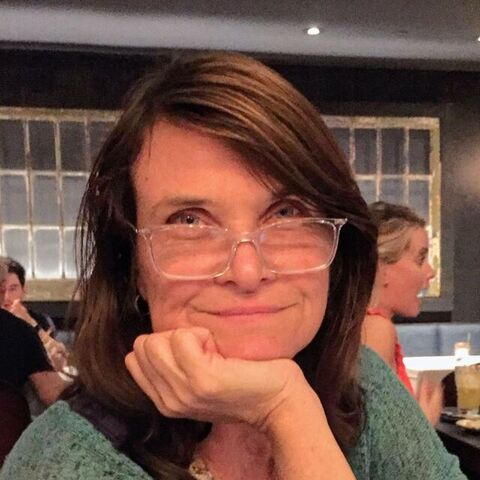
I'm Paula and it's an honor to have you here with me on this journey to live lighter and sleep better.
On day one,
I've already shared some information and practices that help me sleep better,
So I invite you,
If you haven't heard the audio of day one,
To listen to that too.
You can listen to all the audios in sequence of whatever order you like,
Whichever works best for you.
One thing I discovered dealing with my own insomnia was that it's impossible to force sleep.
The more we try to sleep,
The less sleep we get.
Have you been through this?
I have,
In the cycle of anxiety,
Insomnia,
Insomnia,
Anxiety that I mentioned on day one.
I wanted to sleep,
But I wasn't able to.
Then I became anxious because I couldn't sleep and that's when I couldn't sleep at all.
It is not possible to force sleep and being anxious because you cannot sleep does not help at all.
It only disturbs you even more.
All we can do is provide the right conditions to sleeping.
That helps a lot,
Especially when it does not come with the expectation that by providing this,
This,
And this,
I will sleep and that's it.
Because that's not how it works.
I will tell you a little bit about which conditions I discovered during my journey that provided me with better sleep.
One of these conditions is relaxation.
That is why it is important to give up expectation.
Because when we are expecting that we are going to sleep,
That we have to sleep,
We enter a state of tension and that does not help sleep at all.
But how do we enter a state of relaxation?
There are techniques that can help us do this.
One of them is body scanning.
And today I'm going to share this technique here with you because it helped me a lot.
I incorporated it into my bedtime routine.
In fact,
Having a bedtime routine is also very important.
But I'll talk about this another day.
Today we are going to concentrate on the body scan,
Which basically consists of paying attention to different parts of your body,
Especially those in which we carry tension.
And when observing these areas,
Check for tension in them and check if it's possible to relax them.
So let's relax our body to help you fall asleep.
But remember,
If it doesn't fall asleep,
Just stay there,
Relaxed.
This is already resting your mind and your body.
Let's go.
Sit in a comfortable position or lie down,
Whichever works best for you.
If this is comfortable for you,
Close your eyes and start breathing deeply and slowly.
Inhale deeply and slowly.
And exhale deeply and perhaps even more slowly.
Do this for a few breaths.
Breathing in and breathing out.
Gradually take your attention to different parts of your body and check if there's any tension there and if it's possible to relax it.
Watch your forehead and relax it.
Observe your jaw and let it loose.
Observe your whole face and as you exhale,
Let it go in tension along with your exhalation.
Watch your shoulders and drop down.
Watch your neck and soften it.
Watch your chest and let it go.
Watch your back and relax it while you exhale.
Observe your lower back and soften it.
Watch your legs and let them go.
Watch your feet and relax them.
Scan your body in any order you like,
See if it's possible to relax even more.
And if your mind wanders during this process,
Don't worry.
Gently bring it back and relax.
And stay there,
Breathing and relaxing for as long as is necessary and comfortable for you.
If you happen to fall asleep,
Sweet dreams.
If you don't,
That's alright.
When you're ready,
Bring your tension back to the present moment.
Take a deep breath and have a good night.
Namaste.