Lesson 3 Types of Insomnia There are two types of insomnia.
Sleep onset and sleep maintenance.
Let's begin by understanding sleep onset.
This happens at the beginning of the night when the person has trouble falling to sleep.
This can be temporary and acute due to a physical ailment and when you feel better,
You sleep better.
But in most cases,
It becomes chronic due to the irritation it causes in the sufferer.
Acute insomnia can happen due to a highly stressful life event such as a death or a divorce or a serious illness that keeps us in bed and in pain so that our sleep system is disrupted.
Once our routine becomes normalized,
Some can return to their usual sleep cycle.
Or it can be the catalyst of a chronic situation that becomes a debilitating cycle that grows worse,
Not better,
Over time.
This is called the negative sleep cycle when the initial stress is something everyone can deal with but then you have problems sleeping because of the stress,
Even though the stressful event is over.
Worrying about your inability to sleep causes you to try harder to sleep,
Which creates more stress and cortisol,
Which in turn keeps you awake.
Then you,
Of course,
Have a really bad night of limited sleep,
Which aggravates your mood during the day.
And the next night you start all over again,
Preparing to go into your nightly battle for the rest you badly need.
So the longer you take to fall asleep,
The more stress it causes.
Tension is the opposite to sleep because it will cause the body to release stress hormones like adrenaline and cortisol that wakes us up and adds to the severity of the symptoms.
So a temporary lack of sleep can turn into a long-term health issue if not aware of how to relax and get back into a healthy pattern,
Which will be discussed later in the course.
The second type of insomnia is sleep maintenance,
Where the person has trouble staying asleep.
Maintaining a sleep state is caused by internal physical functions of the body.
These can include breathing issues such as sleep apnea or addictions that cause cravings to sleep so your body wakes you up to ask for more before it goes into a detox state.
Digestion,
Hunger,
And thirst will also wake you up in the middle of the night.
External factors are also robbers of sleep when noises and lights wake us up and we then get angry or worried about getting back to sleep,
Which activates the stress hormones again.
We need to learn a gentle and calmer way to get ourselves back to sleep if this occurs.
The two types of insomnia reduce quality sleep.
Most people have a combination of both.
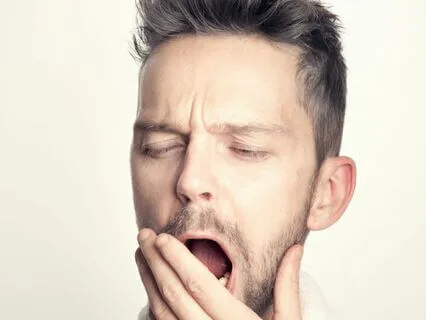
Less sleep time leads to daytime fatigue,
Less concentration,
Irritability,
And could lead to major sleep deprivation that has metabolic and psychological symptoms.
Most insomnia is caused by what is called sleep apnea,
Which is a type of insomnia that involves sleep hygiene,
Which takes into account your surroundings and your lifestyle,
Which we'll discuss in greater detail.
In any case,
It is all curable.
The great news is that these suggestions and strategies have resulted in improvement even for hardcore insomniacs of 20 years.
You too can experience an end to a torturous part of your life that should be something you look forward to and is good for you.
To further understand insomnia,
I need to also explain about the sleep system and the wakefulness system of the body.
The wakefulness system is normally dominant for two-thirds or about 16 hours of the day,
While the sleep system is dominant for one-third or eight hours of the day.
This sleep and wakefulness balance is interfered by our thoughts and habits.
This course will help you optimize and use these systems to your benefit when we talk about sleep hygiene and scheduling.