He gave a little talk,
15 minutes,
And then a little way to shift awareness.
When he did this,
Within three minutes,
I felt the same way I did at the end of a 10-day retreat.
Welcome to the one you feed.
Throughout time,
Great thinkers have recognized the importance of the thoughts we have.
Quotes like,
Garbage in,
Garbage out,
Or you are what you think ring true.
And yet,
For many of us,
Our thoughts don't strengthen or empower us.
We tend toward negativity,
Self-pity,
Jealousy,
Or fear.
We see what we don't have instead of what we do.
We think things that hold us back and dampen our spirit.
But it's not just about thinking.
Our actions matter.
It takes conscious,
Consistent,
And creative effort to make a life worth living.
This podcast is about how other people keep themselves moving in the right direction.
How they feed their good wolf.
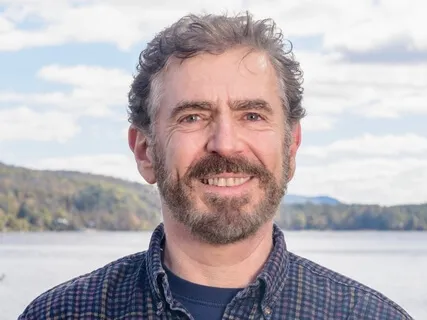
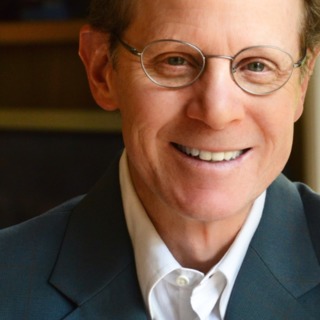
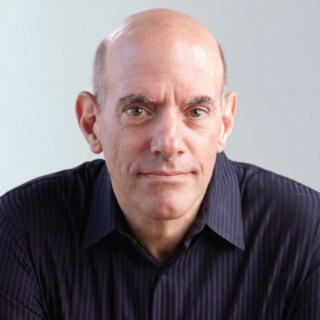
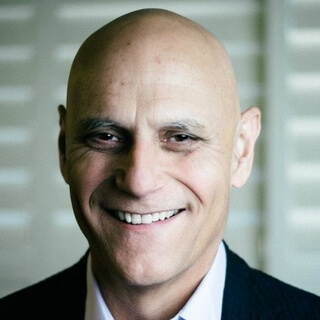
Our guest this week is Locke Kelley.
Locke is an author,
Meditation teacher,
Psychotherapist,
And the founder of the Open Hearted Awareness Institute.
Locke works to help people access awakening as the next natural stage of human development.
He offers in-person retreats,
Workshops,
And online video and audio courses.
He served on the New York Insight Teacher's Council,
Studied extensively with Ming-Yur Rinpoche,
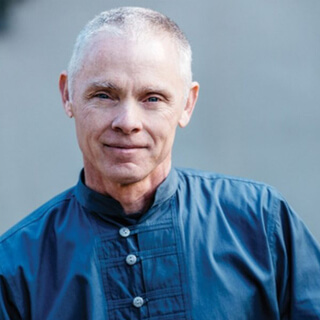
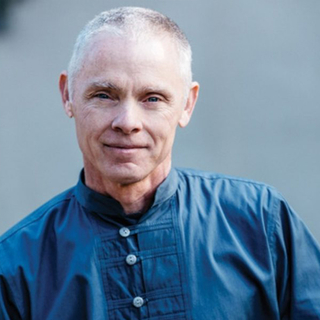
And was invited to teach Direct Realization by Adyashanti.
He's also collaborated with neuroscientists at Yale,
UPenn,
And NYU in the study of how awareness training can enhance compassion and well-being.
As a licensed psychotherapist,
Locke has been teaching seminars,
Supervising clinicians,
And practicing awareness psychotherapy in New York City for 30 years.
His latest book is called The Way of Effortless Mindfulness,
A Revolutionary Guide for Living an Awakened Life.
And here is our conversation with Locke Kelley.
Hi,
Locke.
Welcome to the show.
Thanks,
Eric.
It's really great to be here with you again.
Yes,
Certainly a pleasure to have you on for a second time.
And we are going to jump in and talk about your new book here in a moment,
Which is called The Way of Effortless Mindfulness,
A Revolutionary Guide for Living an Awakened Life.
But before we do that,
We'll start like we always do with the parable.
There is a grandmother who's talking with her granddaughter and she says,
In life,
There are two wolves inside of us that are always at battle.
One is a good wolf,
Which represents things like kindness and bravery and love.
And the other is a bad wolf,
Which represents things like greed and hatred and fear.
And the granddaughter stops and she thinks about it for a second and she looks up at her grandfather and she says,
Well,
Grandfather,
Which one wins?
And the grandfather says,
The one you feed.
So I'd like to start off by asking you what that parable means to you and your life and the work that you do.
Sure.
Yeah,
I'm happy to give you,
You know,
Kind of a unique interpretation,
Maybe what we might call a kind of non-dual interpretation or a view from effortless mindfulness.
So the sense would be that each of us has parts within ourselves and usually they're polarized.
So there's two wolves within us,
One might be happy or soft and childlike and another might be more angry or strong.
And the feeling is that they're both actually parts of us and there are no bad parts.
So the way that we might experience this would be to feel each of those parts,
Each of the wolves within us and then simply ask,
Can you feel the angry wolf?
Yes.
Can you feel the happy wolf?
Yes.
And then to ask the question,
Who's aware of those two wolves?
And then as we feel that,
The answer would be feed the one who's aware of the two wolves and then acknowledge and talk to the two wolves to see that maybe the angry,
The mean,
The strong wolf might be a protector that is looking out for the good,
But just doesn't quite know how to do it.
Right,
Right.
Exactly.
I think that's,
You know,
More and more an idea that we get,
Which is to,
You know,
What is the emotion telling us?
What is the message it's sending?
Not that it's a bad thing,
But what is it sending?
Yes.
Exactly.
So let's jump into your book.
You were on before,
So we talked about some of these ideas before,
But you've reframed them a little bit in this book and talking about them slightly differently.
But let's start with the title,
The Way of Effortless Mindfulness.
So what is effortless mindfulness?
So in some ways,
That little example is that we're kind of effortlessly,
Effortfully trying to run our lives as if we're living in this cloud or in this body and using our smart parts and even our mindful meditator to try to organize or clean up this cloud of our body mind.
And so the remarkable move in effortless mindfulness is to kind of step out of the cloud and to recognize we're also the sky and we're aware of this freedom of the sky and then to realize the sky is already awake without our help and then to be aware of from the sky back realizing the cloud is within the sky and the sky is within the cloud and then to feel this embracing effortless awareness that's aware without effort that can focus without concentrating that is kind of like a flow consciousness that we can kind of integrate kind of the transcendent and imminent,
The spiritual and the mundane.
Great.
So let's break that down a little bit,
Some of the things that you said there because I think that it might be useful to contrast what you're calling effortless mindfulness versus deliberate mindfulness,
Right?
And deliberate mindfulness is more what we're used to talking about.
And a way of saying it that you use in the book and I've heard also is in a deliberate mindfulness practice,
Right,
We're paying attention to the objects of consciousness,
Whether it be our breath,
Whether it be sounds,
Whether it be we look at our thoughts.
And in effortless mindfulness,
The idea is we pay attention to the context or the space itself that all that stuff is happening in.
Yeah,
So that's the real and traditionally when I met this wisdom teacher and as I've studied other wisdom traditions,
This is kind of the next natural step of mindfulness practice or of wisdom practices that starts with some kind of yoga or calming the body and focusing the mind just as a preparation or as a preliminary set of practices.
But there's meant to be kind of the next stage so that mindfulness is about awakening,
Not just about stress management.
So for those who are interested in kind of relieving suffering at its root,
We begin by focusing on the contents of consciousness and creating a kind of mindful witness and then interestingly opening,
Almost looking behind the camera to feel this more vast,
Spacious,
Awake consciousness that is spacious and pervasive,
Embodied and interconnected with everyone.
And it seems like an intellectual or abstract idea,
But it literally takes just the same amount of time to learn effortless mindfulness as deliberate mindfulness.
And it's just a kind of a new,
Unique skill set that can be learned and once you kind of get a hold of it,
Then I have a set of these practices that kind of lead you through these small glimpses.
This idea of glimpses that you talk about,
I want to talk about that real quick and then maybe do one because I love this thing.
One of the things in your teaching that has always really stood out to me is the phrase small glimpses many times.
Tell us about what that is.
So,
Just to give you a little background,
I was in graduate school and went on a fellowship to Sri Lanka and studied deliberate mindfulness,
Which is from the Theravada or insight meditation tradition.
I sat five-day retreats,
10-day retreats and longer.
And then I went up through India and met this teacher,
Toku Ergen Rippache,
Who was giving out this,
What he called effortless mindfulness approach and he gave a little talk,
15 minutes and then a little way to shift awareness.
And when he did this,
Within three minutes,
I felt the same way I did at the end of a 10-day retreat.
So you might guess that that caught my interest and that was a glimpse.
That was a one-minute to five-minute shift of awareness intentionally to discover that that awakeness that I had kind of worked 10 days to kind of calm down in order for it to appear is already here and is as close as our breath.
And so learning how to glimpse this with just simply by moving awareness is the method that can be done in the midst of a busy life rather than needing to retreat to a quiet place or join a monastery or live in a cave.
Right,
Right.
And I love that idea and it really speaks to something we talk about on the show all the time.
You always talk about small steps,
Small consistent steps,
Right?
You know,
You'd be amazed what a series of small steps taken over and over will lead to and that's what I love about the small glimpses many times,
Right?
It's not searching for,
Like you said,
Being able to go away and retreat and stay in a certain state.
It's about trying to shift awareness a lot,
You know,
Over and over and over again,
But relatively quickly.
And I really like that part of the practice.
So why don't you give us one of these glimpse practices right now?
Sure.
So I mean,
It can take a little bit to set up,
But one simple one would be a way to drop from head to heart mind.
So the sense when we do a deliberate mindfulness practice is we focus on our breath.
So you could start out by simply doing this just as a preparation as people may have done before just to focus on your breath at your belly.
And you just need to do it for a couple breaths and then shift your awareness to notice where are you focusing from.
So this gives us a feeling that not only are we able to focus on the object of our breath,
But now we're starting to feel our normal sense of a subject,
Which for most people feels like it's in the middle of our head behind our eyes.
And so feeling that pattern of thought and realizing that it's not a solid separate self,
See if you can simply feel as if awareness is identified or attached to this pattern of thought.
And then somehow feel like awareness can step out into the space around you.
And just feel that relief or that quiet and then feel as if this awareness,
Which is kind of moving itself,
Can drop and become aware of your smile and your jaw directly from your jaw.
And somehow this awareness can move itself down to be aware of your throat from within your throat,
The space,
The aliveness and the awareness directly knowing itself from within and then feel this awareness drop below your neck as if the subject and object are moving from head to be embodied and then feel as if this awareness can discover a safe heart space that you're aware of and that then you're aware from.
So just curiously notice that you don't have to orient a thought to be alert and knowing and hear and embodied and just notice what it's like almost as if you're seeing through the eyes of the heart or knowing from this heart mind what's it like just for a moment to have dropped from head to heart mind and be aware and awake from this heart space.
Okay,
I'm gonna get back into the conversation here.
I don't know,
A silent podcast might bore some people.
And people can pause it another time.
Yeah,
Pause it and do it again.
So,
Here's a question for you that I think is an interesting question because I've been exposed to your work,
Sat several retreats with Adyashanti,
I've been exposed to other ideas around this sort of effortless meditation which is really you stop trying so hard to concentrate and you sort of sink into what is aware and try and do that,
Right?
And what I've found is that sometimes that's extraordinarily profound and other times it's like just nothing.
It's like my brain just runs around like it does all day long,
Right?
And so it's this sense of,
You know,
For me what I've found is that there are times that I can open up to a much more spacious awareness and kind of just take my hands off.
And then there are other times it seems if I'm actually trying to,
You know,
Quote unquote practice that I actually need a little bit more,
I need to give myself a little bit more structure,
A little bit more focus in order that it just not be mind wandering.
So from your perspective,
You know,
Let's talk about that.
So interestingly,
There tends to be two primary methods of direct practice of kind of a non-dual recognition realization.
One is kind of the do nothing practice,
What I call the resting or the sitting method where you just sit and let things quiet down.
And that's kind of a Zen style that some most non-dual teachers practice and most.
And then the other is this inquiry practice or this looking method and it has an active principle of immediately and pretty much 99% of the time working up intentionally once you learn it.
So the sitting method I found similar to you,
It was a hit or miss thing when it worked,
It was wonderful,
But most of the time and certainly out of retreat style,
It didn't work as well.
So I discovered this way of unhooking awareness and having it learn and feel how to open to the spacious awareness,
Kind of return home,
Then be aware from the spacious awareness back to the alive embodied interconnected field.
And then you actually are able to enter what's called a flow consciousness or flow state,
Which is the optimal way of functioning from a non-egoic,
Non-thought based way of being that is highly functional,
But free of chattering mind.
So this is kind of why I developed this more inquiry based or shifting or glimpsing method that once you do learn the way to separate awareness from thought and awareness from the doer,
You can pretty much access,
Return home,
Drop open and include everything and then begin to function and relate and create from this awake consciousness pretty consistently for short periods of time and then it starts getting longer.
So it's quite a different thing and that's why I wrote this book is because it does have more of a method than just sitting,
Which is more of the traditional way of accessing non-dual awareness.
And so do you recommend that people practice these glimpses,
I guess,
You know,
Small glimpses many times insinuates that yes,
We are practicing it often,
But do you recommend setting aside time for focused practice of these glimpses?
Do you just say,
Hey,
When you remember,
Do it like,
Let's talk about somebody who goes all right,
This is really interesting,
I want to practice this and obviously reading your book is the best way to get all this information.
Yeah,
I mean,
Just like you said,
Small steps and then consistency.
So finding a rhythm that works for you,
But pretty much regularly during the day and some people find that they continue to do a sitting practice if they have one in the morning and then they glimpse during the day and then there's many people who have never been able to focus on their breath or sit quietly without continuous chattering mind and mind wandering.
And for those,
This glimpsing immediately relieves that.
And so then during the day,
It's kind of like you can look out the window and do a glimpse,
You can sit on the subway and do a glimpse,
You can walk around the park or walk around your house and do a glimpse and they take one to six minutes and then actually the best thing to do is to,
Once you do the glimpse immediately,
Go back to creating and relating and typing and talking and walking and it begins to rewire your neuronal network to living from an awakened life rather than separating these times of meditation and then you have to kind of recreate the doer or the ego that may be a little more relaxed but still is that small separate sense of self,
Which is the root of the suffering.
So the unique thing is that the glimpse is not a shortened meditation,
It's actually an upgrade of operating system that you shift from the small separate sense of self and then you don't stop at the gap of don't know mind or not knowing or kind of blank relief,
You immediately go to the awake more spacious interconnected,
Embodied open-heartedness and then you're now aware from there of thoughts,
Feelings,
Sensations as more of a flow or more of a ocean and wave feeling rather than a witnessing separate sky.
So you feel this interconnected,
Loving,
Safe,
Ground of being quality is what most people say.
And so it's surprising that this map has been available in these traditions and it's that I find that contemporary people can learn and navigate it fairly easily.
It's just so new now,
So unique that people can't believe that it's so simple.
And so if you're wanting to learn this method,
Again,
The book has a lot more instruction than we'll ever get out here,
But I want to talk about a couple things from a practical manner because I actually been exposed to your work for a while and I had one of my first,
What I would consider one of my first sort of awakenings listening to you on someone else's podcast and you did the glimpse that listeners have heard and that I've talked about before,
Which is stopping what's here if there's no problem to solve.
And my mind just went boom.
Right.
And so,
However,
I've tried that glimpse many,
Many times since,
And there are times that I find like,
Oh,
That's helpful,
But I haven't had the same sort of experience.
And there's a lot of times I do it and even some of the other glimpse,
I will tempt them and it's like nothing.
And so I guess my question for you is twofold.
One is if you try and do a glimpse and it just doesn't seem to take in that moment,
What's the right way to proceed from there?
And then the follow on question would be,
How do you learn to glimpse better?
Do you keep doing one glimpse often?
Do you keep rotating through all the different ones?
Do you find the ones that work for you?
Kind of curious really practically how you put this into action.
Sure,
Sure.
Yeah.
I mean,
Certainly the,
What I call system one or the ego mind kind of tends to learn the glimpse and grab hold of it and almost like own it like,
Oh good,
We're gonna do the glimpse,
Let's achieve something now.
And it kind of like keeps you from letting go because it's like,
I really love this,
So let's do it.
Yeah.
Okay.
Ready?
Go.
You know,
Like,
Oh no,
It's not working.
Try harder.
No,
Don't try.
Wait a minute.
And then,
Yeah.
That's about it.
Yeah.
Yeah.
That's the,
You know,
I have a whole section in the back that I call traps,
Detours and rerouting instructions.
And so it gives a little,
You know,
Some of these ways that we get caught as antidotes.
So you know,
There's like a fullness of the map.
That one that I do often on like beginning is one I kind of developed as kind of go from step one to step two.
And sometimes it'll lead further to step three,
Four or five,
But it's still just one doorway in and it's just the first step.
And so I kind of divide things into what I call the five foundations of effortless mindfulness and they kind of build on each other.
You can go kind of from one to three to five or don't have to always go step by step,
But you get the feeling of where you get caught and how you're not quite there yet if you experience kind of what I call waking up from.
Then you have to wake to the awareness that's already awake and then you wake from the awareness back to embodiment and then you wake into your body and then wake out to life and action.
So it's learning to navigate your consciousness and making it your own,
But I give kind of the principles and kind of the map and then everyone's got to find their own way,
Which is kind of the important democratic way to do it rather than it being a guru or a one right way system.
And so by being interested and playing with it,
I have one audio series of like 31 small glimpses and I usually tell people listen to it once through because they build on each other and then go back the second time and start going,
Oh,
Number four I like,
Oh,
Number 12,
Oh,
That's great,
Oh,
I like,
And then just kind of mark those and then go back and then just when you need one just go to number four or number 12 or number 22 and it'll kind of be your starting point to start to learn this new dimension of your own being.
And so let's say we do that with somebody goes,
All right,
I like four and 12,
Right,
Seem to be helpful and I go and I do,
I try and do a glimpse,
You know,
I'm like,
Oh,
It's nine in the morning,
I remember I'm going to do a glimpse,
Right?
And I try four and again,
I recognize this is the ego talking when I say nothing,
Nothing happens.
So totally,
Yes,
I get that distinction of trying not to try and all of that,
Right.
But I try the practice and I'm unable to unhook,
I'm unable to,
It feels like I'm unable to go into the awareness.
Do you recommend that you stop and go,
All right,
Let me try that again?
Or do you go,
Maybe right now is not a good time?
Or,
You know,
I guess that's kind of what I'm after.
You keep sort of slogging away on one.
Yeah.
You know,
You start again and then you can try another one.
But there's a learning curve.
The first section of learning is kind of getting the felt sense of the principles like learning to ride a bicycle,
Learning to type.
You're kind of learning the ABCs and you're kind of like,
Some days you're typing well,
Some days you're messing up when you're learning and it's why I wrote this book and why I have these series of glimpses is that you will feel how your awareness can,
What I call unhook and drop or unhook and open and discover.
And once you get a feel,
The ego is not doing that,
That actually as soon as awareness unhooks and opens that you've already shifted into awake living.
The awareness is actually the intelligent mode of operating and the doer or the small self is now just an ego function.
It's not an ego identity.
It's just part of you.
And you start to,
You know,
They're like phases where at first,
You know,
There's a learning curve.
It's easy,
It's hard,
It's not quite getting,
This one didn't work,
That one worked.
And then you're like,
Okay,
I got the feel of it and now it just starts to be the new normal.
And so,
This has more of this solving of the paradox of doing and not doing.
So,
You're not wrestling at that place which you do when you're doing just sitting or the resting method.
You're kind of always playing with,
Am I doing or not doing or letting go or am I asleep,
Am I going off to thought,
Am I coming back,
Who came back,
Did I try to come back or,
You know.
So,
This is literally as soon as awareness unhooks.
Awake consciousness is not passive,
It's actually active.
So,
It has an intentionality and a movement and a dynamism that you begin to hand the baton off to that.
And once that movement has been learned,
You're in the second phase of everything becoming easier and just noticing,
Is there some protective part keeping me from doing this or some effortful part or let me just unhook from that effortful part or that protective part.
And you pretty much can do it every time except maybe extreme emotional situations.
But just in any morning time or afternoon time,
Most people within,
If they kind of are willing to learn the system just like you'd be willing to learn deliberate mindfulness,
Which is basic mindfulness,
Is the same learning curve to get to a certain place where you're getting the benefits,
Then it enters the second phase of ease and clarity of how you're able to move,
How awareness is able to move itself.
Excellent.
Let's talk about some of the traps and detours and rerouting that you have in the later chapter.
Can you give us just a couple practical examples of places things might go wrong and how to correct it?
Sure.
So,
You know,
The first one is that it's just the definition of awakening,
That it's somehow an either or thing,
That it's transcendent only,
That you can only do it on retreat or that it's like a spiritual bypass,
That you've kind of shifted into this pure awareness and then there's a feeling,
Oh,
There's no problems,
There's no suffering,
But there's actually no humanity either.
So then,
Literally the set of instructions that I've kind of added to this whole field is okay,
Once you've shifted out and you're aware of the pure awareness,
That's called recognition,
Then you realize the awareness is aware of itself without your help and then it's as if,
Oh,
But I'm aware from the awareness,
That's the new location and that's called realization.
And then there's a feeling that you're aware both outside and within in this kind of embodied interconnected feeling and that actually balances what's called your default mode network of your brain,
Which is what kind of takes us into this distraction.
So some of the ways of getting caught are just not knowing the map and that once you know the map,
You'll say,
Oh,
I'm faced out,
Oh,
I'm blissed in.
Those are two of the traps for those people who kind of drop within their body,
Like chanting,
Mantra and singing and sports,
You can drop out of your ego into your body and then you get blissed in,
But then it ends.
And those who do more subtle mind practices of non-dual or meditation,
They can get spaced out or they can get caught in what I call the witness protection program,
Which is basically shifting into this witnessing position of a meditator that's walking around kind of watching yourself,
But being disembodied.
All right,
Thank you.
We're getting near the end of our time,
But let's do one more glimpse practice if you're good with that,
Then we'll wrap this up.
Okay.
Yeah,
Sure.
So I mean,
Yeah,
Why don't we just,
Because I'll give a little explanation of the one we've talked about,
But because it is simple.
So the premise of developing this inquiry of what's here now when there's no problem to solve is that the obstacle to awakening is this developmental pattern of this small separate sense of self that's made of thought and emotion that loops around.
And in fact,
We've even kind of solidified it by saying,
I think therefore I am.
So that feeling,
It literally has a feeling for most people of being located behind your eyes,
In the middle of your head,
Looking out of these peoples.
So that feeling we call I,
And it's related to our body,
And then we use visual and mental cues to feel like I'm separate only,
And then we feel alienated.
And this feeling of being unable to solve the problem of being connected and satisfied and free because the thought-based temporary identity is continually trying to solve the problem of connecting and being free and finding satisfaction,
And it can't find it because it's looking within,
It's looking without.
And if it would just relax that job of solving the problem of identity,
Then we might discover experientially that who or what is here that's always been here is this awake,
Embodied,
Loving consciousness.
So it's just that inquiry that allows the obstacle to relax and more importantly allows the awareness-based knowing and the open-hearted identity to be who's aware of anything within and without and kind of welcoming.
So the simple glimpse to ask this simple question to understand it and then inquire and then feel with your awareness kind of back and down to that which is aware and be aware from it.
So the inquiry is simply this.
What's here now when there's no problem to solve?
And then the pointers that continue if you have a glimpse of the not going to thought and not going to sleep to rest,
You're aware of more openness or spaciousness of a kind of awareness or joy,
And then just notice are you aware of the spaciousness or are you actually aware from it?
So that now your view is from this non-thought-based,
Embodied,
Open-hearted presence and then just welcome everything and notice that you could talk or relate from here without going back up to create a manager.
And so that becomes kind of the next phase of this kind of five-part embodiment support that people can kind of explore and then you're able to be this more open,
Loving presence.
Excellent.
Well,
Thank you so much,
Locke,
For coming on the show.
It's been a pleasure to talk with you again and I do think that these teachings that you're presenting is really a different approach that is worth investigation,
I think,
By anybody who is looking towards awakening or meditation or all that.
There's something different and new here that's worth exploring.
Great.
Thank you so much,
Eric.
It's always a pleasure.
Yeah,
You and I are going to continue talking in the post-show conversation a little bit.
We're going to talk about a map of consciousness or patterns of experience through certain lenses and kind of how we suffer and some of the solutions to that.
So listeners,
You can get access to the post-show conversations,
Ad-free episodes,
And a special mini-episode with me each week by going to OneYouFeed.
Net slash join and becoming part of our community.
Thank you,
Locke,
So much again for coming on.
Thanks,
Eric.
Thank you.