Hello,
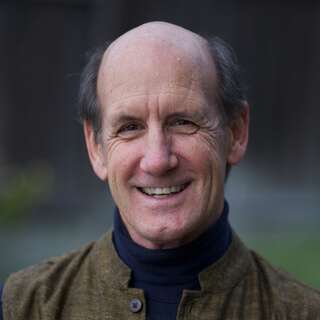
I'm Richard Miller,
Founder and chairman of iRest Institute and the developer of iRest Meditation,
Which research shows can help you ease into deep,
Restful sleep each and every night of your life.
We all look forward to a good night's sleep,
As sleep is as essential for our overall health and well-being as our food,
Water,
Air,
And shelter.
And while we spend an average a third of our life sleeping,
A good night's sleep can sometimes seem like an elusive event,
Especially during challenging times.
So it's good to know how to get restful sleep,
Even amidst the challenges you may be facing in your daily life.
It's important that we understand that lack of sound sleep affects our mood,
Energy,
And concentration,
And reaction times,
And our ability to respond with kindness,
Compassion,
And understanding within ourselves and in our everyday communications and relationships.
Lack of sound sleep also affects our bodily functions,
Such as digestion,
Assimilation,
And our immune response,
Which,
Without sufficient sleep,
Will be severely impaired.
So what happens when we sleep too little?
Lack of restful sleep can cause an array of physical and psychological symptoms.
For instance,
Regular poor sleep puts us at risk for serious medical conditions,
Including heart disease,
Obesity,
Increased pain and inflammation in the body,
And stroke and diabetes,
As well as shortening our life expectancy and increasing our susceptibility to experience a sense of disconnection within ourselves and with others,
As well as to increase our risk for experiencing bouts of anxiety,
Fear,
Or depression.
And what happens when we sleep too much?
Well,
As with getting too little sleep,
Research shows that getting too much sleep can also lead to cognitive impairment,
Anxiety,
And depression,
Increased inflammation and pain in the body,
Decreased fertility,
And similarly to getting too little sleep,
Increased risk for heart disease,
Obesity,
Diabetes,
Stroke,
And lowered life expectancy.
So what happens and how do we get a good night's sleep?
A good night's sleep moves progressively along a continuum of stages,
With benefits accumulating as you move into the deeper stages of sleep and dreaming.
Restful sleep literally clears your body and brain of unnecessary debris and toxic molecules.
During deep sleep,
Your body's plumbing system washes away harmful waste products that build up during your waking hours,
Including chemicals that are linked to stroke,
Dementia,
And even Alzheimer's disease.
Regular deep sleep also increases your heart rate variability and emotional coherence,
Which are linked to psychological and physical health,
Well-being,
Resilience,
Emotional poise,
Clear-headedness and intuitive insight,
And your ability to communicate clearly and make good life decisions.
So how do you get to sleep,
Stay asleep,
And fall back to sleep should you awaken during the night?
By engaging short,
Little and often one,
Three,
Five,
Twelve,
Or thirty-minute practices each day,
You can prime your body for knowing how to rest back and fall into deep,
Restful sleep at night.
And by taking regular twelve-minute naps during your day,
You can also prime your body for nighttime sleep,
As well as restore your physical,
Psychological,
And creative energies for feeling rested and at ease as you continue on into the remainder of your day or evening.
So please join me now for these iRest practices that I've designed to help your body and mind ease into a restful state that serves as a portal for falling asleep at night,
For taking restful daytime naps to restore your daytime physical and creative energies,
And to support your body and mind into deep nighttime restful sleep.