Buddhism has long recognized the intimate connection between the mind and the body.
One of the most important teachings I ever received from my teacher was that this body is a teacher,
We just have to listen to it.
The Buddha taught that the mind is the forerunner of all things.
As such,
It has the capacity not only to shape our lives,
But also to influence our physical health.
The Buddha's teachings on sati provide the foundational practices for cultivating a healthy mind-body connection.
By paying close attention to our body,
Feelings,
Mind,
And phenomena,
We can develop a keen awareness of our internal states and their interplay with our physical well-being.
When we bring sati,
Or mindfulness and tension,
To our body,
We notice how our thoughts and emotions manifest physically.
Stress,
For example,
Might tighten our shoulders,
Make our stomach upset,
Or quicken our breath.
Joy may bring a sense of lightness or warmth.
This awareness enables us to recognize the early signs of physical or emotional distress and take appropriate action.
Mindfulness also helps us tune into our body's needs.
Are we eating,
Sleeping,
Or exercising enough?
Are we maintaining a balance between activity and rest?
Are we engaging in behaviors that harm our health?
Mindful awareness can guide us towards healthier habits and choices.
In addition,
Buddhism emphasizes the power of the mind in shaping our reality.
This encapsulates,
Really,
In the teaching of karma,
Which states that our intentional actions of body,
Speech,
And mind give shape to our existence and the way in which we experience the reality before us.
A mind and body filled with wholesome states like love and compassion and wisdom fosters a sense of inner peace and well-being,
Which,
Of course,
Can positively influence our physical health.
The practice of loving-kindness,
As well,
Is an excellent example of this.
Scientific research into the practice of loving-kindness meditation has shown that the regular practice of it has real bodily ramifications and can reduce stress,
Boost emotional well-being,
And even enhance our physical health as the body spends less time stressing over things and can put energy towards other parts of its life.
Buddhism also teaches us to cultivate equanimity,
A balanced mind that remains unshaken by life's ups and downs.
A mind which is imbued with equanimity can help to moderate the impact of stress and emotional turmoil on our physical health.
And lastly,
But really most importantly,
Let's consider the practice of meditation as a means to heal.
Meditation has been widely recognized for its therapeutic effects.
It has been shown to reduce anxiety,
Manage pain,
Improve mood,
And even alter the structure and function of the brain in ways that promote health and well-being.
Through this,
Even a simple practice of 12 minutes of meditation has been scientifically shown to be able to strengthen the mind-body connection and allow the individual practicing it to more fully engage and more wisely engage with things that come up,
In that,
Improving their own physical and mental health.
Buddhism offers,
I think,
Profound insights and practical tools for cultivating a healthy mind-body connection.
It teaches us to harness the power of the mind in promoting physical health,
To be fully present with our body,
To cultivate positive mental states,
And to use meditation as a tool not only for self-reflection,
But real physical healing.
As we journey on this path,
Let us remember the words of the Buddha,
To keep the body in good health is a duty.
Otherwise we shall not be able to keep our mind strong and clear.
So in all of this,
May we cultivate a healthy mind-body connection and harness the power of the mind in our journey towards health and well-being.
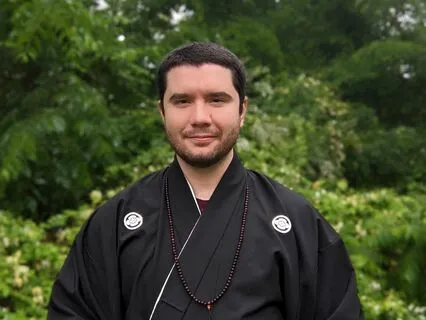
I'm Silas Day,
And thank you so much for listening today.
I wish you the best,
And I truly hope you have a wonderful day.