Forgiveness,
As understood in Buddhist teachings,
Is a profound act of compassion and understanding towards yourself and others.
It is a process that is not merely aimed at the reconciliation,
But fundamentally centered on the alleviation of suffering and the cultivation of inner peace.
In Buddhism,
Anger and resentment are seen as mental toxins,
Harmful afflictions that obstruct our path to awakening.
They cloud our clarity,
Disrupt our peace of mind,
And imprison us in cycles of pain and suffering.
It is often said that holding onto anger is like grasping a hot coal with the intent of throwing it at someone else,
But never doing so.
You are the only one who gets burned.
The practice of forgiveness,
Then,
Serves as a balm for these mental wounds.
It does not condone or ignore harm or injustice.
Rather,
It chooses to meet such experiences with understanding,
Compassion,
And release.
It is a step towards breaking the chains of resentment and hurt,
Allowing us to move forward on the path to healing and liberation.
However,
The journey of forgiveness is often challenging and arduous.
It demands strength,
Courage,
Patience,
And wisdom.
It asks us to confront our pain,
To open our hearts to understanding,
And to letting go of our grip on past wrongs.
So how do we cultivate this powerful quality of forgiveness in our lives?
Well,
First we must start with mindfulness.
We cannot heal what we cannot see.
Mindfulness invites us to bring a gentle,
Non-judgmental awareness to our feelings of hurt,
Anger,
And resentment.
It allows us to recognize these feelings,
Accept their presence,
And understand their roots.
Next,
We must generate compassion,
Both for ourselves and others who have wronged us,
Which can be quite difficult.
Compassion allows us to see beyond the superficial layers of behavior to the complex web of causes and conditions that lead people to act as they do.
When we regard those who we have hurt us with compassion,
We recognize their humanity,
Their own suffering,
Their own unskillful attempts to find happiness.
Importantly,
The practice of forgiveness in Buddhism also involves forgiving ourselves.
Self-forgiveness is the most difficult yet most crucial aspect,
Often overlooked in the aspect of this practice.
It involves acknowledging our own mistakes and shortcomings,
Understanding the conditions that lead to them,
And giving ourselves the compassion and kindness we need to heal and grow.
If we're constantly beating ourselves up,
We never give ourselves a moment to breathe and really try and understand ourselves.
Moreover,
In practicing forgiveness,
We cultivate patience and perseverance.
Forgiveness is not a one-time event,
But a process.
It may take time to fully release feelings of anger,
Trauma,
Or resentment,
And to heal the wounds of our past,
And that's okay.
The path of forgiveness is not a straight line,
But a spiral,
Sometimes circling back on itself,
But deepening with each turn.
Through forgiveness,
We cultivate wisdom.
With wisdom,
We understand the law of karma,
The truth that all actions have consequences.
We realize that we can't control others' actions,
But we can control our responses.
We learn to respond not with anger,
But with understanding,
Not with vengeance,
But with compassion.
To forgive is to release the burdens of our past,
To unshackle ourselves from the chains of resentment and of anger.
It is to choose freedom,
Peace,
And compassion.
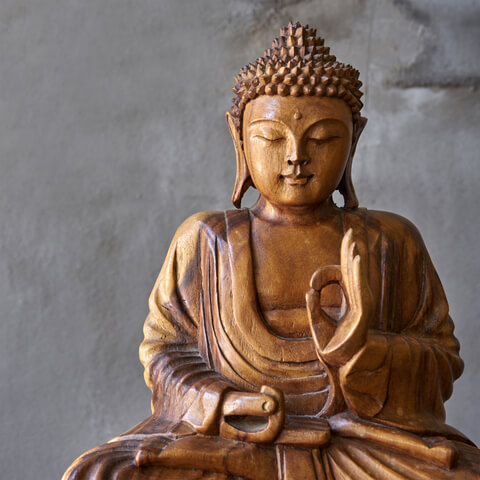
It is to walk the path of the Buddha,
The path of understanding and of love.
May we all cultivate the power of forgiveness,
Healing our hearts and liberating ourselves from the cycles of pain and resentment.
May this practice bring you closer to true peace,
Harmony,
And awakening.
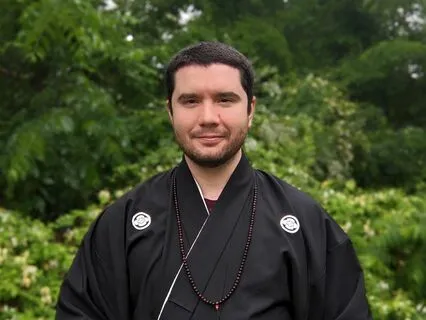
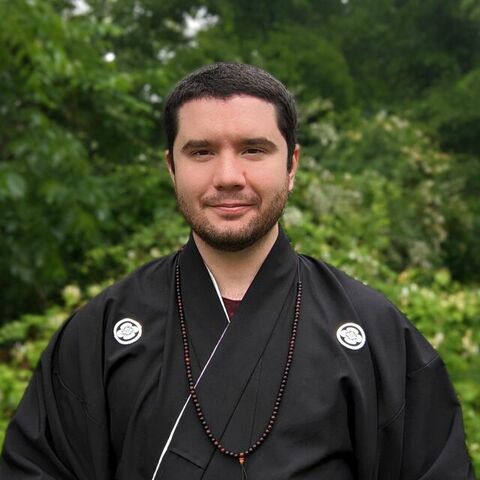
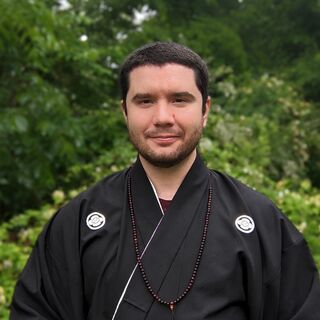
I'm Silas Day.
Thank you so much for listening to this short little Buddhist lecture.
I appreciate you so much,
And have a wonderful day.