Buddhism teaches us that our human existence,
Just as it is,
Provides the ideal ground for our growth and liberation.
As the lotus flower,
With its roots in the mud and its blossom reaching for the sun,
Symbolizes the potential for awakening in the midst of suffering,
So too does our flawed human life hold the potential for awakening.
The path towards embracing our imperfections is multifaceted and begins with self-reflection and mindful practice.
Mindfulness means being present,
Being aware of our thoughts,
Emotions,
Sensations,
And actions just as they are,
Without trying to really change or judge them.
When we practice mindfulness,
We shine the light of awareness on our imperfections,
Not to condone ourselves,
But to help understand ourselves.
It helps us to see that our imperfections are not who we are,
They are simply conditions that have arisen due to the countless factors beyond our control.
As we start to understand this,
We can develop real self-compassion,
Acknowledging our imperfections without self-criticism or shame.
Alongside this practice of mindfulness,
The Buddha taught the principle of no-self.
This teaching invites us to see that we are not fixed,
Separate,
Or permanent entities,
But rather dynamic,
Ever-changing parts of the process.
Understanding no-self helps us to let go of our rigid self-definitions based on our imperfections.
We begin to see that we are not defined by our mistakes,
Flaws,
Or past actions.
Instead,
We are fluid beings with the capacity for change and growth.
Further,
Buddhism emphasizes the principle of impermanence.
Everything in life,
Including our imperfections,
Is subject to change.
Just as a potter molds clay into various forms,
We can shape and reshape our lives,
Learning and growing from our imperfections.
The practice of metta,
Or loving-kindness,
Is another key aspect of embracing our imperfections.
Metta towards ourselves is a gentle,
Accepting love that recognizes our human frailties and extends to ourselves.
It is a love that says,
Yes,
I am imperfect,
But I am also worthy of love and respect and have the true capability to grow and change.
Non-judgment as well is essential in embracing our imperfections.
When we judge,
We add a layer of negativity to our experience,
Particularly towards ourselves,
Pushing away what is uncomfortable or painful.
Non-judgment allows us to accept our experience as it is.
It creates a safe space,
Really,
Where healing and transformation can occur and where a lot of our own self-judgments don't stand or can't show up.
The Buddhist path offers profound teachings and practices to help us embrace our imperfections.
Through mindfulness,
The understanding of no-self,
Impermanence,
And non-judgment,
We can really embody true self-acceptance,
Learning to hold our imperfections in a space of understanding and love.
As we journey on this path,
Let us remember the words of Zen Master Suzuki Roshi,
You are perfect just as you are,
And there is still room for improvement.
May we all find the courage to embrace our perfectly imperfect selves and awaken to the profound wisdom and compassion that lies within each of our hearts.
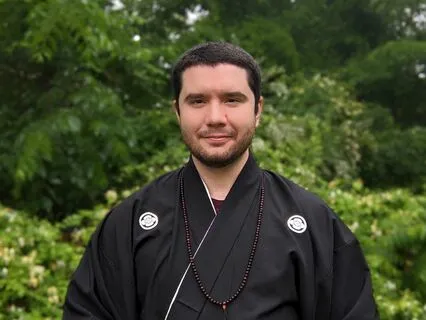
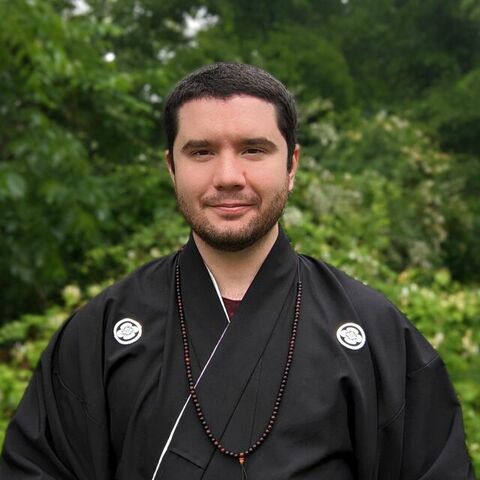
My name is Silas Day.
I hope you enjoyed this quick little Buddhist lecture.
Thank you so much,
And have a wonderful day.