One of the foundational tenets of Buddhism is the ideal of compassion,
Or karuna in Pali.
Compassion though is not merely sympathy or empathy.
It is a profound sense of shared suffering and a deep commitment to alleviate suffering,
Not just for ourselves,
But for all beings.
The practice of compassion is at the heart of the Buddhist path,
Intertwined with wisdom,
Morality,
And mindfulness.
It's not confined to our meditation cushions,
Temples,
Or a monastic setting,
But it reaches out,
Extending to all facets of our daily lives.
Compassion is a way of living,
A way of being,
And a way of relating to the world.
Compassionate living involves seeing and treating all beings,
Including ourselves,
With kindness,
Understanding,
And respect.
It implies a radical shift from a self-centered perspective to an other-centered approach.
It asks us to be fully present and open to the suffering of others,
And to respond not with indifference,
But with active care and concern.
Yet the question arises,
How can we integrate this principle of compassion into the routines of our day-to-day lives?
Firstly,
Compassion begins with ourselves,
Which is the most difficult part.
The Buddha said,
You yourself,
As much as anybody in the entire universe,
Deserve your love and affection.
In a world that often promotes self-criticism,
Cultivating self-compassion can be a radical and rebellious act.
It involves being kind to ourselves when we fail or make mistakes,
Or get upset or get angry with ourselves,
Or any numerous thing.
Empathizing our shared humanity and mindfully accepting painful feelings rather than ignoring or exaggerating them.
Secondly,
Compassionate living involves fostering empathetic relationships.
It requires us to approach others,
Be they family,
Friends,
Or strangers,
With understanding and kindness.
It means actively listening,
Being present,
And responding with care.
It's about celebrating the joy of others as our own,
And understanding their suffering as ours.
Thirdly,
Compassionate living extends to our work.
It's about performing our professional duties with integrity,
Respect,
And kindness.
It is a reminder that no job is insignificant if it is done with a spirit of service and goodwill.
Compassion also has a broader societal implication.
It urges us to consider the impact of our actions on our community and the environment.
It asks us to live responsibly,
Considering not only our own needs,
But also the well-being of others and the planet.
Moreover,
Compassionate living involves embracing forgiveness.
Holding on to anger and resentment is like holding a burning coal with the intent of throwing it at someone else.
We are the only ones who get burned.
Forgiveness is a gift of compassion that we give to ourselves.
It is about recognizing that everyone,
Including ourselves,
Is doing the best they can with the resources that they have.
Compassionate living is also about cultivating a mind that sees the interconnectedness of all life.
We live in an interdependent world where the happiness and suffering of one are linked to the happiness and suffering of all.
Recognizing this interconnectedness helps us to live more harmoniously,
With more understanding,
And less conflict.
In summary,
Living compassionately is not an easy task,
But it is a rewarding one.
It involves effort,
Mindfulness,
And a deep understanding of the principles of Buddhism and an analysis of the reality that is set before you.
But the fruits of such a life are immeasurable.
By cultivating a compassionate heart,
We contribute to a more peaceful,
Harmonious,
And loving world.
We create ripples of kindness that can spread far and wide,
Touching the lives of countless beings.
And in the process,
We find a deeper sense of fulfillment,
Purpose,
And inner peace.
Thank you so much.
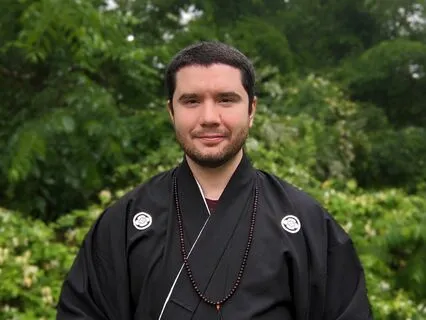
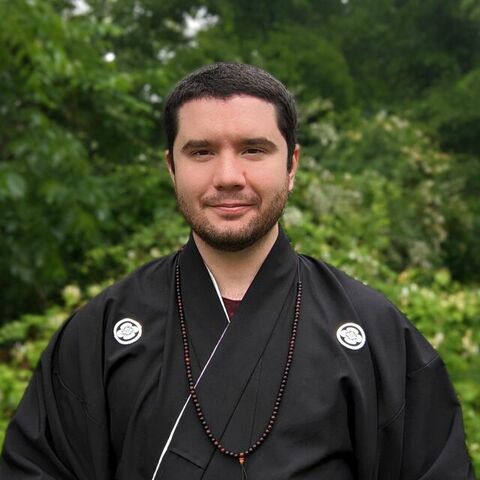
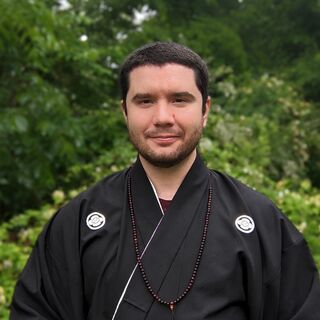
My name is Silas Day,
And I hope you have enjoyed this quick little Buddhist lecture.
I hope you have a wonderful day,
No matter who you are,
And no matter where you are.