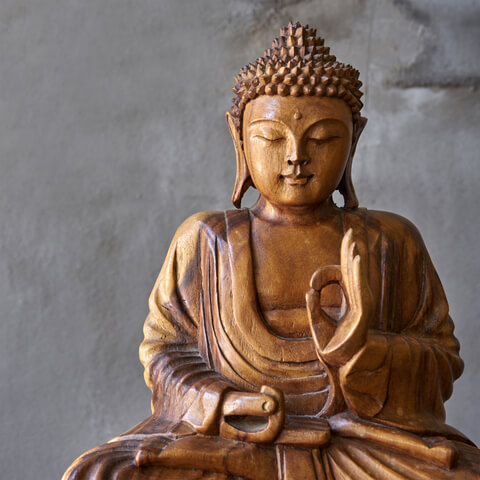
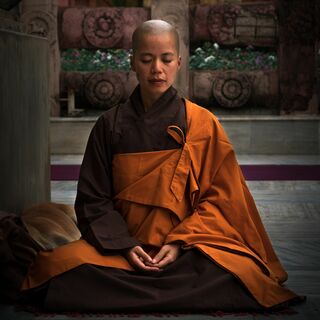
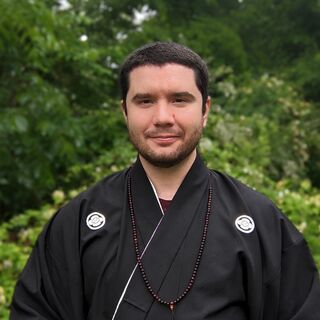
The term bodhisattva refers to a being who is dedicated to attaining awakening for the sake of all sentient beings.
The path of the bodhisattva is often described as the path of selflessness and compassion,
Characterized by this aspiration to elevate the suffering of all beings and to bring them ultimate happiness.
The journey of the bodhisattva begins with the arising of something called bodhicitta,
The awakened mind or heart.
Bodhicitta is the deep aspiration to attain Buddhahood for the benefit of all sentient beings.
It is a mind imbued with great compassion and altruistic intention.
Cultivating bodhicitta really involves two aspects,
The aspiration to attain awakening for the sake of all beings,
Known as aspiring bodhicitta,
And the commitment to act for the benefit of all beings,
Known as engaged bodhicitta.
In this path,
The practice of metta or loving kindness and karuna or compassion are really the heartbeats of the bodhisattva.
Metta is the wish for all beings to be happy,
And karuna is the wish for all beings to be free from suffering.
These two qualities are not mere sentiments but are active forces that motivate the individual seeking in this path to act for the welfare of others.
The bodhisattva also abides by the paramitas or perfections.
These are qualities to be cultivated on the path to awakening.
They include generosity,
Moral discipline,
Patience,
Enthusiastic effort,
Concentration,
And wisdom.
Each of these perfections is practiced not for one's own benefit but for the benefit of all beings,
Which is a theme that if you look into bodhisattvas is the truly central and cornerstone aspect of the path of the bodhisattva.
Another aspect is generosity.
And generosity here is not limited to material giving but extends to giving love,
Time,
And wisdom.
Moral discipline often involves refraining from harm and engaging in wholesome actions.
Patience is the ability to endure hardships for the sake of others.
Enthusiastic effort is the joyous perseverance in the practicing of the dharma.
Concentration is the cultivation of a calm and focused mind.
And wisdom,
The highest perfection,
Is the understanding of reality as it is,
Free from all illusions and misconceptions.
So we can see how each of these paramitas play in the role and path of the bodhisattva.
Alongside these,
The bodhisattva also cultivates prajna or wisdom,
Which we touched on before but here it's a little different.
Wisdom in this case is the insight into the nature of reality.
This is the wisdom that sees the emptiness of inherent existence,
The interdependent nature of all phenomena.
It is this wisdom that frees the bodhisattva from the chains of ignorance and enables them to navigate the world with clear understanding and boundless compassion.
Moreover,
The practice of mindfulness and meditation are of course essential tools for the bodhisattva.
As I've said before and will say again,
Meditation is always essential.
It helps to clear and cultivate a calm and focused mind,
To develop insight into the nature of yourself and of reality and how it presents itself to us.
The path of the bodhisattva is a journey of awakening the heart of compassion and of wisdom.
It is a journey of self-transcendence,
Moving beyond self-centered concerns to attempting to embrace the welfare of all beings.
It is a journey characterized by deep altruism and compassionate action,
Guided by wisdom and grounded in mindfulness.
So may we all awaken the bodhisattva within us and walk this path with courage,
Love and wisdom.
May our journey inspire others to do the same,
Creating a ripple effect of compassion and altruism that,
If it can,
Transforms the world.
Thank you so much for listening today.
This is just a quick little Buddhist lecture over the path of the bodhisattva and the awakening of the bodhisattva within.
If you enjoyed it,
Thank you so much.
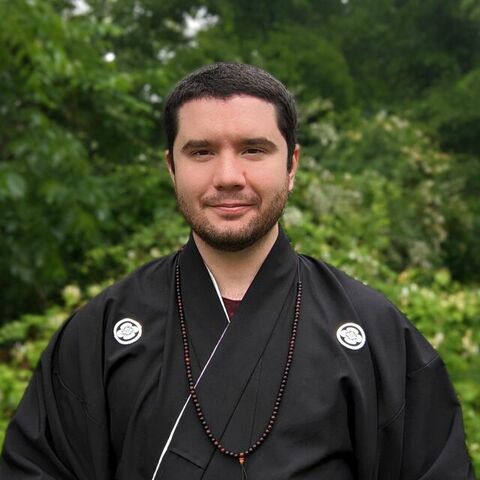
My name is Silas Day and I hope you have a wonderful day and that you're learning a lot from these lessons.