There's so many people who are reading all the books,
Are attending all the conferences,
Are doing all the coaching,
Are doing all the therapy,
Doing all the techniques.
And again,
Coming back to unlearning what we know about healing really requires allowing some of that to settle for a bit,
Being in the stillness.
We're not human doings,
We're human beings.
And unfortunately,
Our society really doesn't do a good job at reminding us that there's power in the pause,
There's power in the stillness,
And that we can't always be doing the work.
We have to allow that to absorb and settle into our systems.
In this episode,
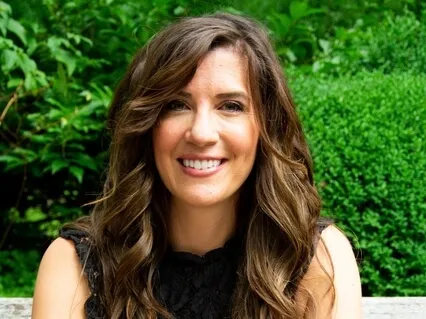
We are exploring what it really means to be trauma-informed and Dr.
Megan Kirk-Cheng,
Yoga teacher,
Coach,
And researcher helps us understand the physiology of trauma.
What is really happening to your nervous system and your brain when you have gone through trauma?
And how can we begin to heal that?
What Megan shares about being trauma-informed and what that really means is so valuable,
Especially if you're a yoga teacher,
A coach,
An employer,
A manager,
A healthcare worker.
You're getting the gist of this because it helps you better understand how you can support others.
Welcome to the Curious Monkey Podcast.
I'm your host,
Life coach,
And yoga instructor,
Veronica Tai.
This is for all who feel a calling in their heart.
We're going to dive into the world of coaching,
Yoga,
And healing to explore how to awaken to your true nature,
How to show up as the fullest version of yourself,
And how you can live a life doing what you're meant to.
Get inspired,
Shift your mindset,
And expand.
Let's do this.
Hello everybody.
Welcome back to the Curious Monkey Podcast.
And thank you so much for joining in today.
Today we are talking with Dr.
Megan Kirk-Chang.
In the briefest possible introduction for her,
She's a researcher,
Health coach,
And yoga teacher who's passionate about contributing to the field of trauma treatment.
Yes,
There's a foreshadow.
We're totally talking about trauma and more specifically being trauma-informed.
So if you're a wellness practitioner,
You're going to want to listen to this one.
It's going to be really important for you to understand how you can better support the people that you want to support.
Now that's,
I said that's the briefest intro for Megan,
But let me give you also her official introduction.
Dr.
Megan Kirk-Chang is a clinician scientist in the field of clinical mental health.
Her intervention-based research explores the impact of mindfulness-based programs on cultivating resilience and growth after extreme exposure to stress,
Burnout,
Or trauma.
Megan's work blends cognitive neuroscience,
Trauma-informed yoga and meditation,
And empowerment coaching to help organizations and survivors reclaim their mind-body connection,
Return to a sense of aliveness,
Heal their nervous system,
And release limiting beliefs.
Megan recently graduated with her PhD from York University,
Where she launched the first registered clinical trial in Canada to investigate so-called integrated CBT mindfulness and yoga intervention for young adults with PTSD and used new wearable health technologies to capture the changes in autonomic function during mindfulness.
This is one lady who knows about trauma and mindfulness and mind-body connection.
And I'm so excited to have this conversation with her today.
Hi,
Megan.
Welcome to the show.
Oh my gosh.
Hello,
Veronica.
It's been just so exciting to know that we're going to be connecting.
I'm so happy to be here.
And you're the first person to actually introduce me as Dr.
Megan Kirk-Chang,
Because I literally less than seven days ago successfully defended my PhD,
So I'm still getting used to it.
But I'm really happy to be here with you today.
It's amazing.
Congratulations.
I am so honored to be able to talk to you about trauma and specifically trauma-informed.
I know we're going to get pretty deep into this throughout our conversation,
But let's start off a little lighter.
Why don't you share a tidbit about yourself?
Paint us a picture of who you are.
Oh my gosh.
Well,
The first thing that comes to mind that gives me the biggest joy and smile is I am the mama to a fur baby,
Mr.
Lincoln,
My Wheaton Terrier.
And he has been my lifeline through this pandemic.
So I am a dog lover.
I'm a nature lover.
Outside of my academic hats,
I love hitting my yoga mat.
I work out all of my challenges and life questions on my yoga mat.
And I'm just really passionate about helping people understand that they make sense.
So when we talk about trauma-informed research and we talk about this concept,
Ultimately it boils down to,
You know,
I want to help people really feel like who they are,
What they're going through,
What they're feeling all makes sense.
So that's me in a brief nutshell.
Yeah.
And just hearing that explanation brings such relief that we make sense because a lot of times we walk around in our life thinking,
What's wrong with me?
Why am I like this?
Why can't I be more dot,
Dot,
Dot?
And it all leads to self judgment.
There's a very loud inner critic within us.
And yet when we're able to understand how our experiences shape us into who we are today,
Not that it defines us,
But it shapes us into who we are today and we can only change what we understand.
Right.
Then we,
There's a lot more relief and there's a lot more compassion there to be like,
Oh,
I see,
I see.
There's that part of me that needed this.
I had to push people away.
I had,
I had to,
Uh,
I've used this example before in previous talks.
Like I've had to smile all the time.
Cause that's one thing that I,
Uh,
Get kind of embarrassed about where even when I'm sad or angry,
I smile and I'm like,
Like an idiot,
I can't not smile.
And through my own personal growth journey and through my own,
I have actually done somatic therapy,
Which really taught me about my trauma.
Yeah.
I've really come to a place where I'm more compassionate,
Like,
Okay,
I needed that and that's okay.
I love those examples.
And you know,
I so appreciate you sharing that because I think when we start to understand those protective layers of how do we navigate the world when we're feeling unsafe,
You know,
There's so many different patterns that people resort to.
Um,
And so getting curious about them and how they show up and why they show up,
Uh,
And why they were adaptive at one point is,
Is so important.
So I'm glad that you shared that.
And,
Uh,
Yeah,
I'm just,
I'm excited to dive in with you today.
And yeah,
Let's like I,
Like I was saying,
Learning about trauma has been a really big part of my own personal growth.
It just really peeled back a whole other layer for me.
But I also think that it's so important to have conversations with experts who have dedicated their studies and their life in understanding trauma so that we can have a,
I,
I kind of,
I don't mean for this to sound,
Okay,
I'm just going to say it and then,
And then we'll,
We'll go on from there.
But like,
I want to say like an educated conversation about it.
What I'm seeing out there is that in mainstream,
There's been a lot of talk.
It's almost become a buzzword trauma,
Which is not a bad thing.
It's actually how I started to come onto trauma and get interested in me.
Like,
What is all of this?
But whenever anything goes mainstream,
There's some distortions and maybe some miscommunications of what it really is.
So why don't we start there?
Can you tell us what trauma really means?
For sure.
And I think,
You know,
I'll preface that by saying,
You know,
This is one perspective of many.
So when it comes to trauma informed approaches,
You know,
There really is no one size fits all model.
So I preface what we talk about today as this is a perspective from education that I've done,
But it's not the be all and end all.
So I invite listeners to take what works and leave the rest.
So when it comes to trauma,
You know,
What I'm really invested in,
What I'm really passionate about is eliminating some of the subjective debate around what traumatic events or exposures are sufficiently traumatic enough to lead to trauma or PTSD.
I want to move away from the subjective debate of that and into what is the objective?
What is the tangible way that exposure to trauma shows up in our brain and body?
What is the universal human experience of what the impact of something that we perceive as traumatizing is showing up in our body?
So when we look at our physiology,
We can then include more people in the definition of trauma because it doesn't matter if you were in a shock trauma,
Like a fatal car accident,
Or you are exposed to repetitive bullying in the workplace that,
You know,
Are deemed little t traumas,
But it's that repetitive exposure on a daily basis,
The same neuro physiological response is happening in your body.
And so my advocacy,
My work is really targeted around understanding how does trauma impact our autonomic nervous system.
So the system that works involuntarily to keep us alive,
It makes our heartbeat,
It makes our lungs breathe our blood pressure,
Etc.
And what are the areas of the brain that get impacted when we're exposed to trauma?
So that's kind of my niche in the research world,
Because,
And it's not that the subjective isn't important,
I think everyone's lived experience is important.
But when you look at the system overall,
And we ask big questions around who were the authorities that decided what trauma was,
Who do we know about PTSD through,
We typically know about male soldiers returning from war.
These are great examples of trauma exposure,
But they're not the only examples.
So a lot of my work is really involved in who's missing from the current way that we define PTSD and trauma,
How can we include more people at the table.
So I'm really passionate about understanding trauma through the lens of our physiology.
So I'll be there and see if you have any questions or anything like that.
So many comments,
So many questions.
And yeah,
You know,
I think even just starting with the very first thing that you shared with us,
Which is this is just one perspective.
And there are so many different perspectives.
And yes,
Just just like with everything else,
Because guess what,
We are human,
That there are as many iterations of everything as there are humans on the planet.
That's what seven some billion,
Right?
So seven some billion iterations.
And I really like how you start to segregate between objective,
Subjective lived experience and then the physiology,
Because yeah,
When we get subjective,
I think that's also a really important conversation.
How much,
What does trauma really mean?
What does it have to always be a big T trauma kind of situation?
But where you specialize as the objective and really understanding what happens in the autonomic nervous system and the brain,
Okay,
I'm a little bit of a geek.
So I got to go there.
We got to go there.
And everyone who's listening,
I hope you guys are geeking out with me too.
So tell us what happens to our physiology.
Yeah,
Perfect.
So you know,
Let's let's break it down and talk about stress in general.
So as human beings,
We are so designed to be resilient.
You've probably had half a dozen stressors already in your day,
Even up to us meeting.
So we're designed to go through ups and downs of stress response throughout the day,
Whether it's did we turn off our curling iron?
Did we lock the door?
Are we stuck in traffic?
All of these daily events,
You know,
Without us even having to really cognitively think about it are altering our inner state to mobilize to meet the demand.
So when I say mobilize,
We activate our sympathetic nervous system,
One of the branches of the autonomic nervous system.
And that activation increases our heart rate,
Brings blood to our muscles in case we need to flee or fight our way out of that danger,
Our pupils dilate,
We might perspire a little bit more.
So we're we're preparing to mobilize to meet the demand.
What we go through in the day,
Though,
Is after that stressors over is we can return back to homeostasis.
So that's through a parasympathetic branch.
So that kicks in when the danger or threat has been removed.
And you know,
Our heart rate returns to normal baseline levels,
Blood pressure regulates,
And we can just settle into not being in that fight or flight mode.
But when it comes to trauma,
The stimulus,
The stress is either so shocking or repetitive over time that our capacity to move into rest and digest our capacity to move that stressful energy out of our body becomes increasingly challenging.
The impact of a traumatic stimulus completely alters our nervous system physiology.
And basically,
What that means is one of two things we can oscillate in feeling stuck on on so that hypervigilant panic,
High anxiety,
Constantly looking over our shoulder,
Watching our back,
Or we can oscillate into stuck on off where we're collapsed,
We're burnt out,
We're exhausted,
We're shut down,
Withdrawn,
We have flat affect,
We're not emoting,
We're kind of like,
Whatever kind of mentality.
And so it's this oscillation between those two states that can be really confusing for folks.
And where then the cognition comes in,
Well,
What's wrong with me?
And we talked about this early.
And my mission in life is to help people understand that your nervous system is doing what it needs to do to keep you surviving,
But it's perceiving your environment as unsafe.
So what do we need to do to move you out of that chronic state that your nervous system is now in back into my environment is safe here.
So that's just a brief kind of overview of how I view the trauma response.
There's other brain regions.
I don't know if you want to dive into that.
But there's blood flow that activates certain areas and deactivate in others that also contribute to our behaviors,
To our thought process,
Lots of different things.
So I'll leave it there.
So good.
Yeah.
Well,
You know,
I think the first thing is,
Can you give us an example,
Kind of paint us a picture of what this hypervigilance and hypo vigilance,
If that's even a term,
Looks like because you're saying you're either hypervigilant,
You're looking over your shoulders all the time,
Or you're in that burnt out meh kind of state.
So what's an example of that for someone who's living that such a great question.
And,
You know,
When we think about our brain,
We have this limbic system,
And we've probably all heard of the amygdala,
This area of the brain that is our threat detection center.
So what happens with trauma exposure is that this area of the brain actually over activates,
It becomes over activated.
It actually increases in volume.
And so what that translates to is this perception that our environment is unsafe,
We're constantly detecting for threat and danger.
And you know,
One of the classic symptoms of PTSD is nightmares or insomnia,
Really disrupted sleep.
And the brain doesn't know the difference between a real or imagined threat or danger.
So we can think ourselves into a stress response.
And you know,
Back in the day,
You know,
Hundreds and hundreds of years ago,
The dangers that we were faced with as a species were,
You know,
Being killed by wild animals or neighboring tribes.
And nowadays,
It's more of that psychological stress.
Not always for folks,
But like I said,
We can think ourselves into a stress response.
If even if we're not in danger.
So basically,
Our amygdala over activates.
And this contributes to a whole cascade effect of what's happening in our nervous system.
So that's that hyper vigilant response that I'm talking about,
Where people have to really,
When it becomes more of an issue,
It's like they're making a significant plan to avoid danger in their day,
They're maybe checking that the door is locked six,
Seven,
A dozen times.
They're making a plan in their day to avoid certain potential dangers.
A little knock at the door could send somebody into a very exaggerated startle response.
This all makes sense when you understand what's happening in that,
That neurophysiology,
The brain and the connection to the spinal cord and our nervous system.
So that's the hyper vigilant piece.
And then the other element is the shutdown,
The collapse,
The withdrawal.
And some people refer to this also as dissociation.
And just briefly,
Dissociation is that sensation of feeling separate from your body.
You might feel like you zoned out or numbed out.
You might feel like you're hovering above your body or feel like your environment is distorted or dreamlike.
This is a very common experience when it comes to trauma.
And I like to briefly talk about Dr.
Stephen Porges work with the polyvagal theory.
You've likely heard of it.
It's very common theory out there,
But he basically describes that dissociation shutdown response as the essence of the trauma response.
And that's linked to our dorsal vagal nerve complex.
So our parasympathetic nervous system we know is our rest and digest.
But Dr.
Porges says,
Actually,
Our vagus nerve is not unitarian.
It's into two subsystems.
We have our ventral vagal system,
Which is linked to safety and connection and belonging.
And then we have our dorsal vagal complex,
Which is linked to the dissociation response,
The freeze or mobilization response.
And he basically suggests that this is the essence of trauma,
Is we move into this defense strategy separate from fight or flight,
This complete freeze state.
And here's the thing.
Here's like this is for anyone listening that has been through a trauma where they've gone limp,
Where they've blacked out,
Not related to drugs or alcohol.
They have gaps in memory of parts of their event.
They felt like they gave up.
They just collapsed and let the trauma happen.
I want the listener to know that that was your body's way of helping you survive that dorsal vagal immobilization response.
We don't get to choose it.
It's happening without us consciously choosing that,
But it is an adaptive survival response.
If fighting or fleeing the danger is not possible or if death is imminent,
We move into this dissociative response to avoid the psychological harm,
The somatic experience if we are going to be harmed.
And so many people I work with say,
What's wrong with me?
I just went limp.
I did nothing about this.
And I'm like,
No,
Your body did everything right because it detected that fighting or fleeing was not possible in that moment.
So it did the next defense strategy and that's your body working for you.
And we misinterpret it as something's wrong with us.
So I could talk about this for hours,
But that's just to kind of describe the two states.
That is so good.
I love that you're giving us the,
Well,
As a scientist,
Of course you're giving us the objective part,
The part where you explain the,
I actually haven't heard of,
I have actually heard of the dorsal vagal nerve one time.
It was from one of my favorite meditation teachers,
Tara Brock,
And she said something about maybe you,
Maybe you know,
I couldn't quite catch it.
And it was a conference,
A virtual conference.
So once it was gone,
It was gone.
I couldn't go back to a replay or anything.
She said something about when you put your hand on your heart,
Something about soothing it or yeah.
Beautiful.
I love Tara Brock first of all.
I just got a new book,
Crusting the Gold.
I'm so excited to read it.
So let's dive into the ventral vagal portion.
You know,
I talked about dorsal vagal.
Ventral vagal is known as our social engagement state.
So if you think of the vagus nerve,
It's one of the longest nerves in the body,
Starts in the brain and goes,
The nerve fibers innervate all the way down low into your lower extremities.
So ventral vagal refers to the nerve fibers of the vagus nerve that innervate above the diaphragm.
So the ventral part of the body and then the dorsal vagal are the nerves that innervate below the diaphragm.
That's kind of the distinguishing factor between the length of the vagus nerve.
So what Tara Brock is saying is accurate.
It's talking about how do we connect in safety with ourselves.
And so simple strategy of hand to heart is activating the ventral vagal system.
And the nerves of the ventral vagal innervate our vocal cords,
The muscles of our face,
Our ears,
Our eyes.
So when you and I are connecting and we're engaging in eye contact and you're showing a little smile,
I'm detecting safety with you.
And as human beings,
That's what we're constantly monitoring.
Is that person approachable?
Are they safe?
And when we're in ventral vagal,
We're engaged socially,
We are connected,
We can distinguish our mother's voice or our care provider's voice from other voices.
We can communicate with a tone of voice that's soothing and welcoming and not harsh and threatening.
And then if we're not in ventral vagal safety,
We can't pick up those safety cues as easily.
And so for somebody who's traumatized,
They're not spending their time necessarily in ventral vagal activation because they're in survival mode.
They're either fight or flight or they're in that dissociative state.
And so it becomes harder to experience social connection because we're still in survival mode.
So that kind of explains exactly what Tara Brock was saying is those ways of like reconnecting with our sense of safety,
Gentle hands to heart is one way.
Other ways singing,
Like using your voice,
Deep breathing,
Like really using the exhale breath is stimulating that safety system within our nervous system.
Yeah,
That's a really cool perspective to see it in because like,
I mean,
I always knew that putting my hand on my heart just felt good.
But just having that background information,
Really understanding how we're relating and connecting to our bodies is really helpful and where that takes me and you got to tell me if this makes sense.
But now that we know that that ventral,
Right,
Ventral vagal.
Yeah,
That is the part that allows us to scope out our environment for safety and to feel safe.
Then these in fact can be self-soothing techniques to sing,
To place your hand on your heart to what else is there for self-soothing?
Yeah,
There's,
I always like to focus on they're known as down regulation or up regulations of things.
And I think,
You know,
For somebody who has felt unsafe in their body as a result of their trauma,
Placing hands to heart might not be where I start with somebody because just even connecting with your body can be very triggering for folks who have tried to dissociate from being in their body for so long.
So it really is about small incremental steps and not trying to do it all because we have to carefully titrate how do we move back into safety,
Especially if we've gone through that dorsal vagal shutdown state.
That there's lots of different strategies and,
You know,
Really deep breathing,
Breathing techniques so important.
But again,
That can feel triggering at first for folks to pay attention to their breath.
It may have a reverse effect.
And so you'll never hear me say,
Oh,
Mindfulness and yoga will lead to instant calm for trauma survivors.
You have to carefully say this actually might be triggering in some way for you.
But to learn to understand that triggers are an ally,
They're pointing to that emotional material that still needs to be addressed by you.
It takes practice.
So other strategies can be rocking,
Jumping,
Dancing.
So moving the body repetitively can help eliminate some of that stressful energy.
I love blaring my favorite Lady Gaga song around the kitchen.
Shaking,
When we think of animals in the wild,
They shake after they've had a threat or danger.
So shaking out the limbs,
Shaking the hands as if you're flicking water off them.
Progressive muscle relaxation where you're tensing and releasing muscle groups in the body.
Cold exposure.
There's like the Wim Hof method.
I have yet to jump into an ice bath,
But you know,
That yeah,
Like I'm not like that.
Cold cloth like right behind the ears where the vagus nerve does run down is really stimulatory for that rest and digest response.
Walking in nature,
Getting your arms hugging around a tree,
Gardening.
There's so many different ways that we can tap into the regulatory response in our body.
And I just I really encourage people to find out what works for them.
If sitting in stillness is triggering and not working,
Then do something more active,
But that's mindful.
Yeah,
I love that because a lot of these are new,
Like the cold towel behind your ears I didn't know about.
But a lot of the other things that you're listing out,
Dancing,
Gardening,
Taking a walk in nature.
Well,
That's a lot of the recommendations also.
And also the things that we naturally gravitate toward when we're practicing mindfulness,
When we're in the world of yoga and we want to feel serene and calm and still.
And now we get to ground that information into physiology and really understand if based on our physiology,
What what's actually happening.
You're actually triggering the safety mechanism of your ventral vagus nerve.
Yeah,
That is so cool.
And I can see now.
So it's one thing I get caught up in this a lot.
I love to know the details.
I geek out on the science and everything.
But the most important part is,
Yeah,
Great.
Now what do we do with this information?
And I think you've already tied parts of that together that number one,
Like we've got these big,
Big systems within us,
The vagus nervous system that's happening within us,
If I'm saying that correctly,
That helps protect us sometimes by going limp.
And at the very beginning,
You're saying that in understanding this information,
It helps us make sense that there's nothing wrong with us,
That it helps us make sense.
So when we are understanding our physiology and the fact that it's not even our choice sometimes when we're facing a sort of danger that our body detects,
It cannot fight through,
Which is we go limp.
And I think already that takes away a lot of the self judgment and replaces it with a sense of compassion.
That was your body trying to help you survive.
It wasn't that you weren't brave enough or courageous enough or smart enough or quick enough or whatever it is.
That's your body.
It wasn't even up to you.
It just gave me full goosebumps by saying that because I think there's been an overemphasis and it's not a criticism.
It's just there's been an overemphasis on this fight or flight response.
So it makes sense why somebody who didn't fight or flee or get out of the danger,
Why they're ridiculing themselves or why they're questioning like,
What happened to me where I completely froze or I completely,
I don't remember what happened or I went completely limp and we forget that there is this very primitive freeze response that does happen and it's involuntary.
It's your body assessing the experience and is making that choice for you.
It's precognitive.
But then because as human beings,
We have this beautiful evolved prefrontal cortex right behind our forehead.
We are meaning making machines.
We want to create the story to explain what happened and we don't do a really good job because we have a negativity bias.
So we put ourselves at the fault of what happened and then elements of shame and judgment and criticism get packed on.
And so it's a very,
It's a very hard road for folks to come out of that pattern when they don't understand what's happening to the physiology.
Yeah.
We don't really get taught that as regular information that we learn throughout life.
We're not taught that,
Yes,
Your experiences shape you physically,
Your physiology to exhibit certain behaviors.
You're not stuck in it,
But that's why you are the way you are sometimes.
And because we are meaning making machines,
That's where a lot of that inner critic comes from that self judgment.
Why can't I just be more friendly?
Why can't I just make better connections with people?
Why do I always,
I don't know,
Whatever else that might be happening.
And when we can understand ourselves through this lens of mind body connection and also through the lens of trauma.
Yeah,
That's helpful.
So I want to go into two different places here.
One is continuing this track of,
Okay,
So now that we have a better understanding,
Of course,
The next question is,
How do we not live in that terrible place?
How do we,
I'm putting quotations over this,
Fix it.
And I'm saying it in quotations because well,
There's a whole can of worms that we're going to disassemble there.
How do I fix it?
How do I become better?
Those words.
And then we'll do that first and then finally,
I want to take this information of being trauma informed to wellness practitioners,
Because I myself,
I'm a yoga teacher,
I'm a life coach.
Part of the ethics of both is to not take people further than you can take them and not take people further than you should take them.
So for example,
As a life coach,
If someone came to me with fresh trauma,
I don't,
I,
There was an abuse situation going on and there's this distortion of going on within their nervous system.
I will not sit there and try to coach them.
I will say,
Listen,
You first need to go to someone who's a professional in trauma or a psychologist,
A therapist.
So a better understanding how we can support our clients and our students while being trauma informed.
For sure.
And I,
I really respect and value that you're thinking about that and that you're aware enough to know what is your lane in terms of where your treatment,
Where your coaching goes to and where it ends.
And,
And the first thing I'll say is,
Is really when it comes to fixing,
I put that in quotes as well,
Trauma is understanding that trauma and PTSD occur across the trajectory.
There are specialized folks that work directly with that acute exposure,
That very proximal to the actual event,
What's happening.
There's professionals that work with that.
And then across the spectrum of the healing journey is where other professionals can lie as well.
So I think the healing journey,
I will be honest,
I identify as a trauma survivor.
I don't think that comes as a surprise because of the passion I have around the work that I do.
But one of the things right away,
When I think of this idea of fixing is completely altering the way that we understand the word fixing.
When we say fix,
We think done over fixed,
Move on where I'm suggesting when it comes to healing trauma,
That this is something that is lifelong.
That is a requirement every day to manage.
And the moment we can accept that this is not something that we cross a finish line with and we get a medal or a certificate of completion,
But rather we get to have the privilege of walking alongside this healing journey for our lives is where I would suggest people start to think about like,
What would it look like for you if it meant that your healing journey was lifelong?
That we don't get to have that shiny trophy.
That's a question I ask a lot of clients,
Like,
Are you prepared to revisit this for life?
Because at least in my own journey,
I cannot predict when triggers will happen.
I have tried,
I've exhausted my soul trying to plan for prep,
Catastrophize,
Worry about all the possible triggering events that could happen and to be honest,
I never nailed it.
There were triggering events that would happen in my life that I was like,
Well,
I had no idea that that would be what would come up.
So we have to deconstruct and unlearn a little bit what it means to fix.
This might actually mean we revisit this and develop a really compassionate relationship with ourselves for life to revisit what healing means.
So that's the first thing I'll say.
When it comes to fixing too,
We often put the onus on the individual.
And while I certainly believe that there are elements of choice and self responsibility that need to happen,
I can't help but talk about the systemic issues that we face as well.
And that's why the research that I do is so important to me because I believe that one of my callings in life is to compassionately bring light to where are we perpetuating further harm and oppression and marginalization of folks.
I feel very confident in stepping into the role of that as a researcher and an academic.
I love doing talks on this work.
I love talking about who are we missing?
How can we do better?
And so when it comes to fixing,
We have to admit as well that the system,
The mental health system,
The institution of corporate,
Of academia,
Of healthcare is set up to privilege some people over than others.
And as a white female,
I need to admit that to myself as well.
So when it comes to fixing trauma and PTSD,
There's individual elements,
There's systemic elements,
There's workplace elements.
And that's where my passion lies in terms of this trauma informed approach that we're going to be talking about.
So there's lots more to talk through about fixing and there's so many ideas and ways and strategies.
When it comes to the individual,
This is a lifelong journey.
And when it comes to the system,
We have to be able to check our bias,
Unlearn,
Be willing to have tough conversations and really question who's missing,
Who's falling through the gaps.
Such a good takeaway.
You guys who are listening in,
I hope you caught that.
It's a lifelong journey.
And I really,
I cringed when I used the word fixing and I really emphasize that I put it in quotations because there is no fixing.
You're not broken.
Nothing's wrong with you.
There's a healing.
There's appealing back of the layers.
That's kind of how I like to look at it because when we say fix,
It feels like as you have to wait for something to be fixed to use it again.
But when you're appealing back the layers,
Creating a deeper interconnection and understanding to yourself,
Then the lifelong journey doesn't seem arduous and grueling.
And like as if it entails a lot of suffering,
Which by the way,
It doesn't as,
As you were talking about this lifelong journey,
I thought about my own self healing journey.
And I just remember going to,
Uh,
My somatic therapist.
We did somatic therapy,
Uh,
Based off of Peter Levine's work.
And I just looked at her and I was like,
This again,
This problem,
Like why I don't even,
I'm tired of it.
I'm tired of me talking about it.
I'm tired of me thinking about it.
I'm like,
I don't want it to use.
I don't want to be using this experience as an excuse to feel this way or be that way.
I'm so like,
Can we not just be done?
And she very compassionately calmly told me,
And I,
This kind of really helped that,
You know,
This healing is like a spiral.
It's an upward spiral that you take a ride,
Trying to work on a certain experience that's held you back or that was traumatizing.
You take a ride and then you take another ride,
But you're moving upwards only when it's time,
But you're moving upwards and it gets better and better and better.
And that has been my own lived experience that at the very beginning I was riddled with anxiety and stress and I described it as an under the skin pimple,
This current of anxiety.
I'm like,
Oh man,
I know it's there.
Like I know it's there.
I just can't get to it and I can feel it though.
And I was always just shaking on the inside.
And that's when I met my very first therapist.
We did some EMDR and it was fantastic.
I was like,
Is this what peace feels like?
Is it like,
Oh,
Oh my gosh,
Why didn't I do it sooner?
I'll do it like 10 times over again.
This is how I get to normally love because now there's this undercurrent of joy of peace.
And then several years later,
I,
I realized that,
Oh,
You know,
There's just still some stuff it's still coming up.
It's like,
Not always,
But these boats of anxiety,
Sometimes panic attacks too.
And that's when I went to my therapist for somatic therapy.
And if I,
But,
And,
And even though we worked on that same issue,
The same trauma,
It wasn't as bad as the first time it's that upward spiral.
And when I'm thinking about it,
As you were talking,
I'm like,
Oh yeah,
You need to learn to walk before you can run.
So this idea of achieving a trophy or having a finish line and just being done.
Well,
You're just trying to run right off the gates here.
It's so true.
And you know,
First of all,
What I love through your story is the willingness to try different modalities.
EMDR is such a fantastic modality at a certain level of readiness for folks.
Same with somatic therapy,
Same with CBT,
Same with yoga.
Like there's so many opportunities to focus on different elements of our healing.
And so as you were talking,
You know,
I know a lot of people say,
Oh,
That's not for me or,
Oh,
I'm not into that.
And maybe not at that moment,
But another element I would say is to keep having a sense of curiosity around recognizing when you're stuck in that same,
I love the description of a pimple underneath the skin.
I think that's just so accurate when you recognize the same kind of cycle that you're going through.
What is something you haven't tried that could be the way to unlock what's underneath there?
Like,
What is that?
So I really commend you for that.
And certainly I think it's so inspiring.
And I love the upward spiral piece.
You know,
I love medical psychology and I often use the term titration.
Like when we're in a hospital and we're hooked up to a saline solution drip for hydration,
For example,
You have to titrate it because if it just rushed into your veins so quickly,
You know,
We could put ourselves in a shock situation.
And when it comes to trauma,
It's the same kind of idea.
There's so many people who are reading all the books,
Are attending all the conferences,
Doing all the coaching,
Are doing all the therapy,
Doing all the techniques.
And again,
Coming back to unlearning what we know about healing really requires allowing some of that to settle for a bit being in the stillness.
We're not human doings,
We're human beings.
And unfortunately,
Our society really doesn't do a good job at reminding us that there's power in the pause,
There's power in the stillness and that we can't always be doing the work.
We have to allow that to absorb and settle into our system.
So that's one of the main things I see with clients I work with is that it was almost an overdoing it and it's stalling the healing journey.
It's putting you on your butt again and again.
And I'm like,
You got to leave some of this for a little bit and live your life,
Like be in life.
You don't always need to be working on yourself,
But it's a careful balance.
And every person's different for sure.
So yeah,
That's so good.
Thank you for that.
Now let's before we move on to part two of this conversation,
Let's talk about trauma informed and what it means to be a trauma informed wellness practitioner.
Yeah,
And such an important question,
Especially now as we continue with this pandemic and all of the social issues that have arisen across the globe in terms of what the experience has been like and other issues that have emerged.
I personally believe that the way forward is a trauma informed approach.
And you know,
Again,
I think it's really important to mention that there is no singular definition of trauma informed.
And again,
It's not a certificate of completion.
I see it as a way of living,
Like an approach to how do we connect with people,
Whether it's in our families,
Whether it's at our workplace,
Whether it's in public,
Whether it's in our yoga class,
What is this way of being that is trauma informed?
But naturally,
Because I'm a researcher,
I go back to the literature to ground us in some of that definition.
So one of the definitions I use from Hopper and colleagues from 2010 is that they refer to trauma informed care as a strengths based framework.
So you're always seeing the person in their strength,
Not as having a deficit,
Not as having a weakness,
But it's a strengths based framework,
Where the individual is empowered to make choices and has autonomy and a sense of control over their decision making or their care or their workplace environment.
So you know,
This idea that trauma really robs a person of their sense of control.
We don't ask for trauma to happen to us.
So that sense of loss of control is very real for folks.
So trauma informed really is about giving choice back to the survivor in ways that empower them to make decisions about how they want to operate.
So this can really be adopted in school boards,
This can be adopted in corporate,
This can be adopted in your yoga classes,
This can be adopted in your one on one interactions with clients.
And it looks different depending on the area that it's applied.
So for example,
As a trauma informed yoga teacher,
My language use is non directive.
So there's prompts like when you're ready,
Or if you'd like to,
Or if this feels really great for you,
Continue.
If you want to shift out of a movement,
Shift out,
Like it's giving that choice to say,
You don't have to stay,
You don't have to stop,
Like you don't use words like that.
So it's,
It's really giving the choice back to the individual and what feels right for them and that it's okay,
Whatever you choose is the right choice for you.
You can't get this class wrong.
You know,
As a trauma informed yoga practitioner,
When we were in class,
Not for the last year and a half,
Really setting up the room,
So people's backs weren't near a door,
For example,
So that they could always kind of see the people in the room.
So those safety elements,
Hands on assists,
Usually I avoid because touch for somebody who's maybe been sexually assaulted would be very triggering.
So either pulling the class privately,
If they're in child's pose to say,
You know,
Raise your hand if you don't want hands on assists,
Or just avoiding them altogether,
Really being mindful about the movements you choose.
So really vulnerable movements like hip openers,
Exposing the backside up in the air,
Like those can be very triggering for folks,
Regardless of the trauma.
So using series and patterns of movements that are more grounding,
Balancing,
Stabilizing,
And empowering.
So that's how I would describe it when it comes to like a yoga practice,
For example,
We can adopt these same practices in our workplaces.
So choice,
Going back to work after the pandemic,
You know,
What choices can you make for folks who are extremely fatigued?
I think of the moms,
Mothers have been disproportionately affected by this pandemic.
So returning to work might be absolutely exhausting.
So is there a menu of choices on low cognitive versus high cognitive tasks that maybe can be adopted?
So if somebody's just at a zero percent capacity,
They can still do something productive,
But it might not be the most arduous cognitive intensive task.
So you know,
There's lots of different ideas.
One of my favorite examples actually was at a hospital,
I saw this news article,
Hospital in the States and wearing PPE,
Like the masks can be really triggering for folks.
And I'll be the first to admit,
I had panic and anxiety when we first started going to the grocery store and wearing the masks because my one of my traumas involved someone with a belly clava.
And I didn't understand the link right away.
I was just like,
I need to go home.
I need to rest.
I'm exhausted and I couldn't understand why.
And so wearing PPE can be very triggering for folks because we can't assess that safety.
Remember that eye contact,
The smile is a little bit muted.
And so one of the hospitals in the States,
I wish I could give it a proper shout out,
They made as a team building facial name tags.
So they had like fun name tags,
Like thumbs up,
Big smile to establish a sense of connection with patients who were coming in terrified and seeing,
You know,
Only the eyes of a doctor.
And I just thought that was such a brilliant,
Very simple strategy to reestablish safety in the workplace.
So there's so many lovely examples that I think have come out of this.
And that's the one that that comes top of mind for that is,
Yeah,
Yeah,
That is such a sweet thing to do.
It really does build connection that way.
Because one way or another,
You get to see their whole face.
And I know that when I'm talking about trauma informed,
It's a lot because just like everything else,
Trauma is on a spectrum.
I recently got some energy work done actually,
A massage therapist,
Energy worker,
And she does somatic massages.
It was something new and different.
And I was like,
Oh,
That's really cool.
Because she'll like,
Depending on how your body shaped and contorted in a way,
She's like,
Oh,
Yeah,
Like there's stuff going on emotionally,
You can totally tell.
And what she does,
Though,
Is she really helps people who have gone through some big T trauma,
Like some really heavy stuff.
And as we're talking,
I kind of laughed.
She's like,
So like,
Why are you here?
What's going on?
You know,
I just have like,
Your regular amount of trauma,
Just regular people amount,
Like nothing crazy.
And that just that was funny,
Because I'm like,
Oh,
Yeah,
You know what?
Trauma happens on a spectrum.
There's Yeah,
It happens on a spectrum.
And when I think about being a trauma informed practitioner,
Really wanting to be encompassing and really wanting to create a safe space for everybody,
Whether they have trauma or not,
And whether their trauma has been like,
Just really quite horrific,
Or just just regular amount,
Like me,
That's so not technical or scientific.
But it's you want it to encompass all of it.
And as I'm thinking from this lens,
Based off of what you're saying,
What I'm hearing is number one,
Choice makes a huge difference that whether you're in a hospital,
Or school,
Or workplace or a yoga class,
Having not more non directive instructions,
Having more choice available for people is helpful in being trauma informed.
So choices one,
What's what's another one like?
Yeah,
And,
And it's,
I want to touch in on something you said there about the idea of trauma being on a spectrum,
Because there's a large number of people who also haven't perhaps admitted to themselves that what they've experienced is traumatic,
Because the way again that we have previously come to define trauma is very rigid and narrow.
So there's so many people again,
That I've worked with who are like,
I don't know if I qualify as having PTSD,
Because I didn't go to war,
I didn't have sexual violence,
And then they describe what they've been through.
And I'm like,
Yep,
That's traumatic.
And so I think,
I think there's an assumption that needs to be made when it comes to trauma informed practice,
That everyone has experienced some form of hardship,
Some form of difficulty.
And we are not in a position to place this on a hierarchy,
Or there's no comparison Olympics.
It's now just like,
Let's just assume that we all have our own protective survival mechanisms that will surface when we're triggered,
What to be on the lookout for trauma informed is very preventive,
Rather than waiting for a crisis to happen.
There's things that are embedded early on in the culture of the environment to support the safety of individuals.
So I just wanted to touch in on that.
And one of the things that I struggle to come to terms with,
As someone that I actively say,
I am a trauma informed practitioner,
But one of the things that that means is that I'm not going to always get it right.
And for those listening to this call that are teachers,
Facilitators,
Coaches,
Managers,
Supervisors,
This idea that trauma informed doesn't mean you get it perfect all the time.
Like you said earlier,
There's 7 billion different iterations of trauma.
So it's really a commitment to recognizing when you didn't get it right,
And doing everything you can to fix it unlearn maybe what was behind the blind spot.
You know,
I come up against my work on insight timer is trauma related.
And you know,
There are some folks that do get triggered with some of what I say.
And they're like,
Well,
That's not trauma informed.
And I'm like,
But we have to really understand that trauma informed doesn't mean I get it perfect doesn't mean I'm a perfect being and how I execute.
I will never be perfect for everybody ever.
And that's an impossible standard to even have on yourself as a practitioner or coach.
You're not going to be all things for all people.
But here's what I am committed to.
I'm committed to hearing what came up for you and being in dialogue around what was it that came up for you and why and how can that help grow this work even better down the road.
So I say that humbly because it's vulnerable to be a trauma informed practitioner because it means you risk getting it wrong.
You risk saying the wrong thing,
You risk trying to implement a solution and it goes completely awry or it doesn't help the situation.
But it really means we're committed for this long term game,
Which means we're going to mess it up.
We're going to have failure.
We're going to have mistakes,
But that's how we grow in a trauma informed world.
That's how we grow in a trauma informed approach is is trying anyways and dusting yourself off and saying,
Yep,
That was a fail.
Brené Brown says it so beautifully.
I'm not here to be right.
I'm here to get it right.
And that is such a great phrase when it comes to trauma informed practice,
Like we're here to get it right,
Which means there's going to be lots of mistakes along the way.
And that's OK.
Yeah,
It's it's so,
So much that you just said,
Which is fantastic.
Maybe I'll start from the very beginning when you said just assume that everyone has had hardships.
And I love that word hardships because we can all.
Yeah,
Yeah,
OK.
I've had hardships like we can all say that we've had that and all of us have adaptive behavior,
Certain protective behaviors,
You said.
Yeah,
Yeah,
OK.
Yeah,
I can also admit to that.
Like,
That's pretty easy.
And when we look at it that way,
It's like,
Oh,
Yeah,
Yeah,
We've all had hardships.
And of course,
We want to especially as wellness practitioners,
Yoga teachers,
Coaches,
What like you're trying to help people here.
You're not the last thing on your mind is to harm someone.
So of course you want to create a safe space.
I love looking at it from that perspective.
Before I really understood trauma and what that really meant,
I was,
To be honest,
Like scared because I was my yoga teacher training.
We got to the part where we learned about adjustments and we were talking about,
Yeah,
Trauma like some people have been through sexual assault.
Some people have been through abuse.
They're not they're not as comfortable in their body.
So just be really careful,
Use your own gauge to see if there's somebody who wants to be adjusted.
Ask them.
Like,
That's a very easy one.
And I had all of that information.
But I didn't know what trauma was.
And in my mind,
Someone who had trauma,
Yeah,
Was the was the war veteran,
Was someone who was volatile and fragile and like,
Oh my gosh,
Like anything could set them off.
And I almost like held my breath,
You know,
In class for the first little while while I was teaching because I was like,
I don't want to trigger anyone.
And yet we've all had hardships.
We all have triggers and we all have protective behaviors.
Well,
That just so real what you said.
And there won't be one person listening to this that doesn't resonate with that fear of like,
I don't want to do the wrong thing.
I don't want to say the wrong thing.
I don't want to indirectly cause harm.
And what I'm saying with a trauma informed approach is let's name that together.
Like you just saying that I guarantee you the gift that you've given to so many people who want to do trauma informed work but are feeling like that like,
Oh,
I'm so afraid to do the wrong thing or be exploited or being totally negatively smeared publicly.
Like we have this fear that is very real of making mistakes because now it's like the whole world can know that you made a mistake.
So you know,
I just,
I appreciate you saying that.
I echo that.
I,
I think about some of the clients I've worked with who have different nuanced layers in their life.
Maybe they're either different gender or different sexual preference,
Different race that I don't identify with.
And as I've grown in this work,
I've started to have more courageous conversations about these very obvious differences and how that impacts their day to day living,
How that impacts their healing and recovery before I'd be so afraid to even mention it.
Cause I was like,
Well,
If I mention it,
Will I offend?
And that's,
I've had to do my own work to really understand that a trauma informed approach is really making sure you name exactly how you did.
Like I have some fear about talking about this and,
But my intention is to really want your healing journey to be successful.
So it would be remiss if I didn't bring this up and then approaching it.
So it's like an approach to saying like,
Hey,
I care about you.
I want to see if this is something we can talk about.
And if it's not with me,
Who can I connect you with that you'd feel more comfortable with that's trauma informed.
It's not saying that,
You know,
At all,
It's recognizing where the discomfort might be.
And is there another resource that could be helpful?
So I echo what you said.
And I'm so glad you said it because sometimes I think we,
We risk doing nothing at all because we're so afraid and we have to get over that a little bit.
Yeah.
I just held my breath and hope that no one was like severely traumatized in my class.
Like honestly,
But,
But now I can have that conversation.
I can hold that space.
And after our conversation today,
I can be more aware of creating choice.
I,
That's how I usually teach yoga.
Like there,
It's never directive.
I'm always take what you need,
Get what you don't.
But now I can be even more aware.
I usually let my students choose where they want to go in the room anyway,
But I can be more aware that if someone's needing direction of where to go,
I will not back them up against a wall because you never know.
Yeah.
I love that.
I love that.
And I think one of the things I've learned as well is that feedback,
Like if you do cause a trigger because again,
As a yoga teacher,
Let's use that example,
It's also really difficult to predict what movement or depending on the day,
What that person has been through.
We don't always get to know the history of somebody.
So it's impossible to know how to be completely trigger free potentially.
And I don't think that's the goal necessarily because we run the risk of losing that authentic teaching style that makes you,
You,
Like I've never taken one of your classes.
But I can tell you'd be amazing.
When someone comes to you with feedback that I know early on feedback was really difficult for me because I felt terrible if I did something that maybe somebody didn't like.
But now with that trauma informed lens,
It's like,
This is just information to help grow my practice,
Like to help grow how I show up with this work and really,
I can really learn a lot from somebody.
So for example,
I had somebody give me feedback that the hands to heart was very difficult to do because they've spent so much of their time not wanting to even connect with their body.
Their body was not safe.
Their body was not the place they wanted to return to.
Awesome information,
Right?
Like who do I have to be to receive that information without being defensive,
Right?
That's like the trauma informed piece because so many of us just don't want to like look bad,
But it's like,
You know what,
That information was really great.
So what would I do differently when directing a self soothing,
Self compassionate practice?
I would offer other ways to do that.
So it's all information.
It's all learning.
You know,
If you're not making mistakes or you're not feeling like you're faced down in the mud sometimes,
I don't know if it's fully trauma informed.
Like I have to be willing to grow.
Yeah.
And I find that this trauma informed approach takes us closer to who we are because I love that question.
Who do I have to be to be able to take this feedback?
And when we're operating from a trauma informed approach,
There's this constant interconnection that we need to make with ourselves.
What's going on with me right now?
Okay.
Where is this triggering myself?
And that's what we really look for in this whole self healing journey that we really want to create this deeper inner connection with ourselves and to create a connection with other people,
To have deep meaningful conversations.
And when we are able to take that trauma informed approach and say,
I see you,
I understand how this might not be good for you.
That's okay.
Hands on your lap is just fine.
Like that creates meaningful connection.
So beautiful.
Yeah,
I agree with you.
And one of the biggest things about the trauma informed approach is really holding a mirror up to yourself,
Like you said,
And recognizing where are your blind spots?
Where are your triggers?
Like when something stirs up in dialogue,
In connection with an employee or colleague or student,
You know,
Checking yourself as well.
It's a beautiful practice of growth.
Oh my gosh.
That's another thing that I wanted to really point out that you open this up to everybody,
Managers,
Workplaces,
Students,
Teachers,
Not just yoga practitioners,
Or not just yoga teachers,
Not just coaches,
Not just other therapists and psychologists.
So we can't sit here and say,
I'm just not a trauma expert.
So I'm not like,
That's just not really for me.
No,
Everybody can practice this,
Which is so exhilarating to me.
This is so hopeful and full of possibilities for us to connect even better.
Even the example that you gave for the pandemic.
Um,
Yeah,
That was traumatizing.
And yes,
Some people are running on fumes right now.
So if workplaces can just give a menu of choices,
Just like you said,
Maybe between high cognitive work or low cognitive work,
Or if possible,
Working from home a little longer or not.
Yeah,
That is the difference between the businesses that will thrive and the ones that won't post pandemic are going to be the ones that recognize this trauma informed approach.
And I say that also with the recognition that we,
There are businesses and institutions that massive amounts of choice just won't work.
Like where do we draw the line between accountability and trauma informed?
Like there's some requirements of certain institutions where menus of choices just won't be the right fit,
But where,
Where can you alter,
You know,
Meeting practices?
Where can you establish a shift in culture around,
You know,
Team building dialogue,
Connection,
Engagement?
Like there's so many routes to say,
Oh,
We can't give choice here.
So we're therefore not going to do anything is not trauma informed.
It's like,
There's always something that you can expand,
Shift,
Alter.
And I love your idea about remote options.
We have basically proven across the globe that we can operate remotely.
You know,
So where,
Where does that choice also align with the values of the organization?
Because it's again,
It's not one size fits all at all,
Right?
Every business operates differently.
Every institution operates differently,
But it really is something we need to be in dialogue over.
And I really think the organizations that will thrive are the ones that will recognize that a trauma informed approach is the way forward.
It needs to be,
And we need to be listening way more than we have been.
I feel very grateful that the pandemic has happened to a certain extent because I think there's been some issues that have come to light that we can no longer ignore.
We do have to pay attention to the disparity,
To the harm that is continuing to be perpetuated.
So I think we're at a really incredible inflection point in history where trauma informed practice is going to be the norm,
Not the exception.
Wow.
Yeah.
Thank you so much for the work that you're doing with that.
Just spreading the word.
Like I mean,
I've learned so much about what being trauma informed really means.
And the fact that you bring it into workplaces isn't something that I've even thought of before.
And yet,
As you mentioned it,
I'm like,
Oh my gosh,
You're opening up a whole new world that businesses can now take more of a human approach to doing business rather than a business approach to doing business.
And that's an area that I'm very passionate about that.
Are you joking me with the work face and the personal face?
No,
You are you.
And you're not a robot,
Meaning that if you're having a bad day,
You don't have to slap a smile on your face and like grind through with fumes.
It's so much more human to say,
Hey,
How are you doing?
Was the pandemic hard for you?
Let's see.
Like we might be able to.
Yeah,
Exactly.
I can imagine if every CEO supervisor manager just asked that question,
Like,
Could you imagine the shift that would happen?
Like we think of these grandiose shifts that need to happen.
And it can be as simple as instead of prioritizing your bottom line,
Prioritizing your human beings and just saying,
How are you like,
Tell me how it's going.
Yeah,
I love that you just said that.
And yeah,
I mean,
Huge.
Yeah.
Well,
I was still working in corporate through the economic downturn of 2015 or 16.
We had a lot of cuts in jobs and there was a lot of fear and anxiety going on.
And I just,
Yeah,
I just remember seeing coworkers,
People around the building.
They were like,
I'm like,
They are going to drop like flies in a second here.
And yet they kept on going because that was the mentality.
And I was like,
That is the epitome of suffering.
There has to be a better.
There has to be a better way that this there just has to be.
Yeah.
So the one thing that comes to mind as you say that,
If I think of the workers that have been really impacted in the last year,
Like our healthcare workers,
Our frontline workers,
You know,
Frontline across lots of many sectors.
And it was really awesome.
I had the opportunity to do a keynote address for Waypoint Mental Health.
There's an incredible research team there that did a brief mindfulness based intervention.
So it was four weeks for nurses,
Physicians,
Mental health professionals,
All in a clinical setting and it was very brief.
So it wasn't like 60 minutes of mindfulness.
It was like 10 minute bouts and they saw the needle shift on burnout and resilience.
And so,
You know,
Again,
It comes back to what are the small shifts that we can implement?
We don't have to do big giant leaps and bounds like those little briefs.
Maybe you implement for the first five minutes of your staff meeting,
You know,
A mindfulness break,
You can put on a recording from insight timer,
Make your own and,
You know,
Start with something small.
There's so many ideas.
We just have to be willing to step outside the box.
Yeah.
And yes,
I love that you break it down to you don't have to change everything at once.
Just something small,
Something five minutes,
10 minutes,
That makes a difference.
Oh gosh,
That was such an awesome conversation,
Megan.
Thank you for that.
Let's feel like we're just getting started.
I know.
I just really admire the work that you do and your spirit is undeniable.
Like you've got incredible energy and I think this is such an incredible calling for you to do the work.
Thank you.
Thank you so much.
You know,
I love doing this work and still words like you just shared with me are so meaningful because it's can still be damn hard taking this road,
Which is actually what we're moving on to for part two of this conversation.
Wow.
Was that a fully loaded conversation or what?
If you were like me,
Maybe you also had your journal beside you and you were also frantically taking notes along the way.
I hope you enjoyed geeking out with me a little bit as we went deeper into the science of what happens in your physiology,
Your nervous system and your brain when somebody goes through trauma.
I,
One of my favorite parts,
Well,
I have two big takeaways.
One of them was I loved how Megan gave some specific trauma informed examples for yoga class,
Especially for those of you who are like me and are also yoga teachers.
Like I mean,
Right off the bat,
I am just like I said in the conversation,
Uh,
If I had to direct somebody to go to a particular spot in the room,
I'm going to make sure that I'm not backing them up into the wall because it's all about safety.
And on that note,
That's that second big takeaway that I got from this conversation,
Which is at the end of the day,
A big part of this is understanding how we can connect to safety within ourselves.
So cool to learn about the ventral gvegal system,
Wasn't it?
If you like geeking out like me and the hand on the heart,
The singing,
The rocking,
The dancing,
Shaking your hands and limbs.
Oh,
I totally want to try that cold cloth behind my ears,
Hugging a tree and gardening.
All of those are really wonderful and fantastic suggestions that Megan offered up to help us connect back to safety within ourselves.
Or if you're a wellness practitioner,
Yoga teacher,
Coach,
Uh,
Nurse,
What,
Whatever it is,
Like,
I mean,
These are something that you can help apply to your students and clients as well.
Oh,
Okay,
Fine.
Three big takeaways.
The last thing that I just really want to highlight from this conversation is I didn't even know.
And Megan really shed light on this,
That when it comes to trauma informed,
It isn't,
I keep saying,
I kept saying,
Oh,
For wellness practitioners.
Cause I figured because we're the ones who are in the position to help support people either physically or emotionally or both.
Right.
But I love how Megan opens this up to everybody.
Even in school systems,
We can have this consideration.
Even in corporations,
We can still have this consideration for others.
She was right.
Like,
I mean,
We can all agree that everybody has been through hardships and it's not like we wear our hardships on our sleeves and advertise it to everyone what's happened.
So if there's a way that we can bring even more humanity into this and bring more connection and a sense of consideration to each other.
Yes,
Absolutely.
Why not?
Okay.
I feel like I can go on for like,
I don't know,
Another 20 minutes telling you everything that I've learned,
But you just listened in to you.
I'm sure you have your own gold nuggets that you took away from it on that note.
I would love to hear what your big takeaway is.
So let me know either on Instagram DM me at curious monkey M O N K I,
Or as always,
I'm open to your feedback,
Your suggestions,
Your comments.
Love hearing from you.
Veronica at curious monkey M O N K I.
Com.
Next week,
We actually get to hear a little bit more about Megan's background and how in the heck does she even get to this place where she decided to study trauma and that she now is out there speaking about it,
Educating everyone about the thing that she's passionate about.
So that's part two of this conversation that's coming out next week.
Keep an eye out for that.
If this conversation is going to help someone that you know,
Please by all means share this out to all of your friends and all of your family.
I really,
Really am passionate about sharing to everybody what trauma informed means.
It only makes us better practitioners in whatever our craft is.
If you haven't done so already,
Make sure that you subscribe to this podcast so that you don't miss out on an episode.
All right,
Let's call that good.
Thank you so much for spending your time with me and Megan today.
I'm so grateful that you decided to spend time with us until we meet again on the next episode.
Continue exploring and feeding your soul with whoever and whatever sparks you.