Okay,
Well good evening everyone.
Good evening.
How's everyone doing?
Good?
Yeah?
Doing great?
Great.
Well,
Give me two hours and see what happens.
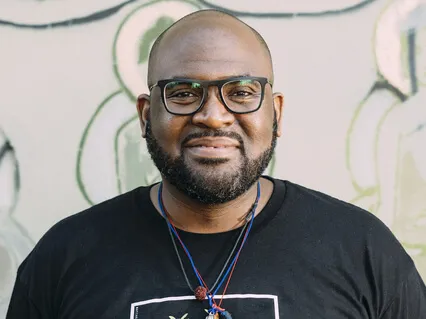
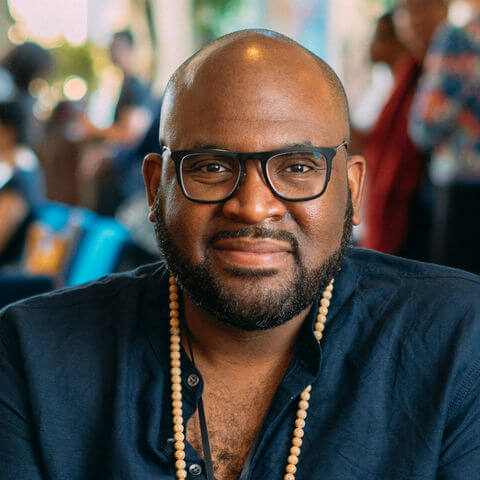
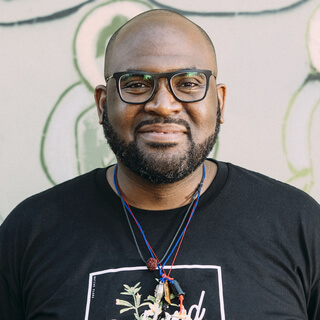
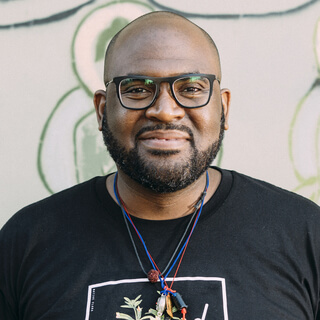
So I am Lama Rod.
Thank you so much for having me here tonight.
Thank you for coming out and joining me for this discussion,
This talk,
This practice.
It's going to be actually a little bit of everything,
But I do have something special that I want to share with you too.
So this discussion,
This night is just something I do pretty much everywhere now and am beginning to do more of.
This work I call Undoing Patriarchy and Revealing the Sacred Masculine.
The work really started coming about,
Well it came out of a collaboration and a discussion I was having with a colleague and a friend,
Reverend Greg Schneider,
Who is the head teacher at Brooklyn Zen Center up in New York.
He was like,
We should really start holding space for the male identified practitioners.
At the beginning I was like,
Oh I don't know how I feel about that.
Because when you say stuff like that,
That means I'm going to be doing a lot of work.
I already had a bunch of stuff on my plate at the time.
But we talked more and really just started fleshing this out and eventually we started with a weekend,
Long weekend retreat at Brooklyn Zen Center.
This is about three years ago now.
We assembled about a group this size at Brooklyn Zen,
About 20,
A little over 20 male identified practitioners.
It was really one of the most transformational weekends that I had experienced.
After that weekend the group decided to self-organize and to continue to meet monthly.
So they've been meeting once a month for the past three years or so.
I go and help every so often and we'll do weekend retreats here and there.
Of course other people started finding out about it.
People in different countries,
People in sanghas,
Meditation groups and mindfulness groups around the country and started reaching out to us to do more of this work.
So it's kind of spreading and it's really been helpful in my relationship with women too.
Many of them are really appreciating that this space is coming about to help us process and to hold some of the pressure,
The abuse and the violence that they experience in relationship to us.
It's not even just romantic relationships but friendships,
Work relationships,
The kinds of microaggressions that are happening more and more.
I was giving this talk at a conference earlier this year in the spring and someone just kind of asked me about what's this undoing patriarchy stuff that you do.
So I just kind of gave a brief explanation about what we do.
I remember the women just started laughing.
And then it died down and I was like,
Well you're laughing now but you'll be sending your male friends and partners to me soon.
So beyond that I think that for me personally I am committed to the reduction of violence.
I'm committed to figuring out how to suffer less.
And I'm committed to this idea of compassion.
I know many of us come from different places.
Some of us are Buddhists,
Some of us are mindfulness people,
Some of us are neither but you're interested in this.
But when I say compassion,
Compassion for me is of course the wish for people to be free from suffering.
But compassion begins with empathy.
So compassion begins with recognizing my own discomfort and then saying,
You know what,
I am not the only person in the world that's uncomfortable.
There are many,
Many people.
One could argue all beings are experiencing some form of discomfort.
So maybe they don't want to be uncomfortable and I certainly don't want to be uncomfortable.
So how can I become a part of this project to help people feel better,
To liberate them from their discomfort,
From their suffering.
And suffering takes on many,
Many different faces.
Sometimes we call it violence.
Sometimes we call it sadness.
Sometimes despair.
Sometimes anxiety.
Sometimes fear.
You know,
We all have different labels.
So the question then arose for me,
How am I responsible or the cause of someone's discomfort?
What am I doing in the world?
And that for me has become a very personal question and has indeed become the root of my activity in the world.
I want to become an agent that is the cause of as less violence as possible.
I want to be an agent that reduces violence and cuts through suffering for myself and for others.
Because I understand what it means to be uncomfortable.
I understand what it means to be a recipient of violence.
And when I turn that awareness outward and begin to take on the experiences of others through empathy,
I begin to see,
Oh,
You know,
Maybe someone doesn't want to be the recipient of violence for me.
And maybe it's my responsibility to do the work,
To look at the causes of my violence in the world.
And violence is a very strong word,
But I think we have to start using that word more.
And sometimes people come to us and they say,
You know,
You said this thing,
You've done this thing.
You know,
You're not doing what you need to be doing and,
You know,
Whatever it may be.
And it's hard to hear that feedback from folks,
You know,
From people.
So it takes a little bit.
Yeah,
We can give rise to the sense of compassion,
But it takes work.
It takes the development of strategies and resources that I think for me and my experience,
I have found that when we get together in groups with folks who are similar to us,
It makes the work easier and we learn from one another too.
So that's incredibly important.
You know,
And this is why I am a proponent of spaces like this.
Men's spaces,
People of color spaces,
Women's spaces,
You know,
Trans spaces,
You know,
Wherever spaces help us to create a sense of safety so we can relate to one another.
And then in relating to one another,
We can practice more vulnerability.
There are certain things that we just don't feel comfortable saying in front of a group of people who maybe are different than us,
You know.
And maybe that fear is just because we don't want to hurt anyone.
You know,
We don't want to say anything that hurts people's feelings,
But sometimes we're just like really afraid for people to see exactly where we're struggling,
You know,
And how we're struggling.
And then my other motivation in doing this work is to,
Is really trying to answer the question what is my responsibility in doing this work?
You know,
Like what should I be doing?
I am a man,
I'm a cisgendered man,
You know,
I'm male identified and it's just not enough for me to kind of satiate around the world talking about how bad men are,
You know,
And then saying well,
But I'm not one of those.
I'm not a bad man,
You know,
But that man over there is,
You know,
We should do something about him,
You know.
And after a while that didn't really seem sufficient enough for me,
You know,
And I thought what am I afraid of?
You know,
Because this man over here that I see committing all this violence is simply a reflection of me,
You know,
And a reflection of the system in which I was raised and as well conditioned and as well,
You know,
The system of patriarchy,
You know,
Which is a system that's based on pun power and dominance,
You know,
And we say oh,
You know,
But I'm still one of the good ones.
Like I didn't,
You know,
Internalize all that patriarchal bullshit,
You know.
My parents were feminists and we were activists and we were radical and my partner,
You know,
Is feminist and I held hold these views and I'm a Democrat,
You know,
Which the Democrats become so good.
But still there are ways in which one is born into a system and we're conditioned in ways that we actually are not able to see directly,
You know.
And so in my personal practice,
For instance,
I started asking myself why do I act the way that I act,
You know.
Why do I wear like pants and shirts?
Why do I wear makeup,
You know.
And it all began,
This is going to sound really silly,
But the song is that I work with in New England,
Know the story really well,
So I'll just share it with you.
So I went through this period where I really wanted red shoes,
You know.
Yeah.
Yeah,
It's like not that,
You know,
Serious,
But I really wanted red shoes,
So like red pumas,
This pair of red pumas.
And I circled around this decision for years and I kept telling myself,
Oh,
I just don't like the color red,
You know.
I don't think that's a nice color to wear on my feet.
And then one day I was just like,
What's the real reason,
You know.
And I really began to sink deep into that resistance,
That aversion.
I was like,
Oh,
Because someone's going to think I'm different when I wear red shoes.
Not that people didn't think I was different,
You know,
But I was really going to be different with red shoes on.
People were going to look at my red shoes and say,
Oh,
What are you?
Who are you?
You know,
And then I sunk deeper into that question and realized,
Oh,
Because I've been taught not to wear these shoes,
You know.
And I've been taught that that is not an appropriate color for a man to wear on his feet.
I was like,
This is so stupid,
I got really frustrated,
You know.
But I began to search even deeper.
I began to look even deeper.
How have I been conditioned?
How have I been taught to fit into something that perpetuates the expectations of other people?
You know,
How have I been raised to think that's really rigid and really like with this energy of dominance,
You know.
Why am I afraid to challenge some of these things,
You know?
And that was very,
Very,
Very,
Very disrupting for me,
You know.
And then of course,
I began to get into these subtle ways of disrupting some of these subtle things.
You know,
So I bought the red shoes,
You know.
And I got tired of them.
But I wore them and I was like,
Oh,
This could be the beginning of something else.
This can be the beginning of challenging and questioning things that I've been taught to just do without critical thinking.
And not that,
Now I'm not saying that like you get onto this path,
You start doing this thinking and this challenging,
You're just going to be completely different.
But what I'm saying is that you begin to make the choice,
You're on your own.
You begin to consciously make a choice.
This is how I will be because this is how I am best going to embody and express happiness.
And that's really the core of my ethics in the world.
It's like do whatever you want,
But are you happy?
Are you causing violence and doing this thing?
And those are the things that I really try to think about when I'm supporting myself in making choices and supporting others.
You know,
Is this a choice that makes me happy?
And is this a choice that is increasing violence for myself or for others around me?
That's really the core of my ethics.
But very important,
Very important consideration in terms of ethical kind of thinking.
But to think again more about patriarchy,
This idea that yeah,
You know,
I've been conditioned in these ways to think that I am naturally supposed to dominate spaces and situations and others.
You know,
There's this fundamental fear of the feminine.
And the feminine is much more than just the female body,
It's anything other,
Anything that represents difference,
Anything that represents a kind of ambiguity.
So these systems of power really,
Particularly in terms of patriarchy,
Are really built on trying to define the other.
But to define the other,
You have to define yourself.
And you have to keep yourself in a really rigid box,
You know,
Which is just an illusion.
You know,
It's just a series of thoughts and thinking and behaviors and perceptions that create this fictional kind of border that we find ourselves stuffed in.
But that becomes a kind of violence that we're,
You know,
To our own body,
To our own experience.
And then we start reacting to that sense of just being stuck into something.
And you begin to take that out on other people.
You begin to take it out on people who you perceive as being free.
People you perceive as somehow having a different choice that you don't have.
And why do they get to have this choice and I don't?
I remember,
So I'm gay and queer.
And I remember when I was coming out,
And I came out to my mother first,
Who was like fine whatever,
Which is fantastic,
You know,
Sail through that.
My dad was a different story.
And I didn't really tell him because I wasn't,
You know,
Kind of interested in telling him.
But he did find out.
You know,
He found out online,
You know.
And he called me up and he was like I found out online that you're gay and a Buddhist.
And I didn't really think I was keeping the Buddhist thing secret at all.
But he just kind of like,
He was like okay,
You know,
He just kind of went on this rant about how irresponsible that was.
You know,
And how like I was making a choice that would create difficulty for other people around me.
You know,
I was like whoa,
This is like the embodiment of patriarchy conditioning me in this moment.
Like this is irresponsible.
You owe people something.
You have a responsibility.
You can't make a choice,
You know,
To do this thing because no one can depend on you anymore.
And I said well,
I think people can depend on me even more now because I'm actually experiencing happiness and freedom and openness and I can be real with people,
You know.
And in that moment I began to feel that divestment from patriarchy in a real visceral way.
It felt like in my body it's such an extent that we couldn't talk for a while after that.
I guess about six months after that.
Not that we were like super,
Super close but we did talk,
You know.
And I had to take that six months to really,
Really think about what was happening,
The shift that I was going through.
Again I used the word divesting because we come to a point where we actually have to consciously start giving up the ways in which we're playing into a system.
We give up the thinking,
The ideas,
The perceptions.
We begin to challenge this idea of a fixed gender role,
You know,
Which we're actually going right back into this really difficult period where gender and this acknowledgement of gender is being challenged once again.
So it's like let's go back 20 or 30 or 50 years,
You know,
Which we seem to be really good at in this country.
So we're being called,
So this is again,
I call it patriarchy attacks,
You know.
Or what's that Star Wars movie that the patriarchy strikes back?
You know,
The evil empire striking back again.
So then where do I stand?
You know,
Am I a freedom fighter?
Am I a Jedi or am I part of the empire?
So when we practice silence,
When we're not practicing this deep discernment and critical awareness,
Then we're actually making a choice,
You know,
To stand on the side of rigidity,
Hegemony,
Dominance,
Violence.
Not just against ourselves but against our whole community.
I was on a panel on Sunday and it was the Black Buddhist teachers kind of gathering and we did a panel online.
Did anyone see that?
Anyone catch that?
It's online.
Did you see it,
Ron?
So someone asked us a question about sides,
You know.
Is it okay just not to have a side?
You know,
A side,
Like a side of an issue.
Like if you just don't choose a side,
Is that okay?
You know,
And the part in my gut says,
Oh yeah,
That's fine,
Let's do that,
You know,
Because that's really comfortable.
I'm just going to play it on the sideline.
And so we had a really interesting dialogue about that.
And it's funny is that like when we choose not to have a side,
We are taking a side.
And again,
I bring that back to the work and the period that we're in right now in terms of patriarchy and gender and gender roles.
It's like when I choose not to question the ways in which I've been put in a place and I've chosen a side,
You know.
But when I start this work of critically examining,
Questioning,
Opening up,
Then I am beginning to choose the side,
I believe,
Of compassion.
You know,
And compassion takes us into the experiences of those who are suffering,
Who are most vulnerable.
We're those people,
Others around us are those people as well.
So having said all of that,
I want to actually introduce a practice for us tonight,
Which is going to kind of get us into the meat of this work.
So much of my philosophy,
My practice around undoing patriarchy,
Divesting from patriarchy is the work of deeply empathizing with ourselves.
You know,
So much of patriarchal conditioning for boys is this kind of psychic mutilation.
As Belle Hooks explains in The Will to Change,
I have a copy of her book,
Which is a very important kind of text right now that I really have a lot of people read.
So she speaks about this idea that young boys are just cut off from their emotions,
You know,
And told that there's only one emotion that you can relate to,
You know.
And which emotion is that?
Anger.
Yeah.
You know.
And it's not even connecting to anger.
Like I don't even believe that there's a message of connecting to anger.
There is definitely a message of using anger as the source of energy,
As the source that we can use to dominate,
To shut down.
Aggression.
Aggression.
So to connect to an emotion doesn't mean that we're reacting to it.
Connecting to an emotion means that we begin to hold the space for that emotion.
We're not reacting to it,
But we're feeling it.
And then we're not being taught to feel.
We're being taught to react.
And that that's the only valid emotion.
So I think that,
You know,
So I believe that an antidote to that is to actually feel ourselves and to love ourselves,
You know,
To allow,
You know,
This experience of love to deeply penetrate our experience.
So much violence arises out of this experience of not being loved and cared for.
And then because we've never had those experiences of deeply being loved and cared for or allowing those experiences to come in and to be present,
Then we find ourselves struggling when actually getting into practices like this to actually accepting it,
You know,
Accepting this experience of love,
Compassion.
Some of you are familiar with the practice of metta or loving kindness.
And that's a practice of generating this energy of love and compassion and deeply embodying it,
Embodying it.
So many people struggle with this,
You know,
Regardless of gender and conditioning.
So many people struggle with that because they feel as if they're not good enough to receive this.
And it sabotages the practice,
You know.
And in my experience,
Having come from a place of feelings of I am unlovable,
That has been really the heart of how I've committed a lot of violence in the world.
And the violence that I'm talking about,
A lot of emotional manipulation,
A lot of lying,
You know,
A lot of going in the other direction,
Which is bypassing myself and being really helpful and selfless,
Which can also be an act of violence for yourself because you're doing something and not taking care of yourself.
And when you get to the end,
You know,
Of that activity,
When you lose the energy,
Then it gets really dangerous.
When people are really depending on you and you've made all these commitments and promises and then all of a sudden you run out of energy,
There's no more energy because you're so deeply like sick,
You know.
You've not taken care of yourself,
You've bypassed yourself.
Then you end up hurting so many other people.
You end up resenting people,
Like why do they need all these things?
Why are they depending on me?
Because I promised them,
Because I was trying to avoid my basic situation.
And when you're trying to avoid yourself,
Then it's really hard to set boundaries and to say no.
I think a lot of male identified people,
You know,
I think,
You know,
I've known several of these folks in my family who feel obligated to be the support,
To be the one who's doing everything but has no way of taking care of themselves,
You know.
And then when they really need to be replenished and resourced,
It's really impossible.
And I've seen a lot of things happen because of that physical sickness,
Physical stuff,
Mental stuff,
You know.
So many men in my family have died earlier than they should have because of not just this is the workings of patriarchy,
But there are other things that are working against us that prevent us from experiencing self-care,
Self-love,
Self-preservation,
You know,
The systems of racism,
There are systems,
You know,
Of class,
You know,
All kinds of things that impact,
You know,
This issue that we're struggling with in terms of taking care of ourselves,
Being real with ourselves,
Loving ourselves,
And extending that same love and care towards all others around us.
So this is what we're going to do now.
You know,
We're going to try to experiment with this.
And there will be several parts to this practice tonight.
And we'll go for about 30 minutes,
35 or 40 minutes,
Then we'll take a break and then just come back and have discussion for the rest of the night,
Okay?
So I invite you to get comfortable,
You know.
If you're already comfortable,
Great.
There's more cushions if anyone would prefer a cushion to get them out.
All right.