This Wild And Precious Life
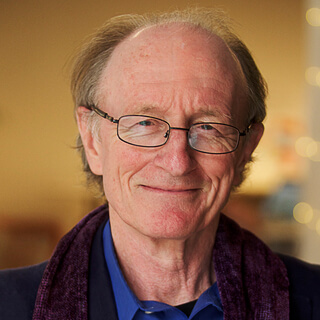
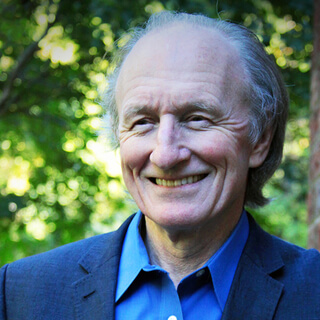
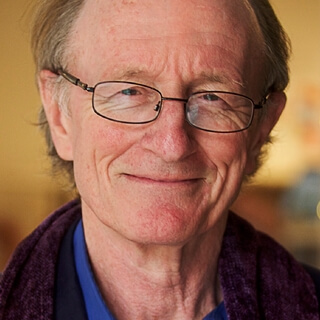
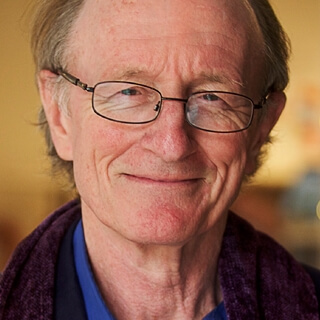
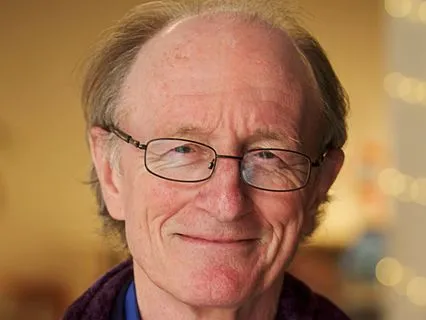
by Hugh Byrne
In this Insight Timer live session from New Year's Eve 2023, we explore our intentions as we move into the new year. Using Mary Oliver's question from her poem 'The Summer Day': "Tell me, what is it you plan to do with your one wild and precious life?" we reflect on the benefits of approaching our spiritual life and practice with a sense of urgency. We can, at times, be complacent about our practice, thinking 'we have time', but, as the Buddha said, life is 'like a bubble in a stream, a flash of lightning in a summer cloud, a flickering lamp, a phantom, and a dream' and the fruits of practice are priceless. Please note: This track was recorded live and may contain background noises.
Transcript
Our session today is,
I'm calling it our one wild and precious life and what I want to explore today because you know particularly because it's the end of the year and the new year coming up tomorrow,
It's a really good time to reflect on our lives and you know on what's most important to us and what I'm wanting to focus on today is you know looking at our spiritual life not so much looking at our habits and though that's important to do and I'll say a couple of words about that in a minute but really focusing on our priorities for our you know that question tell me what is it you plan to do with your one wild and precious life she speaks about you know walking in the fields and you know grasshopper landing on a hand and and then saying you know I've been walking through the fields all day you know what is it what else should I have done doesn't everything die and at last and too soon and then she says doesn't everything die at last and too soon tell me what is it you plan to do with your one wild and precious life and like many many people I just find that such a wonderful question to come back to ourselves and say what is it I'm doing with my life how am I living my life what's important to me what are my priorities what about what I care about most most deeply in my life what is it most important for me to focus my attention my energy on and you know people naturally at this time of the year it's an ending and it's a beginning people think a lot about habits you know about about changes and about making resolutions you know I'm going to do something I'm going to give up smoking I'm going to start eating in healthy ways I'm going to exercise all of these are really really good things to do New Year's resolutions you've probably made some yourself I don't tend to focus so much on resolutions but more on intentions I'll talk a bit about that but the funny thing about the resolutions as you probably know is that they don't tend to be very successful some of the studies show that 80% of resolutions not revolution resolutions fail by February that's not not a very good statistic is it 80% you know there's different figures there's no definitive number but it's somewhere up in that region all of the studies show that only about 8 or 10 percent of people still have actually continued with their resolution by the end of the year which isn't a great great statistic is it's not a great number to to for success I'm not saying don't you know I'm not suggesting don't don't make resolutions but there's lots of reasons why they fail and there's a whole talk I could give on that which is a kind of separate talk maybe for another time but one of the reasons that people people's resolutions aren't successful is that we don't really think about what it's going to take to make change and resolutions are typically about habits that we have and the habits are often very entrenched we've had them for a long time and we think just because oh I'm gonna make a change that that's going to be easy to do and it's not easy and one of the things so if you're going to make resolutions I kind of write about this in my first book on habit change not so much more about habits than resolutions but if you are going to make a resolution to you know a New Year's resolution my advice to you is give real attention to it plan reflect think about what you're going to do think about the difficulties that you know may arise think about what you'll do when things get really difficult you know if you were going to give up smoking and and then you're in a crisis around something how will you deal with this you know under those situations also practice compassion for yourself that's really key and really understand habits and how why they're so they can be so hard to change and I talk about that in my book the here and now habits so I'm not going to talk about that now because what I want to really focus on is about intentions because even though resolutions tend not to be very successful New Year's resolutions it is intentions are really important they're they're really essential and they're really essential in our spiritual practice and so this is a good time I think to look at our intentions and particularly our intentions for our spiritual practice for you know giving or you know giving attention to our spiritual life to our meditation practice to how we show up in the world how we practice being present how we crack practice compassion kindness loving-kindness equanimity and really what I want to focus on most of all is the importance of of waking up waking up to our deepest potential for freedom in this human life the kind of question that Mary Oliver poses in in her poem how how much attention are we are we giving to our intentions so attention to intentions so in first of all just to say intention is key to anything we do it points us towards what's most important to us or for us the the professor researcher who wrote about flow states you might have heard of him his name is Mihai was Mihai Csikszentmihalyi it's a difficult name to spell and you know for many to pronounce Mihai Csikszentmihalyi someone might be able to write that in there I have to copy and paste it because it's CZ SIK etc but he wrote a wonderful book about 30 years ago on flow states you know these states we can get into which are really deeply kind of focused states you know imagine Alex Honnold the guy who climbed up El Capitan at Yosemite 3,
000 feet without any ropes you know think about over a period of hours how you had to hold on to every crevice to climb up you know get it and or a brain surgeon you know performing an operation over six or seven hours you know the deep intensity of focus also the compassion from you know in somebody doing that and caring that these flow states that we get into when we're really really focused on something we do it anyway I don't want to talk and focus on flow states today but he he had some very helpful things in his book on flow states to say about attention and intention he called intentions magnetic fields moving attention towards some objects and away from others keeping our mind focused on some stimuli in preference to others so when we're focusing our attention we're saying this is important to me and by implication other things are less important to me so while I'm doing this one I'm climbing up El Capitan this is what I'm not focused on what I'm gonna be eating for supper tomorrow or my plans for my vacation you know I'm focused on what I'm doing so intentions intentions are really key to anything we do so I want to talk a little bit about that today Yogi Berra the great baseball player and the down-home philosopher says you if you don't know where you're going you'll end up someplace else you end up if you don't know where you're going you'll end up somewhere else so what I want us to do today I want to invite us to think about intentions in relation to our spiritual practice and think about how important our spiritual practice and our spiritual life or a spiritual journey is to us to each of us you know to you to me you know the fact that you're here the fact that you practice meditation you know maybe not every day maybe irregularly you know many of us are different places around that but it's important enough for you to come here to be part of insight timer maybe maybe to go to attend courses maybe to classes you know you know maybe we're all different in terms of our level of commitment but there's enough commitment for you to be here and that's that's the best starting point and what I want us to reflect on is how important our spiritual practice is to us and the thing I want to say really really really clearly is to think about this not from a place of judgment not as a way of beating yourself up you know because we easily bring that judgment like oh I should be better I should get this I should I'm talking about it from an entirely different place from that just from a place of discernment and compassion looking at ourselves and say okay what could I do that might move me in a direction that beam would be more helpful this I think is much more helpful than New Year's resolutions per se in a general sense but to really reflect what is important for me in my spiritual life what matters to me and thank you John if a center for saying that about El Capitan saying that you're part of the first ascent the climb is called Armageddon Wow I didn't know that Armageddon any yeah thank you I'm in me high cheek sent me high is the name of the the he died of two or three years ago and just really really excellent book on flow states but focusing on yet non-judgment and non-judgmental attitude so everything I'm saying is premised on non-judgment on compassion and non-judgment so looking at our own lives from that place you know and the question I'm really asking is can you envision giving real attention to your spiritual practice to your meditation practice to your mindfulness practice to what you you know to meditation and everything around that you know how you live your life in the coming year and what I want to kind of say and again from a very non-judgmental place is many of us and I include myself in here at least some of the time I think our approach to meditation and to spiritual life can be like just to do enough to keep us out of trouble if you know what I mean you know we do maybe we do our meditation practice and think okay I've taken care of that I've sat for 15 minutes or I've sat for 20 minutes or 30 minutes and you know keeping the you know you use the metaphor keeping the wolves at bay keeping you know making sure we've got you know we're you know it almost like a maintenance dose taking like taking a vitamin pill or whatever but the question really is are we doing enough to awaken to our true potential for freedom and to the deep peace that the Buddhist teachings and other teachings of awakening point us to you know you know are we bringing a kind of complacency I think that's the word I would like to just drop in you know because I think all of us can become complacent we kind of like take our practice for granted and what I want to do today is to kind of maybe light a bit of a fire you know in all of us including myself I mean I feel I've been doing this in you know in recent weeks with my own practice which I'll talk a little bit more about in a in a bit but you know and I don't want to minimize the importance of a regular meditation practice I think that's fundamental and it's really really important you know I think it's essential in our lives as the Buddha said nothing's more important than a trained mind nothing can do you more good than a trained mind a mind that's trained nothing can do you more harm than an untrained mind not even your worst enemy can do you more harm than an untrained mind nothing can do you more good than a trained mind so just emphasizing this training of the mind again from a non-judgmental place you know training the mind through meditation through mindfulness so just about our practices whether it's loving kindness compassion equanimity training the mind giving attention so asking the question you know am I giving the attention that it merits that it deserves that it requires to my what this wild and precious life to realize the true potential for these tea of these teachings and practices and again Jhana that's wonderful you 2300 consecutive days of meditating that's beautiful deep bow to you for that that's really amazing that's like what is that seven years or something doing they're doing the math yeah about seven years I just met my anniversary today was 365 days you know I think a year ago I missed out for a day or two oh maybe a few days but I got to 365 today so it's nice to just have that you know it's a nice thing about inside time over like you know not making too much of that by any means but just having that there is like okay keep you keeping that discipline is really important but not just not being complacent either so holding both of those things at the same time and you know the way I'd put it is this that I think the most important thing we can do with our one wild and precious life is to come to know ourselves Socrates famously said know thyself and I think that was written in Greek over the temple in Delphi in Greece know thyself and really it's at the heart of the Buddha's teachings I don't know if he used the in Pali that exact words but all his teachings are really about knowing ourselves you know the practice of mindfulness is about knowing ourselves that's great Jonathan if your streak is won today we all celebrate with you yes really really agree with you on that and all of the Buddha's teachings are really about knowing ourselves the teachings about of mindfulness are about knowing ourselves the teachings of the four noble truths are about knowing ourselves knowing when we're caught up in suffering knowing that when we're clinging knowing how it is that we can how we can let go knowing how we can live with in the deepest freedom in in this in this life in this wild and precious life mindfulness is a key to knowing ourselves to knowing who am I what am I what's the purpose of this life and for me I think that the deepest purpose of this life is to wake up to our fullest potential of as a human being that for me is I think the purpose of life to to really fully embody the potential of this human life and we can see this in in different people you know we obviously in somebody like the Buddha you know or Jesus or some of the Jewish prophets or you know in Islam or in whatever tradition you know people like you know Ramana Maharshi and in you know in in India and you know so many so many others you know the realizing this is the possibility of the human life and how and the wisdom and compassion with which that is expressed not just in what people say but in how they live their lives you know Mother Teresa helping the poor in you know the poorest of the poor in Calcutta you know how you know we live our life we live we live our values we live you know I you know if we're teaching our teachings through how we show up in the world Thich Nhat Hanh was a great example you didn't need to listen to what he said you could just see how he walked how he held the hands of children as they did those walking meditation in Plum Village or Deer Park or at different different monasteries of the in in his his tradition and you know so many but how we live our lives how we show up in the world do we live with generosity with kindness with compassion with loving kindness so I want to kind of personalize it for a little bit and say I've been feeling this sense of urgency you know the sense of you know it's not enough to be complacent you know all of us do it I think just about all of us at different times you know I'm doing enough you know doing enough to you know to ensure that I don't get too freaked out or too stressed out or whatever be careful because you can even when you're doing your regular meditation if you're not paying attention closely enough you know it can be like getting hit by a bus you know life can hit you whether it's something happening or just getting overwhelmed by things you know you really need we really need to pay attention we really can't be complacent not for too long at least and so what I've been conscious of and really thinking about is the depth of past depths of possibilities of freedom that we can embody and realize through these teachings through these practices in our lives and in Zen in Zen Buddhism they speak of practicing as though your hair was on fire as though your hair was on fire that sense of that sense of urgency realizing how precious these teachings are and how precious this human life is and how transformative the changes are that we can bring about in our life in our life and also remembering how fleeting this human life is the Buddha the Buddha said he said thus shall you think of this fleeting world a star at dawn a bubble in a stream a flash of lightning in a summer cloud a flickering lamp a phantom and a dream so seeing this human life whether we live to be you know 40 50 60 70 80 90 maybe a hundred however long it is it's like a flag a bubble in a stream a flash of lightning in a summer cloud a flickering lamp a phantom and a dream you know this this fleetingness the impermanence of this human life and how essential it is we take advantage of of the time we have and we obviously have to be careful when we talk about practicing as though our hair was on fire not to take make it into a macho thing not to make it into a like clinging thing I got to do it got to do it because then we just bring the other energy in we bring this fear and aversion in you know like I got to get there and so we have to have the balance but remembering how important this human life is and in my own teaching here on Insight Time when outside I've been teaching a lot about the central teachings of the Buddha about of awakening the four noble truths about letting go about the simple truths that clinging leads to suffering and letting go leads to freedom and to realize that really deeply and the freedom that can come with that realization and that we you know that we can we can we can let as Arjun Chah said we can let go a little and experience a little peace let go a lot and experience a lot of peace let go completely and experience complete peace complete freedom he said your struggle with the world will be at an end that we can realize the deepest freedom but we can also it's it's a gradual training for the Buddha you know the Buddha's teachings he lays it out as a gradual training but leading to complete freedom and that that gradual training can at times be a sudden awakening and so what I've been really exploring investigating practicing with in my own practice and in my teachings is to you know to complement the Buddha's teachings with teachings of you know people like Eckhart Tolle and I've list I haven't talked about him so much in here on Insight Timer but Adyashanti and many of you may know his teachings and very very profound teachings if you're not aware of him I'll share perhaps in the in the in the summary some of his main some very helpful teachings of his but what he teaches and what Eckhart Tolle and others Gangaji is another she's on some of her course I think and teachings here on on Insight Timer wonderful teaching teacher to a kind of bringing both an immediacy to this potential for waking up and a reminder that freedom is always right here and right now because we can think about it as like I've got to get somewhere and that could really miss out on the truth that freedom is right here right now Adyashanti speaks about it as the always and already the always and already we're always freedom is always here right now as I'm talking to you in this moment freedom is here freedom is here for you freedom is here for me freedom if he is here for for each and every one of us to be realized right here right now not tomorrow not next week not next year but right now so we can hold both of these things that it is a practice it is a training it is a sitting down every day but it's also in a sense most importantly it's right here right now and when we realize that deep that deeply that understanding deeply then then our life a life can change to really change on a dime you know that that awakening you know and there can be different kinds of awakening and maybe I'll talk about that in another another session more but just kind of the bringing in these teachings to these teachings these immediate teachings of awakening and what Eckhart Tolle,
Adyashanti,
Gangaji and others you know Ramana Maharshi and Poonja and others what they they do and and I think you know particularly for people in the West using that broadly can bring it into a kind of a language that we're familiar with and a culture that many of us are familiar with that may be a little bit more distant with the teachings of the Buddha for example or somebody who is teaching a hundred years ago or 500 years ago you know so having all of that and the wonderful thing about the Dharma in the broadest senses is that the wisdom is coming from many sources you know from Rumi you know from Meister Eckhart from you know was a thousand years ago from sister mother you know Teresa of Avila you know five six hundred years ago of all of these teachings and different traditions you know in the Jewish and Muslim and Christian and Hindu and Buddhist all the wisdom there's there's one wisdom really and that's the Dharma all of these teachings are pointing to the to the same place so just for timing I'm going to have to finish up in a minute but what I would like to invite us to do in this last minute or two of the talk is just to reflect for you to reflect you know how does this land for you hopefully without judgment you can put all the judgment aside and just reflect on you know what is it for you this wild and precious life tell me what is it you plan to do with your one wild and precious life you know what matters most to you what is it you might give attention to right now in this moment now is what is one two questions really one what's missing right here right now for you to be free what's missing is there anything in the way of being truly free truly at peace right now in this moment just sit with that question for a moment and whatever comes up you might say you know oh I'm tired or I'm angry with somebody can you be at peace even in the midst of this keep asking that question of yourself coming back to that what's in the way of being completely free in this moment completely at peace letting go completely and the hold that one question and then invite another question which is more a kind of gradual question more a kind of day-to-day question what is it you might do in your life and in your practice in your meditation practice in your mindfulness practice to really deepen and move towards answering this question tell me what is it you plan to do with your one wild and precious life so I finish the talk with this poem from from Mary Oliver this is in Blackwater Woods look the trees are turning their own bodies into pillars of light are giving off the rich fragrance of cinnamon and fulfillment the long tapers of cattails are bursting and floating away over the blue shoulders of the ponds and every pond no matter what this name is is nameless now every year everything I have ever learned in my lifetime leads back to this the fires and the Black River of loss whose other side is salvation whose meaning none of us will ever know to live in this world you must be able to do three things to love what is mortal to hold it against your bones knowing your own life depends on it and when the time comes to let it go let it go
4.9 (177)
Recent Reviews
Judith
December 24, 2025
Such a beautiful and inspiring talk ππΌβ€οΈ
Mary
March 3, 2025
Very timely and much appreciated. One of Hughβs Talks goes a long way to help tie you over before his next live session. ππΌπ₯°β¨ποΈ
Karenmk
March 3, 2025
Thank you Hugh. Received your words on self- care and the benefits of going within and reflecting on living my best life. . Letting go is Freedom. Enjoyed the poetry as well. Wonderful talk. πππ·ποΈ
theodora
February 1, 2025
Inspiring
Gloria
August 22, 2024
Always love listening to these . Thank u
Don
July 14, 2024
Thoughts that need my attention π
Chris
May 9, 2024
Always greatβ¦
Patty
May 1, 2024
Even good on May Day/Beltane 2024.
Solange
February 15, 2024
ππΎ