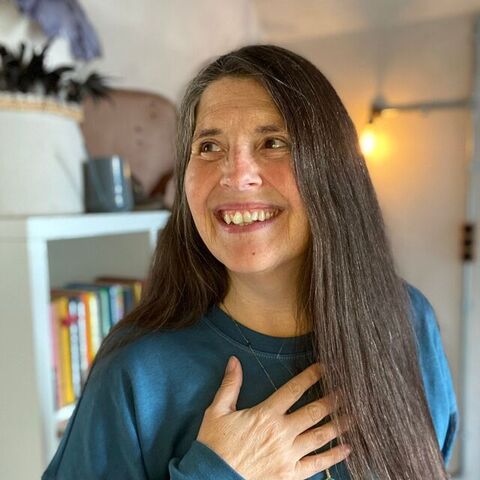
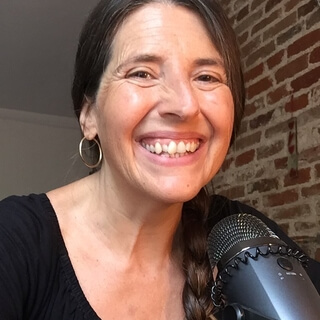
Welcome to The Regroup Hour,
The podcast that's all about how we make and manage change by building a bedrock of self-care.
Self-care that comes from self-awareness and self-compassion.
This is a gentle hour-ish to take some time out for yourself to simply be and see whatever this time brings.
It truly is an opportunity to regroup.
When I explored bereavement counselling for myself a few years ago,
I heard that it's best not to approach it until six months or so have gone by.
The idea being that until that first wave of past,
We're not yet ready to explore how to move forward.
But this gentle and kindly given advice left me feeling a little bit lost,
Unsure how to process or manage things in that waiting period until I could get that support.
And I have to admit,
I didn't pursue it any further because so much of my energy was taken up with just getting by and I didn't feel that I had enough resources to also find the extra support that I needed.
So I may have been misguided in my understanding at the time,
But it is something that I've heard from others since and it has always stayed with me and left me feeling that there must be another way of dealing with grief or learning how to recover from grief.
And a connected thread is that I see through my work with others and also through my own life experience that grief is not just about the death of a loved one.
Grief can accompany any change,
Even changes we're keen to create ourselves.
For example,
If you choose to move into your dream home,
You're still saying goodbye to where you were before,
To the person that you were in that other place,
Perhaps to the people that you were with in that previous place.
And life stages too can contain grief.
So I see it often with the work I do around menopause and other life stage changes where as we shift from one phase into a new phase of our life,
We have to,
By necessity,
Say goodbye to the previous phase.
And I've talked about this before around how every beginning begins with an ending.
And that wrench of loss and grief can feel particularly challenging if the life stage is something that we're railing against or that we resist on some deep level.
So grief is really important to explore and it's important to become familiar with our own responses to grief.
And I say responses with an S at the end,
As we're not one dimensional beings with just one response to,
You know,
A stimulus.
We're multifaceted and we're complex creatures.
So I met my guest today through Instagram,
Which seems to be where I meet a lot of people these days for very obvious reasons.
And she posted that a client of hers had bought her a copy of My Darling Girl as a thank you gift for work that they had done together.
And she loved it,
I'm very pleased to say.
And she shared about it in her feed and tagged me.
And something about what she'd written made me want to explore the work that she does.
And so here we are.
Lucy is a deputy head teacher.
And she's also a trained grief recovery practitioner.
So she helps people move through grief,
Whatever grief they may be feeling.
And I'm sure that she's going to share more on the different types of grief that there are.
And she uses a process that was developed in the States and that she's since become trained in when she found out about it.
And she'll also share her backstory as to why this was an important part of her own journey.
And this approach,
This grief recovery method has become much more widely known in Europe and in the UK now.
And it seems to me to be a truly useful concept to help people in the moment,
Not just six months later,
Once that first layer of emotion has washed through.
So I'm really looking forward to this conversation.
And I can see that she's actually just joined.
So give us a moment.
Wonderful,
Lucy.
So good to see you again.
And I'm really,
Really grateful that you've chosen to share your time with us because as we've just been talking about your end of year as a deputy head teacher is quite busy and so giving us this time for the podcast is really appreciated.
That's okay.
Thank you for that.
So just to come into this topic and obviously talking about grief is a really tender thing.
We often on the podcast,
We often do cover quite tender topics.
And it would be really,
I think it'd be really useful actually for everyone just to hear a little bit about what brought you into this work and why this whole subject of grief became something that you wanted to support other people with.
Yeah,
So through my role,
As you already said,
I'm a deputy head teacher in a primary school.
I'm also the mental health lead there as well.
And I went on some CPD,
Some training as part of my local authority to support children in schools and families.
And that's where I found the Grief Recovery Method.
There was a lady speaking about it.
And when I initially saw the poster and sat down for the start of the meeting,
I thought,
Okay,
Grief,
It's going to be about death.
So I was really interested initially when she started to explain that it's not just bereavement,
That actually we can grieve any kind of loss in our lives.
And she talked about the 40 different types of losses and started to make me think about the people I work with,
Myself and my own family.
And so I took on the training to support the children in my setting.
And then also through that,
There was the opportunity that ourselves,
If we wanted to as individuals to take part in the Grief Recovery Method one to one ourselves.
So I thought,
Well,
If I'm going to do the Helping Children with Lost part of the programme through my work,
It was perhaps really important for me to go through the journey myself.
I'd also had some painful events in my life.
I'd not long before lost a baby at 23 weeks pregnant.
I was also going through the stages of having miscarriages as well.
So I thought,
Perhaps this will really help me.
So yeah,
So I did it and found it really,
Really interesting.
Realised that actually I didn't have unresolved grief around the loss of my baby.
It was a really,
Really sad thing that had happened.
But actually other things in my life,
Other painful events,
More unresolved,
Lost relationships,
Lost friendships and deaths of other loved ones.
And so it helped me to really work through that.
And then after I did it,
I thought,
You know,
I want to learn more about it.
So then I asked her how I could basically deliver the training to other people and do what she did.
I think being a teacher,
I thought,
Actually,
I want to do what she does.
So that's kind of where I've gone from.
So in my day to day job,
I support people in our setting,
Offer advice as well across the local authority and to friends and other colleagues for their needs.
I can do one to one training for parents or professionals that want to support young children.
I can also work directly with the children through my role.
And then I also do one to one work through the full grief recovery programme,
The programme that I took part in,
Which is for anyone over the age of 18.
And I'm doing that virtually at the moment online.
And hopefully I'll be able to start face to face again soon for local people that want it.
Thank you.
I particularly love what you said about the fact that you realised that you didn't have unresolved grief about the loss of your baby.
Because obviously you've gone through whatever process that you've taken yourself through with that.
But then the realisation that there were other unresolved losses or unresolved griefs from other times in your life.
And I think what stands out to me there is the breadth of support that this process can take,
Can provide people.
It's interesting,
After we first spoke,
So after we met on Instagram,
You know,
As people do these days,
And you and I had that initial chat,
I listened to a podcast from Michelle Chalfant,
Who's one of my favourite podcast hosts.
And it was about grief.
And I thought,
Oh,
That's okay,
I'll have a listen,
Because we've been talking about it.
And actually,
Her two guests were women who practise the grief recovery method.
And so it was it was so interesting,
Just in like a space of a couple of days,
Like coming across that you and them and hearing about it from these two angles,
And it just reaffirmed why I had that really strong sense that it would be a useful thing to share with people.
Yeah,
I mean,
It is,
You know,
As I shared with you,
It is an American based programme.
That's where it originates from.
But more and more people are finding out about it here.
And it's just something that we really,
Really need.
And here,
We need it everywhere,
Really.
But yeah,
It is originally an American based programme.
So I,
As you went through your own process,
And that that journey that you went through of deepening your learning,
Your awareness of it,
What were the things that you hadn't expected come up,
Either positive or more challenging?
What were the stuff that came up there?
Yeah,
I think it was kind of,
As we talked about,
You know,
I went in there thinking,
You know,
I'll share first what I felt was my biggest loss.
And we worked as a group to start with,
And then we had our one to one time.
And so I talked quite openly about the loss of Albert,
Our child,
And kind of talked about everything I went through.
And then we get to a point in the course where you look at your own life and do a loss history graph.
And I thought,
Oh,
I kind of started looking at other things and thought,
I'm actually struggling just writing down about that event.
But that happened 10 years ago,
Or,
You know,
I'm not I'm not bothered about that anymore.
I'm over that.
So I was telling myself and as I was writing them down,
Or then we started to have a few discussions about some other painful events and things and then a bit more detail about each of those losses that I thought,
Oh,
How do I feel like I want to cry or when I'd leave the session,
I'd go away thinking about it,
My brain started being busy.
And I thought,
These things are actually real things that I haven't actually dealt with properly that I've been pushing down,
Which we talk a lot about in the grief recovery methods that,
You know,
We move on,
We follow the myths,
Keep busy,
Be strong,
Don't be sad,
Grieve alone.
And I've just done those things.
I'm a really busy person.
I was a single parent for quite a long time.
So we push them down,
We keep we keep doing things we you know,
Life goes on.
We get a new relationships,
We make new friends,
We do different things,
And we just keep going.
But actually,
What we don't realize is the impact of those things that haven't been resolved from the past.
And going through the process enabled me to look at those specific events,
Look at losses of other loved ones and realize that they were incomplete.
Which may sound a bit strange,
Why are some incomplete,
Why are some not?
So,
I mean,
The definition of being incomplete,
Of trying to get to completeness is about undelivered communication.
So sometimes in relationships that have ended or deaths or losses of communication or losses of trust,
It can leave us with things that we've never had a chance to say to that person,
Whether they're living or not,
Things that perhaps we wish we hadn't said,
Unmet hopes and dreams.
So there's lots of things that can leave things incomplete,
Kind of leave them hanging there for us that we don't realize until we go back over that we think actually,
There's some work I can do around that and it kind of enables us to complete it,
To kind of end that for us and to go on.
And when we are incomplete,
It can really impact on our future lives,
On future relationships,
Because we may always have those insecurities,
We may always have that underlying anger,
Anxiety,
Regret,
And guilt,
Which kind of clings on.
And yeah,
And without us realizing it can impact then we can go on to have numerous negative relationships with loved ones,
With friends,
Lots of different types of relationships in our lives.
And having that incomplete can really impact on that going forward and on our ability to be happy and to be pain-free.
As I said about my baby,
It wasn't incomplete,
It wasn't unresolved,
But it was still a very real,
Raw,
Painful experience.
Sometimes I think people can feel uncomfortable to say that it is resolved.
It doesn't mean that you love that person any less,
It doesn't mean that at the time it wasn't painful,
It's just about the actions and how,
Without realizing,
But I just talked openly about it.
I don't know what made me do it,
I just did,
I talked about it,
I talked about it on the internet,
I talked about it to friends and family and people contacted me to say,
You know,
We went through the same thing,
Our baby had the same chromosome thing.
And that just,
Without me realizing,
I did the natural thing,
I cried in front of people,
I cried in front of the midwife,
I cried in front of the doctors,
Me and my husband cried together,
We cried in front of our child.
So I did the natural things,
But unfortunately,
From a very young age as children,
We learn not to do that.
You know,
Don't cry,
Here's a tissue,
If you're feeling sad,
Here's a cake,
Here's some sweets,
You'll feel better.
As an adult,
I'll have a takeaway,
I'll have a bottle of wine.
So we do things to compensate,
So we don't actually always kind of go through that process,
We stop it and then it stops where it is and it's still just as raw,
Years and years later,
Just pushed further down.
Yeah,
These distraction techniques that we're taught as I listen to you,
You know,
Just remembering,
Being advised by some older parent when my son was really young,
You know,
Is it a,
You know,
Is it a fool that doesn't get resolved by a piece of chocolate?
If it is,
Then you know that they've hurt themselves.
So,
You know,
The first thing is,
You know,
Sort of,
Oh,
You have a piece of chocolate,
Do you feel all right now?
And it's,
You're absolutely right,
It just teaches this pattern of how we soothe with external.
.
.
We may feel,
You know,
We may feel a bit better,
I think everyone does after a bite of chocolate,
After a glass of wine,
But it doesn't really solve the issue,
Does it?
We're just putting a plaster on it,
We're making ourselves feel better for 10 minutes,
An hour,
One day,
But it's always there and a lot of clients have kind of been surprised about some of the things they've uncovered that have happened a long time ago that hasn't been resolved for them,
It's only through going through this process that they thought,
Oh my goodness,
You know,
I thought I was over that,
I thought I'd ignored it enough that it had gone away or,
You know,
Tried not to think about it for so long,
But actually that pain's really there and it is actually impacting on,
And sometimes impacting on another loss.
So,
You know,
We can deal sometimes with having a really tough time,
Lots of losses,
But it's accumulative,
It builds up and actually,
If we're not dealing with it properly,
We can only take so much.
So sometimes it could be a loss of something that someone feels perhaps not as significant for them and think,
Why am I responding so badly to this?
Or why is this breakup really hurt me so bad?
But actually when we trace back,
It's the buildup of all of these unresolved things that actually have made us,
You know,
Not as able,
Not as resilient,
Because at some point,
You know,
We have to kind of say,
Oh,
I can't do this anymore on my own,
Even though we try.
So it sounds like one of the huge benefits of the process is helping people see these patterns through their life.
And it's something that I work with clients to do systemically across their life and to really hone that in on this experience of loss and grief.
And you mentioned at the beginning about doing a grief map or a grief timeline.
Is that one of the first things that happens in the process?
Yeah,
So it's an educational program.
It's actually the only evidence based program for grief in the world,
Actually.
So it's we're learning all the time.
So the first few sessions,
There's a little bit of reading.
And a lot of people like that,
Actually,
Because it,
You know,
They said they feel like each session,
They've got little tasks to do.
Not so much homework,
People worry about that,
And they find out I'm a teacher,
But it's just it's just very small little steps that they take themselves to help themselves.
So some small parts of reading.
And then yeah,
On the third session,
Then it's like a lot it's a lost history graph of their lives.
And but anything I ask anybody to do,
I do myself.
So with it being an educational program,
We always model.
So I never ask any of my clients to do anything without me modeling it first.
So there's that sense of trust,
That confidentiality that you know,
I'm sharing some of my most painful events with them.
And then and then they do the same back.
So it's lots of trust,
Lots of lots of working together and building that relationship,
Really.
And that feels particularly important when people have perhaps learned to suppress.
Yeah,
Because actually,
That's it's a self defense mechanism,
Isn't it?
Suppression is I don't know how it's going to feel if I allow this to come up so that that is immense.
That's,
You know,
That's a lot of people say that,
You know,
They'll take that first step,
Which is really difficult to contact to ask for information.
And quite a lot of people have said,
You know,
I don't want to open the can of worms.
I think once I start,
I'll never stop.
I'm scared to cry.
I'm scared to talk about it.
But actually,
Because it's done gradually,
You know,
I will say to people,
Don't worry,
I'll guide you,
I'll lead you,
I'm here to help you.
So,
You know,
It's never tell me everything.
And you know,
There you're sold in that very first session,
It's all done gradually.
And you know,
People do it in their own time.
And we take little steps together.
And it's manageable chunks and,
You know,
Focusing on little things.
And it's all broken down over the seven week sessions too,
Because,
You know,
We understand that people grieving have loss of concentration,
And they find it difficult to focus on things for too long.
So,
You know,
We do it manageably.
And,
You know,
And support as well,
Clients will contact me sometimes and say,
You know,
I've read this chapter,
I'm struggling with this.
And,
You know,
I'll say don't worry,
Come to the session,
And we'll work through it together.
So it's supportive all the way through and identifying that everyone's individual as well.
And I think on that point,
I'm very mindful of what you said about that there are 40 different types of grief or 40 that have been identified with this programme.
And that everyone's experience is completely unique.
So I wonder if you can just talk to us a little bit about some of those different types of loss that have been?
Yeah,
Yeah,
I think when I model the loss history graph and share some of the losses,
Most people are like,
Oh,
I didn't think that was a loss.
And,
Oh,
Okay,
Now,
Actually,
I think there's a lot more that's happened in my life now.
I know that's a loss.
It's almost like I give them kind of the validation.
And,
You know,
A lot of people think,
Well,
That can't be a loss or,
You know,
I was sad when that happened when I was eight,
But it's nothing compared to what happens to other people.
So we compare and we minimise and put ourselves down.
But actually,
What we say is anything that was significant to you as a child,
As an adult,
Something that caused you pain,
That's a loss really.
I mean,
The definitions in the grief recovery handbook,
You know,
Of loss and grief,
It's the natural and normal reaction to any loss.
So anything at all.
So that could be the loss of a friendship at a very early age,
Moving schools,
Loss of security,
A divorce,
Either of themselves or parents.
It can be,
You know,
Moving house and not getting to say goodbye,
Like a loss of community.
Through abuse and traumatic events,
It can be a loss of trust of adults,
Loss of trust of the system,
Who people have been let down.
So actually,
I think kind of when we look at our lives,
It's anything that's,
You know,
Made us feel really upset,
Anything that's really hurt us.
When we actually look at it,
It can be identified as a loss,
And that actually it needs to be grieved for,
And you know,
Not ignored,
Not pushed down.
Because,
As we've talked about later in life,
You know,
It will come up if it's not already.
Some people may be presenting behaviors without realizing that they're actually struggling with those losses.
Yes,
So there's loads,
Loss of employment,
And especially,
You know,
With COVID and the pandemic that's affected a lot of people.
It's the,
You know,
Change of any familiar pattern or routine is a loss.
It's conflicting feelings,
So something that,
You know,
If we lose a relationship that all our friends are saying,
You know,
Wasn't a very healthy relationship,
It's good.
The divorce happens,
Everyone's feeling great,
You know,
Finally you're rid of them.
But actually,
You may still feel loss about that,
Even though deep down you know it's the right thing.
It's still a change in that familiar pattern,
That routine.
It's a loss of hopes and dreams,
You know,
When you got married,
You hoped that it wasn't going to end.
So,
And they can be very difficult losses to acknowledge when we feel that we shouldn't be feeling like that.
But actually,
That is one of the definitions that it is conflicting,
Being in a certain way when we think we shouldn't have.
In the intro,
I shared the example around,
Even when it's a change that we're seeking to create,
And we're,
You know,
Excited about it,
So moving house.
And at the moment,
The regular listeners will know that we're in the process of exploring moving ourselves and I am deeply mindful of the loss that that represents in terms of not being in my community,
Not being in this home that we've created for over the last 20 years.
The relationship with our son,
Who's now 20,
And how the loss of him being a little boy and you know,
Because that's what this house is full of.
Yeah.
So even when it's something that we're actively seeking,
Yeah,
Honouring that that sense of loss is incredibly important.
Yeah,
And I kind of saw that as I did my loss history graph,
I could see,
You know,
I've been married twice,
And I can see both of those events on the day of,
You know,
Of the wedding,
You know,
Really happy days,
You know,
What I wanted,
Full of excitement,
Joy,
But actually I can identify loss with both of those.
You know,
The first time it was kind of the loss of being a child,
I felt like now I'm a grown-up,
You know,
I'm not who I was before,
You know,
I've got to be responsible,
I,
You know,
I can't keep going to mum and dad,
You know,
I'm married now,
So there was loss of that.
I remember crying going off for my honeymoon,
I was excited,
You know,
I wasn't sad about what I was doing,
But there was still a loss there,
And again then with my second marriage,
It was kind of the loss of the life of me and my son,
Just the two of us together,
As much,
You know,
As challenging as that I'd been at times,
It was still,
That was our thing,
And it was like,
Oh it's all changing now,
You know,
Marrying somebody else is going to be part of our lives,
But yeah definitely,
And you know,
Those,
It's acknowledging that,
And those things will always happen,
But letting it be okay,
And that's what we find with young children,
They feel sad and it can be quite dismissed sometimes,
Before they'll think,
I shouldn't feel like this,
It's silly or it's embarrassing,
So they don't talk about it,
But actually validating those feelings and,
You know,
You're going off to secondary school,
That's exciting,
But it is a loss that you're saying goodbye to us,
And that's okay,
And we feel sad as well,
And you know,
Letting those feelings be normal rather than telling people,
Well don't be sad,
Because when you go to your new school,
Well actually they are sad,
So it's okay to be sad,
Acknowledge it,
Feel it,
And then talk about the positives after.
Oh that's,
It's interesting,
I had a conversation this morning actually,
Where with great,
You know,
Kindness and generosity,
The person I was talking with offered up lots of,
You know,
Supportive,
Encouraging comments to me about the idea of us moving,
And I had to just sort of step in very gently and just say,
Actually it's okay,
It's okay,
Yeah it's okay,
It's okay,
We're comfortable with,
And the word,
The word that I often use is surrender,
You know,
I'm okay to surrender into whatever this feels like,
And however long it takes,
And you know,
That's okay,
It's okay.
I had exactly the same,
We were moving just before the first lockdown,
And I remember saying to family members,
You know,
I feel quite sad about it,
That was the home that I've lived in for a long,
Long time,
It's where I was,
Or where I got married the first time,
And then it's where I was a mum for the first time,
It's where I've done numerous pregnancy tests,
It's where,
You know,
I've suffered a miscarriage,
It's where I brought,
You know,
My first child home to,
It's his only family home,
And you know,
I was really excited to be moving somewhere new and somewhere a bit bigger,
And excitement was there,
But I said actually I do feel it's a loss,
And the same again,
Another family member overheard,
And oh don't,
You know,
Don't be being morbid about it,
Look what you've got,
You've been desperate to move,
And I said exactly the same,
No I do know that,
But actually it is okay for me to feel like that,
And I don't want to pretend I don't feel like that,
Because I do,
And I probably will cry the day I leave,
And maybe the day before,
And maybe a few times I'll cry,
And that's okay,
Yeah,
And I think it's other people feel uncomfortable,
And they want to make us feel better,
So they speak intellectually,
So it's those intellectual comments like you'll be better when you move,
And it will be okay,
Because from their minds and intellectually they're probably right,
I will be okay,
You know,
I will survive it,
But actually at those times we want comments from the heart,
So we want other people to say I can understand why that would be sad,
You know,
What you're going to do to say goodbye,
Or how you're going to treasure those memories,
And actually talk from the heart about things that will help us at that time.
So such a powerful point I think,
And such a useful thing for all of us to remember,
That it's not only what we can learn from this conversation about our own feeling of grief,
But also how to support others by not going up into the head and intellectualising as you say,
But just stay in the heart and just say well that sounds hard,
Yeah,
Just say I don't know what to say if you don't know what to say,
I don't know what to say,
Yeah,
I can't imagine how you must feel,
We don't have to try and say oh I know how you felt,
I felt like that when,
Because actually 100% nobody ever knows how anybody else feels in any situation,
Even if it's vaguely similar because we're all individuals.
I think,
I mean that's such an important point as well about how we deal with other people's grief,
It'd be great to sort of understand a little more about what we can take away from that,
You know,
What advice is there through the method that can support us.
Yeah and again it's,
As we talked about,
It's talking from the heart,
Naturally we will go into intellectual comments,
I mean I've been doing this for years now and still sometimes I go to do it,
You know,
If my son hasn't been picked for the football team or,
You know,
It'll be okay,
Well don't worry you played last season and,
You know,
That's our automatic response,
You know,
I've had it said to me my whole life,
My parents have had it said to them,
It's something that's been passed on and on,
It's something that not just within family,
You know,
It's in society,
So it's just kind of pausing for a minute listening to what the grievers like really listen to what they're trying to say,
Hear them rather than just listen to the words and don't,
You don't always have to respond quickly,
You know,
You can take some time and let them talk,
I think we can be quite quick to jump in as well to try and fix,
To try and resolve and actually sometimes people just want to offload and share how they're feeling,
So it's listening,
Try not to interrupt,
Try not to make it your story and try to relate too much,
We do that sometimes because we think that can give comfort but actually it can cause annoyance really as well,
Make them stop talking and so let them talk and then it's just,
Yeah,
Just talk from your heart,
You know,
Make comments,
You don't have to ask questions,
You don't have to find a solution,
Just that is really hard,
You must be feeling really sad,
You could ask is there something I could do to try and help you right now,
So not to fix it but just to offer a bit of comfort and like we said just be honest,
You know,
I can't even begin to imagine how painful that must be for you and the main thing is listening as we say in the grief recovery method,
It's being a heart with ears and it's so,
So,
So important to do that and to really hear the person,
We joke about it in our family,
I'll come home sometimes and have a little rant of something that's happened at work,
My husband now knows that I'm not saying it to him because I want him to make it better,
Tell me it's okay or give me some actions or some ideas of what I could do the next day because actually I know that,
I know who I can go to speak to if I'm not happy,
I know how to talk to people how to resolve the issue but actually I just want to offload,
I just want someone to say it sounds like you've had a tough day and just give me a hug because it can actually just make me irritated if I'm being told all you need to do,
Well actually I know that but in this moment I just want to be heard and I just want you know some comfort whether that's a hug,
Whether that's do you want me to run you a bath,
Just that acknowledgement of someone to understand that it's been a tough day or that my feelings have been hurt or I felt unlistened to and kind of the same for everybody really.
And it's interesting though how actually some of those things like not being heard can hold a little bit of loss or grief inside it because it's also about in a child,
Maybe there's a story there about not being heard as a child and it just gets replayed in a micro moment in the workplace or in the family unit and so it can spark that same feeling.
Yeah it's the same with children isn't it when there's always the children that will come up to particularly in working in a school who'll tell you the same thing and you know in the past I'd hear an adult say oh I know about that you've already told me that go back and sit down and then they'll go to another adult and they'll say are you telling them no you've told me that twice already and actually why are they doing that because your response wasn't enough they didn't feel heard maybe you listened and said okay go and sit down or you know we'll sort it later but actually they obviously didn't feel heard their needs weren't met and it's just the same as adults really and it doesn't mean you have to stop the whole lesson and go and investigate what's happened but just to take those few minutes for them to feel really heard and that you empathize and that you know you are going to do something and you know you understand that they must be feeling sad or that must have hurt their feelings or hurt them if they've fallen but then when you change your responses to children and adults you can see them that oh you know I'm happy with that now I feel I've been heard I can go back and sit at my table and carry on because otherwise they can't learn if they're still thinking about that and it's the same as children at home and adults as well because you're just thinking about it all the time.
I interviewed a sleep expert recently Dr Kat Laidalee all about how we can sleep well and one of the things that she shared is that through her extensive research so she's a sleep expert I can't think of what word to apply but she's one of the UK sort of top sleep experts and she was talking about through all of her research the single thing that she found that people most need is to be listened to about the quality of their sleep so if someone's really really struggling with their sleep they just need to be heard and it's the same it's the same with everything isn't it I think that that the quality of that human connection is to be listened to and and even more so when it's something to do with grief because it's such a it's an internal sense of of something being adrift I really I'd love to hear from you about what what have you noticed can get in the way other than that distraction technique or the stuff that we learn you know in the past from how to deal with loss or how to deal with grief is there anything else that can get in the people's way of having this healthy relationship with loss and grief I think it's I think it's fear I think you know it's almost like I don't I don't want to deal with it a lot of people we've spoken about past things well well you know it was too painful every time I thought about it I cried so so it's a bit of fear around that I think I think it's like you said it's not just what people um how we feel about getting distracted and what people do but it's also what people say to us it's society isn't it and like I said before it's those myths that kind of get in the way so from a young age as a child when something happens or we're hurt naturally we cry and we go and find someone to talk to to help and then when we start watching role models and adults as we get older we notice oh well when mum heard that sad news she didn't do anything she carried on washing her or I know that something's going on at home because mum and dad are arguing but no one's talking to me about it and I'm like I'm sad or arguing but no one's talking to me about it and they seem fine so I should be fine about it so it's definitely kind of stops at a certain age where we become really aware of what's going on around us we start to look at our role models in school at home and we start to kind of mimic that behavior kind of what's socially acceptable and unfortunately it still doesn't seem to be socially acceptable for people to openly cry in front of others um they'll pass the clock straight away you know as a signal to compose yourself which interrupts then the flow of grief and things I think it's also kind of lack of openly talking about it and support as well as we've talked about you know it's it's not really out there so people can try and access something people can identify I need something to help me here but then you know they might not be able to get the support or the right support and take a long time and then people give up or people you know think oh I'll be all right now or they felt brave in that moment and oh I'll leave it now and I don't want to I don't want to drag things back up again but I think it's lots of things really but it does seem to be kind of how we're broader um what we see our role models doing really um and just not enough talking about it but it's okay um and that it is and it's okay to be sad we'd never tell someone you know don't be feeling happy don't be feeling excited today but we seem it's not okay to feel sad feel a bit fatter um to feel a bit angry or a bit worried about something those feelings they're still they're still feelings just because we see them as negative um yeah and so there's something here about um validating all of the whole of us validating our whole oh she says coughing is um but validating the whole of our experience the whole of our um range of emotion without feeling as though we're then going to drown within it and I think that's so one of the things I'm hearing here is how this method also perhaps helps people with a bit of emotional regulation so being able to identify to see what it is that we're feeling without getting so absorbed in it that it starts to overwhelm us yeah yeah acknowledge it and kind of sit with it a bit it might be uncomfortable but you know acknowledge those feelings sit with them let them be for a little bit you know it might not be a nice feeling to acknowledge I'm actually feeling really sad today but sit with those feelings for a bit process them why am I feeling like that what do I want to do do I want to cry do I want to be alone um and then it's kind of working through that then and thinking right how am I going to turn this upside down now how am I going to try and have find a little bit of positive for the rest of the day we can kind of get in the habit of waking up and thinking you know this isn't a good day for me today you know I'm not feeling good and kind of right off the whole day and I think there needs to be that balance of okay I'm not feeling very good but that's in this moment so I'm not feeling great right now why am I not feeling great what am I worrying about what you know what might be making me have these feelings that's okay sit with them for a little bit you know and then it might be a case of what am I going to do now to to try and find a bit of joy in the next hour this afternoon by this evening um and just really small things it might be just opening the window and putting your head out the window and listening for things noticing small things small positives deep breaths outdoor exercise doesn't have to be going for a run just go outside sit in the garden take a drink outside um sometimes when we can be feeling those feelings like quite overwhelmed it's just noticing senses smelling something listening for things and just you know acknowledging what you can hear having a little book as well and kind of I've got into quite a good practice of you know writing down three things that I did well or I did do for that day rather than my mindset was being as I leave where what I didn't do as I'm falling asleep I mean I think yeah of things that I did do and actually okay maybe there's 20 things on my list that I didn't do today but these are three things that I did do and I feel good about that um kind of just changing our mindset a little bit acknowledging those negative feelings but also kind of heightening our awareness for positives just as small as they can be that's not being happy and forcing us to feel a certain way but just noticing things that are positive or have made us feel a bit of joy in that day so there's a whole I mean I think what's coming out here as well is that there's a whole the importance of layering in these self-care techniques um because they can help us right now in this moment but they also help the future us navigate you know things that come up and I am also one of the things I shared in the introduction is my own process in the past of trying to access bereavement counseling and being told kindly but being told that really it'd be better if I waited six months and I then learned to dig in uh you know not necessarily resilience more sort of stiff off the teeth stiff up a lip and gritted teeth but um it didn't ultimately serve me in terms of my health and I I'm mindful that when we first spoke you shared that this is it's possible to use this process right from when the grief first arises and it'd be yeah a bit more about that yeah I mean like we kind of talked about it didn't we if somebody fell off a swing and potentially broke their arm you know you wouldn't say oh give it a few weeks you know just kind of manage with the pain a bit and then we might head up to the hospital and see you know and people have talked a lot about that around mental health recently and things and it's no different is it it's a part of your body that's broken it's your heart you know that pain you're feeling is real and it can impact on your body in so many different ways and make you feel physical physical pain um so yeah why wait I mean people ring and say this has happened to me this has happened to me do you think it's too soon and no absolutely not it's you know it's never too soon to mend a broken heart or to start the process of feeling a little better um I say to my clients you know it's not a magic cure the sad thing has happened to you in your life you know that will always be there and you know you'll always have tears about that special person or about that sad event you know it's there it's part of you but it's just about releasing the fond memories as well about um finding some joy in in what's happened or if it you know if it was a totally traumatic event just kind of acknowledging it and letting it go a little bit as well so you know it's never forgetting things or forgetting people but it's just learning that this has happened and you know I want I've got to live with it and I want to find some joy and happiness in my life again so kind of why why wait for that really and it feels like there's um a you know learning this these techniques that that's a life skill isn't it it's something you talk about yeah yeah and to you know I always say to my clients um now you've got this experience um now you've got this information you know you've helped yourself in your life but you know go on and spread the word tell everybody help your children and grandchildren or your friends or you know tell your parents um and a lot of people say you know I've changed the way I look at things now um although sometimes they'll come to me in between sessions and say oh wow you know we were looking at this um myth last week together weren't we we'll never guess what my grand-sad won a fold of this and you know you become more aware of it of the language that you're using and the language that other people are using and it's not about berating yourself or others for saying things that perhaps aren't helpful um but it's about now you know not worrying about what you've done or said but now you do have that information where you go forward and how you can help people around you and how you can educate others really so and the tools that people have and unfortunately in life it's the one thing that's guaranteed loss as we spoke about before um you know you learn a lot as you grow up about how to get a job how to go to university what you do when you want to buy a car and it's all things you gain in your life and and how you get it but nobody ever talks about what you do when you lose things and that's something that is guaranteed in our lives um so I think when you've done the program as well it's it's about kind of keeping on top of it as well and being aware of other losses that may then happen how we're going to deal with that um they're still going to be sad they're going to be painful but what actions are we going to take or what we can do to support others kind of when they go through it as well um and as I remember saying to you on me last night as well now I'm I do all of this work I'm very mindful of my current relationships so you know it's I try not to stress myself out too much by keeping every relationship completely complete every time we finish a conversation because you know you can't do that but there is always that kind of awareness that I have now that you know anything can change at any minute I've had unresolved loss in my losses in my past so I'm trying really hard not to repeat that pattern I've got you know a 91 year old granddad who I never finish a phone conversation without saying I love you goodbye at the end of which some people might think well that's a bit morbid but I know I'm completing that conversation and I know that when if anything was to happen to him I could look back and think what did I last say to him I said I love you I said goodbye um I've written him letters on his birthday about fond memories I'm delivering communications through our relationship now so that when the time comes and he does die um I'm going to be sad and I'm going to miss him and you know we're all going to struggle but I'm going to know myself that I delivered those communications to him I've said those important things I've shared those fond memories you know I've apologized for when I used to put neighbors on he was trying to watch the news when we were younger and we've laughed about those together and I try and do that in most of my personal relationships as well even if it's just a text to say thank you or have a safe trip home or sorry that we had those crosswords I didn't really mean it I love you or you know it's not always comfortable to say it face to face text messages are sometimes easier or a little letter and in our own way it's not always comfortable for everyone to say those words but just in however your relationship is with that person however it feels really to share it I think that's a beautiful thing to have shared thank you I really appreciate that because um that wisdom of being present in in each of the interactions that we have and just having that little check-in with ourselves because the quality that that brings to interactions is it's going to have a lovely ripple effect as well across you know for other people it's it's modeling and it's also just sending out a very um I can't think of the word it's kind of a mixture between compassion and presence but yes yeah it's a really it's a really lovely thing to have shared um I would another sort of question for you actually around that is how how do you how do you continue to care for yourself so so one side of it is you know being really mindful about the quality of how you close interactions with people but I know that you've talked about some other practices that that really have supported you in your own grief it'd be interesting to see about those too yeah so when I kind of discovered all of this um I was still going through some losses as well at the time and I'd kind of just started looking kind of outside of that as well of other things that I could do to help myself um I'm late 30s now as well and started thinking about you know I was when I was younger and I've had losses I did lots of disturbing drinking late nights going out and I can't really keep up with that anymore so there's other other outlets I kind of need to do and things and I'd already started kind of looking at yoga and and started um that around 2017 um a brilliant yoga studio in Shrewsbury opened up um and I kind of thought this is my chance it was a new community being developed um and I've made some really good friends through doing that so that's really helped and it kind of fits in with a lot of the grief recovery messages and I think kind of when you talk before about the layering of um the self-care things with the clients I think some of that is a bit individual that I do as well from bits that I've kind of learned and done myself as well so I kind of put them both together um I've done lots of reading um about the law of attraction and kind of busting in the universe um nothing that I really thought I was kind of ever really get drawn to but actually yeah um I find things like that really powerful breathing meditation um not for long periods of time but sometimes just you know just 10 minutes might just be in the car I'm on the drive outside the house just having that bit of time before I go in and um open the door and see what's waiting for me with a two-year-old and and a 14-year-old so yeah so I kind of I draw on those things um in order to do the grief recovery method you need to be completing all your losses so from that very first training and then from going on to be a specialist I've had to work through all of my losses um so I'm fully completing them and also some of my losses um the relationships are still going on so that can be when a person is living or or not and we can still have interactions with people even though we've completed our loss with them they can still be part of our lives um and that's also for people who are not here anymore so um there'll be certain anniversaries birthdays where you know those feelings can creep up again a bit sometimes and if I start to feel pain then I can think hang on a minute this isn't just this isn't normal sadness you know if I'm starting to think about it at night it's affecting my sleep so there are other things after completing that you can do as well which I talk through with clients and support so I kind of do that as well I'm very aware of how I might be feeling and all this is starting to feel a bit around this person why is this so perhaps I need to take a few more actions there as well so I always make sure I'm complete so that I can listen to other people's pain and support them as well and then yeah and then it's all all those other kind of things that I do I do lots and lots of exercise as well and that definitely helps helps my mental health and as we said just being aware I've learned now to kind of notice when I'm getting stressed and when I'm overthinking and when I've got lisps by the side of my bed and you know and I just think hang on a minute actually now I need to just just kind of calm down a little bit maybe need to prioritize things maybe just take a step back or just do things in a slightly different way as well it might be that I had a big rum plan but actually you know I'm gonna go and have a bath and then I'm just gonna do some yoga listening to my body more I think and my mind as I'm as I'm getting older as well I think I'm more in tune with it instead of no I should do this or I said I'll do this actually now I think it's gonna be better for me if I don't or if I just switch things around a bit doing a different order that that is a is a lovely observation that sometimes you know we can have a we can have a we can have a plan but it's to remember that we ultimately we have a choice about how we respond to any given stimulus and being able to change our mind and go actually no this isn't what serves me right now that's also about boundaries as well isn't it I feel I'm so grateful for everything for everything that you've shared with us and my my overwhelming feeling is that really everyone should go through some form of this process because you know it's to become more familiar with you know with our own uh did you call it a grief graph or yes yeah lost history graph lost the graph you know to become more familiar with that and to to be able to um trust ourselves that we can work through through it in a compassionate way feels incredibly valuable I'm one of the things I I always ask guests on the podcast before we close is well first of all is there anything else that you just feel is is particularly useful for people to know and I'll certainly share your contact details and contact details about grief recovery method in the podcast notes but I think it's just if this has resonated at all if you think if any of the things you think oh you know just just make contact I mean it doesn't have to be with me obviously you know you can google there's lots of grief recovery specialists around the country um usually when people feel yeah perhaps my life isn't as fulfilling and as happy as it could be or it should be it usually means you know that that you need to kind of go that there's some work could be done go through the process um and I've not ever had anyone who's regretted it or not got anything out of it really um but it is just I do understand it's kind of taking that step as well um but even reaching out for a conversation with any of the specialists or um anything you can find online you know everyone's fully supportive and it doesn't have to be face to face or doesn't even have to it can just be you know a text message of an email sent to my website facebook page or anything like that first um just small steps really um just take that small step toward um toward recovery whatever that word means for you as well because I think that's the other thing I'm really picking up is how personalize this process even though it is a method it's very much about the individual so the other thing that I always ask is if you see this time in your life as a chapter in your book of life what would that chapter heading be I think um for me now it'd probably be acceptance I feel like I'm kind of at a stage now where I'm accepting of myself um of who I am flaws and everything and where I'm at in my life and I'm also able to accept my past um things that have happened painful events lost relationships but I can kind of accept that you know those have happened and I've been able to kind of work through them um I think I'm also more accepting of other people as well um that may have caused painful events in my life um accepting of their behaviors or you know that they may also be you know going through some unresolved grief of any kind um kind of accepting things for what they are um trying not to read too much into things try not to overthink try not to judge um and kind of just let things go I mean by accepting I don't mean condoning it doesn't mean that you know things that have happened are okay but I think it's just having that understanding that there's layers and layers on kind of everybody um the impact on the way they speak the things that they do um and just kind of accepting that some things you know let some things go I can't cling on to every friendship and every relationship and try and make everything perfect so accept where things are um and like you said with the boundaries kind of accepting what I need and who's good for me in and who's good for me in my life um and who helps me um as much as I can help others as well um I'm just kind of moving forward really wonderful what a what a strong word to to close on acceptance I have a number of words up on my wall and accept is is one of them okay so it's a good choice then so thank you so much Lucy really really appreciate your time and um like I say I will share your details with everyone who wants to connect more and understand more brilliant thank you okay so as ever I'm blown away by my guest by um the calmness and the measure in the way that Lucy is able to talk about such delicate topics and um and I really have a sense that uh working through our own um you know experience of grief and our own unresolved griefs or unfinished um experiences will be you know beneficial to all of us in some way and one of the things that uh that came to mind actually just as we were closing was I think so often what we are trying to do is create more control you know that's what the distractions are about and what suppressing is all about and I see a lot in the work that I do coaching um and that word that Lucy shared around acceptance feels a really powerful word to consider to reflect on um perhaps individually just what does it mean to actually accept and what does it mean to reach out and to get support you know appropriate support when we need it um because that is also part of acceptance as well acceptance that we need some some support um so thank you so much to Lucy and thank you of course to you for listening and thank you to Angus um and I send you a hug and a wave