The Sami people are the native people of Lapland Lapland in Sweden,
Finland,
Norway and Russia and My previous video was about the Sun in Sami mythology.
You can Check that there And this one is going to be about the moon in the Sami mythology and folklore So as for me,
I'm finished with Sami ancestry Lapland,
Most of the Finns are the descendants of the Sami people More or less.
So in Sami mythology,
In the majority of the deities,
They are not human characters.
They are just these Miracles of nature.
So the Sun is usually portrayed as the Sun and Moon is portrayed as the moon.
So the Sun has a Human personification called Bevnéda,
The Sun Maiden.
The moon however does not have this kind of humanized personification It is just called Manu,
The moon,
Manu and Just portrayed as the moon.
Nothing else the Sun is usually described to be feminine and And the moon is masculine,
But that's all what it is so there isn't much written information about Manu or the The Sami tradition it has been always much more oral Same way it has been in Finnish mythology and Baltic mythology then the stories have been oral and And passed on to next generation and to the next generation each time,
But they haven't been written down That much and many of these stories have lost because of this modernized lifestyle that majority of the people have in Scandinavian countries these days So there isn't much written about Manu,
But I will tell you about those stories I have found out When in Sami mythology Sun was very much Worshiped and beloved God or Goddess Manu however was not that much supported and it was more feared deity and if you think about the lifestyle of the Sami people The summer in Lapland it is very short It is two to three months.
Oh,
I'm talking about Finland here Summer in Finland is two to three months,
But in Lapland it's one month to two months even less Depending on the winter time and in the past it has been even shorter So the summer was time of prosperity the spring time and the autumn time as well but winter is very long from six to eight months and Karmos is the time and the Sun doesn't come up.
It's in the other side of the globe and it's dark all the time,
But in the winter time when there is snow it does light up the landscape so and within The winter time there it can be very pleasant when there is a lot of snow in the ground unfortunately unfortunately the Climate has warmed up with four degrees within last decades Last century I think so we have less and less snow each year.
It's very unfortunate and Winters have been really much darker Within past years because of this but still with the more north you go the more snow there is which is very good Anyway,
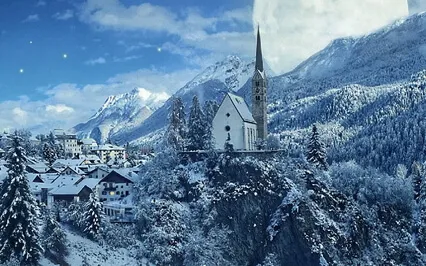
I'm getting off topic here so Especially around December that was a month when the Sami people were really afraid of the moon I I think it's partially because it was time of the mid winter solstice that People were really afraid to be around the moon and were had lots of superstitions about the moon in northern Sami The December it's called Bismonna Bismonna,
I'm not sure if I pronounced this right I don't speak Sami languages though they're related to Finnish language so anyway December was called Bismonna and It was time when people were very careful When they were outside and saw the moon like men were not supposed to make any loud loud shores like shopping firewood they had to be very quiet and women when they did their shores making food or like doing Handcrafts or clothes they had to be very quiet and not to gossip or laugh.
It was like a Taboo to do that it was forbidden It was believed that there was some kind of spirit Maybe a bad spirit in the moon because it always came out around when it was dark in the night And of course night was time to sleep As well so then February it gets very interesting when in December people had to be very quiet in February people were allowed to be very loud and February it's called Gomanna Gomanna people were allowed to be extremely loud when the moon was up and they would take Cuddles and drums and would go to Make lots of noise outside for the moon and it was to distract the moon and Also to welcome back the Sun and celebrate that moon was going away and the Sun was arriving Because in February it was time in Lapland when some would return even for for a blink Still each day the Sun would be up more and more and moon less and less and people would celebrate this by being as loud as possible and Welcome to the Sun back to the Lapland and also when people Sacrificed things for the Sun people also sacrificed things for the moon There is stories where people Sacrificed hay for the moon to eat.
I think it's quite interesting so I guess Depending if that moon was something that kind of evil power was living there that people had to what's the word To leave kids for it so that moon wouldn't get mad I think it's also very fascinating that in Sami Mthoji Sun is female and Moon is male when in countless Mthoji's around the world Moon is more female and seen more Cunning and evil and then Sun is male like in Nordic,
Germanic and Greek myths Sun is male and Moon is female,
But then in Sami mythology it is vice versa Even more interesting is Finnish mythology where Sun and the Moon are sisters or twin sisters in some According to some sources I have other videos about that Please check them out if you're interested,
So it's very interesting how many throughout centuries and thousands of years people have had this personification for Sun and the Moon still we don't have lots of information about the Sun and the Moon in the Sami mythology and Manu it is connected with many evil things but the more excuse me older the stories are In the older stories Moon is more magical and mysterious the more newer stories the Moon is more evil and This is lots to do with Christianization and Reformation in that land as you can Guess