Hello,
Everybody.
Welcome,
Welcome.
I'm just going to give you all a few moments to sign on here and then we'll get started.
Hello.
Welcome.
Once you sign on here,
I'd love to know where you're at today geographically.
Are you in Canada?
Are you in the States?
I'm in Toronto,
So I'd love to know where you're at.
Hi,
Summer.
You're needing this healing.
It's so amazing.
Yeah,
I'm super,
Super grateful and honored to be doing this talk today.
So thank you for being here.
Vancouver,
Another Canadian.
Cool.
Yeah,
Let's see.
Yeah,
Let me know where you're at,
How you're feeling.
Just doing a little bit of check in before we get going today.
Hello from Michigan.
Hello.
Welcome.
Yeah,
As you sign on here,
Just make sure you have something to write with.
So a piece of paper and a pen or a journal.
We're going to do a little bit of self-reflection,
A little bit of journaling later on.
So it's good to have something to write on.
Other than that,
All you need is yourself,
Maybe some coffee,
Tea,
Water,
Make yourself cozy and we'll get into it.
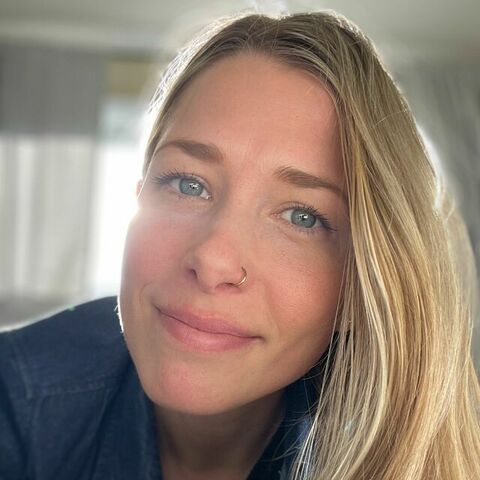
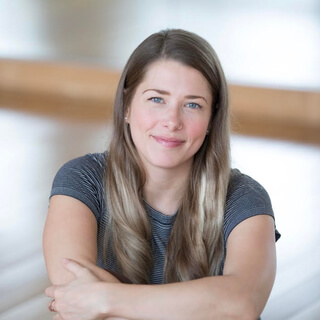
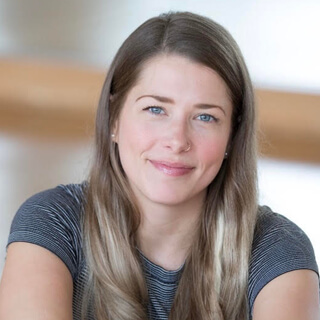
So my name is Errol and I'm an anxiety coach.
I'm also a yoga and meditation teacher.
I have meditations on Insight Timer and live classes as well.
And I'm a mental health speaker and advocate.
So I'm very,
Very passionate about sharing my own experiences,
My own struggles with mental health challenges like anxiety and depression and bipolar disorder and body image struggles with others.
I share my story with others in schools and communities on platforms like this,
Because I believe that we can all speak up a little bit louder and more honestly about what we're going through and what we've been through to do our part,
To break the stigma around mental health and mental illness.
Because when people hear our story,
They hopefully feel less alone and maybe more inclined to reach out for support and help if they need it.
So it's life-saving,
I think,
And life-changing to show up here today,
To be honest with yourself about where you're at and to allow yourself to be part of a healing space like this.
So thank you.
Thank you for being here first and foremost.
Let's do a little checking before we get started or before we move forward even more.
You need to let me know where you're at geographically and how you're feeling.
Maybe on a scale of 1 to 10,
What's your mood like today?
Are you feeling calm,
Confident,
Maybe on the number 10 side of things?
Or are you feeling a little bit,
Yeah,
A little bit anxious,
Disconnected,
Really stressed out?
That would be closer to one.
Summer,
You said you're out of five.
Okay.
So we've got calm,
Number eight.
That's awesome.
Whatever number you're at,
However you're feeling in this moment is okay.
You don't need to judge yourself or create a story about it.
This is just an opportunity to check in with ourselves.
Hi,
Juju from Arkansas.
I'm at a three.
Okay,
Cool.
Okay.
Hi,
Megan,
You got a seven.
All right.
Thank you for being here.
I'm at about a five.
I woke up kind of tired and feeling a little bit out of sync.
But I did my practices and meditated and journaled and I'm feeling better.
So thank you for sharing where you're at geographically and emotionally today.
And thank you for being here once again.
So I think it's important to share a little bit more about my own story so that you maybe can see yourself in that and feel seen and feel heard and understood.
So I have struggled with my body image for a very,
Very long time.
I remember even being a kid like six or seven years old and feeling uncomfortable in my own skin.
And I think part of that was growing up with women in my family who were constantly criticizing their bodies,
When all I saw was beauty and I never really gave it a thought,
A second thought.
And seeing,
You know,
Certain images on TV,
And media.
And I think at a young age,
Like many of us,
I internalize these stories about how women are supposed to look or how human beings are supposed to look,
Supposed to look,
What the ideal shape is.
So it progressed.
It got even worse as I got older,
As I hit puberty and my body started to change,
It started to feel alien and uncomfortable in my own skin.
And this was exacerbated by,
You know,
Pressure in school and for my peers and again,
Media,
Social media wasn't a thing yet when I was in high school,
But really struggling to feel just safe and comfortable in my own skin.
So when I was 16,
I developed anorexia and received a formal diagnosis.
And it was really challenging and scary,
I think for people in my life,
My family and my friends to see me struggling and literally disappearing before their eyes.
So I did some group support,
I did a lot of therapy,
And a lot of outpatient treatment.
And I was able to start that healing process.
It was extremely difficult and uncomfortable.
And here I am at 32.
So that's 16 years since I had that diagnosis,
And I still struggle with feeling comfortable in my own skin.
With that said,
As a yoga teacher now and a coach and somebody who does a lot of work with mindfulness and embodiment,
I have a much better relationship with my body.
I still struggle with my body image,
I still feel kind of icky sometimes,
But I'm generally able to meet that discomfort with self compassion,
And with some really simple tools for coming back to my body.
So yeah,
Recovery is hard summer.
It's not linear.
You know,
Like I said,
It's been 16 years since I was in treatment for anorexia,
And I still deal with challenges around my body image.
So that makes sense.
If you think about all the pressures that we're getting from the external world,
Again,
Nowadays,
We've got social media too,
Right?
And it's a pandemic.
So many of us are spending even more time than ever before on our phones,
On looking at screens on TV,
Whatever looking at TV,
Which means that we are exposed to even more of these images,
These unrealistic images of what a perfect body looks like.
And to add another layer to that,
It's quite often a certain size,
And it's quite often a white skinned woman.
So there's all these ridiculous stories about what beauty is,
And what health looks like,
What a perfect BMI is,
There's a lot of bullshit out there.
And what it tells us,
Not so subtly,
Is that we're not okay,
We're not enough,
We need to fix ourselves.
And of course,
The diet industry profits off of this belief that we're not enough,
So that we keep investing in these products and these programs and these beliefs that make them money.
And yeah,
Summer,
Thank you.
I think it's important to be honest about this and acknowledge that the game is rigged.
We are not meant to feel empowered and good enough,
Because then industries like the beauty industry and the diet industry,
At least the mainstream ones right now,
Wouldn't be profiting off of our discomfort and our lack of self-worth.
So even being here today and talking about this stuff is revolutionary.
To acknowledge that the system is rigged,
You're not crazy for feeling like you just can't feel comfortable in your own skin,
You're not crazy for feeling like something's not right with what the world is telling us about beauty,
You are in tune.
You are human.
So kudos to you for being here.
That means that you're acknowledging just that,
That this is,
There's a lot of bullshit going on in the industry,
Excuse my French,
But in the beauty and in the health industries that are telling us to look outside of ourselves for a sense of worth.
And this means that we're constantly looking outside of ourselves for validation.
And I know what that feels like,
Right,
Looking at how many likes you get for a certain photo on Instagram or Facebook,
Wanting to get compliments from others about how you look.
And if you don't hear something about how you look,
Maybe there's something wrong with you.
It's this constant internal struggle with just feeling worthy.
And the truth is,
Which is hard to swallow and hard to integrate and believe,
Is that our worth is not tied to our appearance.
And it's easy to say that,
So easy to say that.
And it's really,
It can be really challenging to actually believe that and live that way.
So I think the first step in healing these body image wounds with self-compassion,
The name of this talk,
Is to acknowledge that the game,
The beauty industry,
The health industry,
Largely,
At least some parts of the health industry is rigged.
Okay,
It is made to,
It is made to encourage us to feel less than,
Because then again,
We're investing and we're spending money on products that are supposed to cure all and they never cure all.
So it's this constant chase of trying to feel good and be good enough and find our worthiness and it's never satiated,
It's never enough,
Because that worth only comes from inside of ourselves.
So I'm not going to preach anything about body love.
I think I love that term,
It's beautiful.
It can be a little bit unrealistic to use those words,
Because for many of us,
For a lot of us,
Body love doesn't really feel accessible or realistic right now.
It doesn't mean that one day you won't wake up and feel pretty good in your own skin and be able to preach that and embody that.
We can work towards body neutrality.
So just thanking our bodies for what they do,
Respecting them with delicious,
Nutritious foods,
Movement,
Water,
Clothing that makes us feel good.
That's the goal,
I think,
Is to work towards neutrality.
If you end up feeling super good in your own skin,
If you feel like you love your body,
That's awesome.
I acknowledge you for that.
But if all you can kind of work towards at this point is just feeling neutral about your body,
Then that's great too.
You've got to start somewhere.
So I want to talk about some tools that we can use to start to move out of this icky energy,
Out of this discomfort in our own skin.
And I'm going to look at embodiment tools.
The tools that are going to bring us back into our body.
That's what embodiment is.
When we are living in a place that feels that involves a sense of lack of a lack of self-worth,
Of self-confidence,
Not feeling good enough.
We're largely living in our heads,
Right?
We're living in this story.
We're creating meaning from the shoulders up.
We're living up here.
So to feel a little bit more grounded and connected to our bodies,
We have to bring our awareness down.
We have to bring our awareness into our legs,
Into our arms,
Into our feet,
Embodied,
Right?
From head to toe.
So we're going to look at some mindfulness tools today that have helped me and continue to help me a lot to find healing around my body image.
So we'll do a little bit of mantra work.
We'll do a little bit of journaling.
We'll do some meditation and some gentle movement.
But I also want this to be an open conversation.
So I'm going to open the floor,
If you will,
To you all now.
Type into the chat.
Let me know what you do want to talk about today.
What kind of support you're looking for.
And I'm happy to work with you on that.
If you hear a little whining sound,
It's my dog.
She would like some attention.
Inner peace,
Says Julie.
Okay.
Yeah,
Let me know what you're looking for today.
What kind of support you're craving.
What's coming up for you as I shared my story and some of the tools that we're going to look at.
Accepting myself just the way I am.
I am unable to do what I could in the past physically for workout.
Okay.
Thank you for sharing that.
Confidence.
Summer says,
How to accept your body now when it's gaining in recovery.
Yeah.
Sorry,
I don't want to bring up any weight talk.
Just what I meant.
No,
I appreciate you sharing that.
So,
I hear the word acceptance a lot and inner peace and confidence and to get to that place of feeling a little bit of peace,
Self love,
I hear you Holly.
We have to look at resistance.
So resistance,
Resentment,
Fear,
Avoidance.
When we are turning away from what we're feeling in any regard,
But when it comes to specifically our body,
When we're choosing to binge watch a show,
Which is fine,
But if we're doing that consistently,
Or turning to drugs and alcohol,
Or throwing ourselves into work rather than looking at the pain that's there,
We are exacerbating that pain because all it wants is to be seen.
It wants to be seen,
It wants to be heard,
It wants to be felt,
It wants to be processed so that it can be released.
So we have to first acknowledge that we're feeling uncomfortable in our skin or that we are resenting where we're at or struggling to feel confident every day.
Those are the challenges.
We have to acknowledge that it's there first.
And then we do the difficult work,
Which is a practice of sitting with it.
You don't have to do that all at once.
You don't have to acknowledge,
Okay,
I'm feeling really uncomfortable in my own skin.
I really don't like my weight.
I don't like my shape.
I hate putting on clothes.
I don't like to look at myself in the mirror.
I don't like to acknowledge it,
Put a word to it,
Put a language,
Language it,
Identify it,
And then it starts to lose some of its power.
Can you go a little deeper with that?
Okay,
I'm feeling uncomfortable in my own skin.
You know,
Put my hand on my heart,
Right?
This is a way of showing your body you're here,
You're listening.
Maybe closing your eyes.
And we need to start a dialogue with that story,
That belief,
That feeling.
So you can do this right now where you are,
Put your hand on your heart.
Ask your body what it wants to tell you.
What is this pain,
This discomfort,
Maybe the sadness living in your heart?
What does it want to tell you?
Listen.
If you don't hear anything yet,
That's okay.
This is a practice.
When you feel that sadness,
When you feel those stories about your body coming up during your day,
Week,
Your year,
Pause,
Listen.
What is this story,
This pain,
Whatever it is,
What is this sorrow in your chest,
In your heart trying to tell you?
Whatever it just wants to be seen.
And it might communicate to you through words or images or dreams.
Maybe even physical sensations.
Right,
So this might seem a little ethereal,
A little conceptual,
So we are going to make it a bit more practical in a few minutes.
But just start with this.
What is your body asking for in this moment?
What I'm hearing personally is to be held.
And I'm seeing an image of me just hugging myself.
Okay,
What is your body telling you?
Can you tap into that?
Thanks,
Julie.
If you want to share,
Feel free to do that.
You want to keep it private,
That's okay too.
But we need to start to look at this pain,
This wound.
And that can be really intimidating and really scary.
And it can be destabilizing,
Right?
So we just do it piece by piece,
One day at a time,
At a time.
Acceptance.
That's what your body is telling you to do.
Yeah.
Her body is wise.
It's always talking to us.
So to feel more embodied,
More connected to your body,
More loving towards your body,
You have to listen to it.
So that reminds me to kind of talk about movement for a moment here.
Sometimes,
I mean,
In my past,
At least,
I've worked out too much,
Done exercises that I don't really enjoy,
Punished myself for eating certain foods.
You know,
I've used exercises,
Sort of this like punishment system,
Punishment reward system in the past.
And this left me feeling completely disconnected to my body.
My body cried out.
I got injured.
I got burned out.
I felt lethargic.
And it took me a long time to shift from this like punishment reward system to,
You know,
The goal of exercising and moving just to feed my body,
To give my body fuel and love.
So I want you to consider what you're doing at this moment or these days for movement,
For exercise,
And think about if that actually lights you up.
For some people,
That might seem like an oxymoronic statement,
Right?
Some people don't enjoy exercise.
That's okay.
But we know that we have to move our bodies every day.
This is super good for our health,
For our mental health,
For our holistic health.
So are you doing this with a motivation to get a certain goal,
Certain physical ideal,
A certain shape,
A certain weight,
Right?
If that is the case,
You are perpetuating this belief that exercise is a tool or a form of punishment or a form of control to make your body,
To force your body to look a certain way,
Right?
So I want you to consider checking in with yourself next time you move,
Next time you're doing exercise or working out.
Yeah,
Stretching,
That's awesome.
Yeah,
Exercise can be a way to control our bodies,
Right?
I hear you.
I really hear you.
So next time you're working out,
Exercising,
Check in with your body.
Again,
Do the same thing.
This is hand on heart,
Checking in with yourself.
How are you feeling in this moment?
Are you feeling energized or drained?
Let that be your guide.
If you're feeling drained and lethargic and like you're lacking energy in any way after your workout or even during your workout or movement,
Whatever it is,
That can be an indication your body's telling you this is not aligned.
This is not an alignment for me.
Movement,
Exercise,
Working out looks different for every body,
Right?
So what works for Sally over there might not work for you.
Thank you for the love.
And actually by doing activities or working out in a way that is not in alignment with what your specific body needs is going to drain you.
It is going to make you feel maybe a little bit worse.
It is going to lead to burnout likely or injury.
We have to consider moving for the benefit of health and exploring different types of movements that make us actually feel good.
Notice what kind of movement makes you smile.
It makes you forget about how you look and just focus on how you feel,
Right?
I love yoga for that.
I love hiking for that.
I like biking for that.
Just focusing internally on what's happening to your body when you work out.
So think about that,
Okay?
I want to just go back a little bit to some comments here.
We've got some are saying when she talked to her body,
When she listened to her body,
Her body said that she wants her to be held,
To hold it,
Touch and speak life over it,
To dance.
Oh,
I love that.
Yeah.
Messenger says,
I developed an injury so now I can't do it like I used to need to slow down stretching yoga and walking work for me now.
I got injured due to passing myself addicting with bike injury.
Okay.
Yeah.
Pushing yourself.
Okay.
Thank you.
Yeah.
When we push ourselves,
Like I was just saying,
Right?
When we push ourselves and when we're doing activity or movement that actually isn't necessarily safe or with the motivation in mind to feel healthy and balanced,
We can injure ourselves.
We can burn out.
We can feel disconnected from our bodies.
So I acknowledge you for sharing that.
It doesn't feel good to get to that place,
Right?
To get to the place where we feel totally out of whack or we pushed ourselves again because we want to control our image.
I get that.
I've been there for sure.
So it is,
I want to keep using the word a practice to slow down and to sit with the discomfort that might come with trying something new or something like maybe less intense or something that feels more physically rewarding,
But doesn't come with the same goal to look a certain way or shape your body in a certain way or have these vanity muscles or certain size tag on your pants,
Right?
Like it's a practice.
So to kind of recap what we've talked about so far,
Because I see some new people here.
My name is Eryl and it's been a lifelong journey for me to find comfort in my own skin.
It's a nonlinear journey.
I've spent the last 16 years really recovering from an eating disorder and tools,
Mindfulness tools have really helped me to come back to myself in a way that feels safe and loving.
And we've talked about the game being rigged,
The health and beauty industries,
Parts of them encouraging us to constantly look outside of ourselves for validation and for worthiness and to feel like we're not good enough as we are.
We're sold diet pills,
We're sold certain physical ideals,
We're sold images of thin white women,
And that is supposed to be the beauty standard.
So all of this leaves many of us feeling not good enough.
And these industries profit off of that belief,
Right?
Because we keep buying those products and investing in those programs and attaching ourselves to those beliefs.
So we have to acknowledge the game is rigged.
If we're feeling crazy,
If we're feeling pissed off and feeling uncomfortable in our own skin,
That makes sense.
Okay.
You are tuned in if you feel that way.
So the work is to stop looking outside of ourselves or to do our best to turn off the social media when we can to put away the magazines and the TV and listen,
Listen to our bodies.
So we did hand on the heart,
Right?
Closing your eyes,
Asking that pain,
That body image wound,
Whatever it is that's living in your heart,
That's where it is.
Asking it what it needs.
This is super powerful because we're opening up these lines of communication with our body,
Which is always talking to us.
We just don't always listen,
Right?
So it is tuning into the body in a very compassionate,
Very kind and patient way every day,
Even for a minute or 30 seconds and just saying,
What do you need?
Keep asking it,
What do you need?
Okay.
Maybe if we're so used to trying to control what we eat and how we exercise,
We don't even really know what our body wants anymore,
Right?
Because we're living from an intellectual or a mental place.
We're not living from a physical place,
An embodied place.
So it takes work.
What's my body asking for?
Oh,
It really wants cheese today.
Okay.
What is it asking for?
It needs a nap.
Okay.
I'm going to give it a nap.
And it's a practice of listening to our bodies and responding to them as best we can.
That can bring up guilt.
That can bring up discomfort.
It can bring up a lot of anxiety.
If we're stepping out of our system of control and moving into the terrain of listening,
Listening to our bodies,
It can feel,
It can feel a little bit like we're losing control in some way.
Right?
So acknowledging how we're feeling is powerful,
Putting words to it.
I'm feeling anxious.
I'm feeling uncomfortable in my skin today.
I don't like that picture of me.
As soon as we acknowledge it,
It loses some of its power.
And then we can start to look at that belief.
Is that even,
Is that a helpful belief right now?
Is that story helping me or hurting me?
It's hurting me.
Okay.
What can I replace that with?
What do I kind of believe?
Not a mantra,
Not an affirmation that you think is bullshit,
But what do I actually believe?
You know,
Instead of thinking,
I'm so uncomfortable in my own skin,
Or I really don't like how I look today.
I don't like how that dress fits on me.
What up?
Can you acknowledge that and then say,
Yeah,
But you know what?
My legs are really powerful because they take me places.
They allow me to do what I want to do with my arms.
You know what?
I can hug so many people.
My hands,
They let me to write.
They let me to do my work.
Oh,
I so love my shoulders because they support me.
They help me relax when I soften them down or I love my smile.
You know,
It's,
It's not,
It doesn't have to be this floppy thing.
It can be trying to rewrite the story that we have about ourselves.
And we talked about movement,
Right?
Thinking about movement,
Exercise,
Working out in a way that is actually aligned for you.
What is alignment?
That could be a whole other talk,
Right?
But alignment,
The way that I see it is when your,
Your highest self,
So the version of you that is really kind and really honest,
Confident,
We all have that person in us.
Then your highest self is thinking,
Talking,
Behaving,
Moving in a way that is all in alignment,
All sort of balanced out.
So if you're thinking in your mind,
I really,
Really want to feel confident in my own skin,
But then you're working out in a way that makes you feel uncomfortable and burned out and exhausted.
That's you're out of alignment,
Right?
That's okay.
It happens.
So I want to feel comfortable in my own skin.
I want to feel good in my body might mean exercising,
Moving,
Eating in a way that might be a little uncomfortable at first,
But makes you actually feel connected to yourself,
Connected and honest.
Okay.
So also acknowledging that we,
If you're struggling specifically with your body image right now,
And you've never experienced that before,
Or if you're struggling with an eating disorder,
Or if you're in lifelong recovery from an eating disorder,
And you're noticing that your symptoms and your challenges are picking up right now during the pandemic,
There's lots of studies out there that are showing that that is a universal experience right now.
A lot of people are spending more time on their screens.
They're on social media a little bit more,
Excuse me,
They're watching TV maybe more.
And all of this opens us up to exposure to more exposure of these unrealistic physical appearance or physical ideals,
These unrealistic body image,
This depictions.
So if you're feeling uncomfortable,
You're not alone.
I see you.
I understand.
We're going to work with where we're at.
Body neutrality.
Great.
Body love.
Awesome.
And the way that we play is perfect.
Okay,
Let's work with that.
So I'm going to stop with the chat part of this,
We're going to move into some really simple mindfulness embodiment practices.
Okay.
So I'd like to like us to start with some journaling.
So if you don't have a piece of paper and a pen or a journal and a pen,
Please grab it now.
And if the first thought you had when I said that was,
I don't journal,
I don't write,
Give it a try.
See what happens.
Again,
Let's open up this dialogue with our body,
With this wound.
Let's talk to it.
Let's start to move some of that energy.
Okay.
And then I'm going to read the prompts that I want you to answer.
You don't have to write down the questions.
You can just write down the answers.
This is just for you.
This is just for you to start to do some self-reflection.
In order to move these,
The heaviness of,
And the weight of these body image wounds,
We have to look at it.
We have to get curious.
We have to ask some questions.
Okay.
So the first question I want you to answer is what is one thing I'm grateful for that my body allows me to do?
Think about just one thing,
One thing you're grateful for that your body allows you to do.
I am so grateful for my lungs that I can breathe easily.
And that gives me the power to move in any way I want to,
To talk,
To sleep well,
To feel calm.
I'm grateful for my lungs.
They allow me to live.
If you want to share,
Feel free to share.
Okay.
Now I'm going to ask you the second question.
If you just want to answer one of these questions on your own,
That's cool too.
What do I actually like about my body?
One thing.
One thing.
You can be your toenails,
You can be your hair,
Can be your skin,
Can be your legs.
One thing.
Eyes.
Beautiful.
And think about the next time you look in the mirror or you look at a photo of yourself instead of picking yourself apart.
Can you actually look at that one part that you do like or see yourself fully?
My curly hair,
Violet.
That's gorgeous.
It's all about where we put our attention,
Right?
So where the mind goes,
The energy goes.
If we're focusing on those parts of ourselves that we don't enjoy,
That discomfort,
That body dysmorphia,
Those body image wounds are just going to get bigger and happier.
So let's shift our perspective to what we're grateful for,
What we actually enjoy about ourselves.
Okay.
And the last question I want you to answer is how can I show my body more love every day?
Thank you,
Violet,
For your donation.
Yeah.
Think about how you can show your body a little bit more love or respect if you want to look at it that way every day.
Be clear and specific.
Think about one thing,
One actionable,
Realistic,
Simple thing you can do every day.
And it might be what we did at the beginning in the middle of this talk,
Which was hand on heart,
Check in with your body once a day,
In the morning,
Whenever you want,
Maybe several times a day.
Set a reminder on your phone,
Right?
Hey,
Body,
How are you doing?
What do you need from me?
Keep the lines of communication open with your body.
Stretch says Juju.
Awesome.
Moving,
Just because it feels good.
Yeah.
Waking up and just remind yourself.
Yeah,
I like that.
You know,
Waking up and setting an intention every day to listen to your body,
To be kind to your body.
Drink water and stretch,
We're on my list too.
Yeah.
Gorgeous.
Okay,
So we're working with the awareness and with the knowledge that the mind and body are connected.
So if we want to feel better mentally about our bodies and how we how we feel in our own skin,
We have to work with the body physically.
Right?
Setting an intention to check in to move in a way that feels aligned.
Especially when you feel like you're too busy to meditate or to stretch or to do deep breathing.
That's when you need it the most,
Right?
So prioritize your your wellness.
Okay,
Just some food for thought.
So let's do a little body scan.
And we're going to put some some deep breathing exercises in there.
We're going to do a little bit of mantra work.
And then I'm going to open the floor once again to all of you to ask them questions to get some feedback before we finish.
Okay.
So I want you to come to a comfortable position,
You can stay on your seat on your chair,
You'd like to you can come to the floor,
You can lie down,
You can even stand up,
Just think about coming into a position that feels safe for your body and that feels supportive.
Okay,
So I'm going to stay on my chair,
I'm going to sit up nice and tall.
Whatever position you're in,
You want to make sure that your spine is long,
Okay,
But not too rigid,
Your tailbone is rooting down.
Excuse me,
And the crown of your head is lifting up long spine,
Allowing the energy to start to flow freely in your body and your breath to flow freely as well.
And then I want you to rub your hands together,
Create some heat.
So what we are going to be doing here is connecting with our own infinite,
Abundant resource of healing energy within us.
Create some heat there and then very,
Very slowly might please start to draw your palms apart from one another.
Maybe close your eyes.
See if you can feel your energetic or your magnetic fields here by just kind of pushing and pulling your hands apart.
Okay,
This energetic field that we all have protects us and it also allows us to receive what we need.
So what we need in this moment,
Let's make that self compassion.
We're building it.
Rub your palms together again,
Create more heat,
More healing energy.
And then place them one on top of the other over your heart center.
Drop your shoulders down and breathe into your heart space.
And then softly let it go.
Saying out loud or silently in your mind,
I love you body,
I am listening.
If those words don't resonate with you,
I respect you body,
Or I honor you body and I am listening.
The key words here are,
I am listening.
Keep breathing nice and deeply here.
Soften your belly.
Okay,
I know we are encouraged to constantly keep sort of a tight core,
But what we're doing is tensing up the belly almost all day every day and we're not breathing in a calm way.
So soften.
And then place your hands down.
You can rest them in your lap,
You can bring them to your thighs,
Whatever feels safe and comforting for you.
Take a long deep breath in.
Hold your breath for a moment.
And then open your mouth or breathe through your nose,
Let it go.
Start to soften the space between your eyebrows,
Relaxing the muscles around your eyes and your jaw.
Put down any burdens you're carrying on your shoulders,
Let them relax.
Let your chest feel open and expansive,
You are receiving love and care and attention in this moment.
Softening the muscles of your back,
Your belly,
Your arms and legs be heavy.
And then maybe for the first time today or first time ever,
Bring your awareness to your feet.
Pick them up,
Give them a little wiggle,
Maybe crack them,
Spread them wide and then intentionally place them back down.
This is powerful.
Connecting to our foundation,
Our feet allows us to connect to the earth and all of the healing,
Kind,
Loving energy that is available to us there.
Getting out of your head into your body instead.
Repeating the following words silently in your mind or aloud.
I am safe,
Supported and protected.
My body is strong,
Wise and resilient.
I am enough.
Really let those words land in your body.
I am enough.
Keep breathing deeply.
I am exactly where I'm supposed to be on my journey.
Thank you body.
I honor you and I am listening.
Take a nice grounding breath in.
And a soft breath out.
Allow yourself to notice,
Acknowledge and be with any emotions that are present for you here.
Remember,
Your feelings just want to be felt,
They want to be seen so that they can pass.
Leave you more free.
Open your eyes when you're ready.
Keep your shoulders a shrug towards your ears.
Relax them back and down.
Interlace your fingers,
Reach your palms forward,
Round your spine,
Take a nice stretch.
Hopefully that feels nice.
And then reach your palms up to the ceiling.
Maybe look up,
Open your chest,
Stretch over to the right.
Stretch over to the left.
And then relax your hands down.
However you feel in this moment is perfect.
It's exactly as it's meant to be.
If you leave with nothing else from this chat,
From this talk,
Let it be that the first step to healing these wounds is acknowledgement.
And to acknowledge what we're feeling.
Thanks,
Galah.
I hope I'm saying that right.
And to acknowledge what we're feeling sometimes requires us to put words to it.
Whether that means saying it out loud to yourself or to someone safe,
Writing it down or expressing that feeling in some way,
Languaging it,
Putting words to how we're feeling allows that feeling to lose some of its power.
We're not avoiding it.
We're not ignoring it.
We're not pushing it away.
We're seeing it.
We're alchemizing it with these embodiment practices,
With deep breath and affirmations and journaling and aligned movement so that we can start to move some of that energy.
Some of those stories that we're telling ourselves or we're hearing from other people about how we should look,
What shape we should have,
What size we should wear,
What our weight should be.
A lot of shoulds.
Right?
This is about tuning inward.
Thank you for your donation.
Yeah.
Opening up the floor now.
I know we're going a little bit past time,
But I think it's worth it.
Let me know if you have questions,
Feedback.
Take a minute or two to reflect.
Thank you,
Anna.
Thank you,
Tricia.
This is not a cure-all.
It's not a one size fits all approach.
I encourage you to open lines of communication with your body.
Check in hand on heart every single day or maybe several times a day.
Schedule that in your phone.
Set a reminder so you know to do that.
Ask your body what it needs.
It will tell you.
Okay.
Juju,
Thank you for your donation.
Thanks,
Summer.
We did a check in from 1 to 10,
A scale of 1 to 10.
One being I'm feeling pretty calm.
Ten being I'm feeling really panicked and anxious.
Let's do a check out.
How are you feeling now on a scale of 1 to 10?
Eight.
Okay.
Eight.
Fernando,
Yes.
I think it's powerful for sure.
Thank you.
So when we start to look at this stuff,
When we talk about this,
This can bring up a lot of anxiety,
Right?
You might feel a little bit worse even.
That's normal.
If we've been pushing it away or ignoring it for a while or resenting this feeling,
It can be hard to look at it,
Right?
What you said,
1 is calm and 10 is panicky.
Yeah.
Oh,
Thanks,
Fernando.
I'm really glad that this is landing with you.
Okay.
Then a 5.
Okay.
Thank you so much for being here.
If you are able to make a donation,
I so appreciate it.
Any little amount helps.
It enables me to keep these talks in my classes free.
It just helps me to serve more people.
So thank you so much,
Joanna.
I'm so happy to hear you're at a 1.
Wherever you're at today in this moment is perfect.
You're right where you're meant to be.
Consider talking to your body daily.
Move,
Eat in a way that feels aligned and expect or acknowledge that there's going to be discomfort there.
You know,
You're not alone.
Reach out and do your best.
Thank you so much for joining me.
Yeah.
Hope to see you at some of my live classes soon and another talk in the future.
Juju,
You're at a 2.
Good to hear.
Have a beautiful day,
Everybody.
Take care.
Keep to yourself and rest when you need it.