Welcome.
I wanted to share with you a little piece of writing I did today.
I am currently taking a somatic stress practitioner training and we're in day one and on the break I wrote a piece.
So I'm going to share it with you.
The piece is called Edges of Light.
Edges of Light.
I'm in the midst of a somatics training all about the body.
I'm on break and I see the colors more.
It started with arriving.
Ugh.
The discomfort became more prevalent than the calm.
My psyche started fighting hard.
She was not happy with staying.
She wanted to run.
She was mad at the trainer.
She told me so many reasons why this wasn't working,
This wasn't okay,
And it led to feeling deep isolation.
Thoughts and parts came forth to agree.
You're wrong to be unhappy with something that's supposed to be healing.
You must be doing it wrong.
Your nervous system is wrong.
When participants shared how enlightening,
Calming,
Profound their experiences were,
Parts of me sunk deeper.
My eyes flooded with tears.
I'm the embodiment coach and I'm the one who's angry and crying.
And then the shift appeared.
I recognized the compassion flooding in amidst my tears.
I grasped access back to resource,
Back to center.
Lydia,
My dear,
Dear one,
These are not voices of anger.
These are your protectors of your youth.
As I softened to listen and get curious while the inner judgment continued,
I saw and felt the precious,
Vulnerable,
Small me's,
Unheard,
Misunderstood,
Abandoned in my unique human experience that didn't match anyone around me.
And I cried for her and held her.
I told her,
I love you,
Beautiful ones.
Thank you for showing me your voice,
Your unheard voice.
I am here to hear you when you feel no one else can or did.
My dear,
Your voice is heard,
Is perfect.
Your anger,
Your tears,
Your isolated feelings buzzing through you are your perfect human experience in this moment.
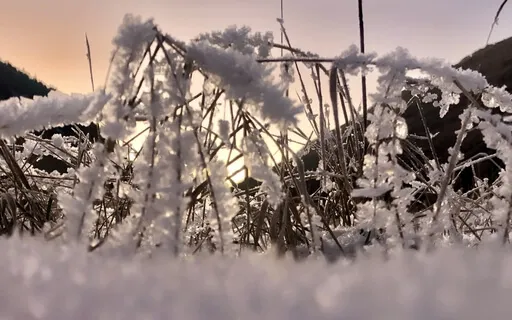
And there was a settling into the edges of light in the room.
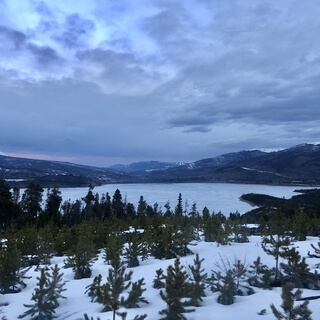
And I suddenly craved the sunlight and the fresh mountain air out my window.
I moved my human body downstairs while the inner judgment continued and felt held in the greater capacity of inhabiting compassion and deep neutrality of acceptance for my beautiful,
Flawed,
Imperfect experience in the moment.
My perfectionism no longer driving my expectations.
And I got to be human again.
So I say this to you,
The reader,
You get to be human.
Your emotions you feel too much or don't want to feel at all are the precious parts of you wanting to have a voice under the protection.
Come back home to yourself in the edges of light.
And my little beautiful kitty has something to say.
Have a wonderful rest of your day.
Oh,
Look,
Someone's coming up to chat.
Welcome,
Daryl.
Oh,
Karen.
So we have Karen and then we have Daryl.
And I don't think I changed my minutes.
Keep forgetting.
Forget.
That was beautiful.
Yeah,
Thank you.
That was beautiful.
Who wrote that?
I wrote it today at lunchtime.
Get out.
Yeah,
That's beautiful,
Lydia.
Like really touching.
I felt really moved by listening to that.
Awesome.
Thank you.
Yeah,
It was.
I'm in a 100 hour certification for somatic stress to be a somatic stress practitioner.
I'm an embodiment coach.
And today was day one.
And and I was in I was in a lot of resistance.
So I being an embodiment coach,
You know,
I I share get curious when there's resistance,
You know,
And so I finally got to a moment of curiosity and then decided writing about it would would allow it to process and flow,
You know,
So.
Yes,
I think we are all so judgmental on the human nature that we hold and to allow ourselves to question the resistance,
To allow ourselves to question the other.
And so I think that's to question the emotions.
We give that some room and some space to be held and and to move on.
Really,
I think that's what helps move it on.
Yeah.
Yeah.
And to to integrate,
You know,
And to I like the word alchemize to see what can happen from it.
Yes,
Absolutely.
To transform those chaotic emotions that come out of the chaos,
All those beautiful things are born,
As you would know,
And you're going to see in that beautiful work that you've done or going to do.
Mm hmm.
Yeah,
It's very powerful.
And so how long have you been doing this?
The embodiment coaching?
I've been doing it since 2020.
I've been in the embodiment world,
The holistic world since 2007 in various forms as a massage instructor,
A health coach,
A yoga teacher,
Etc,
Etc.
So it's a new form when COVID hit and I moved more online as a somatic educator and embodiment coach.
So,
Yeah,
Well,
It's important work and I applaud that and your writing is beautiful.
So you're writing some books.
Get it out there.
Yeah,
I know.
There's something waiting inside and I'm letting it take form on its own.
Yeah.
And a little bit of patience because I'm like,
What is it going to be?
I don't know.
But I like to give myself expression in the you know,
On the way in the meantime.
So I really appreciate your.
Yes,
Absolutely.
Yeah,
Well,
Absolutely.
Lovely to meet you,
Lydia.
Thank you.
You too.
Thank you,
Karen.
Bye.
All I can say is bravo to you,
Lydia.
I was just just moved by your words and the idea that you're using this wisdom app in yet another powerful way to,
You know,
Own authenticity and trans,
You know,
Transparency to like bring your journal to us and your beautiful words and this,
You know,
Story that you you you you can visually feel in here,
You know,
Just just very moved by it.
But thank you so much for that today.
Yeah,
It's you know,
It's so curious because I've always loved writing,
But it's so interesting that today it was about the little parts of me not having a voice.
And I like I didn't even know it was going to result in this.
I just first experienced it.
And then one of my favorite things is sitting at a coffee shop and I was actually going to go in the break to go write about my business.
And instead,
As I was sitting there,
The experience continued to happen.
So I let it out.
And then I was like,
You know what this needs to be.
I want to share this.
And then as I shared it,
I was like,
Oh,
I'm giving the voice to the unheard within me.
And that's such an interesting.
So it didn't it wasn't the original intention.
The original intention was just being and being in the presence with it.
And then it continues to lead towards no,
This voice wants of an audience,
Not just me,
Like it wanted the audience of one first with me.
But then it wanted and more wanted more of an expression and authenticity.
And I,
I posted this in my stories on Instagram.
So there's actually a picture that precedes it.
How refreshing is the edges of light on my,
My sunglasses and the hat at the coffee shop,
You know,
Like that I noticed that's what came from like the title is a picture I took with my phone,
Noticing the edges of light,
As part of the experience of like coming into the present moment.
And the present moment of light for me felt home,
As I was experiencing the resistance of like,
Feeling unheard or isolated or like,
Alone in my experience,
You know.
It's,
It's amazing.
Like,
It's,
It's almost as though you're giving a canvas to the artists within your body to express itself outside the body,
And giving a voice,
Like you said,
It's just remarkable.
It's beautiful.
The idea of this kind of transparency,
I have not yet heard on this wisdom app,
Where someone has written their journal in such a beautiful way,
And then shared it with everyone in a way that is helpful to everybody,
But also to yourself is just so nicely done.
So thank you for that.
Yeah,
And you're,
You're free to come back up if you want.
Yeah,
I love that you spoke to the art,
The artistry at the end,
Because I was an art major in college,
I was a double major French in art.
And one of the things that grew into that I also for the first time in my life in college started taking dance classes and discovered I had a passion for movement in my body.
And that I didn't,
I didn't want to just create art in 2d form,
But I was realizing that the most of art is our 3d life.
And the experience of our interaction is the art.
So life is the art life is the canvas.
And we get to make art by being a human.
So every emotion is like a color.
And so the color on a piece of art on a canvas,
There is no negative or positive color,
The color,
A darker color,
Like the darker browns and the blacks,
Create an amazing contrast to make the white pop and to add interest and like intrigue to the rest of the piece.
And I used that one time as a metaphor with a coaching client,
Where they were discouraged about their negative emotion.
And we went into a somatic practice where I was like,
Why don't we or she actually asked,
Can we do this in movement,
Because I don't necessarily want to visualize it,
But I want to move my body.
So she moved her body off the screen,
We were on zoom,
And I guided her into an artistic experience of allowing her emotions that she was feeling to be colors instead of emotions.
And it took us into this really beautiful experience of when if what,
What if we invited ourselves into the art of our life and saw it as all different things on the canvas that added interest and added intrigue,
Rather than we look at it from one direction and just perceive it from one place,
And it feels judgmental,
It feels too much,
It feels negative.
If we step back and create another realm to experience it,
And it suddenly becomes something that's interesting and something that's worthy of looking at and exploring and like,
Sharing,
You know,
And so for me writing,
And I mean,
Obviously,
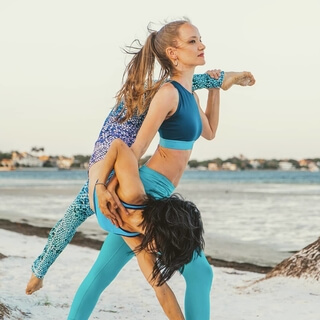
You can see my profile picture,
I love being art myself,
That was me being body painted,
And then being taken pictures of I love the self expression of performing,
Just as a performance art,
But also I love the,
The idea of being an being art as a human,
I am my own artist,
And I am the art,
I am the art,
And I am the artist,
And my life is the canvas.
And that makes life so much more interesting.
And it allows pieces like I read today and wrote to come forth,
Because it's no longer about,
I should be into personal growth,
I should be meditating,
I should be getting better.
I suck at this part,
This personality,
This personality trait of mine sucks.
We can step back from that and be like,
Ooh,
What else is possible?
What if I was an artist in this instead of a scientist?
Or what if I was a scientist instead of a psychologist,
You know,
We take,
We take these roles and assume them as our own as if it's the only role we get to play.
But when we see our life as art,
When we see our life as a play,
Or a video game,
I love seeing my life as a video game.
Suddenly,
We get to play all sorts of different characters,
Or all sorts of different colors,
Or there's just so much more richness to the experience that's possible.
Yeah,
I absolutely loved it.
I didn't want to jump right up.
I wanted to hear your thoughts,
Explore it a little bit more.
But one of the things I was thinking,
As you were talking,
Was is that,
You know,
A lot of times we talk about channeling spirit and source and things like that.
And that's sort of,
You know,
Maybe a top,
Like through us experience,
Like through the vibration of,
You know,
This higher consciousness,
If you will.
But to actually do the lower work and bring the emotion and bring the lower self out to also paint a picture and to express itself,
That is,
You know,
That dark work,
I guess they call it,
Is also pretty amazing into itself,
You know.
And,
You know,
I think we've heard that from many poets and,
You know,
Wordsmiths and things like that,
That have had very good expressions of their dark moments,
Their dark days and things like that.
So,
Yeah,
This,
I mean,
I feel like I can learn a ton from you about this embodiment stuff.
Yeah,
I like to think of myself as,
You know,
I like what you said,
Like you get channeling from spirit.
And I appreciate that.
But I'm,
You know,
For astrology sake,
I'm a double Taurus.
So I'm like all the way in the ground.
And I remember one of my darkest moments,
I had a thought that I wrote down on paper,
And it's been one of my main themes in my life is flowers grow out of dark moments.
That's where the flower comes from.
It comes from the darkness.
It comes from the seed under the surface with the compost and the dying material.
It grows out of death,
Essentially.
Wow.
Why are we afraid to bloom?
Right,
Right.
You know,
Because in the depths of the earth,
In the darkest parts of the earth is some of the most richest survival aspects that provide the most brilliant colors to our lives,
You know.
So when you let it channel upward,
You're creating the flower from the darkness,
If you will,
In a way,
It's expressing itself.
I was in my yoga teacher training back in 2007,
And we did like a vision quest.
And I realized at the time my spirit animal was the vulture.
And it was so weird.
It was such an interesting experience because I was meditating and like,
Being really frustrated in my meditation.
I just didn't want to be there.
And it was like this 24 hour thing where we had to be alone on the beach with no one and camp and whatever.
And I looked,
Yeah,
I started looking at a dying crab or like it was already dead.
And it was kind of rotting in the sand.
And I just got so curious about it.
And then all of a sudden,
Like a vulture started coming down and there were vultures circling.
And I realized,
Again,
I mean,
Realize this sounds cliche,
But the circle of life and the intrigue of how profound and transformative the concept of death is and the concept of the alchemy of what we're afraid of.
And it was so intriguing to me that some of the deepest,
Darkest fears we have in ourself is the compost,
That if we allow it and nurture it like a garden,
And we bring intention,
Intentionality to it.
And as an embodiment coach,
I also teach like number one,
Consent approach and to like safety,
Always safety first.
And if it doesn't feel safe to go there,
That's okay.
What can feel safe is creating tools,
Creating tools that you can lean on or having a support system of other people or humans or community that you can lean on so that if you start moving into what feels dark within you,
Someone,
Some part of you a tool,
A resource or someone else can help you come back.
And I think that's what has allowed me so many times to move into these kind of intriguing spaces and allow it to feel more like artistic rather than scary.
Wow.
Just really,
Really good stuff.
I just,
Some of the smartest stuff I've heard on this app.
So really good.
Now,
Why did you choose edges of life light from all of that you wrote for this topic?
It came out of a picture I took.
Okay.
So if anyone wants to go,
I put it up on my stories today.
It was a picture I took of my sunglasses with a blurry background,
And I was noticing the edges of light on the rim.
I see.
And when I was experiencing what I was going through the resistance and going into the voice within,
It was all about the resistance I had to coming into the present moment in the train,
The semantics training I was in today.
And when I finally started allowing myself to come into the moment into feeling my own resistance,
That was what brought me into more experience was noticing the edges of light on the surfaces of things.
And the edges of light is what for me felt like they call it resourcing where you come back to connection to self and the edges of light as an artist edges of light is always what brings me back into the moment noticing the edges of light on the leaf of plants in my house or the edges of light on the surface of the sheets.
So for me,
Edges of light means a lot.
And it brings me into the artistry of like my life being art,
Me being art.
I am the artist.
I am the art.
I always think there's opposites of everything in our edges of light,
Just anti shadows.
Yeah.
The edges of light allows the shadows to be seen.
Right.
We have so many anti opposites,
Right?
And for all that matter exists.
Maybe that's exactly like,
You know,
Instead of us thinking that they're not tied together,
But they are,
You know,
The edges of light.
The edges of light.
There has to be the shadow.
Right.
And that metaphorically,
The shadow has to be acknowledged.
And I mean,
Yeah.
And I love thinking in metaphor and as an artist,
So much of experience is metaphor,
You know,
So like to see your own edges of light,
There's an acknowledgement of your shadow.
Correct.
And the shadow becomes an aspect of your beauty rather than something to be feared.
Yeah,
That's yeah,
That's some good stuff.
All right.
I'm going to make room for other people,
But I love seeing you on here and hearing what you had to say today just gave like idea number 5001 ways to use the wisdom app.
So you really killed it.
So thank you.
Yeah.
Yeah.
I appreciate your affirmation and confirmation and support.
I love whenever you come up on stage.
It's great.
Thank you.
Awesome.
Have a good day.
Bye bye.
Me too.
Welcome Dr.
Goodman to the stage.
Thank you.
I've been hearing you.
I just haven't introduced myself.
So I just say welcome to the family.
You know,
Like that.
You hear me right?
Yeah.
Yeah.
I got to be here.
Okay.
Yes.
And when you was talking about the edge,
The light in my garden,
I had everything covered up,
But it was just one little shadow or what's there over the stuff and a certain part of the day,
The sun will hit it.
And so I took last week when I uncovered,
That's the only part that had something growing.
Yeah.
So he said,
Yeah,
Life come from darkness.
That's,
That's what it was,
You know,
And that's like,
Oh wow.
No,
She was describing what it was that was happening in my garden,
You know.
But yes,
You know,
And the metaphor of that,
Of you being that garden,
You being that plant and it growing into something.
So you don't want to make yourself into something,
You know,
Because it's only you.
So it's like the art within you comes out,
You know,
Because you don't want to make it shine.
So,
So I just want to say that and introduce myself and,
You know,
And thanks for the love,
Bro.
You know,
Like that.
And,
You know,
Hey,
I liked this out,
You know,
And had me to come out of retirement.
That's amazing.
Thank you for,
For,
For sharing.
I'm definitely going to be following you and I appreciate you expressing like,
Man,
I love gardens and I love garden metaphors.
So you talk about it.
I'm like,
Ooh,
I'm right there,
Right in the garden with you.
I realize you got really quiet.
I was fully engaged in your words.
Okay.
Yeah.
But truth.
I'm up around nine o'clock out there in the garden and to the little lady said,
James,
It's time to come in.
You can't see out there no more.
Well,
It's light enough,
You know,
But it's like,
I'm out there.
I know it's just like,
I'm one with the earth,
You know,
And yeah.
And so,
Yeah,
I love it.
And,
And it is just like,
Pull me in,
You know,
Because I mean,
It's just like,
If you leave me alone,
You know,
I go to sleep at you.
Yeah.
Yeah.
I love that.
Thank you.
And yeah,
Thank you.
Gardens have always been really special to me.
My mother's,
My,
My mom's mom was Swedish,
My grandma Mimi,
And she had a garden until she passed away and she lived to a hundred.
And my dad's dad,
My grandpa had a garden until he passed away when he was 94.
And they both spoke to the power of staying connected to the earth and,
And to connecting to,
To what provides nourishment and food,
Because they both grew gardens that,
That then grew food that they put on the table to share with us,
You know?
And so it's,
The metaphor of the garden and how we are gardens and the nurturing and all that is,
Is just,
Has always been special to me.
Welcome,
Bella,
To the stage.
Hi,
How are you?
Good.
How are you?
Fine.
I just came in when I was,
For Daryl and Dr.
Goodman's contribution.
I,
I just wanted to add to what they've already said.
It gave me,
It brought back memories of being in Africa,
Where you were just part of this kaleidoscope of colours and light and dark and people,
Plants and everything.
And even when the red mud in certain areas,
You're covered with it.
You don't actually see it until you get home and have a shower.
Yeah,
Well,
You know,
It's so,
It's so interesting because I spent my childhood in West Africa.
I grew up there.
Whereabouts?
In Ivory Coast,
In Abidjan.
Yeah,
Yeah,
Yeah.
And I came back to the US when I was 16.
So my,
My initiation into life was on,
On the continent of Africa.
So I think there's a richness to the beauty and like for anyone listening,
It's the most profound experience.
Please go visit anywhere on the continent.
Every country is so full and rich.
I mean,
It was,
I'm so grateful and I have such a deep sense of gratitude to be like,
To be raised by the richness of drums and the beat and like,
Like you said,
The red,
The red mud that like,
Caked your skin,
You know?
Yes.
And the essence of being one.
And the essence.
Yes.
With nature and with your fellow man and,
You know,
Light and dark mixing with the traditional and the Western religious spirituality.
And then you just,
You just accept everything as one.
And I do believe that my African heritage has made me what I am because you are part of the whole.
And when you are that,
The textures and colors intertwine and make you the person that you are.
There was so much richness in the tapestry and the art,
The West African art,
You know,
That I mean,
I think that really grew me into being an artist was being around the,
Like,
I can't explain it,
But it's like the deepest,
The most,
Like of anywhere I've been on the planet,
Cause I love traveling,
Being on the continent of Africa is like,
Almost,
There's like a sense of coming home.
Exactly.
Exactly.
Because you're,
You're one.
There's not that individualism that you get in the West and therefore you realize and have respect for everything.
Everything is community.
Yeah.
Everything like the drumming and the art and the trees and like the mud,
Like mud cloth,
You know,
Like the mud made the art.
You're free to come,
Come back up.
If you,
If you want to continue,
I'd love to keep talking.
But like one of my favorite art is mud cloth.
I have it in my house and I just,
It's just the most amazing thing that there's such richness in the art of mud cloth because it's straight from the earth,
You know,
And you put it on your wall and it's like grounding and like gorgeous.
And again,
I don't know how to explain it.
I love how you're articulating all of it.
Well,
I feel like already connected with you because words cannot explain,
But we can,
We can,
We can,
We can feel it.
And,
And the,
You know,
Being West,
East and South Africa and that,
You know,
Just sitting at night,
Hearing the crickets and,
You know,
The wind and the,
The different colors coming in and,
And the trees and the darkness,
Even when you're walking through the forest,
You know,
There's no fear about the darkness,
You know,
Because you're one with the whole and that is something which is edges of light.
Yes,
You're always at the edge,
But knowing that you're safe.
Yeah.
It's so interesting because we would travel as a family,
Like to,
Towards the beach and we would stay right on the edge of the jungle.
So like literal real jungle,
Not like curated or whatever,
Like right there,
Monkeys just like coming to want to touch our hair while we're like walking outside to go to the bathroom at a part of the building that was not connected to where we sleep.
But like,
Again,
The richness and the depth of the darkness and the,
The,
The lush tropical,
Like,
Again,
It just,
There was so much feeling like you can't,
You can't dissociate.
Exactly.
Like it's every part of your experience is like vivid and like,
Like,
I don't know.
Yes,
Yes,
Yes.
I hear what you say.
I mean,
When people say jungle,
I always say,
Just imagine being in a place where you commune with nature.
You know,
When I first went,
You know,
I can't do this.
I can't do that.
Then I found that I felt spiritually lonely.
It's only when I remember seeing my first walled jackal and I was like,
What's that?
And,
You know,
And you know,
Soon you just sit there,
You know,
I love the crickets.
And one time I was in East Africa and the crickets just all fell.
You know,
It was the swarming season and they collected.
And I was like,
Again,
It's the darkness of our minds,
Right?
Because we've not seen it,
We make it dark.
And then you see people coming out and taking it.
And it's all part of life.
It's all part of the tapestry of life.
Please,
Yeah,
Please come back up and keep speaking.
Yeah,
To remember my,
The tapestry,
Exactly.
So much of my childhood was about the tapestry.
There were so many,
I mean,
There were,
There were,
I love seeing the artists that had the looms that were making the tapestries,
Just on the side of the street,
You know,
And the art they were creating that you could watch.
And it was,
Everything was so,
So much experience and so much like tactile feeling,
You know.
Exactly.
And emotion.
I,
When I smile,
When I see people say,
Oh,
Wow,
Drumming is really good for health and look at this.
And I'm like,
Well,
You said that it was uncivilized.
And now you say,
Oh my God,
It helps end gay cells.
Well,
We know that,
You know,
We know that.
Drumming is the language of the earth,
You know,
It's like the language that came from the earth to allow connection at a distance,
You know.
Yeah,
I love,
Yeah.
We should have a room for that.
And,
You know,
I'm very,
Very,
Very,
Very proud of my African heritage.
And I always say that if my parents hadn't instilled that in me,
I wouldn't have been the person that I am.
Because I saw the dark side of human nature and I saw the exuberance and the generosity,
Which I have not seen on any other planet,
You know.
That's them.
Yep.
And the more I talk to you,
The more I get the essence that you've lived in Africa,
But that's because there's something you can't put your finger on,
But there's a much more,
The boundaries,
I don't know,
There's an expansion in the way people look at things.
And even your,
Your painting,
I could see that in a cloth.
I could see that as part of a cloth.
And I just hope we don't lose that as we get more and more cities and high rises.
Because the last time I was in Kenya,
I was like,
Wow,
This is just like any European city.
And I was very upset it even had a hard rock cafe.
I was like,
Wow.
Abidjan has a hard rock cafe too.
Yes,
Yes,
Yes.
One of my favourite people is a guy called Tidjan Tiam,
And he's from Abidjan.
And I liked what he's doing too.
I mean,
He went to the French,
The Granite Cove in France and worked with McKinsey,
Etc.
But now that he's back in Africa,
And he's combining the both,
Both of the cultures and negotiating,
Etc.
But even when you see his picture,
Although he was CEO of Credit Suisse,
You still see the African in his eyes,
Etc.
Oh,
We must talk again.
Yes,
Please.
I would love to.
Yeah,
I was in sixth grade,
I think it was 11 or 12.
And I had spent,
You know,
The first almost decade of my life in West Africa,
And I came back to the States.
And I had to go to school in the US in public school.
And I remember having such a visceral experience of the contrast of humans,
Because I came back to New England,
Specifically Connecticut.
And I remember as a kid being like,
Wow,
I was I've been growing up in the land of joy.
Why is everyone so unhappy in the US because I grew up in the US being like,
I want to drive ride in a yellow school bus.
And like,
The streets look so clean in the movies.
And,
You know,
And then I come back to the US to where I was born.
But I didn't grow up in.
And I had this like,
But a total body experience of the unhappiness of the culture of the the and how fast it was and how like,
It was so overwhelmingly fast,
Like super culture shock.
And it was such an interesting thing to go back.
And then I went back to high school in West Africa.
And then at the end of high school,
I finished back in the US.
So there was like a back and forth.
And I was talking to a friend the other day,
And I grew up in an international school.
So there was probably 40 or 50 nations represented.
And there was such a respect of every culture and every country and every language having equal,
Sacred respect and precedence to every other culture.
And,
And,
You know,
I recognize looking back,
It was an American based curriculum.
So unfortunately,
There was a lot of whitewashing in my academic education still,
But the teachers and the students and the cultures that I was living amongst,
Just,
I think,
Rooted so deep in me,
The beauty and the richness of culture,
And that every perspective and every human on earth comes from such a beautiful expression of their own ancestry and their own wisdom.
And,
And it was so like,
I just,
I guess I feel so lucky having grown up amidst so many different experiences and viewpoints,
You know,
Because I had friends from,
From most from South Africa and friends from Uganda and friends from Nigeria and friends from Sierra Leone,
And from Kenya,
And from Germany and from Taiwan,
From the US,
You know,
And and the friendships that we all experienced all coming from such different places.
And we all,
We all got to be,
We all got to be ourselves,
You know.
And it was,
It was rich.
And I,
You know,
Like,
So it's,
I'm so,
I feel so drawn and connected to you.
And I'm so grateful you came up to speak because it's just such a rich memory to come back and to be,
To just have so much deep gratitude for,
For sharing this with you,
You know.
Well,
I would like to thank you.
Why I came up is I always give the example of Kofi Annan,
You know,
When people still talk about the fact that if he was Secretary General of the UN,
Perhaps we wouldn't be in this situation now.
But that's beside the point.
But the thing is that he brought to the UN a richness of experiences.
And then he was married to the,
To a Wallenberg,
You know.
And that shows how the two cultures,
The two aristocratic families from both continents came together.
And still,
He made a contribution to the world.
You know,
I don't want to get political about it,
But we do know that he took a stand and it didn't serve him well.
But,
You know,
When you speak like this,
I just,
My heart warms because when I speak,
I don't speak as a black woman.
I speak as a human being.
And those experiences in Africa mean so much to me.
And you,
As you yourself,
You can't touch it,
But you learn to see the good and the light and the dark in each experience that you have.
Some are not as good,
But still,
It's a learning process.
It's a learning process.
And that foundation is,
You know,
I can't thank my parents enough,
You know,
For just reminding us of our lineage and that we were part of the human race.
We were not separated.
And it just means understanding,
As you yourself said,
Understanding,
Not saying,
This doesn't look like mine.
And so,
It's inferior.
Just understanding and integrating,
Like a tapestry.
The most colorful parts tell the story,
Not the parts in between,
Which are quite dark.
But then,
Behind the tapestry,
As my dad says,
There are the knots,
But the picture.
Yeah,
Please come back up and finish.
I love that.
You know,
I love,
I just love the image of the tapestry so much.
And I love that there's a whole story being told on the back of the tapestry.
That's one of my favorite aspects of the tapestry,
Is what's behind it,
You know,
The knots and the story behind what you see.
Sounds like you're going out a little bit.
I'm not sure what happened,
But I'm so grateful.
If you want to keep speaking,
I would love to hear your continued thoughts.
You know,
When we were young,
Father took us to see.
Okay.
Can you hear me now?
Can you hear me?
Yes.
Yes,
I can hear you.
Can you hear me now?
Can you hear me?
Yes.
Can you hear me now?
What I was saying is that when I was young,
I mean,
Thank you.
You know,
My parents taught us by examples and quotes,
But when we were young and experienced this,
They took us to see the largest tapestry in Europe.
And they asked,
Which part do you like?
Of course,
We liked the bits that told the story with the knights and etc.
And then my dad said,
What about these bits that joined the gaps between the story?
And it looked very neat,
But it didn't tell any story.
It was just,
You know,
If I can remember,
Green,
Olive,
Brown type of thing.
And my dad said,
You know,
The bits that you like,
When you turn them over,
Because different colours have been woven,
There are knots in them.
And therefore,
They don't look as attractive as what you can see in the front.
But the bits which are plain,
Which connect the stories,
If you turn them over,
It's beautiful.
There are no knots,
Etc.
And,
You know,
They didn't tell us and say,
Now this is the lesson you need to learn.
But there are times in my life where I remember that,
That in order to make a story,
It's a question of the different experiences,
The different colour threads,
Which then have to be knotted in order to paint the picture to look beautiful.
MAILE I love that.
And I love your profile,
A Life Built on a Wide Range of Intersectional Experiences.
I feel like you're describing just that.
MADDIE Well,
I think we met and we're like,
Whoa,
Let's just talk about this.
And you know,
One connects.
And you know,
When I travel,
I'm just very grateful for my international friends,
Who all do well with international organisations.
You know,
They're like,
Well,
We're just going to go to an international organisation where we can be with other international people.
Yeah.
Well,
And I love,
I just love that,
That we're,
We're all international,
There is no other.
And that's one of my favourite things about where I,
Growing up in West Africa,
And then whenever I travel,
Is there is no other,
We are all together,
We are all together international,
We all together make up.
MAZEH ISMAILUWA Exactly.
MADDIE Humans and life.
And there's,
When you come into spaces like that,
It's almost like a sigh of relief,
Like,
Oh.
MAZEH ISMAILUWA Oh,
Exactly.
MADDIE And I mean,
It makes you want to dance,
It makes you want to like,
Someone get out the drums.
MAZEH ISMAILUWA Exactly,
Exactly.
MADDIE I would love to do a room with you.
I'm almost wishing there's like messaging on this app.
Let me see how to connect to you.
If you come back up.
Yes,
Please.
MAZEH ISMAILUWA Lydia,
This has been so much fun.
And I hope it's been fun for the audience as well in sharing our experiences.
But you know,
I'm on Instagram,
Please feel free to DM me.
And I'm often on here,
Sometimes using it as a radio.
And I thought,
Oh,
Let me just see what's going on.
And I'm always attracted to your poster.
And then Darrell came on,
You know,
Dr.
Goodwin,
And I said,
Oh,
Let me just listen.
And I heard your contribution.
But this has really made a beautiful,
Beautiful aspect of my day.
And as you say,
We get excited.
MADDIE I feel so happy to connect to you.
And I just followed you on Instagram.
I'm so excited.
MAZEH ISMAILUWA Yes,
Yes,
Yes.
MADDIE Thank you so much.
MAZEH ISMAILUWA Thank you.
And we'll do a room on intersectionality and how our experiences have shaped us.
MADDIE That would be amazing.
Yeah,
That already sounds really powerful.
I would love to join in at any level.
MAZEH ISMAILUWA Yes,
Yes,
Yes.
First,
I could interview you,
You know,
And talk about your experiences.
And in fact,
My best friend was American.
And in one time,
I was having some difficulties.
And she said to me,
The problem is you're a third culture kid.
Have you heard of that?
MADDIE Yes,
Yes.
I resonate.
MAZEH ISMAILUWA Yes.
So I read it.
And I thought,
This is my diagnosis.
MADDIE Yes.
Well,
There's where we,
There's the resonance right there.
MAZEH ISMAILUWA Exactly,
Exactly.
We sort of understand the nuances of what we're saying.
And the excitement,
The excitement in the breathing.
I would say,
Ah,
Yes,
Yes,
Yes,
Yes,
Yes,
Yes.
But we also,
On this app,
You meet amazing,
Amazing people.
And it's been so helpful for my healing journey.
And,
You know,
I just can't thank Dayan and other people enough.
And,
You know,
I thought,
I've got to make a contribution because I'm extracting.
MAZEH ISMAILUWA Well,
I am so appreciative of your contribution.
You lifted my spirits today,
Just the connection and hearing your perspective and stories.
You know,
It feels,
At this point,
I call it the age of isolation.
In the age of isolation,
Community is healing.
Like,
I mean,
It's always been healing,
But it's especially in contrast to the experience of self,
You know,
Like the community is now what we're all being drawn back to.
And there's so many powerful shifts happening.
And at our fingertips,
We're at the edge,
It comes back to the title,
We're at the edges of light,
Of extension together,
You know.
And you're free once again to come up.
It's reminding me I need to change the setting.
I think I will do that after this talk.
So that it's longer than three minutes.
DAYANI WOLFF This is the last.
I just wanted to say thank you from the bottom of my heart for this wonderful,
Wonderful exchange.
And I thank the audience as well for listening to our giggles and our laughter.
You've been very patient.
We will give back when you open your room.
So thank you,
Everybody.
And all of you stay blessed.
Thank you.
MAZEH ISMAILUWA Thank you so much,
Bella.
And welcome,
Phil,
Up to the stage.
The floor is yours.
PHILLIP Because I know Bella is listening.
Because Bella and I have been bouncing around different places and saying hi to each other.
So I just figured I'd jump in and say hi.
But I'm happy to meet new people too.
So hello to you,
Lydia.
LYDIA GRAY Yeah,
Hi,
Phil.
Welcome.
PHILLIP Thank you.
Oh,
No,
I have nothing else to contribute in this conversation.
LYDIA GRAY That's okay.
PHILLIP My plan has been ruined.
LYDIA GRAY I'm going to go follow you on YouTube.
PHILLIP Oh,
Thank you.
You're so sweet.
I greatly appreciate that.
I've been trying to get my words and videos out there.
And it's hard.
It's hard to get an audience sometimes.
LYDIA GRAY Yeah.
I think I recently heard our attention.
The average attention span is three seconds.
PHILLIP Oh,
Good grief.
LYDIA GRAY That's so little.
PHILLIP Maybe it's good to keep keeping your thing to three minutes might not be a bad thing.
LYDIA GRAY Yeah,
I don't know.
I mean,
I'm gonna change it.
And I mean,
Our average,
And our average ability to focus not necessarily attention span to focus on a task is three minutes.
Like no wonder we're all struggling with getting work done.
Three minutes,
Our brain is like,
What,
Wait,
What else do I have to do?
You know,
Like,
It's so interesting.
I was listening to a podcast on it the other day.
And I mean,
What was so brilliant about the podcast for anyone that's interested,
It's called Huberman Lab.
I don't when I recommend a podcast,
Always disclaimer,
There's certain things I like about it.
And probably a lot I disagree with.
But he gave really practical tips in that one episode of what to do to increase your focus and productivity and like,
Ability to remain and stay,
You know,
And I think that was what I appreciated.
In the contrast of that fact,
Wherever it came from.
Well,
The professor at the Stanford School of Medicine,
So and he speaks to different research that's come out.
But But yeah,
I was like discouraged.
But then he's like,
And here's what you do.
I was like,
Oh,
Okay,
If PHILLIP Well,
We also want to remember that averages are just that they're average.
Exactly.
So like,
It have a one hour attention span.
And if you average them out with someone who has a 10 second attention span,
Then,
You know,
It's gonna diminish the number of the average.
So you know,
Just keep that in mind.
I appreciate that.
And to think just because there's a statistic that comes up,
Doesn't mean it's a truth we now have to take on about ourselves.
PHILLIP I am so glad to hear you say that.
That's really good.
Yes.
MADDIE I mean,
I'm quick to do that.
So it's a,
It's an invitation into being like,
Wait,
Do you want to take on that new narrative?
No.
Is that empowering?
No,
Stop.
You know,
Or is there anything you can do about it?
Okay,
Cool.
Do something.
If you resonate.
If not,
Let it go.
You know,
I appreciate so much.
This experience.
It's so it's so refreshing and nourishing just for me to come on today because I,
My intention was to read my,
My poem,
The edges of light and it turned into such wonderful healing conversation with so many of you.
And I so appreciate everyone tuning in and you know,
Like Dr.
Goodman said,
Like Bella said,
Like Phil said,
Like Darryl said,
This app is so amazing.
And I'm so grateful to have been told about it by integrating presence,
Who's also on the app and does meditations.
Yeah,
I just,
I feel really grateful and lucky and deep sense of gratitude to to the community here and to the,
The welcoming of,
I don't know,
Consciousness expansion,
As we move to the edges of our own light.
So thank you so much for tuning in.
I hope you have a wonderful rest of your day,
Evening,
Night,
Morning,
Afternoon,
Wherever you are in the world listening in.