Welcome to the Happiness Podcast.
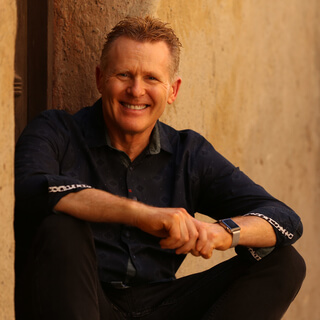
I'm Dr.
Robert Puff.
Our minds are so powerful.
No matter what's happening in our lives,
We can convince ourselves that we're doing the best that we can.
And it really isn't going to get any better than this,
So we best just adjust.
Many years ago when I was working on my doctorate to become a clinical psychologist,
I had one of those life-changing moments.
It happened towards the end of my doctorate.
I was working at the VA hospital in Sepulveda,
And though I had up to that point several years of working with people in the normal population,
I was very aware that people often could look at their lives and say,
This is the best it gets.
This is the best I can do.
I'm going to live with this.
I was used to people whose lives weren't going that well,
Coming up for reasons why it wasn't,
And really not doing anything about it to change it.
But at the VA hospital,
The population that I was working with were men and some women who were living on the street,
Were very much addicted to alcohol and very hard drugs,
Had been in and out of prison,
And really were what we could describe as a nadir of our culture.
Given that their lives were so challenging,
I had expected them to say that,
That their lives were challenging,
And they were very sorry for what they were doing,
And would just say that,
That they got it,
That things weren't going well,
And they were really messed up.
But that isn't what I found.
I found there the exact same thing I had found everywhere else.
They had reasons for the way they were,
And they were doing the best that they could,
And they were pretty much going to settle into that life that they were living,
Even though it was a very sad life for them.
Now mind you,
I did see change,
Because they had 12-step programs there,
And other things that they could get involved with to begin to change their lives,
And some of the people would get better,
But many of them just stayed the way they were.
But like I said,
What shocked me,
What woke me up was the fact that even though their lives were truly sad,
They kept doing what they were doing that reinforced that life.
If they left and were addicted to heroin,
They kept doing it.
If they were stealing from other people and kept going back to jail,
They kept doing it.
If they turned to alcohol to get by,
They kept turning to alcohol.
If they were in prison,
They would go back.
It's just that whatever they were doing,
They kept doing,
Because that's the best that they could do.
In their minds,
They had gone through very tragic things over a series when they were at war.
It caused them PTSD,
And they felt the best that they could do was to do what they were doing.
Mind you,
They knew that other people were out there,
Came back from war and were fine,
Or at least weren't turning to drugs and alcohol or prison or living on the street.
But that wasn't their story.
Their story made sense to them,
So they just kept doing what they were doing.
Again,
Like I said,
There was change,
But change was hard,
And they would have to go through a lot of things to really change their behavior and do things differently.
They could,
But it was hard.
They were intelligent,
Bright individuals,
And I liked them,
But they were also stuck.
They were reinforcing their behavior over and over again.
They kept them in the exact same place.
How they saw things and what they did kept them in the exact same place,
Probably for many of them,
The rest of their lives.
But then I realized one other thing.
The important factor was,
Was my life any different?
Wasn't I doing things just like they were,
Reinforcing behaviors that were causing me to be stuck and not be as healthy as I could be,
As happy as I could be?
That's the big discovery that I saw,
That we're all doing that.
We're very much stuck in what we see the world as,
And because we see it that way,
We reinforce it through our behavior over and over and over again.
I definitely knew there are areas that I could be happier in,
Ways that I struggled,
But I just didn't know how to let go of them.
But now I was aware.
Now I knew that whatever I was struggling with,
If I change,
It would change.
I just needed to learn things,
To grow,
To experience life in different ways so that I could see the world differently,
So that my heart would change.
That's what I began to do.
But I knew in my mind,
I didn't know how to do that.
But I also knew there were people out there that were living lives better than I was living my life.
So I thought,
Let me learn from them.
And I had to find people that truly had better lives than I had,
Not people that said their lives were better,
But really at the deep core had better lives.
And the wisdom that they shared,
If it was true,
Would work for me.
So that was my second test,
Fun,
How are they living?
But the second thing,
What they shared didn't make any difference in my life.
Did it help?
Did it improve me?
Because it would cause change and it would be painful.
Change often is painful at first.
But I knew with time,
My body would adapt to these changes.
Yes,
They were hard.
But with time,
A habit is a habit.
A good habit is a good habit.
A bad habit is a bad habit.
They're both habits.
And we keep used to habits.
We really are creatures of repetition.
So I realized if I did things that were healthy and made those my new habits,
I would do better.
I would feel better.
I would be happier.
So I began that long journey of discovery,
Of learning,
Of growing,
Of changing.
And then when I found those changes worked and they were good,
They made sense to me and I saw good results with them,
I would implement them and I would make them my daily practice because I knew these things were the things that led to sustainable peace and happiness.
And then the last thing I learned was even though they became habits,
I had to keep them going.
Sometimes life would kind of shake things up and make me not want to do these things anymore for a little while.
But I would go back to them because I knew they worked and I just kept doing them.
And the good news is even if I did get off for a little bit of time,
It was a lot easier now to get back on and do them again because I was used to them.
They were what I was used to now.
I didn't have bad habits.
I had good habits and they were just habits.
So it was a lot easier when I would get off to come back to them very quickly.
And there's been many lessons that I've had to learn along the way to improve my life,
To make it more peaceful,
To make it more happy.
One of them was along the way I learned about meditation.
I was in college,
I believe I was about 20 years old,
And I began to meditate then.
But there were a lot of starts and stops and starts and stops.
And it took probably about a decade before it became something that really stuck and where it really made sense to me that this is something that I need to do if I'm truly going to pursue happiness and have a better life.
So at that point I started meditating regularly and have ever since.
And so no matter what's going on,
I meditate,
Period.
I make time for it every day.
Currently I'm meditating about an hour and a half a day.
I may increase that with time,
I don't know,
But that's what my practice is today.
And it's one of many,
Many things that I do that I have found that adds to my quality of life.
There are so many others.
And that's what this podcast is all about,
Sharing what I've discovered,
What helps us to be happy.
So the point of this podcast is actually quite simple,
But super important.
It's about repetition.
You see,
We are humans of habit.
Whatever habits we have in place,
Whatever behavior that we do,
We tend to keep doing that.
I talked about it before in regards to the set point to happiness,
Whatever level of happiness we're at,
We're going to continue to reinforce that level for the rest of our lives and it probably won't change.
Of course,
However,
I believe it can change.
And that's why I'm doing this podcast,
But it's going to change through changing habits.
We keep the ones that are good,
Of course,
But as we discover things that aren't good,
We begin to change them.
And at first,
Those changes are quite challenging.
If we're used to doing something for our entire life and then discover that thing that we're doing isn't very good for us,
So we do something else,
That's going to take work and effort at first.
Mind you,
We do get used to these new habits,
But at first,
From a day to sometimes years,
It can be quite challenging to change habits.
But that's what we do because we're committed to being happy.
We're committed to having far more peaceful,
Beautiful lives.
It just takes work.
We have to create new habits.
And remember the example I started with,
Where the men and women I worked at the VA hospital,
Whose lives were very challenging,
But in their minds,
They really felt they were doing the best that they could.
And that's because our minds are very,
Very sophisticated at keeping us at whatever level we're at.
Our minds will tell us,
But we are doing the best that we can.
Other people,
Who knows what they do?
They haven't had our challenges.
This is the best we can do.
Let's just settle here.
Let's just do this.
And then we begin to say,
Oh,
But I don't like my life anymore.
I want to change it.
Yeah.
But the mind will say,
It's the best you can do.
Don't worry about it.
Just keep doing what you do.
This works best.
Just do this.
But we still notice we're not getting better.
But we can really stay stuck for the rest of our lives.
To be honest,
What I've discovered after working with so many people for so many years,
Most people stay stuck.
And if I haven't seen someone,
Say,
For 10 years,
And I get to see them again,
Usually what they were struggling with 10 years ago is exactly what they're struggling with now.
It really hasn't changed.
It hasn't changed not because it can't.
It hasn't changed because they haven't changed.
They haven't done things that create change.
And so we do need to learn the skills to create change.
And again,
As I said,
This is what this podcast is all about.
So if we do nothing,
We're going to stay the same.
Just look at our lives and say,
This is going to be the same,
Probably even a little bit worse.
It's kind of like with weight.
If we don't work on our weight,
Every year we may put on a pound or two and in 10,
20 years,
That's a lot of extra weight.
It's like that in regards to our happiness.
I mean,
We'll get by.
We'll stay at the level that we're at.
But if we don't do things to create change,
Whatever level we're at,
We're going to probably stay there and maybe even be a little bit worse because now our bodies are wearing out and we don't have tools to deal with that.
So we just suffer or we turn towards addictions so that we don't feel it.
But then the addictions just keep getting stronger.
But we're here to get better.
That's why we're listening to this podcast.
And the way we're going to do that is again,
Through repetition,
Through learning new things,
And then slowly begin to implement them.
Change does take time,
But we need to keep working on it.
We work on it,
We work on it,
We work on it.
And then with time,
It gets better.
So the first thing we have to do is commit to this improvement,
This growth,
Because it's hard.
Sometimes we don't want to change.
We'd rather just rest in what's going on right now and do what we're doing.
We don't want to change.
It's hard.
But we're probably listening to this podcast because we want to change.
And if we want to change,
We have to do things differently.
And before we can do things differently,
We have to learn what to do differently.
Again,
Going back to my earliest example,
The people that I worked with in the VA hospital,
Most of them were struggling with very severe addictions.
So for them,
The 12-step program is what they needed to learn and be part of if they really wanted to stop using.
They needed to learn new skills.
We are the same.
Our egos are going to keep us stuck.
Whatever we're doing,
We're going to stay there unless we proactively learn new things and then implement them.
And that's where we need to find teachers,
People that can help us to learn these new things so that we can grow.
I try to share in the podcast here what I've learned.
If you are finding this podcast helpful,
Then what you're going to need to do is to keep listening to it.
Start from one and work your way through to the current one.
And then start from one and work your way through the current one.
I know it sounds repetitive,
But it's repetition that really gets us to the place where we're succeeding in life.
Let me use an example to illustrate this.
If you've ever seen a ballerina and seen her dance on the stage,
She's so graceful.
It looks so easy and effortless.
But that took a lot of time and a lot of practice when she first began learning about being a ballerina.
She would trip and fall and not be very good at it.
But through hours and weeks and months and years of practice,
She became excellent at it.
It's the same way with happiness.
We aren't very good at it,
Probably.
So we need to change things.
And whatever level we're at,
We just commit to getting better.
And we keep getting better until we reach a point where we say,
Yeah,
Life is good.
And when things happen that challenge that we have things in place that say,
Nope,
Life is still good.
Even with these challenges.
That's what we're looking for.
Really sustained happiness,
Sustained peacefulness,
No matter what.
We can do that,
But it's a learned skill.
And so what we need to do is really commit to learning those skills and then just repeating them over and over and over again.
It's truly what I have done and what I do.
The things that I have in place that work for me,
I do every day.
It may seem repetitive to other people,
But this is a path to happiness.
It is doing certain things over and over again,
Having things in place that create sustained happiness and peace.
We need to keep doing them.
Again,
As an example,
If we are physically healthy,
We're doing things to be physically healthy and we have to keep doing them or otherwise we won't stay that way.
It's the same way here.
We do things that keep us happy,
That keep us peaceful because we know these things work.
We've seen it.
And now the good news is,
Is once they become habits,
They really are that.
They're good habits.
They're things you're going to want to do.
I don't struggle to meditate.
I love meditation.
So once we discover these things,
We discover that they work and we discover that we like them once we get used to them and we keep doing them because they work.
So repetition is probably the foundation of happiness.
This is something we have to do.
We have to learn the skills.
We have to implement them and we have to keep doing them.
And the great news about happiness and peace,
It isn't like physical health or like being a ballerina that with time we're going to get worse.
With happiness and peace,
It is something that we can maintain,
Grow in and sustain for the rest of our lives till our dying breath.
So may we all commit to that.
May we all work towards that and may we find each day more peace and more happiness.
Thank you for joining me on the happiness podcast.
Besides creating this podcast,
There are a variety of other things that I do.
If you'd like to keep abreast of these activities and perhaps someday we may be able to meet in person,
Just go to www.
Happinesspodcast.
Org.
That's happinesspodcast.
Org.
You can subscribe to my newsletter and if you do,
You'll be emailed a free PDF copy of my meditation book called Reflections on Meditation.
And until next time,
Accept what is,
Love what is.